Semantics Activities for Kindergarten Language Development
“`html
Language development in early childhood is a crucial foundation for a child’s future educational success. One key area of focus in kindergarten is semantics—the study of meaning in language. Semantics activities for kindergarten can be engaging and playful, while also equipping children with vital communication skills. In this article, we’ll explore the importance of semantics, practical activities to enhance language development, and strategies to integrate these activities into the kindergarten curriculum.
Understanding Semantics in Early Childhood Development
Semantics is not just about words; it encompasses how children understand and use language to convey meaning. In kindergarten, students begin to understand relationships between words and their meanings, which is integral for vocabulary development. According to research from the National Institute for Literacy, a robust vocabulary is directly linked to reading comprehension and overall academic success. By focusing on semantics, educators can support children’s ability to express themselves clearly and understand others.
The Role of Play in Language Acquisition
Play is a natural mode of learning for children, particularly in their formative years. Through play, children explore their environments, and this exploration provides a rich context for language development. Activities that encourage semantic understanding can be incorporated into both structured and unstructured play. For instance, using toys that represent different categories (animals, food, vehicles) can help children grasp the meanings of words through tangible experiences.
Effective Semantics Activities for Kindergarten
Creating a variety of semantics activities for kindergarten enhances children’s language skills through fun and interactive ways. Here are some effective activities:
- Word Sorting: Provide children with a selection of pictures or words and ask them to sort these items into categories (e.g., animals, colors, emotions). This activity promotes understanding of semantic relationships.
- Storytime with a Twist: During read-aloud sessions, pause to ask children to predict what will happen next and discuss the meanings of unfamiliar words. This encourages critical thinking and vocabulary enhancement.
- Semantic Mapping: Use graphic organizers to help children visually connect words with their meanings. For example, create a mind map for the word “dog” that includes synonyms, related actions, and descriptive words.
- Role-Playing Games: Encourage children to act out various scenarios (like visiting a grocery store or a farm). This contextualizes vocabulary and helps children understand the practical use of language.
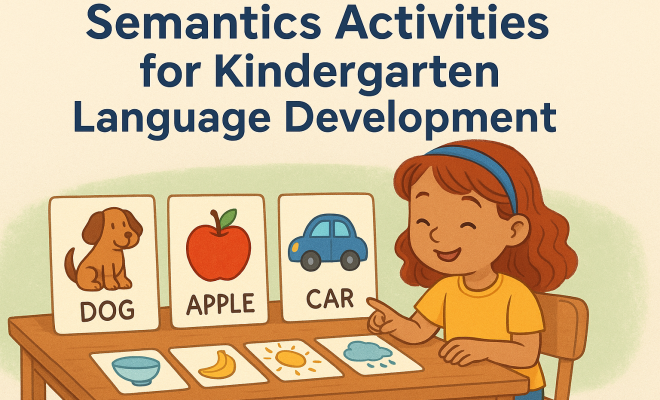
- Matching Games: Create matching cards with words and corresponding pictures. This helps students associate words with their meanings while making learning fun.
- Vocabulary Scavenger Hunts: Organize scavenger hunts where children find objects around the classroom or playground that match specific vocabulary words. This kinesthetic approach not only makes learning fun but also helps children connect words with their real-life applications.
- Semantic Stories: Ask children to create short stories using a set of vocabulary words. This exercise encourages them to think critically about how words relate to one another and helps reinforce their meanings through context.
Integrating Semantics Activities into Daily Routines
To make semantics activities a regular part of the kindergarten experience, educators can easily integrate them into daily routines. Here are some helpful strategies:
- Morning Meetings: Start the day with a group discussion where children can share their thoughts and feelings. This can be tied to a theme, allowing for targeted vocabulary exploration.
- Snack Time Conversations: Use snack time as an opportunity to discuss the food’s origins or how it’s made, enhancing vocabulary around everyday items.
- Transition Activities: During transitions between activities, introduce quick semantic games or discussions. This keeps engagement high and reinforces learning.
- Interactive Classroom Labels: Label items in the classroom with their names and pictures. As children interact with these items, they can learn to associate the words with their meanings in context.
- End-of-Day Reflections: Encourage children to share one new word they learned that day and explain its meaning. This not only reinforces their learning but also gives them a sense of accomplishment.
Assessing Semantic Understanding
Assessing children’s understanding of semantics can be challenging, but it’s vital for tracking progress. Informal assessments, such as observations during activities, can provide insights into language development. Educators can look for indicators such as a child’s ability to categorize words, use new vocabulary in context, and understand synonyms and antonyms.
Formal assessments can also play a role. Tools such as vocabulary checklists or semantic comprehension tests can give a clearer picture of a child’s understanding. Incorporating a combination of both informal and formal assessments helps create a more comprehensive view of each child’s language abilities.
Supporting Diverse Learning Needs
In a kindergarten classroom, it’s essential to recognize that children come with diverse backgrounds and varying language skills. Some might be English language learners, while others might have speech delays. Tailoring semantics activities to meet these needs is critical. For example, visual supports, such as pictures and gestures, can help children with limited vocabulary understand complex concepts. Additionally, working in small groups allows for more personalized interaction and support.
It’s also beneficial to use culturally relevant materials when planning semantics activities. These can include stories and examples that reflect the children’s own experiences and backgrounds, making learning more relatable and effective.
Encouraging Family Involvement
Family plays a significant role in reinforcing semantics at home. Engaging families in the learning process can enhance a child’s language development. Educators can provide families with simple semantics activities they can do at home, such as reading together, playing word games, or even discussing their day using descriptive language. Workshops can also be organized to educate parents about the importance of semantics and how to support their child’s language development.
Furthermore, sharing resource lists with families that includes recommended books, apps, and games can empower them to create enriching language experiences outside of school. This partnership can help extend the learning beyond the classroom and foster a love for language at home.
The Impact of Technology on Language Learning
Technology has transformed many aspects of education, including language learning. Educational apps and games that focus on semantics can supplement traditional activities. However, it’s crucial to strike a balance between screen time and hands-on learning. Apps that encourage vocabulary building through interactive storytelling can be effective tools, but they should be used in moderation, integrated alongside physical activities that promote social interaction.
Some effective educational platforms include those that provide interactive phonics games, vocabulary quizzes, and story creation tools. These can be great supplements to classroom learning, offering children a chance to practice their language skills in an engaging way.
Current Research and Trends in Language Development
Recent studies emphasize the importance of semantics in early childhood education. Research from the American Speech-Language-Hearing Association highlights that children who engage in semantic activities are more likely to show improvement in their overall language capabilities. Programs that incorporate semantic instruction into daily routines report higher student engagement and achievement. As educational settings continue to evolve, keeping up with current research and trends will inform best practices in implementing semantics activities for kindergarten.
Additionally, researchers are increasingly focusing on the role of social interaction in semantics learning. Collaborative activities, where children learn from each other, can enhance their understanding of language and its nuances, showing the importance of peer-to-peer interaction in language acquisition.
Frequently Asked Questions (FAQ)
What are some simple semantics activities I can do at home with my child?
Try activities like word scavenger hunts, where your child finds objects around the house that match specific vocabulary words, or play games like “I Spy” to encourage descriptive language use. Reading together and discussing the story can also enhance their understanding of semantics.
How do I know if my child is struggling with semantics?
Signs may include difficulty understanding new vocabulary, trouble organizing their thoughts when speaking, or challenges categorizing words. If you notice these issues, consider discussing your concerns with their teacher or a speech-language pathologist for further evaluation.
Can semantics activities be adapted for more advanced students?
Absolutely! More advanced students can engage in activities like creating complex story maps, participating in debates on various topics, or exploring idioms and metaphors to deepen their understanding of language. Challenge them with activities that require critical thinking and creativity!
What role does storytelling play in semantics development?
Storytelling is a powerful tool for semantics development as it helps children understand context, word meanings, and narrative structure. It also enhances their imagination and encourages them to use new vocabulary in a meaningful way.
How can I support my English language learner in semantics?
Provide visual aids, use simple language, and encourage peer collaboration. Incorporating culturally relevant materials and allowing them to express their understanding in their native language before transitioning to English can also be beneficial.
Expanding Semantic Understanding with Real-World Connections
Connecting classroom learning to real-world experiences can deepen children’s understanding of semantics. For example, a field trip to a farm can be tied into vocabulary lessons about animals, food production, and nature. After such experiences, children could engage in discussions or activities that reflect their learning. For instance, they could create a scrapbook of what they saw, labeling each image with the corresponding vocabulary word. Real-world connections not only make learning more engaging but also help solidify the meanings of words in children’s minds.
Incorporating Multisensory Approaches
Multisensory approaches to semantics activities engage multiple senses and can enhance understanding significantly. For instance, activities that involve sight, sound, touch, and even taste can make vocabulary learning more memorable. You might have children taste different fruits and then sort them using sensory descriptors like sweet, sour, crunchy, or juicy. This not only teaches them vocabulary but also helps them make connections between words and experiences, reinforcing their understanding of meanings.
The Importance of Contextual Learning
Contextual learning is vital in semantics. When children encounter new vocabulary in context, they’re more likely to remember it. Instead of teaching words in isolation, provide contexts where these words are used naturally. For example, instead of just teaching the word “ocean,” you might read a story about sea creatures, allowing children to hear and see how the word fits within a broader narrative. By embedding vocabulary in meaningful contexts, you help children grasp the nuances and uses of language more effectively.
Creating an Inclusive Classroom Environment
An inclusive classroom environment is essential for effective semantics instruction. This means recognizing and accommodating diverse learning styles and needs. Using varied instructional strategies, such as visual aids for visual learners or storytelling for auditory learners, can meet different needs. Additionally, fostering a classroom culture where all students feel comfortable expressing themselves and making mistakes can encourage risk-taking in language use, which is critical for language development.
Tracking Progress: Tools and Techniques
Tracking progress in semantics development can be done using various tools and techniques. One effective method is maintaining a language portfolio for each child, which documents their growth over time. This could include samples of their storytelling, vocabulary usage in context, and reflections on what they’ve learned. Regularly revisiting these portfolios can provide insights into their development and areas where they may need more focus. Additionally, using technology, like apps that track vocabulary acquisition, can help in monitoring progress in a fun and engaging way.
Final Thoughts on Semantics Activities for Kindergarten
The importance of semantics activities for kindergarten cannot be overstated. These activities provide a foundation for language skills that support reading, writing, and communication. By implementing diverse, engaging activities, educators can empower young learners to express themselves confidently and clearly. As we nurture their ability to navigate the world of language, we pave the way for their academic success and lifelong learning.
“`
Trending Now
Frequently Asked Questions
What are semantics activities for kindergarten?
Semantics activities for kindergarten are engaging tasks designed to help young children understand the meanings of words and how they relate to each other. These activities can include word sorting, categorization games, and play-based learning that enhance vocabulary and communication skills.
Why is semantics important for language development in early childhood?
Semantics is crucial for language development as it helps children understand how words convey meaning. A strong grasp of semantics supports vocabulary growth, which is linked to reading comprehension and overall academic success in later years.
How can play enhance language acquisition in kindergarten?
Play enhances language acquisition by providing a natural context for children to explore and interact with their environment. Through structured and unstructured play, children can engage in semantics activities that facilitate understanding of word meanings and relationships.
What are some effective semantics activities for young children?
Effective semantics activities for young children include word sorting, categorization games, storytelling, and using toys that represent different categories. These activities make learning fun while promoting essential language skills and vocabulary development.
How can teachers integrate semantics activities into the kindergarten curriculum?
Teachers can integrate semantics activities into the kindergarten curriculum by incorporating them into daily routines, using thematic units, and encouraging play-based learning. Activities can be tailored to fit various subjects, making language development a seamless part of the learning experience.
Have you experienced this yourself? We’d love to hear your story in the comments.