Higher Ed Layoffs 2026: Unpacking the Crisis & Impact
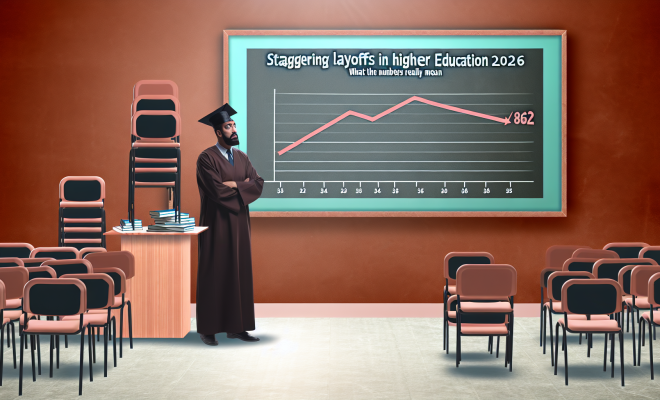
The landscape of higher education is undergoing a severe transformation in 2026, marked by a shocking wave of higher education layoffs. With a staggering 238 cuts, closures, and layoffs documented across U.S. institutions, the academic world is grappling with an unprecedented crisis that is affecting thousands of lives. The latest statistics reveal that over 27,000 students have been displaced and approximately 13,000 jobs have been lost by mid-2026, raising critical questions about the sustainability of higher education in the years to come.
The Numbers Behind the Crisis
The recent surge in layoffs and program closures in higher education is largely attributed to a combination of declining enrollment figures and persistent funding shortages. As universities and colleges face dwindling student numbers, the ramifications are profound. Many institutions have seen their traditional funding sources diminish, leading to difficult decisions about staffing and program viability.
- 238 reported cuts and layoffs in U.S. higher education by mid-2026.
- 27,000 students displaced due to institutional changes.
- 13,000 academic positions lost, significantly impacting faculty and staff.
What’s Causing the Layoffs?
Several factors contribute to the ongoing higher education layoffs in 2026. Among these is a demographic shift known as the “demographic cliff,” where the number of college-age students is projected to significantly decline due to lower birth rates in preceding years. This phenomenon is forcing many institutions to reconsider their enrollment strategies and ultimately leading to painful cuts.
Moreover, external pressures such as technological advancements are also reshaping the academic job market. The rise of artificial intelligence (AI) technologies is not only altering how education is delivered but is also changing the demand profile for faculty roles. As institutions seek to adapt to these changes, there is a growing need for educators specializing in AI and health sciences, while other traditional roles may be on the chopping block.
Case Studies of Affected Institutions
The impact of these trends can be seen in various institutions across the country. For example, several small liberal arts colleges have announced program closures, leading to job eliminations and significant shifts in their educational offerings. These decisions often stem from a lack of financial viability, as administrators scramble to balance budgets in the face of declining student enrollment.
In larger universities, layoffs are often tied to the closure of entire departments. For instance, one notable case involved a well-known university that eliminated its anthropology department, citing low enrollment in its courses as a primary reason. This has raised alarms among faculty members who fear for their job security and academic futures.
Future Projections Through 2029
Looking ahead, the outlook for higher education remains turbulent. Projections indicate that the trend of layoffs and closures may not only continue but could also escalate through 2029, as institutions grapple with the long-term ramifications of declining demographics and evolving educational needs. According to experts, these layoffs may become a defining feature of the academic landscape in the coming years.
- Demographic Cliff: Expected decline in college-age students continues to loom.
- AI Disruption: Demand for jobs focusing on AI and health sciences is rising, while traditional roles are disappearing.
- Mergers: Institutions may seek mergers as a strategy to maintain financial viability.
Emerging Trends in Higher Education
As institutions respond to the realities of the current academic landscape, several trends are emerging. Mergers between colleges and universities have gained traction as a strategy for survival, allowing institutions to pool resources and widen their student base. Furthermore, there is a noticeable shift towards online and hybrid learning models, which offer more flexibility and cater to evolving student preferences.
Additionally, institutions are increasingly prioritizing curricula that align with job market demands, particularly in the fields of AI and health sciences. This shift not only reflects changing student interests but also aims to enhance employability for graduates, ensuring that they are equipped for the evolving workforce.
Conclusion: Preparing for the Future
The landscape of higher education is undeniably changing, with the higher education layoffs in 2026 serving as a wake-up call for stakeholders across the sector. As institutions navigate these challenges, it is essential for administrators, faculty, and students to remain adaptable and proactive. The future of higher education will require innovative approaches, a willingness to embrace change, and a focus on sustainability to ensure that students can continue to receive high-quality education in an increasingly competitive environment.