
Kinesthetic Learning Activities for Elementary School Students
“`html
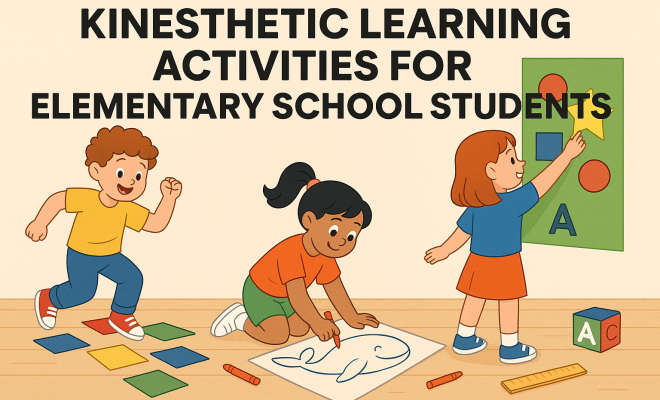
When it comes to teaching elementary school students, the traditional lecture method doesn’t always cut it. Many children learn best through movement and hands-on experiences, which is where kinesthetic learning activities come into play. These activities engage students physically, allowing them to explore concepts actively rather than passively absorbing information. By incorporating kinesthetic learning into your classroom, you can enhance student engagement, improve retention, and create a dynamic learning environment.
Understanding Kinesthetic Learning
Kinesthetic learning is often defined as a style of learning that involves physical movement. It’s based on the understanding that many students—especially young ones—find it easier to grasp concepts when they’re actively involved in the learning process. This learning style contrasts with more traditional, auditory, or visual methods, which may not resonate with all students.
According to educational theorists, students who prefer kinesthetic learning are often referred to as tactile learners. These learners thrive when they can experience concepts through hands-on exploration. Research indicates that incorporating physical activities in lessons can lead to better academic outcomes, improved concentration, and an overall enhanced educational experience.
The Importance of Movement in Learning
Why is movement so critical in the learning process? First, integrating movement into lessons allows students to channel their natural energy into productive activities. For young children, sitting still for extended periods can be challenging, often leading to distractions or disengagement.
Furthermore, physical activity is linked to numerous cognitive benefits. Studies suggest that movement can improve memory, enhance problem-solving skills, and boost creativity. For instance, a study published in the journal Frontiers in Psychology highlighted how engaging in physical activities can stimulate brain function and improve cognitive performance.
7 Effective Kinesthetic Learning Activities
Ready to incorporate some fun and engaging kinesthetic learning activities into your classroom? Here are seven tried-and-true methods that can spark interest and enhance understanding:
1. Interactive Storytelling
Transform traditional storytelling into an interactive experience. As you read a story aloud, assign specific actions or movements to key characters or events. For example, if a character jumps, students could mimic the jump. This not only helps children recall details better but also makes the story come alive.
To set this up, select a story with clear actions and emotional cues. Encourage students to express themselves physically, adding their interpretations of the narrative. This kinesthetic activity fosters imagination while helping students connect emotionally with the material.
2. Movement-Based Math Games
Math can often feel abstract, but incorporating movement can help ground these concepts in reality. Create games that require students to physically represent different numbers or operations. For example, use colored cones to represent numbers and have students arrange them in various patterns or formations based on equations.
Another fun activity is the Math Relay Race. Design a course where students must solve math problems at each station before proceeding to the next. This not only reinforces math skills but also encourages teamwork and physical activity.
3. Science Experiments with a Twist
Science is inherently hands-on, but you can enhance the experience even further with physical activities. Instead of just reading about the water cycle, create a simple simulation using spray bottles for rain and fans for wind. Let students act out the cycle by moving between different stations representing evaporation, condensation, and precipitation. (See: CDC guidelines on physical activity.)
This approach can make complex scientific concepts tangible and relatable. Engaging students in their learning this way allows them to better retain information and understand the practical applications of scientific principles.
4. Geography Movement Games
Geography can come to life with kinesthetic learning activities that allow students to physically engage with the material. Create a giant map on the floor using tape or chalk and have students act out different geographical features or countries.
You can also play games like Geography Simon Says. For example, say “Simon says, jump to France” or “Simon says, hop to the equator.” This not only reinforces geographical knowledge but also gets students moving and having fun.
5. Arts and Crafts with Movement
Art projects don’t have to be confined to desks and tables. Incorporate movement into your art lessons by having students create large murals or sculptures that require them to move around the classroom or outdoor space. This encourages collaboration and teamwork while allowing for creative expression.
Consider activities like large group painting or building structures from recycled materials. The act of moving and working together physically reinforces concepts of perspective, balance, and design.
6. Physical Vocabulary Games
Learning new vocabulary can be a challenge, especially for younger students. Turn vocabulary drills into a movement activity by creating a Vocabulary Scavenger Hunt. Write vocabulary words on cards and hide them around the classroom. As students find each word, they must act out its meaning or come up with a sentence that uses the word correctly.
This activity not only reinforces vocabulary acquisition but also encourages critical thinking as students must consider the context in which they can use each word.
7. Outdoor Learning Adventures
Take kinesthetic learning outside! Outdoor classrooms can offer endless opportunities for engaging activities. Consider nature walks where students identify local flora and fauna, or create a scavenger hunt tied to the curriculum—like finding items in nature that fit specific math or science criteria.
Outdoor learning not only enriches the curriculum but also promotes physical well-being, as students get fresh air and exercise while learning. The natural environment can stimulate curiosity and foster a love for learning that extends beyond the classroom walls.
Implementing Kinesthetic Learning Activities in Your Curriculum
Integrating kinesthetic learning activities into your curriculum doesn’t have to be daunting. Here are some actionable tips:
- Start Small: Introduce one or two kinesthetic activities per week. Observe how your students respond and adjust based on their engagement levels.
- Involve Students: Ask for student input on activities they enjoy or would like to try. This can increase their investment in the learning process.
- Collaborate with Colleagues: Share resources and ideas with fellow teachers. Collaborative planning can help you create a more cohesive approach to integrating movement into lessons.
- Reflect and Adapt: After implementing a new activity, reflect on its effectiveness. Did students understand the concepts better? Were they more engaged? Use this feedback to refine your approach.
Challenges of Kinesthetic Learning Activities
While the benefits of kinesthetic learning are clear, it’s essential to recognize potential challenges as well. One common concern is classroom management. With physical activities, maintaining order can be difficult. Here are some strategies to consider:
- Establish Clear Guidelines: Before starting any activity, set clear rules and expectations. Ensure that students know how to behave during kinesthetic activities.
- Practice Transitions: Teach students how to transition smoothly between activities. Use signals or routines to help manage movement effectively.
- Monitor Engagement: Keep an eye on student participation. If some students are disengaging, adjust the activity or approach to recapture their interest.
The Future of Kinesthetic Learning
As educational paradigms shift towards more inclusive and diverse teaching methods, kinesthetic learning activities are likely to gain even more prominence. With advancements in technology and a growing understanding of different learning styles, educators are encouraged to explore creative ways to engage students physically and cognitively.
Emerging educational tools that integrate movement—such as augmented reality apps—can enhance kinesthetic learning even further. These innovative solutions provide interactive experiences that blend technology with physical activity, making learning even more dynamic.
Research Supporting Kinesthetic Learning
There’s a growing body of research supporting the effectiveness of kinesthetic learning activities. A study by the American Educational Research Association found that students engaged in hands-on learning demonstrated a 62% improvement in understanding complex topics. Additionally, a meta-analysis published in the Journal of Educational Psychology noted that students participating in kinesthetic activities retained information up to 30% longer than those who did not.
Moreover, brain scans conducted on students engaged in physical learning activities revealed increased activity in areas associated with memory and attention. These findings underscore the importance of movement in enhancing cognitive processes. With such compelling evidence, it’s clear that incorporating kinesthetic activities is not just beneficial but imperative.
Examples of Kinesthetic Learning Activities Across Subjects
Kinesthetic learning can be applied to a wide array of subjects beyond just math and science. Here are some examples of how different subjects can integrate kinesthetic activities:
Language Arts
In language arts classes, kinesthetic activities can help students understand grammar and sentence structure. For instance, you can use colored cards to represent different parts of speech (nouns, verbs, adjectives), and have students physically arrange them into sentences on the floor. This interactive approach makes grammar tangible and fun, while fostering collaboration and communication.
History
For history lessons, consider reenacting significant events or historical figures’ lives. Students can take on roles, dress in costumes, and even create props to bring the past to life. This experiential learning can deepen students’ understanding and retention of historical facts, as they engage emotionally and physically with the material.
Physical Education and Health
Physical education can naturally incorporate kinesthetic learning through games that teach teamwork and strategy. Activities like obstacle courses can help students learn about fitness and health while encouraging critical thinking about movement and strategy in a fun environment.
Statistics on Kinesthetic Learning Benefits
The effectiveness of kinesthetic learning extends beyond anecdotal evidence. A survey by the National Center for Learning Disabilities indicated that 86% of teachers observed a noticeable increase in student engagement when incorporating movement into their lessons. Additionally, a study by the University of Kentucky revealed that students who participated in kinesthetic activities scored 20% higher on standardized tests than their peers who did not.
Furthermore, a report from the World Health Organization emphasizes that physical activity can lead to improved academic performance, detailing that schools that prioritize movement see better grades and attendance rates. This highlights how vital it is to weave kinesthetic learning activities into the educational fabric.
Frequently Asked Questions about Kinesthetic Learning Activities
What age groups benefit from kinesthetic learning activities?
Kinesthetic learning activities are particularly beneficial for elementary school students, as they tend to have higher energy levels and shorter attention spans. However, students of all ages can benefit from incorporating movement into their learning processes. Middle and high school students can also engage in kinesthetic learning through more complex concepts and projects.
How can I assess students engaged in kinesthetic activities?
Assessment can be achieved through observation during activities, group discussions, and follow-up quizzes related to the concepts explored. You can also have students reflect on their learning experiences through journals or presentations, allowing them to articulate their understanding verbally.
Are kinesthetic learning activities suitable for all subjects?
Absolutely! While certain subjects may lend themselves more easily to movement—like physical education or science—many core subjects such as math, language arts, and social studies can also incorporate kinesthetic elements to enhance understanding and engagement.
How can I create a kinesthetic-friendly classroom?
To foster a kinesthetic-friendly environment, rearrange your classroom to allow for movement and collaboration. Use flexible seating options, such as standing desks or floor cushions, and keep supplies organized and accessible for hands-on projects. Incorporate movement breaks between lessons to keep energy levels up.
Innovative Kinesthetic Learning Technologies
As technology continues to evolve, new tools are emerging that complement kinesthetic learning activities. For instance, interactive whiteboards and tablets can facilitate movement-based lessons, allowing students to interact with digital content while moving around the classroom.
Virtual reality (VR) is another exciting avenue. VR can create immersive learning environments where students can participate in simulations of historical events, scientific processes, or even creative writing exercises in fantastical settings. This integration of technology encourages both kinesthetic and visual engagement, making learning more impactful.
The Role of Parents in Supporting Kinesthetic Learning
Parents can play a vital role in reinforcing kinesthetic learning at home. Encouraging outdoor play, providing materials for hands-on projects, or integrating movement into homework assignments can help extend the benefits of kinesthetic learning beyond the classroom. For instance, parents can set up science experiments in the backyard, organize nature walks, or play educational games that require physical activity.
Moreover, having conversations about what students are learning in school can help bridge the gap between home and school. By discussing the importance of physical engagement in learning, parents can motivate their children to embrace this style of learning more fully.
Real-Life Success Stories of Kinesthetic Learning
Many educators have witnessed remarkable transformations in their classrooms after integrating kinesthetic learning activities. For example, one teacher in a low-income area reported that after adopting movement-based math games, her students’ test scores improved significantly. Not only did they grasp mathematical concepts faster, but their enthusiasm also soared, leading to a more vibrant classroom atmosphere.
Another success story comes from a special education classroom where teachers used kinesthetic learning to help students with diverse learning needs. By incorporating movement into lessons, students who previously struggled to engage began to thrive. They were more motivated to participate, and their social skills improved dramatically as they worked together on physical tasks.
Final Thoughts on Kinesthetic Learning Activities
Incorporating kinesthetic learning activities in elementary education is not just a trend; it’s a recognition of how children learn best. By engaging students physically, teachers can foster a more stimulating and effective learning environment that caters to various learning styles. As you explore these activities, keep in mind that the ultimate goal is to create an enjoyable, engaging, and comprehensive educational experience that resonates with students long after they leave the classroom.
“`
Trending Now
Frequently Asked Questions
What are kinesthetic learning activities?
Kinesthetic learning activities are hands-on experiences that engage students physically, allowing them to learn through movement. These activities help students grasp concepts actively rather than passively, making learning more effective, especially for those who thrive on physical involvement.
Why is kinesthetic learning important for elementary students?
Kinesthetic learning is crucial for elementary students as it aligns with their natural tendencies to move and explore. It enhances engagement, improves retention, and caters to different learning styles, ultimately leading to better academic outcomes and a more dynamic classroom environment.
How can teachers incorporate movement into lessons?
Teachers can incorporate movement into lessons by integrating physical activities like role-playing, hands-on experiments, or interactive games. These activities allow students to channel their energy productively while reinforcing concepts through active participation.
What benefits does movement provide in learning?
Movement in learning offers numerous benefits, including improved memory, enhanced concentration, and better problem-solving skills. Engaging in physical activities stimulates cognitive functions, making learning more effective and enjoyable for students.
What is the difference between kinesthetic and auditory learning?
Kinesthetic learning involves hands-on activities and physical movement, while auditory learning relies on listening and verbal instruction. Kinesthetic learners often benefit more from active participation, whereas auditory learners may excel with lectures and discussions.
Agree or disagree? Drop a comment and tell us what you think.

