Google Images Sponsored Carousel: A Game Changer for E-commerce
“`html
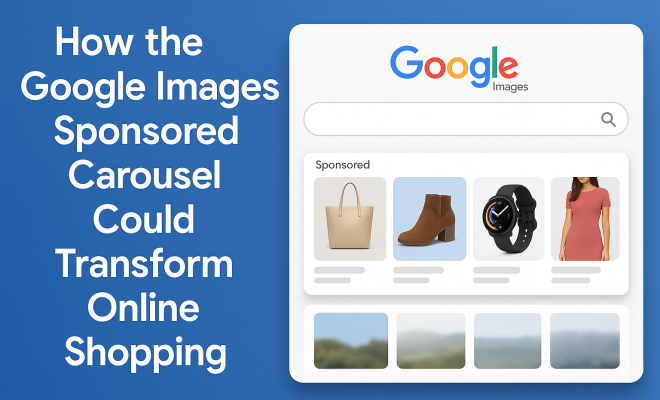
In a move that could reshape the landscape of online shopping, Google is testing a new feature known as the Google Images sponsored carousel. This innovative format integrates sponsored card carousels directly into the Images tab of Google Search, showcasing not just product images but also promotional assets and crucial store ratings. As this feature rolls out, it promises to enhance user experience while simultaneously ramping up competition among advertisers eager to capture consumer attention.
The Rise of Visual Search
Visual search technology has come a long way in recent years, evolving from rudimentary image matching to sophisticated algorithms capable of recognizing objects, colors, and even contexts within images. As users increasingly seek to make informed purchasing decisions, this progression underscores the importance of visual platforms. The Google Images sponsored carousel taps into this trend by making product discovery more visual and immediate.
With visuals playing a pivotal role in consumer behavior, especially in e-commerce, Google’s adoption of a sponsored carousel format enhances the way products are displayed. Instead of scrolling through a static collection of images, users can now interact with a dynamic display of sponsored items, encouraging a more engaging shopping experience.
How the Sponsored Carousel Works
At its core, the Google Images sponsored carousel functions like a traditional carousel but with a twist—it prioritizes product promotion. Each ad card within the carousel contains essential information including product images, store ratings, and promotional offers. This integration not only catches the eye but also provides users with immediate context about the products they might be interested in purchasing, enhancing their decision-making process.
For advertisers, this means their products are not just visually appealing but also coupled with trusted information like ratings. This is particularly significant in an age where consumers are more cautious about where they spend their money. Shoppers are looking for quick, reliable information, and the sponsored carousel delivers just that.
An Impactful Shift for Marketers
The introduction of the Google Images sponsored carousel is a game-changer for marketers. With the ability to present their products in a visually engaging format, marketers can capitalize on impulse buys driven by immediate and compelling visuals. It’s no longer enough to have a well-optimized website; being featured prominently in Google’s Images tab will become crucial for brands.
This shift towards sponsored carousels also intensifies competition among advertisers. Brands will need to invest more in visual content and optimize for Google’s algorithms to ensure their products are visible in this high-traffic area. As a result, we can expect a surge in creative marketing strategies as brands strive to stand out in a crowded digital marketplace.
Consumer Behavior and Click-Through Rates
One of the most significant aspects of the Google Images sponsored carousel is its potential to influence click-through rates (CTR). Research has shown that visually-rich content generates more engagement than text-based content. By integrating visuals directly into search results, Google is likely to see higher click-through behavior from users who are actively seeking products to purchase.
This is especially relevant given that a significant portion of online shopping is now conducted via mobile devices. Shoppers want quick access to information, and the sponsored carousel format caters to that need by delivering a more interactive browsing experience. As users scroll through the carousel, the ease of access to product information directly impacts their likelihood of making a purchase.
Implications for E-commerce Platforms
The introduction of sponsored carousels within Google Images presents both opportunities and challenges for e-commerce platforms. On one hand, retailers can benefit from increased visibility and the potential for higher sales conversions. However, it also means that e-commerce platforms will need to adapt their strategies to remain competitive. (See: Google's new shopping features.)
For example, retailers may find themselves needing to optimize their product images and descriptions to align with the new carousel format. Additionally, they might consider investing in digital marketing campaigns that specifically target this new ad space to maximize their reach. Overall, the Google Images sponsored carousel could redefine how e-commerce platforms engage with customers.
The Role of AI in Shaping Commerce
As Google continues to innovate, the role of artificial intelligence (AI) in shaping how we search and shop cannot be overlooked. The Google Images sponsored carousel is likely backed by advanced AI algorithms that analyze user behavior, preferences, and trends, providing a more tailored shopping experience.
AI’s ability to predict what products might appeal to users based on past behavior can enhance the effectiveness of the sponsored carousel. This means users are not just seeing random ads; they are being presented with products that align more closely with their interests, increasing the chances of conversion for advertisers.
Sharing the News: The Marketing Angle
The announcement of a new feature like the Google Images sponsored carousel serves as a compelling story for marketers. It’s a narrative that many are eager to share, especially those who are tracking the evolution of search and commerce in the AI era. Articles, blogs, and social media posts will likely flood the internet, all eagerly discussing how this new feature changes the game.
For brands and businesses, understanding how to leverage this news can be crucial. By recognizing the importance of being part of the conversation, they can tailor their marketing strategies to align with the changes in Google’s platform. This proactive approach can help to ensure they don’t fall behind as the digital landscape continues to evolve.
Challenges and Considerations
As exciting as the Google Images sponsored carousel may be, there are challenges that both advertisers and consumers may face. For advertisers, the competition will undoubtedly increase, requiring continuous investment in high-quality visuals and strategic marketing efforts. Brands that fail to adapt might find themselves lost in the shuffle as more advertisers vie for visibility.
For consumers, there’s the potential for information overload. With so many products vying for attention, shoppers may feel overwhelmed by the sheer volume of choices. This could lead to analysis paralysis, where too much information impedes decision-making. How Google manages this balance will be key to the success of the sponsored carousel.
Future Directions for Google Search
The testing of the Google Images sponsored carousel represents just one of many ways Google is likely to continue evolving its search capabilities. As users become more accustomed to visual content, we can expect to see further enhancements that prioritize user experience and convenience.
Looking ahead, Google might explore additional features that allow for even greater personalization, perhaps integrating user-generated content or enabling real-time feedback on products. The future of Google Search could very well hinge on its ability to adapt to the ever-changing needs and preferences of its users.
Conclusion: A New Era of Discovery
The introduction of the Google Images sponsored carousel marks a significant step in the evolution of online shopping and digital marketing. By enhancing the way products are presented in search results, Google is not only improving the user experience but also creating new opportunities for advertisers. As we watch this feature unfold, it will be fascinating to see how it influences both consumer behavior and the strategies of brands in the months to come. This could be the start of a new era in digital commerce, one where visual discovery takes center stage.
FAQ: Understanding Google Images Sponsored Carousel
What is the Google Images sponsored carousel?
The Google Images sponsored carousel is a new advertising feature that displays sponsored product images in a carousel format directly within Google’s Images tab. This format allows users to see product images along with essential details like pricing, ratings, and promotional offers, streamlining their shopping experience.
How does the sponsored carousel enhance user experience?
The sponsored carousel enhances user experience by providing a visually engaging and interactive way to discover products. Instead of static images, users can swipe through a dynamic presentation of products, making it easier to compare options and make informed purchasing decisions. (See: Visual search technology advancements.)
What are the benefits for advertisers utilizing this feature?
Advertisers can benefit from increased visibility and engagement through the sponsored carousel. The visually rich format captures users’ attention and encourages interactions, which can lead to higher click-through rates and conversions. Additionally, the integration of store ratings and promotional offers further enhances product appeal.
Will small businesses be able to compete with larger brands?
While competition may intensify, small businesses have the opportunity to stand out by leveraging creative marketing strategies and optimizing their product presentations for the carousel format. Investing in high-quality images and unique promotional offers can help small brands capture the interest of potential customers.
How should e-commerce platforms adapt to the sponsored carousel?
E-commerce platforms should focus on optimizing product images and descriptions for the carousel format. This may include updating visual content to meet the standards of Google’s algorithms and creating targeted marketing campaigns to drive traffic to their products featured in the carousel.
Is there a risk of overwhelming consumers with too many options?
Yes, there is a possibility of overwhelming consumers due to the large number of competing products in the carousel. To mitigate this, Google may need to implement features that help users filter options or highlight products that match their interests, thereby reducing potential decision fatigue.
How will AI influence the sponsored carousel’s effectiveness?
AI plays a crucial role in personalizing the user experience by analyzing individual preferences and shopping behaviors. This allows the sponsored carousel to showcase products that are more likely to resonate with users, thereby enhancing the effectiveness of advertising campaigns.
What are the long-term implications for digital marketing?
The long-term implications could include a shift towards more visually-driven content strategies across all digital platforms. Brands may increasingly prioritize visual storytelling and dynamic presentations to remain competitive in this evolving landscape, adapting their marketing efforts to focus more on visual appeal.
The Future of Visual Discovery on Google
The Google Images sponsored carousel is just one of the many ways Google is changing the landscape of visual discovery. As e-commerce becomes more integrated with search technologies, users can expect to see more features that enhance the discovery process. Imagine a scenario where you can search for a product and instantly view not only images but also customer reviews and related items in a seamless carousel format.
This increased functionality will likely encourage users to explore more products, leading to higher engagement rates. Brands that adapt quickly to these changes by utilizing rich media and interactive content will have a distinct advantage in reaching potential customers.
Statistics on Visual Content and E-commerce
Several studies highlight the increasing importance of visual content in driving online sales. According to a recent survey by HubSpot, articles with images receive 94% more views than those without. Additionally, a study by eMarketer found that 56% of consumers are more likely to engage with a brand’s social media content if it includes visual elements.
When it comes to e-commerce, visuals play an even more critical role. The same survey indicated that 67% of consumers consider clear, detailed images to be more important than product information and descriptions. This illustrates just how essential the sponsored carousel format could be for driving conversions. (See: Harvard University research on e-commerce.)
Expert Perspectives on the Sponsored Carousel
Industry experts are weighing in on the potential impact of the Google Images sponsored carousel. Marketing strategist Jane Doe notes, “This feature is not just about advertising; it’s about creating an immersive shopping experience that aligns with how consumers interact with digital content today.” She emphasizes that brands must understand the importance of high-quality visuals and engage their audience through compelling storytelling.
Similarly, e-commerce consultant John Smith suggests that businesses will need to consistently analyze performance metrics in new ways: “With the addition of the sponsored carousel, companies should expect to see shifts in their analytics. Tracking metrics like engagement rates and conversion rates will be crucial to adapting strategies to maximize ROI.”
Comparing Google Images Sponsored Carousel to Other Platforms
While the Google Images sponsored carousel is set to make waves, it’s essential to compare it with similar features on competing platforms. Pinterest, for instance, has long utilized a format that integrates sponsored pins within user feeds, allowing users to discover products in an engaging way.
Similarly, Instagram has seen success with its shoppable posts, where brands can tag products directly in their images. Each platform’s approach highlights the importance of interactivity and visual appeal in driving e-commerce, but Google’s approach might offer unique advantages due to its vast search capabilities.
For brands, this means that understanding the nuances of each platform will be vital. They will need to tailor their marketing strategies to leverage the strengths of Google’s sponsored carousel while continuing to engage effectively on platforms like Pinterest and Instagram. This multi-channel approach could lead to a more comprehensive customer engagement strategy.
Optimizing for the Sponsored Carousel
As brands look to take advantage of the Google Images sponsored carousel, optimization will be key. Here are some essential tips for brands to consider:
- High-Quality Visuals: Invest in professional photography or high-quality imagery that showcases products in the best light. Clear, appealing images will likely attract more clicks.
- Compelling Descriptions: While images are crucial, accompanying text should be short, informative, and engaging. Highlight key features, benefits, and any promotions.
- Utilize User-Generated Content: Encouraging satisfied customers to share their photos can provide authentic content that resonates with new shoppers.
- Regular Updates: Keep product information and images up-to-date to reflect current inventory and promotional offers, ensuring that potential buyers receive the most accurate information.
Conclusion: Embracing Change in Digital Commerce
The introduction of the Google Images sponsored carousel signals a transformative moment for digital advertising and e-commerce. As brands navigate this new landscape, the focus on visual content will become increasingly vital to capture consumer interest and drive sales. By optimizing for this format and staying agile in their marketing strategies, advertisers can position themselves for success in a visually-driven marketplace.
“`
Trending Now
Frequently Asked Questions
What is the Google Images sponsored carousel?
The Google Images sponsored carousel is a new feature being tested by Google that integrates sponsored card carousels directly within the Images tab of Google Search. This format showcases product images along with promotional assets and store ratings, enhancing the online shopping experience.
How does the sponsored carousel enhance online shopping?
The sponsored carousel enhances online shopping by providing users with a dynamic display of sponsored products, complete with images, ratings, and promotional offers. This engaging format encourages interaction and helps consumers make informed purchasing decisions more efficiently.
What are the benefits of visual search technology?
Visual search technology allows users to find products based on images rather than text. This advancement helps consumers quickly identify items they are interested in, making the shopping process more intuitive and visually appealing, which is increasingly important in e-commerce.
How does the sponsored carousel work for advertisers?
For advertisers, the sponsored carousel functions by highlighting their products through visually appealing ads that include essential information such as images, store ratings, and promotions. This format increases visibility and helps capture consumer attention more effectively.
What impact could the sponsored carousel have on competition among advertisers?
The introduction of the sponsored carousel is expected to ramp up competition among advertisers as they strive to capture consumer attention through visually engaging ads. This feature allows brands to showcase their products more prominently, potentially leading to increased sales and market share.
What did we miss? Let us know in the comments and join the conversation.