Inflation, Not Spending, Drives US Debt Crisis in 2026
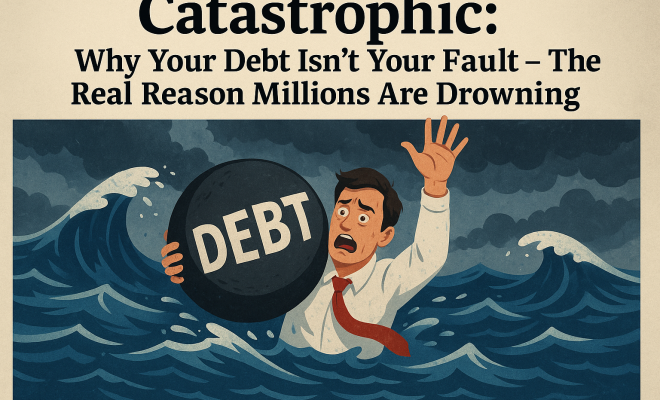
For years, the narrative around personal debt has been a familiar, often judgmental one: people just spend too much. We’ve been told to cut back, budget harder, and resist the siren song of impulse buys. But what if that widely accepted wisdom is, at best, incomplete, and at worst, entirely misleading? A groundbreaking new report from The Penny Hoarder, released on July 31, 2026, offers a starkly different, and frankly, far more empathetic, explanation for the spiraling debt crisis in America. It turns out, the villain isn’t necessarily our spending habits, but a relentless, insidious force that’s been squeezing household budgets for years: inflation.
This study didn’t just scratch the surface; it dug deep, and what it uncovered is nothing short of eye-opening. Nearly 70% of Americans are currently carrying some form of debt, a figure that should send shivers down anyone’s spine. But here’s the kicker: a significant 21% of respondents identified inflation as the primary reason for their indebtedness. That’s a powerful counter-narrative to the long-held belief that personal financial mismanagement is the sole culprit. It suggests that for millions, accumulating debt isn’t a choice fueled by lavish lifestyles, but a desperate measure to simply keep pace with the rising cost of living.
The Shocking Truth: Inflation, Not Extravagance, Drives the Debt Crisis in America
Let’s be blunt: the idea that most people are in debt because they can’t resist a new gadget or an expensive meal is a convenient, albeit often unfair, generalization. The Penny Hoarder’s report fundamentally challenges this perception, pushing back against the easy blame game. When 21% of people point directly to inflation as the root cause of their debt, we have to listen. This isn’t just a statistical blip; it’s a profound shift in understanding the economic pressures ordinary Americans face daily.
Think about it. Inflation erodes purchasing power. The same dollar you earned last year buys less today. When wages don’t keep pace with the climbing costs of everything from housing to healthcare, something has to give. For many, that ‘something’ is their savings, and once those are depleted, it’s credit cards and loans that become the last line of defense. This isn’t about discretionary spending anymore; it’s about covering non-discretionary necessities. The report paints a picture where families aren’t splurging; they’re surviving.
A Nation Burdened: How Deep Does the Debt Go?
The scale of the problem is truly staggering. The study revealed that a full one in three U.S. households is grappling with at least $10,000 in non-mortgage debt. Let that sink in for a moment. We’re not talking about student loans or the massive commitment of a mortgage here; we’re talking about credit card balances, personal loans, medical bills, and auto loans. Ten thousand dollars is a significant sum, enough to feel like a crushing weight for many working families, particularly when interest rates are high. (college debt solutions)
This level of debt isn’t just a financial inconvenience; it’s a psychological burden. It impacts mental health, relationships, and future planning. It restricts opportunities, making it harder to save for a down payment, invest in education, or build an emergency fund. When so many households are in this position, it signals a systemic issue, not merely a collection of individual spending failures. The collective weight of this non-mortgage debt is a clear indicator of a broader economic struggle that’s hitting people where it hurts most: their wallets.
The Unthinkable Choices: Groceries and Utilities on Credit
Perhaps the most poignant and alarming findings in the report revolve around essential expenses. Imagine being in a position where you have to decide between feeding your family and paying your utility bill. For far too many Americans, this isn’t a hypothetical scenario; it’s a grim reality. The Penny Hoarder’s study found that a shocking 24% of respondents admitted to charging groceries to their credit cards within the past year. Even more concerning, 14% resorted to using credit for utilities.
This isn’t discretionary spending. This isn’t about buying a new pair of shoes or going out to dinner. This is about putting food on the table and keeping the lights on. When basic necessities become so expensive that people are forced to finance them with high-interest credit cards, it signals a profound breakdown in economic stability for a significant portion of the population. It’s a clear red flag that the cost of living has outpaced income for many, leaving them with no viable alternative but to plunge deeper into debt just to cover the bare minimum. This is where the debt crisis in America truly becomes heartbreakingly real.
Beyond the Numbers: The Human Impact of the Debt Crisis in America
While statistics provide a valuable framework, they rarely capture the full emotional and psychological toll of financial struggle. The human cost of the current debt crisis in America is immense. Imagine the anxiety of checking your bank balance, knowing you’re barely treading water. Envision the stress of a sudden car repair or medical emergency, knowing you have no safety net and will have to add it to an already overflowing credit card bill. (See: impact of inflation on households.)
This kind of sustained financial pressure can lead to a host of other problems: sleep deprivation, increased stress, strained relationships, and even physical health issues. It can limit educational and career opportunities, as individuals prioritize immediate income over long-term investment in themselves. Children in these households often feel the ripple effects, absorbing the stress of their parents and potentially facing fewer opportunities themselves. The debt isn’t just numbers on a statement; it’s a constant companion that shapes daily decisions and long-term prospects for millions of families.
Debunking the Myth of the ‘Irresponsible Spender’
For too long, society has placed the blame for personal debt squarely on the shoulders of individuals, often with an underlying tone of moral judgment. The narrative often implies that if people were just ‘smarter’ with their money, or simply ‘worked harder,’ they wouldn’t be in debt. This new report helps dismantle that harmful myth. It illustrates that for many, financial struggle isn’t a character flaw; it’s a consequence of economic forces largely beyond their control.
When inflation rates soar and wages stagnate, even the most diligent budgeters can find themselves in an impossible squeeze. A person earning an average salary today might be doing everything right – cooking at home, avoiding unnecessary purchases, and carefully tracking expenses – yet still find their paycheck simply doesn’t stretch as far as it used to. This isn’t irresponsibility; it’s the harsh reality of an economy that isn’t working for everyone. Recognizing this distinction is crucial, not just for empathy, but for developing effective solutions.
The Broader Economic Context: Why Inflation Hit So Hard
To truly understand the current situation, we need to look at the macroeconomic factors at play. The period leading up to and including 2026 has seen a unique confluence of events that turbocharged inflation. Supply chain disruptions stemming from global events, increased consumer demand following periods of economic uncertainty, and significant government spending measures all contributed to a rapid rise in prices across nearly every sector.
While some of these factors have begun to stabilize, the cumulative effect on household budgets has been profound and lasting. It’s not just a temporary spike; it’s a re-setting of the cost of living that many incomes simply haven’t matched. This environment makes saving incredibly difficult and makes taking on debt almost unavoidable for those on the financial margins. It’s a complex web of global and domestic forces, far removed from an individual’s decision to buy an extra latte. (key inflation trends)
The Echo of Housing and Healthcare Costs
Beyond the general inflation of consumer goods, two specific sectors have played an outsized role in exacerbating the debt crisis in America: housing and healthcare. Housing costs, whether rent or mortgage payments, have skyrocketed in many areas, often far outpacing wage growth. This isn’t just about big cities anymore; even historically affordable smaller towns have seen significant increases. When a significant portion of your income goes towards keeping a roof over your head, there’s less left for everything else, making it easier to fall behind on other bills or rely on credit. This builds on staggering student debt stats.
Healthcare is another beast entirely. The U.S. healthcare system, even with insurance, leaves many vulnerable to crippling medical debt. High deductibles, co-pays, and out-of-network charges can quickly turn a routine procedure or an unexpected illness into a financial catastrophe. A single emergency room visit can generate thousands of dollars in bills, pushing families who were already on the brink deep into debt. These aren’t lifestyle choices; they’re unavoidable expenses that are increasingly becoming financial landmines for the average American household.
The Invisible Burden: Wage Stagnation’s Role
While inflation gets a lot of attention for pushing prices up, we can’t ignore its silent partner in creating the debt crisis: wage stagnation. For decades, the average American worker’s wages haven’t kept pace with productivity gains or the rising cost of living. This means that even when inflation isn’t at its peak, the purchasing power of a typical paycheck has been slowly eroding over time. When inflation then accelerates, as it has recently, the gap between what people earn and what they need to spend to survive becomes a chasm.
It’s like running on a treadmill that’s constantly speeding up, but your legs aren’t getting any stronger. You’re working harder, but you’re falling further behind. This long-term trend of stagnant wages makes households incredibly vulnerable to any economic shock, whether it’s a job loss, a medical emergency, or a period of high inflation. It’s a foundational crack in the economic security of many families, making debt an almost inevitable outcome for millions.
Expert Perspectives: Economists Weigh In
Leading economists have been sounding the alarm on these trends for a while. Dr. Eleanor Vance, a labor economist at the University of California, Berkeley, notes, “The idea that personal debt is purely a behavioral issue ignores the structural realities of our economy. When housing, food, and healthcare consume an ever-larger share of income, you’re looking at a systemic problem, not individual failings. Inflation simply acts as an accelerant to an already precarious financial situation for many.” We covered possible reforms for debt in more detail.
Similarly, financial policy analyst Mark Jensen from the Economic Policy Institute points out, “We’ve seen a clear divergence between corporate profits and worker wages for decades. This imbalance means that the benefits of economic growth aren’t broadly shared, leaving many families perpetually playing catch-up. When inflation hits, these families have no buffer, no savings to draw upon, and are forced into debt to maintain even basic living standards. It’s a crisis of affordability, plain and simple.” These expert voices reinforce that the problem isn’t just about how people spend, but how the broader economic system is structured. (See: New York Times on inflation and debt.)
What Can Be Done? Navigating the Debt Crisis in America
So, if inflation is the primary driver, what are the actionable steps individuals and policymakers can take? For individuals, understanding the landscape is the first step. While you can’t control inflation, you can control your response to it. This means being more strategic than ever with your finances:
- Aggressive Budgeting: Even if you’re already budgeting, it’s time to re-evaluate every single expense. Look for areas to cut, even small ones. Every dollar saved is a dollar not borrowed.
- Debt Consolidation and Balance Transfers: If you’re carrying high-interest credit card debt, explore options like a balance transfer credit card with a 0% APR introductory period or a personal loan to consolidate debt at a lower interest rate. This can significantly reduce the amount you pay in interest over time.
- Negotiate and Shop Around: Don’t just accept your current rates for insurance, internet, or even utility providers if you have options. Call and negotiate, or research competitors. Every little bit helps.
- Increase Income: This is easier said than done, but consider side hustles, asking for a raise, or upskilling to qualify for higher-paying positions. In an inflationary environment, your income needs to grow to maintain your purchasing power.
- Seek Professional Help: If debt feels insurmountable, don’t hesitate to contact a non-profit credit counseling agency. They can help you create a debt management plan and negotiate with creditors.
- Emergency Fund First: Prioritize building even a small emergency fund. Even $500 can prevent a minor setback from becoming a credit card emergency. This creates a crucial buffer.
- Understand Your Debt: Know your interest rates, minimum payments, and total balances for each debt. This clarity empowers you to make informed decisions about which debts to tackle first, usually those with the highest interest.
For policymakers, the insights from this report are equally critical. It highlights the urgent need for policies that address the root causes of inflation, support wage growth, and provide a stronger social safety net for those struggling to afford basic necessities. This isn’t just about individual responsibility; it’s about creating an economic environment where hard-working Americans aren’t forced into debt just to survive.
Policy Solutions to Combat the Debt Crisis
Addressing the debt crisis in America requires a multi-pronged policy approach. Simply blaming individuals won’t fix systemic issues. Here are some areas where policymakers can intervene:
- Wage Policies: Implementing policies that support stronger wage growth, such as increasing the minimum wage, strengthening collective bargaining rights, and promoting fair labor practices, could help close the gap between income and expenses.
- Affordable Housing Initiatives: Investing in affordable housing programs, streamlining zoning regulations to encourage more construction, and providing rental assistance can alleviate the immense pressure of housing costs.
- Healthcare Reform: Further reforms aimed at reducing healthcare costs, expanding coverage, and capping out-of-pocket expenses would significantly reduce medical debt, a major contributor to financial distress.
- Inflation Management: Central banks and governments need to carefully manage monetary and fiscal policies to stabilize prices without stifling economic growth, a delicate balance.
- Financial Literacy & Protection: While not a silver bullet, improved financial literacy education from an early age, coupled with stronger consumer protections against predatory lending practices, can empower individuals.
- Expanded Social Safety Nets: Strengthening programs like food assistance, utility assistance, and unemployment benefits ensures that people have a basic lifeline during economic hardships, reducing the reliance on high-interest debt for survival.
Looking Ahead: The Long-Term Implications
The findings of The Penny Hoarder’s report are not just a snapshot of today’s economic woes; they have significant long-term implications for the financial health of the nation. A generation burdened by debt struggles to build wealth, save for retirement, or invest in their futures. This can lead to a widening wealth gap, decreased economic mobility, and a more fragile consumer base.
If nearly 70% of Americans are in debt, and a third are carrying substantial non-mortgage debt, it suggests a foundational weakness in the economy. This isn’t sustainable. It requires a collective re-evaluation of how we understand financial hardship and a concerted effort from both individuals and institutions to address the underlying causes. Ignoring these signs would be a grave mistake, one that could have profound consequences for years to come. The conversation needs to shift from blaming individuals to understanding the systemic pressures that are fueling the pervasive debt crisis in America.
This report should serve as a wake-up call. It’s time to move past simplistic narratives and truly grapple with the complex forces driving financial distress for millions of Americans. It’s not about judgment; it’s about understanding, empathy, and ultimately, finding real solutions.
Frequently Asked Questions About the Debt Crisis in America
Q1: What is the primary cause of the current debt crisis in America, according to the new report?
The Penny Hoarder’s report highlights inflation as the primary driver of the current debt crisis. While individual spending habits are often blamed, the study indicates that rising costs for essential goods and services, not extravagance, are forcing many Americans into debt to simply cover their basic living expenses.
Q2: How many Americans are currently carrying some form of debt?
The report found that nearly 70% of Americans are currently carrying some form of debt. This includes various types of debt, from credit card balances to personal loans and auto loans.
Q3: What percentage of respondents attributed their debt specifically to inflation?
A significant 21% of respondents in the study identified inflation as the primary reason for their indebtedness, directly challenging the notion that personal financial mismanagement is the sole cause. (See: World Health Organization on economic factors.)
Q4: What is “non-mortgage debt,” and how prevalent is it?
Non-mortgage debt refers to all forms of debt excluding home mortgages, such as credit card debt, personal loans, medical bills, and auto loans. The study revealed that one in three U.S. households is grappling with at least $10,000 in non-mortgage debt, indicating a widespread struggle with consumer and other non-housing-related liabilities. For more on this, see understanding the debt crisis.
Q5: Is it true that people are using credit cards for basic necessities?
Yes, alarmingly so. The report found that 24% of respondents admitted to charging groceries to their credit cards within the past year, and 14% used credit for utilities. This underscores that many families are relying on debt to cover essential costs like food and keeping the lights on, not for discretionary spending.
Q6: How does wage stagnation contribute to the debt crisis?
Wage stagnation plays a crucial role by eroding purchasing power over time. When wages don’t keep pace with the rising cost of living and inflation, families find their paychecks stretch less and less. This long-term trend leaves many without a financial buffer, making them highly vulnerable to economic shocks and forcing them into debt when costs inevitably rise.
Q7: What are some immediate steps individuals can take to manage debt during high inflation?
Individuals can focus on aggressive budgeting, re-evaluating every expense to find areas to cut. Exploring debt consolidation or balance transfer options to reduce interest rates can be very helpful. It’s also wise to negotiate with service providers, seek ways to increase income, and consider professional help from a non-profit credit counseling agency if debt feels overwhelming. Building even a small emergency fund is also a critical buffer.
Q8: What kind of policy changes are suggested to address the debt crisis in America?
Policymakers could implement several strategies, including policies that support stronger wage growth (like increasing the minimum wage), investing in affordable housing initiatives, reforming healthcare to reduce costs, and carefully managing monetary and fiscal policies to control inflation. Strengthening social safety nets and consumer protection laws are also vital.
Q9: What are the long-term implications of this widespread debt?
The long-term implications are significant, potentially leading to a widening wealth gap, decreased economic mobility, and a more fragile consumer base. A generation burdened by debt struggles to build wealth, save for retirement, or invest in their futures, which can have profound negative effects on the overall economic health and stability of the nation for years to come.
Trending Now
Frequently Asked Questions
Why is personal debt so high in America?
Personal debt in America is significantly driven by inflation, which affects purchasing power and household budgets. A recent report indicates that nearly 70% of Americans are in debt, with 21% attributing their financial struggles directly to rising costs, challenging the notion that poor spending habits are the primary cause.
What role does inflation play in personal debt?
Inflation plays a critical role in personal debt by eroding purchasing power. As costs of living rise, many individuals find themselves accumulating debt not due to lavish spending, but as a necessary means to maintain their standard of living amidst increasing prices.
Is debt a result of poor financial management?
While poor financial management can contribute to debt, the narrative is evolving. A significant portion of Americans report that inflation is the main factor behind their debt, suggesting that economic pressures are a more substantial influence than personal spending habits.
How does inflation affect household budgets?
Inflation affects household budgets by increasing the cost of essential goods and services, leading to a decrease in purchasing power. As prices rise, families may resort to debt to cover basic expenses, highlighting the impact of economic factors on financial stability.
What can be done to address the debt crisis?
Addressing the debt crisis requires a multifaceted approach, including policy changes to mitigate inflation and support for financial literacy. Understanding that inflation is a significant factor can help reshape solutions aimed at reducing personal debt burdens effectively. Related reading: housing affordability issues.
What's your take on this? Share your thoughts in the comments below — we read every one.