Conscious Discipline: SEL Strategies for Early Childhood
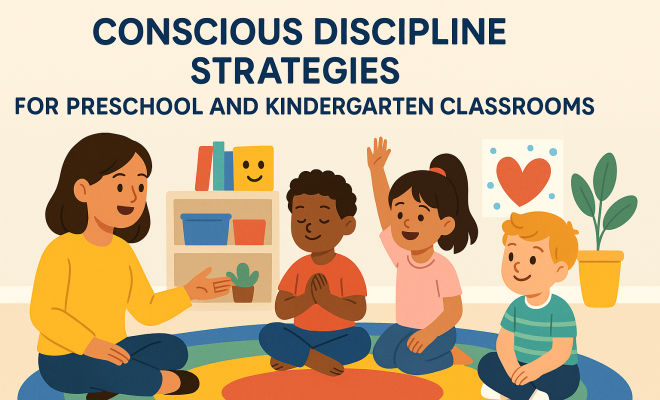
“`html
In recent years, education systems around the world have recognized the significance of social and emotional learning (SEL) in shaping young minds. Among the various approaches to SEL, conscious discipline strategies have gained traction, particularly in preschool and kindergarten classrooms. These strategies focus on creating a safe, supportive, and nurturing environment where children learn to manage their emotions, build relationships, and resolve conflicts effectively. This article delves deep into the world of conscious discipline strategies, exploring their origins, principles, and practical applications.
Understanding Conscious Discipline
Conscious Discipline is more than just a set of techniques; it’s a comprehensive, trauma-informed approach to social-emotional learning, discipline, and self-regulation. Developed by Dr. Becky Bailey in the 1990s, this approach stems from the understanding that children need to feel safe and connected to thrive socially and academically. At its core, conscious discipline integrates social-emotional learning with discipline, emphasizing that all behavior has a purpose and can be transformed through understanding.
Dr. Bailey’s work highlights that behavior is a reflection of emotional state. Thus, to address misbehavior, it’s essential to first understand what emotional needs are driving that behavior. This is key to fostering a classroom environment that promotes empathy, connection, and self-regulation among young learners.
The Four Components of Conscious Discipline
At the heart of conscious discipline strategies are four essential components: safety, connection, problem-solving, and self-regulation. Each component plays a crucial role in shaping how educators interact with students and how students learn to manage their emotions.
- Safety: The first step in any learning environment is creating a sense of safety. This involves physical safety, emotional safety, and psychological safety. Teachers must establish a classroom where students feel secure, respected, and valued.
- Connection: Building strong relationships between educators and students is vital. Connection fosters trust and encourages open communication. When children feel connected, they are more likely to engage in classroom activities positively.
- Problem-Solving: Rather than relying on traditional punitive measures, conscious discipline teaches children to approach conflicts and challenges with problem-solving skills. This empowers them to find resolutions collaboratively.
- Self-Regulation: Helping children learn to regulate their emotions is a cornerstone of conscious discipline. Strategies that promote self-regulation encourage children to identify their feelings and respond to them appropriately.
Key Conscious Discipline Strategies for Preschool and Kindergarten
Implementing conscious discipline strategies in preschool and kindergarten classrooms can lead to transformative changes in behavior and emotional well-being. Here are some key strategies educators can adopt:
1. The Safe Space
One of the first steps in conscious discipline is creating a designated “safe space” within the classroom. This area is a calming spot where children can go when they need a moment to regroup. It should be equipped with soothing items such as cushions, fidget toys, or books. Teaching children to recognize when they need to take a break and how to use the safe space helps them learn self-awareness and emotional regulation. In this setting, they can process their feelings and return to the group when they’re ready.
2. The Power of Choice
Giving young children a sense of control through choices is another effective strategy. In a conscious discipline framework, teachers can offer choices in small, everyday decisions, such as choosing a book for storytime or selecting an activity during free play. This empowers children and gives them a stake in their learning environment. It cultivates a sense of agency, reducing feelings of helplessness and frustration that can lead to behavioral issues.
3. Emotion Coaching
Emotion coaching involves helping children identify and articulate their feelings. When a child expresses anger, sadness, or frustration, teachers can model how to label these emotions. For example, instead of merely telling a child to stop crying, a teacher might say, “I see you’re feeling sad. It’s okay to feel that way. Let’s talk about it.” This not only validates the child’s feelings but also teaches them emotional vocabulary, which is essential for self-regulation.
4. The Connection Ritual
Building connection through rituals is a powerful aspect of conscious discipline. Creating daily connection rituals—like morning greetings, group hugs, or sharing something positive—fosters warmth and community within the classroom. These rituals help to establish strong bonds between students and teachers, laying the groundwork for a cohesive and supportive learning environment. When children feel connected, they are more likely to engage positively and demonstrate appropriate behavior.
5. Problem-Solving Circles
When conflicts arise, rather than imposing punitive measures, educators can facilitate problem-solving circles. In these circles, children are encouraged to share their feelings and perspectives regarding a conflict. They learn to listen to each other and collaboratively brainstorm solutions. This approach not only resolves the immediate issue but also empowers children with critical conflict-resolution skills they can carry into adulthood. (See: CDC on mental health in youth.)
6. Personal Reflection and Journaling
Incorporating personal reflection and journaling into the daily routine can help children process their emotions. Simple prompts related to feelings and experiences allow children to express themselves creatively. Journaling can serve as a tool for self-discovery, encouraging them to articulate their thoughts and feelings. Even in preschool settings, this practice can be adapted to suit developmental levels by using drawings or guided prompts.
7. Mindfulness and Breathing Techniques
Introducing mindfulness practices, even in simple forms, can significantly impact young children’s emotional regulation. Techniques such as deep breathing, guided imagery, or gentle yoga can help children learn to center themselves. For instance, taking a minute to breathe deeply together as a class can create a calm atmosphere and help children refocus, especially after high-energy activities. These practices not only help in the moment but also equip children with tools they can use throughout their lives.
Training Educators in Conscious Discipline
For conscious discipline strategies to be effective, it’s essential that educators receive proper training. Workshops and professional development sessions can introduce teachers to the principles of conscious discipline and how to implement them. Training should focus on practical applications, role-playing scenarios, and reflective practice to ensure that educators feel confident and competent in these strategies.
Moreover, ongoing support and collaboration among educators can foster a culture of shared learning. Establishing peer mentoring systems can help teachers discuss challenges and successes as they adopt conscious discipline strategies in their classrooms.
Current Relevance and Impact of Conscious Discipline
As we navigate a post-pandemic world, the relevance of conscious discipline strategies has become even more pronounced. Children returning to classrooms may struggle with heightened anxiety and emotional regulation due to the unprecedented challenges they faced. The trauma-informed approach of conscious discipline offers a framework for addressing these challenges, providing children with the support they need to heal and thrive.
Research indicates that classrooms implementing conscious discipline strategies report lower rates of behavioral issues and enhanced academic performance. A study conducted by the University of North Carolina found that schools using these strategies saw significant improvements in students’ social-emotional skills and classroom behavior. This underscores the importance of investing in conscious discipline as a proactive measure in education.
Building a Community Around Conscious Discipline
Implementing conscious discipline strategies does not fall solely on the shoulders of educators. Parents and caregivers play a vital role in reinforcing these principles at home. Schools can build stronger communities by involving parents in workshops and discussions about conscious discipline. Providing resources and strategies for families to use at home creates a unified approach that benefits children both in and out of the classroom.
Additionally, schools can foster community partnerships with mental health professionals, social workers, and community organizations to create a support network for children and families. Engaging with the wider community helps to reinforce the significance of emotional intelligence and social-emotional learning.
Real-Life Examples of Conscious Discipline in Action
Seeing conscious discipline strategies implemented in real classrooms can provide valuable insights for educators. One notable example is Oakwood School in North Carolina. After adopting conscious discipline strategies, the school reported a significant reduction in student conflicts and an improvement in overall student engagement. Teachers at Oakwood regularly utilize ‘calm corners’ and ‘connection rituals’ to help students navigate their emotions and foster a supportive learning environment.
Another example can be seen in a kindergarten classroom in California where the teacher implemented daily ‘feelings check-ins.’ Each morning, students would gather in a circle and share how they felt using visual aids like emotion cards. This practice not only helped children identify their emotions but also promoted a culture of empathy and understanding among classmates.
Statistics Highlighting the Effectiveness of Conscious Discipline
Quantitative data supports the positive impact of conscious discipline strategies. According to a study published in the journal ‘School Psychology Quarterly,’ schools that implemented conscious discipline strategies saw a 30% decrease in behavioral referrals. Teachers reported a 40% increase in student engagement and participation, underscoring the effectiveness of these strategies in improving classroom dynamics.
Furthermore, a survey conducted by the Collaborative for Academic, Social, and Emotional Learning (CASEL) indicated that schools utilizing conscious discipline showed a marked improvement in students’ emotional regulation skills—up to 50% over the course of a school year. These figures highlight the necessity of integrating social-emotional learning into education. (See: NIH on behavior and treatment.)
Expert Perspectives on Conscious Discipline
Experts in education and child psychology have widely praised conscious discipline as an effective method for fostering emotional intelligence in young learners. Dr. Daniel Goleman, a renowned psychologist and author of ‘Emotional Intelligence,’ emphasizes the importance of such strategies in early childhood education. He suggests that teaching children to understand their emotions not only aids in their personal development but also enhances their academic success.
Additionally, Dr. Linda Lantieri, a leading voice in social-emotional learning, believes that conscious discipline provides a framework for educators to cultivate a compassionate learning environment. She states, “When educators are equipped with the tools of conscious discipline, they create classrooms where children feel safe, valued, and understood—an essential foundation for learning.” Such endorsements from experts further validate the benefits of conscious discipline strategies.
FAQ About Conscious Discipline Strategies
What age group is conscious discipline suitable for?
Conscious discipline strategies are designed primarily for preschool and kindergarten-aged children but can be adapted for older students as well. They focus on emotional regulation and social-emotional learning, which are crucial skills at any age.
How can parents implement conscious discipline at home?
Parents can implement conscious discipline strategies by creating a supportive home environment that encourages open communication about feelings. Simple practices like regular family check-ins, emotion coaching, and establishing rituals can help reinforce these principles at home.
What resources are available for educators looking to learn more about conscious discipline?
There are numerous resources available, including books by Dr. Becky Bailey, online training courses, and workshops. Many schools also provide professional development in conscious discipline strategies as part of their educator training programs.
Are there any drawbacks to implementing conscious discipline?
While conscious discipline has many benefits, it may require a shift in mindset for some educators accustomed to traditional discipline methods. Some may initially find it challenging to adopt these strategies without adequate training and support. However, the long-term benefits often outweigh these challenges.
How does conscious discipline align with other educational frameworks?
Conscious discipline aligns well with other educational frameworks focused on social-emotional learning (SEL), positive behavior interventions and supports (PBIS), and trauma-informed practices. These approaches all emphasize creating supportive environments that promote emotional and social development in children.
Benefits of Implementing Conscious Discipline Strategies
Integrating conscious discipline into the early education framework carries numerous benefits that extend beyond immediate behavioral management. For one, it actively nurtures emotional intelligence, helping children recognize and manage their emotions from a young age. This emotional literacy sets the foundation for healthier interpersonal relationships both in and out of the classroom.
Additionally, classrooms that employ conscious discipline often see increased attendance rates. When children feel safe and connected, they are more eager to attend school. Studies show that attendance can improve by up to 15%, as students are less likely to avoid an environment where they feel understood and respected.
Another significant advantage is improved academic performance. Research from various schools demonstrates that when children are emotionally regulated and feel a sense of belonging, their cognitive functions are more enhanced, leading to better focus and retention of information. This translates into higher grades and a more positive attitude toward learning.
Challenges in Implementing Conscious Discipline
While there are many benefits to conscious discipline, it is also important to acknowledge some challenges that educators might face during implementation. One common challenge is resistance to change. Educators who are accustomed to traditional discipline methods may find it difficult to shift their mindset and adopt new approaches. To combat this, it’s essential to provide thorough training and ongoing support, allowing educators to gradually integrate these strategies into their teaching.
Another challenge is the need for consistent reinforcement. For conscious discipline strategies to be effective, they must be applied consistently across different settings—at home, in school, and even in extracurricular activities. This requires collaboration with parents and caregivers, who may need guidance on how to reinforce these strategies in daily life.
Lastly, educators may find it challenging to address the needs of children with diverse emotional and behavioral issues. Some students may require additional support or individualized strategies to effectively engage with conscious discipline practices. Having access to mental health professionals or counselors can be an invaluable resource in these situations.
Future Trends in Conscious Discipline
Looking ahead, the future of conscious discipline strategies appears promising. As more educators recognize the importance of social-emotional learning, we can expect an increase in demand for training programs and resources focused on these techniques. Schools may begin to prioritize conscious discipline in their curriculums, ensuring that future generations of educators are well-prepared to implement these strategies effectively.
Additionally, technological advancements are likely to play a role in the evolution of conscious discipline. Digital tools and apps can help educators track students’ emotional development and provide immediate feedback, making it easier to implement these strategies in real-time. For example, emotion-tracking apps could be utilized to allow students to express their feelings throughout the day, helping teachers to identify and address emotional needs promptly.
As we continue to learn more about the impact of trauma on children’s development, conscious discipline strategies will likely be adapted to address the ever-changing landscape of education. This might include a greater emphasis on cultural responsiveness and inclusivity, ensuring that all students feel seen and valued in the classroom.
Final Thoughts on Conscious Discipline Strategies
Incorporating conscious discipline strategies into early education settings is not just a trend; it’s a fundamental shift toward understanding and supporting the emotional needs of children. By creating safe, connected, and nurturing environments, educators empower children to develop critical life skills that will serve them well beyond their early years. The benefits of conscious discipline extend far beyond the classroom, fostering a generation of emotionally intelligent individuals who can navigate their feelings, build relationships, and contribute positively to society.
“`
Trending Now
- our breakdown of 3 steam projects that build a better tomorrow
- our breakdown of how semantic language disorders affect reading comprehension
- our breakdown of teaching syntax to elementary school students with language delays
- our breakdown of why fine motor skills matter for kindergarten readiness
- this guide on the role of hand-eye coordination in handwriting development
Frequently Asked Questions
What are conscious discipline strategies?
Conscious discipline strategies are approaches that integrate social-emotional learning with discipline to help children manage their emotions, build relationships, and resolve conflicts. Developed by Dr. Becky Bailey, these strategies focus on creating a safe and supportive environment for young learners, emphasizing the importance of understanding the emotional needs behind behaviors.
How does conscious discipline benefit preschool classrooms?
In preschool classrooms, conscious discipline enhances emotional safety and connection among children. By focusing on self-regulation and problem-solving, it helps young learners develop empathy and resilience, leading to improved social interactions and academic performance. This approach fosters a nurturing environment where children feel secure and supported.
What are the key components of conscious discipline?
The four key components of conscious discipline are safety, connection, problem-solving, and self-regulation. Each component is essential in shaping the interactions between educators and students, ensuring that children feel emotionally secure, connected to their peers, and equipped to manage their emotions effectively.
Who developed conscious discipline?
Conscious discipline was developed by Dr. Becky Bailey in the 1990s. Her approach is rooted in understanding that children need a safe and connected environment to thrive socially and academically, focusing on the emotional states that drive behavior to foster learning and self-regulation.
Why is social-emotional learning important in early education?
Social-emotional learning (SEL) is crucial in early education as it helps children develop essential skills such as emotional regulation, empathy, and conflict resolution. These skills are foundational for successful social interactions and academic achievement, making SEL a vital component of preschool and kindergarten curricula.
Agree or disagree? Drop a comment and tell us what you think.