Earth Braces for Impact: A Solar Storm Set to Ignite Auroras
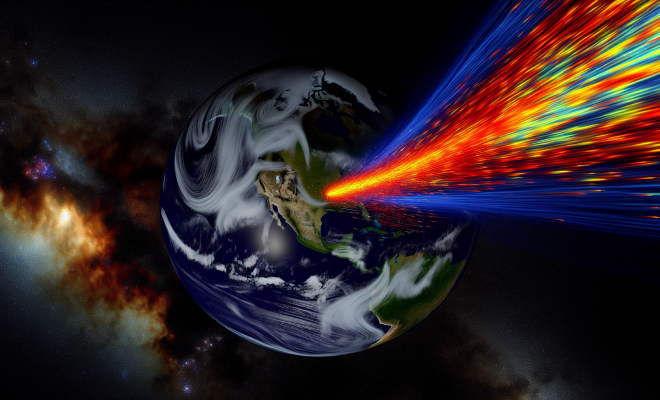
On March 13, 2026, a dramatic and powerful filament eruption on the solar surface marked the beginning of an Earth-directed solar storm. This event is not only significant for its intensity but also for the subsequent effects it is expected to have on our planet’s atmosphere and the stunning natural phenomena it may produce in the nights to come.
The Eruption and Its Aftermath
The filament eruption occurred on the Earth-facing side of the sun, releasing a burst of solar material that is expected to reach Earth between early and midday on March 19. This solar storm is accompanied by fast solar wind from a coronal hole, creating a stream interaction region (SIR) that will likely enhance the storm’s effects.
As these solar emissions travel through space, they are predicted to interact with the Earth’s magnetic field, leading to increased geomagnetic activity. This activity can result in vibrant auroras visible at higher latitudes—phenomena that many skywatchers and photographers eagerly anticipate.
What to Expect from the Solar Storm
The solar storm’s impact is expected to unfold in two phases:
- Arrival of the SIR: The fast solar wind from the coronal hole will reach Earth first, potentially triggering initial geomagnetic responses.
- Main Solar Storm Impact: Following the SIR, the main body of the solar storm, resulting from the filament eruption, will arrive, likely amplifying the geomagnetic disturbances.
Space weather experts are closely monitoring this event, advising those interested in capturing the auroras to stay alert to changing conditions. The first displays of auroras are expected to start appearing late on March 18, continuing into March 19 (UTC), providing an excellent opportunity for photographers and astronomy enthusiasts alike.
Auroras: Nature’s Light Show
Auroras, often referred to as the northern and southern lights (Aurora Borealis and Aurora Australis), occur when charged particles from the sun collide with gases in Earth’s atmosphere. This collision results in beautiful displays of light that can vary in color from greens and reds to purples and blues, depending on the type of gas and altitude of the interaction.
During solar storms, the intensity of these displays can increase dramatically, leading to sightings at lower latitudes than usual. The current solar storm, with its two-pronged approach, holds the promise of particularly impressive auroras, especially in regions closer to the poles.
Monitoring the Space Weather
For those hoping to witness this celestial spectacle, here are a few tips on how to prepare for optimal viewing:
- Check Space Weather Forecasts: Websites and apps dedicated to space weather provide real-time updates on solar activity and aurora forecasts.
- Find Dark Skies: Seek out locations away from city lights for the best visibility of the night sky.
- Stay Informed: Follow updates from space weather experts and organizations, such as the NOAA Space Weather Prediction Center, for alerts and predictions.
- Be Patient: Auroras can be fleeting; be prepared to wait and watch for periods of activity.
Significance of Solar Storms
Solar storms like the one expected on March 19 not only enchant observers but also serve as vital reminders of the sun’s influence on Earth. These events can have various impacts, including:
- Disruption of Satellite Operations: Increased geomagnetic activity can affect satellite signals and operations, leading to potential communication issues.
- Power Grid Vulnerabilities: Strong solar storms can induce currents in power lines, posing risks to electrical grids, particularly in higher latitude regions.
- High-Frequency Radio Communication Interference: Radio signals can be disrupted during solar storms, affecting aviation and maritime communications.
Understanding these impacts is essential for maintaining technological infrastructure and ensuring safety during periods of heightened solar activity.
Conclusion
The solar storm set to impact Earth on March 19, 2026, presents an exciting opportunity for both scientific observation and awe-inspiring natural beauty. As skywatchers prepare for this event, the combination of a filament eruption and fast solar wind promises to create stunning auroras and heightened geomagnetic activity. As we look to the skies, we are reminded of the dynamic and interconnected nature of our universe.