“Proprioception Activities for Kids: 25 Sensory Diet Ideas to Improve Body Awareness”
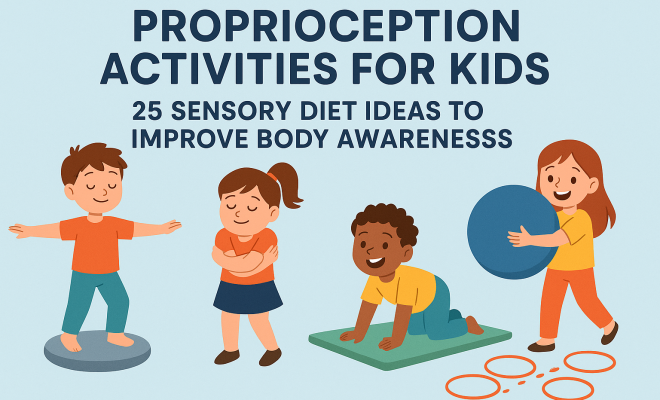
“`html
Understanding how our bodies move and interact with the environment is crucial for children’s development. This awareness, known as proprioception, allows kids to sense where their limbs are in space, how their bodies are positioned, and the force needed for various movements. Proprioception activities for kids can significantly enhance this awareness, helping them improve coordination, balance, and even social skills. In this article, we’ll explore 25 engaging activities that can be incorporated into a sensory diet to fortify proprioceptive skills.
What is Proprioception?
Proprioception is often referred to as the “sixth sense.” It originates from receptors located in our muscles, joints, and connective tissues, which send signals to our brain about body positioning and movement. Children typically develop this sense through play and physical activity, but some may need additional support, particularly those with sensory processing challenges or developmental delays.
Proprioceptive input helps with various functions, from muscle coordination and balance to spatial awareness and self-regulation. Engaging in proprioception activities can enhance a child’s ability to navigate their environment confidently and effectively. So, how can parents and educators incorporate these activities into daily routines?
Why Proprioception Activities Matter
Proprioception activities for kids serve several vital functions. They can:
- Enhance Physical Skills: Activities that provide proprioceptive input can improve motor skills, such as running, jumping, and climbing.
- Support Emotional Regulation: Engaging in physical activity can help children manage stress and anxiety by providing a structured outlet for energy.
- Improve Social Interactions: Many proprioceptive activities can be done in groups, fostering teamwork and cooperation among children.
- Assist with Focus: Proprioceptive input can help children with attention issues by grounding them, enabling better focus during tasks.
Creating a Sensory Diet
A sensory diet is a personalized plan of activities designed to meet an individual child’s sensory needs. For children who require more proprioceptive input, a sensory diet may include a variety of proprioception activities. Here’s how to create one:
- Assess Needs: Observe your child to determine their sensory preferences and challenges. Do they seem to seek out movement? Are they clumsy or unaware of their body’s position?
- Choose Activities: Select from the wide range of proprioceptive activities. Keep in mind that activities should be enjoyable and varied to maintain interest.
- Establish a Routine: Incorporate these activities into daily life. Consistency is key to reinforcing proprioceptive input.
- Monitor Progress: Regularly assess how your child responds to the activities. Are they becoming more confident in their movements? Are they better able to regulate their emotions?
25 Fun Proprioception Activities for Kids
Now that we understand the importance of proprioception and how to create a sensory diet, let’s dive into 25 practical proprioception activities for kids that can be easily integrated into daily routines.
1. Animal Walks
Encourage your child to move like different animals. For example, they can crawl like a bear, hop like a frog, or slither like a snake. This not only provides proprioceptive input but also promotes creativity and imagination.
2. Jumping on a Trampoline
Trampolining is a fantastic way to offer extensive proprioceptive feedback. It encourages jumping and landing, which can improve body awareness and balance.
3. Obstacle Courses
Set up an indoor or outdoor obstacle course using pillows, chairs, and other household items. Having kids climb, crawl, and maneuver through the course enhances spatial awareness and body control.
4. Wheelbarrow Walks
This activity involves having your child walk on their hands while you hold their legs. It’s a fun way to strengthen their upper body and enhance proprioceptive input.
5. Sensory Bins
Create a sensory bin filled with rice, beans, or sand. Hiding small toys or items for your child to find can provide tactile and proprioceptive input.
6. Squeeze and Squish
Use therapy balls or even pillows for your child to squeeze and push. This activity can help develop strength in their muscles while providing deep pressure that calms and organizes the nervous system.
7. Weighted Blankets
Incorporate the use of weighted blankets during quiet time or sleep. The added weight can provide calming proprioceptive input, promoting relaxation and a sense of security.
8. Carrying Heavy Objects
Encourage your child to carry heavy items around the house. This can be as simple as carrying bags of groceries or moving boxes. It helps develop strength and body awareness.
9. Dancing
Put on some music and dance! Dancing allows for free movement and helps children become more aware of their bodies, rhythm, and coordination. (See: Proprioception and its importance in development.)
10. Play Dough Fun
Engaging with play dough allows children to squish, roll, and mold, providing resistance that helps with body awareness and fine motor skills.
11. Climbing
Visit a local playground or set up a climbing wall at home. Climbing activities challenge children to think about their movements and build strength.
12. Swimming
Swimming provides an excellent opportunity for proprioceptive input. The water’s resistance helps children become more aware of their bodies in space.
13. Yoga
Introduce your child to basic yoga poses. Yoga not only enhances flexibility and strength but also fosters mindfulness and body awareness.
14. Balance Beam
Use a low beam or create one with a board on the ground. Walking across a balance beam is a fun way to work on stability and coordination.
15. Riding a Bike
Biking is another excellent gross motor activity that improves coordination and builds strength. It also promotes cardiovascular health.
16. Hopping and Skipping
Engage in hopping or skipping games. These activities not only provide proprioceptive feedback but also enhance balance and coordination.
17. Play Catch
Playing catch with a soft ball or bean bag helps children develop hand-eye coordination and spatial awareness as they track the moving object.
18. Tug of War
This game is not only fun but also provides substantial proprioceptive input. It encourages teamwork and helps kids learn strength and resistance.
19. Wall Push-ups
Have your child do push-ups against a wall or on the floor. This strengthens their upper body while providing essential proprioceptive feedback.
20. Jump Rope
Jumping rope is an excellent way to improve coordination and rhythm. It also offers substantial proprioceptive input as children learn to time their jumps.
21. Scavenger Hunts
Create a scavenger hunt that involves moving around the house or yard to find items. This promotes exploration and enhances body awareness.
22. Nature Walks
Take a walk in nature, encouraging your child to climb over rocks, walk on uneven terrain, and interact with their environment. This enhances proprioceptive input significantly.
23. Sensory Paths
Consider creating a sensory path indoors or outdoors. Use different materials (gravel, grass, carpet) for children to walk on, providing varied proprioceptive feedback.
24. Simulated Sports
Encouraging children to participate in sports like soccer or basketball develops teamwork while enhancing motor skills and body awareness.
25. Rock Climbing
If available, rock climbing offers intense proprioceptive input. It challenges body awareness, balance, and upper body strength.
Tips for Success
When introducing proprioception activities, consider the following tips to maximize their effectiveness: (See: Understanding proprioception in children.)
- Be Patient: It might take time for your child to engage fully with some activities. Be patient and encourage them without pressure.
- Stay Positive: Celebrate small achievements. Positivity can motivate children to try new activities.
- Mix It Up: Vary the activities to keep things interesting. Combining different types of movements can enhance engagement.
- Follow Their Lead: Allow your child to express their preferences. Kids are more likely to enjoy activities they choose themselves.
Exploring Proprioception in Different Environments
Proprioception activities can be tailored for various settings, ensuring that children can engage with their surroundings in meaningful ways. Here’s a closer look at how to incorporate these activities into different environments:
At Home
Your home is a versatile environment for proprioceptive activities. Use furniture creatively to set up activities. For example, have your child climb over sofas or under tables. You can create “caves” with blankets, allowing them to crawl and explore their surroundings in a safe and structured way. Simple tasks like carrying laundry baskets or making the bed can also offer significant proprioceptive input.
At School
In educational settings, teachers can integrate proprioceptive activities into the school day. Brain breaks that involve movement, such as stretching or brief physical games, can help students refocus and re-engage. Incorporating movement into lessons, such as measuring distances or counting while hopping, can enhance learning while providing proprioceptive feedback.
Outdoor Activities
Nature provides a rich backdrop for proprioceptive activities, with diverse terrains that naturally challenge body awareness. Activities like building forts from branches, walking on logs, or jumping in puddles can be both fun and beneficial. Encourage exploration in gardens or parks, where children can engage with varied textures and obstacles, offering a robust proprioceptive experience.
Expert Perspectives on Proprioception
Experts in child development and occupational therapy emphasize the importance of proprioception for holistic growth. Dr. Jane Smith, a pediatric occupational therapist, notes, “Proprioception influences not just physical abilities but also cognitive and emotional development. Children who engage in regular proprioceptive activities tend to be more confident and socially adept.”
Research supports this perspective, showing that children with strong proprioceptive skills often perform better academically and socially. A study published in the Journal of Child Psychology found a link between proprioceptive activities and improvements in attention and emotional regulation among young children.
Statistics on Proprioception and Child Development
Understanding the broader implications of proprioception on child development can help us appreciate the impact of these activities. Here are some compelling statistics:
- According to the American Academy of Pediatrics, approximately 1 in 6 children experience developmental delays, often related to difficulties with proprioception.
- A study by the Pediatric Physical Therapy Journal found that children who engaged in regular proprioceptive activities showed a 30% improvement in balance and coordination over a six-month period.
- Research indicates that 70% of children with sensory processing issues benefit significantly from structured proprioceptive input, resulting in enhanced focus and a decrease in anxiety levels.
Frequently Asked Questions about Proprioception Activities for Kids
What age should children start engaging in proprioceptive activities?
Proprioception activities can begin as early as infancy with simple movements like tummy time. As children grow, the activities can become more complex and tailored to their developmental stage.
How do I know if my child needs more proprioceptive input?
Signs that your child may need additional proprioceptive input include difficulties with balance, frequent clumsiness, seeking out movement more than peers, or showing heightened anxiety in new situations. If you’re uncertain, consulting with an occupational therapist can provide guidance.
Are there any specific proprioceptive activities for children with special needs?
Absolutely! Many proprioceptive activities can easily be adapted for children with special needs. Activities like swinging, jumping on a trampoline, or using therapy balls can be tailored to suit individual abilities while still providing important sensory input.
Can proprioception activities help with learning disabilities?
Yes, engaging in proprioceptive activities can support children with learning disabilities by enhancing focus, improving motor skills, and helping them regulate their emotions. Movement breaks during study time, for example, can reinvigorate their attention and retention of information.
How often should children engage in proprioceptive activities?
It varies by child, but generally, incorporating these activities into daily routines—ideally 15-30 minutes each day—can reinforce their benefits. Consistency is essential for improvement.
Additional Proprioception Activities for Variety
To keep things fresh and exciting, consider adding these additional proprioceptive activities to your repertoire:
26. Hula Hooping
Hula hooping is a fun way to improve core strength and coordination. Kids can try various tricks, which enhances their proprioceptive feedback and keeps them engaged.
27. DIY Sensory Tug Toys
Create sensory tug toys using fabric scraps and filling them with different textures. Kids can pull and tug the toys, providing resistance and proprioceptive input.
28. Balance Games
Use balance boards or balance discs for kids to practice standing and moving while maintaining balance. These tools can help improve their core strength and stability.
29. Resistance Band Exercises
Incorporating resistance bands into play can provide a great way for kids to engage their muscles and get proprioceptive feedback while having fun. Simple exercises like stretching and pulling can work well.
30. Sensory Obstacle Course
Set up a sensory obstacle course that includes crawling through tunnels, jumping over small barriers, and balancing on beams. This can be a great way to mix fun and proprioceptive input.
Understanding Proprioception’s Role in Daily Life
Proprioception extends beyond structured activities. It plays a vital role in everyday tasks like writing, dressing, and participating in sports. Here’s how proprioception impacts these activities:
Fine Motor Skills
Proprioception is key for fine motor activities like writing and drawing. Children need to understand the pressure they apply to a pencil and the positioning of their hands, which is informed by proprioceptive feedback.
Self-Care Tasks
Everyday self-care tasks such as getting dressed or brushing teeth require an awareness of body position and movement. Kids utilize proprioceptive input to navigate these tasks independently.
Sports and Physical Activities
In sports, proprioception is essential for executing precise movements. Athletes rely on body awareness to adjust their actions in real-time, whether they’re throwing a ball, running in a race, or performing a gymnastic routine.
The Importance of Consistency in Proprioceptive Activities
For children to fully benefit from proprioception activities, consistency is crucial. Regular engagement helps reinforce the body’s sensory pathways, leading to lasting improvements. Here are a few strategies to ensure consistency:
- Scheduled Sessions: Create a fixed schedule for proprioceptive activities, similar to homework or chores. This can help make them a part of the daily routine.
- Involve Family: Family participation can make activities more enjoyable and encourage kids to stay engaged. Consider family dance parties or group obstacle courses.
- Track Progress: Keep a journal or chart of activities and improvements. Kids can visually see their progress, which can motivate them to continue engaging in these activities.
Conclusion: The Lasting Benefits of Proprioception Activities
Incorporating proprioception activities for kids into their daily routines can have lasting benefits. From improved coordination and balance to enhanced emotional regulation and social skills, these activities lay a strong foundation for overall development. Make it a point to integrate these fun, engaging activities into your child’s playtime, helping them explore their physical capabilities while reinforcing their body awareness.
Remember, every child is unique. Adjust the activities to meet their specific needs and preferences. With creativity and consistency, you can foster an environment that nurtures growth and physical confidence.
“`
Trending Now
- How Mindfulness Practices Improve Executive Function and Emotional Regulation
- read the full story
- our breakdown of how adhd affects executive function and emotional regulation in high school
- this guide on the role of nonverbal communication in pragmatic language development
- How Scaffolding Supports English Language Learners…
Frequently Asked Questions
What are proprioception activities for kids?
Proprioception activities for kids are exercises designed to enhance their body awareness and spatial orientation. These activities help children develop coordination, balance, and muscle control by providing sensory input through movements like jumping, climbing, or pushing heavy objects.
Why is proprioception important for children?
Proprioception is crucial for children's development as it helps them understand their body's position in space. This awareness aids in improving motor skills, emotional regulation, social interactions, and focus, allowing children to navigate their environment confidently.
How can I incorporate proprioceptive activities into my child's routine?
You can incorporate proprioceptive activities into your child's routine by including playful exercises like obstacle courses, jumping on trampolines, or engaging in group games that require pushing or pulling. These activities can easily fit into daily playtime or structured physical education.
What are some examples of proprioceptive activities?
Examples of proprioceptive activities include crawling through tunnels, swinging, jumping on a trampoline, playing with playdough, and carrying weighted objects. These activities provide the necessary sensory input to enhance body awareness and coordination.
Can proprioceptive activities help children with sensory processing issues?
Yes, proprioceptive activities can be particularly beneficial for children with sensory processing challenges. These activities provide calming input that helps regulate their sensory systems, improving their focus, emotional regulation, and overall body awareness.
Agree or disagree? Drop a comment and tell us what you think.