Empowering ELLs: Scaffolding Strategies in Elementary School
“`html
In today’s diverse educational landscape, scaffolding for English language learners (ELLs) has emerged as a vital strategy for enhancing learning outcomes. As classrooms become increasingly multicultural, with students from various linguistic backgrounds, teachers face the challenge of accommodating different learning needs. Understanding how scaffolding supports ELLs in elementary schools can transform the educational experience for these children, helping them thrive both academically and socially.
Understanding Scaffolding
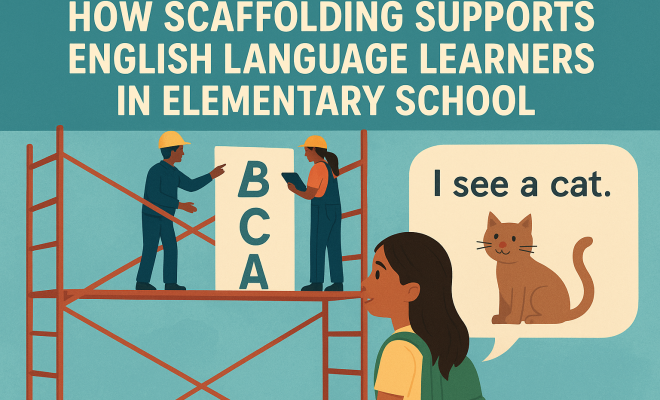
Scaffolding is a teaching method that provides temporary support to students as they work to achieve higher levels of understanding and independence. The term, originally coined in the context of construction, mirrors the educational process where a temporary structure aids in the learning journey. In essence, scaffolding breaks down complex concepts into manageable parts, allowing students to grasp foundational skills before moving on to more challenging material.
For ELLs, this approach is particularly crucial. Many of these learners face the dual challenge of mastering academic content while also acquiring proficiency in English. Effective scaffolding strategies can help bridge this gap, providing ELLs with the necessary tools to succeed.
Why Scaffolding is Essential for English Language Learners
ELLs often arrive in classrooms with varying levels of English proficiency. Some may be fluent in their native language but struggle with English, while others may have limited literacy skills in any language. This diversity necessitates tailored teaching approaches to ensure that all students can access the curriculum.
Research indicates that when teachers employ scaffolding techniques, ELLs can better access and engage with complex materials. A study by Gibbons (2002) highlights that students who received scaffolding support exhibited higher levels of engagement and comprehension compared to those who did not. This is especially important in elementary education, where foundational skills are established, impacting long-term academic success.
Key Scaffolding Strategies for ELLs
Implementing effective scaffolding requires a repertoire of strategies tailored to the unique needs of ELLs. Here are some proven techniques:
- Modeling: Teachers illustrate a concept or skill by performing it themselves. For instance, demonstrating how to solve a math problem while verbalizing the steps can clarify the process for ELLs.
- Visual Aids: Incorporating images, charts, and diagrams can help ELLs better understand the context and vocabulary associated with new concepts.
- Collaborative Learning: Pairing ELLs with more proficient English speakers fosters peer support. This encourages language use in a natural context and promotes social interaction.
- Sentence Frames: Providing structured templates for responses helps ELLs formulate their thoughts in English, reducing language anxiety.
- Graphic Organizers: Tools like mind maps or Venn diagrams can help ELLs organize their thoughts and visualize relationships between concepts.
By incorporating these strategies, teachers can create a supportive learning environment that promotes language acquisition and content mastery.
The Role of Teachers in Scaffolding
Teachers play a pivotal role in the successful implementation of scaffolding strategies. Their understanding of students’ individual needs and proficiency levels is crucial in determining the type and extent of support required.
Effective teachers continuously assess their students, using formative assessments to gauge understanding and adjust their scaffolding methods accordingly. For example, if an ELL is struggling with vocabulary, a teacher might provide extra visual aids or context-specific examples to reinforce learning.
Additionally, professional development opportunities focused on scaffolding techniques can empower teachers with the latest research and strategies tailored for ELLs. Schools should prioritize training that hones teachers’ skills in scaffolding, equipping them to meet the diverse needs of their students.
Creating an Inclusive Classroom Environment
Scaffolding is more effective when embedded in a broader approach to inclusivity. An inclusive classroom acknowledges and celebrates diversity, creating a safe space for all learners. (See: Understanding English Language Learners.)
Teachers can foster inclusivity by incorporating multicultural literature and resources that reflect the backgrounds of their ELLs. This not only validates students’ experiences but also enhances engagement. Moreover, establishing classroom norms that promote respect and collaboration among students encourages a supportive atmosphere where ELLs feel valued and motivated to participate.
Challenges in Implementing Scaffolding
While the benefits of scaffolding for English language learners are clear, several challenges can hinder its implementation. One significant obstacle is the varying levels of language proficiency among ELLs. Teachers often find it difficult to cater to the diverse needs of students within a single classroom.
Time constraints also pose a challenge. Balancing the curriculum demands with the need to provide individualized support can be a daunting task for educators. Many teachers report feeling overwhelmed by the additional preparation required to implement effective scaffolding strategies.
Furthermore, a lack of resources or administrative support can limit teachers’ ability to provide adequate scaffolding. Schools must prioritize investments in resources and professional development to equip educators with the tools necessary for supporting ELLs effectively.
Measuring the Impact of Scaffolding
The effectiveness of scaffolding for English language learners can be gauged through various metrics. Standardized test scores, classroom participation, and student feedback all provide insights into the impact of scaffolding strategies.
Qualitative assessments, such as observations and student reflections, can also reveal how well ELLs are grasping content and engaging with the material. For example, a teacher might note improvements in an ELL’s ability to articulate ideas during group discussions or written assignments, indicating that the scaffolding provided was effective.
Moreover, longitudinal studies focusing on ELLs who received scaffolding support compared to those who did not can shed light on the long-term benefits of these strategies. Understanding the academic trajectories of these students can inform future teaching practices and policy decisions.
Current Trends in Scaffolding for English Language Learners
As education evolves, so too do the methods for supporting language learners. Current trends emphasize the integration of technology in scaffolding practices. Digital tools such as interactive whiteboards, educational apps, and online collaborative platforms can enhance the scaffolding process by providing immediate feedback and interactive learning experiences.
Additionally, culturally responsive teaching has gained traction, recognizing the importance of students’ cultural backgrounds in the learning process. Teachers are encouraged to incorporate culturally relevant materials and practices that resonate with their students, making the learning experience more relatable and impactful.
Moreover, the rise of social-emotional learning (SEL) frameworks has highlighted the connection between emotional well-being and academic success. Implementing scaffolding strategies that also focus on building confidence and reducing anxiety for ELLs is becoming increasingly recognized as essential.
Strategies to Support Scaffolding Implementation
Implementing scaffolding effectively requires strategic planning and support. Here are several approaches teachers and schools can consider:
- Professional Learning Communities: Creating groups where teachers can share experiences and strategies related to scaffolding can enhance collective knowledge and improve teaching practices.
- Peer Coaching: Partnering less experienced teachers with mentors can provide practical, on-the-job learning opportunities that lead to improved scaffolding techniques.
- Resource Sharing: Facilitating access to a bank of resources, including lesson plans, materials, and toolkits specifically designed for scaffolding ELLs, can help streamline implementation.
- Parental Involvement: Engaging families in the scaffolding process can provide additional support for ELLs outside the classroom, reinforcing learning through home activities and discussions.
Case Studies: Successful Scaffolding Practices
To further understand the impact of scaffolding for English language learners, examining real-world case studies illustrates successful practices: (See: Resources for English Learners.)
- Case Study 1: Riverside Elementary School implemented a dual-language program that used scaffolding techniques to support ELLs. Teachers incorporated bilingual materials and utilized cooperative learning strategies. Over a two-year period, ELLs demonstrated significant improvements in both English fluency and academic performance, surpassing their peers in standardized exams.
- Case Study 2: Maplewood High School integrated technology by using language learning apps that provided personalized scaffolding based on each student’s proficiency. Teachers reported increased engagement and higher completion rates for assignments among ELLs, with many students expressing feeling more confident in their language use.
Expert Perspectives on Scaffolding for ELLs
Insights from educators and researchers shed light on effective scaffolding practices:
Dr. Maria Gonzalez, an expert in language acquisition, emphasizes that “scaffolding should not be a one-size-fits-all approach. It’s about understanding your students’ unique backgrounds, challenges, and strengths, then tailoring your methods accordingly.”
According to educational psychologist Dr. James Kim, “the key is to ensure that scaffolding is gradual and responsive. Teachers should frequently assess and adjust their support to prevent ELLs from feeling overwhelmed.”
Common Misconceptions About Scaffolding
Even with the recognized importance of scaffolding, several misconceptions can lead to ineffective practices:
- It’s Only for Beginners: Many educators believe scaffolding is only necessary for new learners. In reality, all students, regardless of proficiency level, benefit from these supportive strategies as they encounter new concepts.
- Scaffolding Slows Down Learning: Some worry that providing extra support might hinder progress. However, effective scaffolding actually accelerates learning by allowing students to tackle complex material without becoming frustrated.
- Once a Student Learns, Scaffolding is No Longer Needed: Scaffolding is a dynamic practice. As students progress, the type and level of support must evolve, ensuring that they continue to grow in their language proficiency and academic skills.
Frequently Asked Questions (FAQ)
What is the primary goal of scaffolding for English language learners?
The main goal is to provide tailored support that enables ELLs to understand and engage with academic content while simultaneously improving their English language skills.
How can teachers assess the effectiveness of their scaffolding strategies?
Teachers can assess effectiveness through a mix of quantitative data (like test scores) and qualitative data (like student feedback and observational notes). Regular check-ins and formative assessments can help adjust scaffolding as needed.
Can scaffolding be used in subjects other than language arts?
Absolutely! Scaffolding is effective in all subject areas, including math, science, and social studies. It helps break down complex concepts and supports learning across the curriculum.
Are there online resources available for teachers to learn more about scaffolding?
Yes, many educational websites, forums, and teacher resource platforms offer webinars, articles, and toolkits focused on scaffolding strategies specifically for ELLs.
How can parents support scaffolding at home?
Parents can reinforce what their children learn in school by engaging in conversations about school topics, reading together, and encouraging the use of English in everyday situations. Providing a supportive environment for learning can significantly boost a child’s confidence and skills.
Best Practices for Scaffolding ELLs
Implementing scaffolding techniques effectively involves adopting best practices that can lead to the successful engagement of ELLs in the learning process. (See: Scaffolding and English Language Learning.)
- Start with Assessments: Knowing where your students are at is critical. Use diagnostic assessments to tailor the scaffolding process. This ensures that the support you provide is neither too easy nor too challenging for each student.
- Integrate Language and Content: Instead of treating language learning and content learning as separate entities, integrate them. For instance, in a science lesson, introduce important vocabulary in context, so ELLs see how language functions within the subject matter.
- Encourage Questioning: Teach students how to ask questions. This not only aids in comprehension but also encourages them to engage with the material more deeply. Use think-pair-share strategies where students can formulate questions and discuss them with peers.
- Use Checklists and Rubrics: Providing clear expectations through checklists or rubrics can help ELLs understand what is required of them. This clarity can reduce anxiety and increase their engagement in tasks.
Scaffolding Across Different Age Groups
Scaffolding strategies can vary significantly depending on the age of the learners. Understanding these variations is essential for effective implementation.
Early Childhood Education
In early childhood settings, scaffolding often involves a lot of play-based learning. Teachers can use storytelling with props to engage younger ELLs, allowing them to connect with language through visual and tactile experiences. Simple, repetitive phrases, songs, and rhymes can also enhance vocabulary acquisition.
Middle School
For older ELLs, scaffolding might involve more structured approaches like project-based learning. Assigning group projects that require research can motivate students to use English in a meaningful context. Strategies like peer review can help students refine their language skills while learning content.
High School
High school ELLs often need higher-level critical thinking skills. Scaffolding for these students might include advanced graphic organizers to analyze texts or debates that require them to articulate their thoughts clearly and defend their viewpoints, further enhancing both language skills and content knowledge.
Community and Cultural Considerations
Understanding the community and cultural backgrounds of ELLs can significantly enhance the effectiveness of scaffolding. Here are some considerations:
- Incorporate Cultural Context: When planning lessons, bring in examples and references that reflect the cultures of your ELLs. This not only makes content more relatable but also fosters a sense of belonging.
- Celebrate Multilingualism: Encourage students to share their native languages and cultures in the classroom. This not only enriches the learning environment but also validates the linguistic identities of ELLs.
- Engage with Families: Establish connections with families, which can provide valuable insights into students’ backgrounds and how they can best be supported in the classroom. Organizing family nights or workshops can create a stronger school-home connection.
Conclusion: The Future of Scaffolding for ELLs
The future of education for English language learners depends on effective scaffolding strategies that are responsive to their unique needs. As classrooms become more diverse, the necessity for adaptable and inclusive teaching practices will only grow.
Educators must continue to explore innovative scaffolding techniques, leverage technology, and prioritize inclusivity in their classrooms. By doing so, they will not only enhance the academic success of ELLs but also foster a sense of belonging and confidence that can last a lifetime.
“`
Trending Now
Frequently Asked Questions
What is scaffolding in education?
Scaffolding in education refers to a teaching method that provides temporary support to students as they work towards higher levels of understanding and independence. It involves breaking down complex concepts into manageable parts, allowing students to grasp foundational skills before advancing to more challenging material.
Why is scaffolding important for English language learners?
Scaffolding is crucial for English language learners (ELLs) because it helps bridge the gap between mastering academic content and acquiring English proficiency. Tailored scaffolding strategies enable ELLs to access the curriculum effectively, enhancing their engagement and comprehension in diverse classroom settings.
How can teachers support English language learners?
Teachers can support English language learners by implementing scaffolding techniques that cater to varying levels of English proficiency. This includes breaking down lessons into smaller, understandable parts, using visual aids, and providing opportunities for collaborative learning, which helps ELLs engage with complex materials.
What are effective scaffolding strategies for ELLs?
Effective scaffolding strategies for English language learners include using graphic organizers, providing sentence starters, integrating visuals and multimedia, and encouraging peer collaboration. These methods help ELLs better understand content and improve their language skills simultaneously.
How does scaffolding improve student engagement?
Scaffolding improves student engagement by making learning more accessible and manageable. When students receive appropriate support, they are more likely to participate actively and comprehend the material, leading to higher levels of engagement and academic success, particularly among English language learners.
Agree or disagree? Drop a comment and tell us what you think.