Dyscalculia’s Impact: Beyond Math Class to Daily Life Skills
“`html
Understanding Dyscalculia: A Brief Overview
Dyscalculia, often referred to as math dyslexia, is a specific learning disability that affects an individual’s ability to understand numbers and perform mathematical tasks. Unlike general difficulties in learning, dyscalculia specifically hinders numerical processing, leading to challenges that extend far beyond the classroom. As many as 5-7% of the population may experience some form of dyscalculia, making it a significant issue in educational settings and daily life.
The condition manifests differently from person to person. While some may struggle with basic arithmetic, others might have trouble with understanding concepts like time, money management, or spatial awareness. This diversity in symptoms means that dyscalculia can create a unique set of challenges in daily life skills, impacting everything from shopping to time management.
The Connection Between Dyscalculia and Daily Life Skills
Dyscalculia doesn’t just create hurdles in a math class; it influences a wide range of daily life skills. For individuals with dyscalculia, everyday tasks that require numerical comprehension can feel daunting. From budgeting monthly expenses to cooking with precise measurements, the skills affected can have profound implications on independence and self-sufficiency.
Daily life skills such as shopping, planning activities, and navigating public transportation can become overwhelming challenges for those who struggle with numbers. Understanding this connection is vital for educators, caregivers, and individuals themselves to create supportive environments that foster growth and confidence.
Specific Challenges in Daily Life Due to Dyscalculia
People with dyscalculia face distinctive challenges in various daily activities:
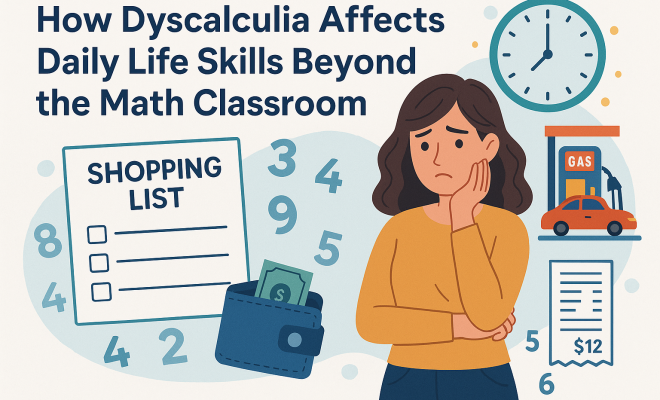
- Shopping: Price comparisons, calculating totals, and handling change can be difficult, leading to anxiety and potential overspending.
- Time Management: Understanding schedules, estimating durations, or calculating time until deadlines can be problematic.
- Cooking: Recipes often require precise measurements and timing, which can be a source of frustration if one struggles with numerical concepts.
- Planning and Organization: Individuals may find it hard to organize their day and allocate time for tasks, which can leave them feeling overwhelmed.
- Money Management: Keeping track of finances, budgeting, and understanding interest rates can be incredibly challenging without a solid grasp of mathematical principles.
Practical Insights: Strategies to Overcome Challenges
While dyscalculia presents numerous challenges, there are practical strategies that individuals and educators can employ to mitigate its impact on daily life skills. Here are some actionable tips:
- Use Visual Aids: Employing charts, graphs, or visual representations can help make numerical concepts more tangible.
- Technology Integration: Apps and tools designed for individuals with learning disabilities can assist with calculations, scheduling, and budgeting.
- Hands-on Learning: Engaging in real-world math activities, such as grocery shopping or cooking, can provide practical experience in a low-pressure environment.
- Chunking Information: Breaking tasks into smaller, manageable parts can make overwhelming tasks feel less daunting.
- Consistent Practice: Regular, low-stakes practice with numbers can help reinforce skills over time.
The Role of Educators and Family Support
Support from educators and family members is crucial for individuals with dyscalculia. Teachers can implement inclusive teaching strategies that accommodate different learning styles. For example, they can create a classroom environment that allows for flexibility in demonstrating understanding, using more than just traditional tests.
At home, family members can provide a supportive atmosphere by understanding the unique challenges their loved one faces. Encouraging open discussions about difficulties and offering to practice skills together can boost confidence and competence. Simple activities, like counting change at a store or setting a timer for activities, can enhance learning during everyday situations.
Current Relevance: The Impact of Technology
In the digital age, technology plays an increasingly significant role in supporting those with dyscalculia. Educational apps and online resources offer innovative ways to practice math skills and build confidence. Many of these tools focus on interactive learning, using games and engaging activities to reinforce concepts without the pressure of traditional assessments. (See: Learning disabilities overview.)
For instance, apps like Prodigy Math and Mathway tailor math problems to individual skill levels, providing immediate feedback and support. This kind of personalized learning experience can help individuals with dyscalculia feel successful and motivated, allowing them to develop their daily life skills in a way that feels less intimidating.
Perspectives from Experts: Understanding Dyscalculia
Experts in the field of education and psychology stress the importance of early identification and intervention for dyscalculia. According to Dr. Martha Bridge Denckla, a prominent researcher in learning disabilities, “Early recognition can significantly improve the trajectory of a child’s education and life.” Interventions that focus not only on math skills but also on building self-esteem and coping strategies can make a lasting difference.
Moreover, Dr. David J. Chard, an advocate for inclusive education, emphasizes that “Dyscalculia is not just about math; it’s about the overall learning experience.” He advocates for a comprehensive approach that includes teaching daily life skills alongside academic skills, ensuring that individuals with dyscalculia can thrive in all aspects of life.
Real-Life Stories: Overcoming Dyscalculia
To illustrate the impact of dyscalculia on daily life skills, consider the story of Sarah, a 28-year-old graphic designer who has struggled with dyscalculia since childhood. Growing up, Sarah found it challenging to manage her finances and often relied on her parents for help. After recognizing her struggles, Sarah sought out support and learned to use budgeting apps that simplified her financial tracking.
Today, Sarah confidently manages her own finances using a combination of technology and visual aids. She shares her experience with others facing similar challenges, proving that with the right tools and support, it’s possible to overcome the limitations imposed by dyscalculia.
Innovative Teaching Approaches: Addressing Dyscalculia in the Classroom
In addition to family and personal strategies, educators play a pivotal role in supporting students with dyscalculia. Innovative teaching approaches can greatly enhance understanding and retention of mathematical concepts. For example, incorporating games that focus on mathematical skills can make learning enjoyable and less intimidating.
Studies have shown that game-based learning can significantly improve engagement and outcomes for students with learning disabilities. A report from the International Society for Technology in Education (ISTE) indicates that students who participate in game-based learning environments show higher achievement levels and improved attitudes toward math. This suggests that integrating playful elements into math instruction can be particularly beneficial for those with dyscalculia.
Statistics and Research: The Broader Impact of Dyscalculia
The prevalence of dyscalculia and its impact on daily life is backed by substantial research. A study conducted by the National Center for Learning Disabilities found that students with dyscalculia are more likely to struggle academically and socially compared to their peers. Alarmingly, 33% of students with dyscalculia reported feeling socially isolated, indicating a need for both academic support and social-emotional learning interventions.
Furthermore, research indicates that early intervention can alter the trajectory of a child’s educational experience. According to a study published in the Journal of Educational Psychology, students who received targeted support in early grades showed significant improvements in math skills and overall confidence by the time they reached middle school.
Comparative Analysis: Dyscalculia vs. Other Learning Disabilities
Dyscalculia is often compared to other learning disabilities, such as dyslexia and ADHD, but it has unique characteristics that affect daily life skills. While dyslexia primarily impacts reading and language processing, dyscalculia specifically targets mathematical understanding. (See: CDC on learning disabilities.)
For example, individuals with dyslexia may struggle with phonetic awareness and decoding words, which affects their reading comprehension. In contrast, those with dyscalculia may have an excellent command of language but find themselves grappling with basic numerical concepts. Recognizing these differences is essential for tailoring educational strategies and interventions to meet the specific needs of each learning disability.
Frequently Asked Questions (FAQs)
What is dyscalculia?
Dyscalculia is a specific learning disability that affects an individual’s ability to process numerical information and perform mathematical tasks. It can lead to difficulties in understanding basic arithmetic, managing finances, and even comprehending time.
How can I identify if someone has dyscalculia?
Signs of dyscalculia can vary, but common indicators include difficulty with basic math concepts, challenges in managing money, poor sense of direction, and anxiety related to math tasks. If you suspect dyscalculia, it’s best to consult a qualified professional for an assessment.
Can dyscalculia be cured?
There is no cure for dyscalculia, but with the right interventions, individuals can learn strategies to manage their challenges effectively. Early intervention and tailored educational support can make a significant difference in an individual’s ability to function independently.
What role does technology play in helping those with dyscalculia?
Technology plays a crucial role in supporting individuals with dyscalculia. Educational apps and software can provide interactive learning experiences that cater to individual needs, helping users practice and build confidence in math skills without the pressure of traditional assessments.
How can parents support a child with dyscalculia?
Parents can support their children by fostering a positive attitude toward math, using everyday situations to practice numerical skills, and providing access to supportive resources such as tutoring or educational apps. Encouraging open communication about challenges can also help children feel understood and supported.
Additional Strategies for Daily Life Skills
Beyond the previously mentioned strategies, there are additional approaches that can help individuals with dyscalculia enhance their daily life skills:
- Modeling Behavior: Family members can model how to handle money during shopping trips or how to plan a schedule, providing a visual reference for individuals with dyscalculia.
- Utilizing Games: Board games and card games that involve numbers can make learning fun while improving numerical understanding through casual play.
- Creating a Routine: Establishing a daily routine can help individuals anticipate and prepare for tasks that require numerical skills, reducing anxiety.
- Incorporating Everyday Math: Encourage individuals to use math in daily activities, such as estimating total costs while grocery shopping or calculating time spent on activities to help reinforce their skills.
Understanding the Emotional Impact of Dyscalculia
The emotional ramifications of dyscalculia can often go unnoticed. Many individuals experience frustration, anxiety, or low self-esteem due to their struggles with mathematics. This emotional impact can spill over into other areas of life, affecting social interactions and overall well-being. It’s important to recognize these feelings and provide a supportive atmosphere where individuals can express their challenges without fear of judgment. (See: NIH treatment for learning disabilities.)
Creating a safe space for discussions about their experiences can help alleviate some of the emotional burdens. Encouraging self-advocacy and providing affirmation for efforts made can boost confidence and foster resilience.
Workplace Considerations for Adults with Dyscalculia
Transitioning into the workplace can present unique challenges for adults with dyscalculia. Many jobs require some level of numerical competency, which can be daunting. Employers can play a vital role in facilitating an inclusive environment for employees with dyscalculia. Here are some considerations:
- Flexible Job Roles: Employers can offer roles that focus on an individual’s strengths rather than weaknesses. For example, those with dyscalculia may excel in creative or communicative roles that do not heavily rely on math.
- Assistive Technology: Companies can provide access to technology and tools that assist with calculations and scheduling, enabling employees to perform their tasks more effectively.
- Training and Development: Offering training sessions that include dyscalculia sensitivity can help create a more understanding workplace and promote team cohesion.
Advocacy and Awareness: The Need for Change
Advocacy plays a crucial role in ensuring that individuals with dyscalculia receive the necessary support. Raising awareness about the challenges faced by those with dyscalculia is essential for fostering understanding in educational settings, workplaces, and communities. Organizations dedicated to learning disabilities can be instrumental in promoting resources, training, and outreach efforts.
Individuals can become advocates by sharing their own experiences, participating in community events, and engaging in conversations about dyscalculia. This can help dismantle stigma and promote more inclusive approaches in various spheres of life.
Wrapping Up: The Path Forward
Understanding how dyscalculia affects daily life skills is essential for fostering an inclusive environment for those who struggle with this learning disability. By acknowledging the challenges and implementing supportive strategies, we can empower individuals with dyscalculia to lead fulfilling and independent lives.
As more awareness grows around dyscalculia and its implications, it’s vital for educators, families, and communities to work together to create an environment where individuals can thrive. With continued support, understanding, and the integration of technology, those with dyscalculia can master the daily life skills that many take for granted.
“`
Trending Now
Frequently Asked Questions
What is dyscalculia and how does it affect daily life?
Dyscalculia is a specific learning disability that impairs an individual's ability to understand numbers and perform mathematical tasks. It affects daily life by making tasks like budgeting, shopping, and time management challenging, which can impact one's independence and self-sufficiency.
How does dyscalculia influence everyday tasks?
Individuals with dyscalculia face difficulties in everyday tasks that require numerical comprehension. This includes challenges with price comparisons while shopping, managing time, and understanding measurements in cooking, which can lead to anxiety and frustration.
What are common symptoms of dyscalculia?
Common symptoms of dyscalculia include struggles with basic arithmetic, difficulty understanding time concepts, challenges in money management, and problems with spatial awareness. These symptoms can vary significantly from person to person.
Can dyscalculia affect money management skills?
Yes, dyscalculia can significantly impact money management skills. Individuals may find it difficult to budget, calculate expenses, or handle change, which can lead to overspending and financial stress.
What support can individuals with dyscalculia receive?
Support for individuals with dyscalculia can include specialized tutoring, the use of assistive technology, and creating structured environments that foster confidence. Educators and caregivers play a crucial role in providing understanding and tailored strategies.
Agree or disagree? Drop a comment and tell us what you think.