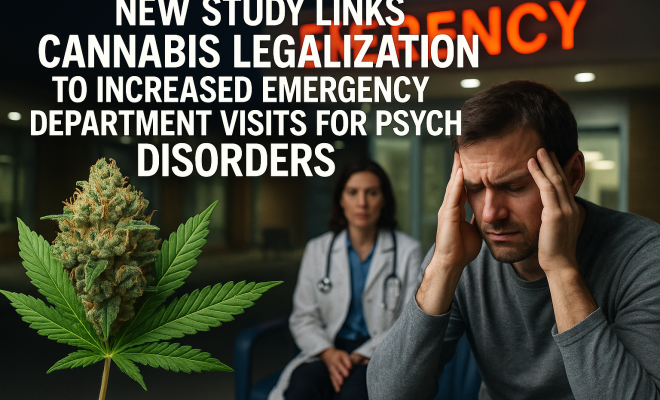
New Study Links Cannabis Legalization to Increased Emergency Department Visits for Psychotic Disorders
“`html
The ongoing conversation around cannabis legalization mental health is taking on new dimensions as recent research highlights an intriguing, yet concerning relationship between the rapid expansion of recreational cannabis legalization and the mental health of individuals, particularly those with psychotic disorders. As more states in the USA embrace cannabis commercialization, the implications for public health and emergency care usage are becoming increasingly scrutinized. This article seeks to unravel the findings of a recent study published in Nature, which sheds light on how cannabis policy changes may be influencing acute healthcare needs among individuals diagnosed with psychotic disorders and their counterparts.
Understanding the Context of Cannabis Legalization
The legalization of cannabis in various states across the USA has been met with a mix of enthusiasm and skepticism. Advocates herald the benefits of recreational use, touting potential therapeutic effects, while critics raise alarms about possible negative health outcomes, particularly concerning mental health. As of now, over 18 states have legalized cannabis for recreational use, opening the floodgates for commercialization and increases in cannabis consumption. The debate over cannabis legalization is not merely a question of legality but is intricately tied to public health, especially concerning mental health conditions such as psychosis.
The Study: A Closer Look at Emergency Department Use
According to the Nature study, researchers carefully analyzed emergency department (ED) visits pre- and post-cannabis legalization. The focus was on individuals with and without psychotic disorders to assess whether the changing cannabis landscape had introduced any significant differences in healthcare utilization. The researchers found that while cannabis use increased post-legalization, so did emergency department visits, particularly among those with psychotic disorders. This correlation raises important questions about the unintended consequences of cannabis commercialization.
Key Findings: Implications for Mental Health
The data revealed a troubling trend: individuals with psychotic disorders were significantly more likely to use emergency departments for acute issues following the legalization of cannabis. While some may argue that this could be attributed to increased availability, the study suggests that the nature of cannabis consumption and its effects on mental health cannot be overlooked. Some individuals may have used cannabis to self-medicate, potentially exacerbating underlying conditions or triggering acute episodes of psychosis.
Defining Psychotic Disorders and Their Impact
Psychotic disorders encompass a range of mental health conditions that affect an individual’s perception of reality. Schizophrenia, delusional disorder, and brief psychotic disorder are among the most common. These conditions can lead to severe impairment in daily functioning and are often marked by symptoms such as hallucinations, delusions, and disorganized thinking. Understanding the experiences of individuals with psychotic disorders is crucial, as their vulnerabilities may place them at greater risk of adverse effects from cannabis consumption.
Cannabis: A Double-Edged Sword?
Cannabis is often portrayed as a natural alternative for coping with mental health issues, and many individuals endorse its use for alleviating anxiety and enhancing mood. However, the relationship between cannabis and mental health is complex. While some studies suggest potential therapeutic benefits, others indicate that high-THC cannabis can be linked to heightened anxiety and psychosis, especially in susceptible individuals. The Nature study underscores this complexity, illustrating that cannabis legalization may lead to unintended mental health repercussions, particularly for those already grappling with disorders.
The Role of Cannabis Strains and Usage Patterns
Not all cannabis strains are created equal. Variations in THC and CBD levels significantly influence the substance’s effects on mental health. High-THC strains may contribute to anxiety and paranoia, especially among inexperienced users or those with a history of mental illness. On the other hand, CBD-dominant strains are frequently praised for their potential calming effects. The Nature study highlights the necessity for individuals with psychotic disorders to be cautious about their cannabis choices, as certain strains may exacerbate their conditions. (See: study published in Nature.)
Addressing Public Health Concerns
As the legalization of cannabis continues to spread, it becomes increasingly important to address public health concerns. Policymakers need to consider the mental health implications of cannabis commercialization as they craft regulations. Education initiatives aimed at informing individuals about the risks associated with cannabis use — particularly concerning mental health — are essential. Furthermore, mental health resources should be readily available to those who may experience adverse effects due to increased cannabis use.
Future Research Directions
The findings from the Nature study provide a foundation for further research into the interaction between cannabis legalization and mental health. Future studies should focus on longitudinal analyses to better understand the long-term implications of cannabis use on mental health and emergency department visits. Additionally, examining specific demographics, such as age and historical mental health trends, may yield insights into vulnerable populations most at risk.
The Broader Social Implications
The relationship between cannabis legalization and mental health extends beyond individual experiences; it touches upon broader social dynamics. The stigma surrounding mental illness often complicates discussions around substance use and treatment. As cannabis becomes increasingly normalized, it is vital to foster an environment where mental health conversations can occur openly and without fear of judgment. This cultural shift will be essential to ensure that individuals feel comfortable seeking help when needed.
Understanding Cannabis Legalization and Mental Health: An International Perspective
Looking beyond the United States, various countries have approached cannabis legalization differently, and these contrasting models offer valuable insights. For instance, Canada legalized recreational cannabis in 2018, and research has since been conducted to assess its impact on mental health. According to some studies from Canadian sources, there hasn’t been a significant spike in mental health-related hospitalizations due to cannabis use, which may suggest effective public health strategies and education initiatives accompanying legalization. Conversely, countries like Uruguay, the first nation to fully legalize cannabis, are still gathering data to understand the long-term effects on mental health in their populations.
The Economic Impact of Cannabis Legalization
While the discourse often centers on health implications, the economic impact of cannabis legalization cannot be overlooked. In states like Colorado and California, the cannabis industry has generated billions in revenue, which can be directed toward public health initiatives, including mental health services. For instance, Colorado’s cannabis tax revenue has been funneled into mental health programs and substance abuse prevention efforts. This financial support can play a crucial role in addressing the very health concerns that legalization might exacerbate, creating a dual focus on both economic growth and public health.
Statistics and Research: The Numbers Behind Cannabis and Mental Health
Statistics surrounding cannabis use and mental health continue to emerge, providing a clearer picture of this evolving landscape. According to a 2021 survey by the National Institute on Drug Abuse (NIDA), approximately 43% of cannabis users reported experiencing increased anxiety after use, while another study suggested that around 20% of individuals with a history of psychotic disorders experienced exacerbated symptoms following cannabis consumption. These statistics underline the need for a nuanced approach to cannabis legalization, particularly as it relates to mental health.
Expert Perspectives on Cannabis Legalization and Mental Health
Experts in the field of mental health and substance use have varying opinions on the implications of cannabis legalization. Dr. Nora Volkow, director of the NIDA, has expressed concerns regarding the potential risks of cannabis, especially for individuals with mental health conditions. She emphasizes the need for comprehensive research and monitoring as more states move toward legalization. Conversely, some advocates argue that regulated cannabis use can lead to safer consumption patterns and reduced criminalization, thus encouraging individuals to seek help for underlying mental health issues without the fear of legal repercussions.
FAQ: Cannabis Legalization and Mental Health
What is the relationship between cannabis and mental health?
The relationship is complex; while some individuals may use cannabis to alleviate symptoms of anxiety or depression, it can also exacerbate certain mental health conditions, particularly psychosis. (See: CDC on marijuana and health.)
Can cannabis use trigger psychosis?
Yes, research indicates that cannabis, particularly high-THC strains, can trigger psychotic episodes in susceptible individuals, especially those with a predisposition to mental health disorders.
How does cannabis legalization impact emergency room visits?
Studies have shown an increase in emergency room visits among individuals with psychotic disorders following cannabis legalization, suggesting a potential link between accessibility and acute mental health crises.
What are the potential benefits of cannabis for mental health?
Some studies suggest that certain cannabis compounds, particularly CBD, may help reduce anxiety and improve mood, providing potential therapeutic benefits for anxiety disorders and depression.
What should individuals with mental health conditions consider before using cannabis?
Individuals should consult mental health professionals before using cannabis, especially those with a history of psychotic disorders, as it may exacerbate symptoms or lead to adverse effects.
Exploring the Therapeutic Potential of Cannabis
While the risks associated with cannabis use in individuals with mental health disorders are significant, there’s also a burgeoning interest in its therapeutic potential. Many patients report using cannabis to manage symptoms of anxiety, depression, and PTSD. Research has shown that compounds like CBD (cannabidiol) may have anxiolytic (anxiety-reducing) effects. For instance, a study published in the Journal of Psychopharmacology in 2019 indicated that CBD might help reduce anxiety in social anxiety disorder patients. However, the effectiveness can vary widely based on individual differences and the specific strains consumed.
Comparative Analysis: Cannabis and Traditional Medications
Many individuals with mental health conditions have turned to cannabis as an alternative to traditional medications, such as SSRIs or benzodiazepines. While these medications can be effective, they often come with side effects such as weight gain, sexual dysfunction, or dependence. In contrast, some patients report fewer side effects with cannabis, but this does not mean it’s a harmless option. For example, the onset of cannabis effects can be unpredictable, and self-medication may lead to increased tolerance or dependency on cannabis itself, complicating any underlying mental health issues.
Cannabis Use Among Young People: A Growing Concern
Another critical aspect of the cannabis legalization conversation is its impact on younger populations. Adolescents and young adults are particularly vulnerable to mental health issues, and research indicates that early cannabis use can increase the risk of developing psychotic disorders later in life. According to a study published in Psychological Medicine, individuals who began using cannabis before the age of 15 had a significantly higher likelihood of developing schizophrenia compared to those who started later. This raises alarms about the importance of protective measures for youth in states that have legalized recreational cannabis.
Building a Framework for Responsible Use
As we navigate the complexities of cannabis legalization and its mental health implications, establishing a responsible framework for use is crucial. This includes setting age restrictions, mandating comprehensive labeling for cannabis products that disclose THC and CBD levels, and creating educational initiatives that aim to inform users about the potential risks associated with cannabis consumption. Such measures can help mitigate the negative effects while allowing for the exploration of its therapeutic benefits.
The Role of Healthcare Providers in Cannabis Discussions
Healthcare providers play a vital role in guiding patients through the complexities of cannabis use. Open dialogues about cannabis can help patients make informed decisions regarding their mental health. Doctors should be educated about the latest research on cannabis and its implications for mental health to provide accurate information to their patients. By encouraging conversations about cannabis in clinical settings, healthcare providers can better assess and address the mental health needs of their patients.
Personal Narratives: Voices on Cannabis and Mental Health
Listening to personal stories can provide valuable insights into the impact of cannabis on mental health. Many individuals share their experiences of using cannabis as a coping mechanism for anxiety or depression, while others recount stories of exacerbated symptoms or crises triggered by cannabis use. These narratives illustrate the spectrum of experiences and highlight the need for individualized approaches to cannabis consumption. By amplifying these voices, we can better understand the real-world implications of cannabis legalization on mental health.
The Future of Cannabis Regulation and Mental Health
Regulating cannabis in a manner that prioritizes mental health will require ongoing collaboration among policymakers, health professionals, and community organizations. As more states consider legalization, creating a public health-focused framework will be essential to minimize risks while maximizing potential benefits. This could include ongoing surveillance of health outcomes related to cannabis use, funding for mental health resources, and a commitment to continuous research on the relationship between cannabis and mental health.
Conclusion: Navigating the Future of Cannabis Policy and Mental Health
The interplay between cannabis legalization mental health is complex and multifaceted. As the data from the Nature study indicates, there is a noteworthy correlation between increased cannabis availability and emergency department utilization among individuals with psychotic disorders. While the legalization of cannabis presents opportunities for therapeutic use, it also poses challenges that need to be addressed through informed policy and education. As we move forward, continuing to explore and understand the implications of cannabis on mental health will be crucial in shaping a responsible framework for its use.
“`
Trending Now
Frequently Asked Questions
Does cannabis legalization affect mental health?
Yes, recent studies indicate that cannabis legalization may have implications for mental health, particularly among individuals with psychotic disorders. Increased cannabis consumption has been linked to a rise in emergency department visits for mental health issues, highlighting the need for careful consideration of public health impacts.
What did the recent study find about emergency department visits?
The study published in Nature found that following cannabis legalization, there was a notable increase in emergency department visits, especially among individuals diagnosed with psychotic disorders. This suggests a potential relationship between cannabis use and acute mental health crises.
How many states have legalized cannabis for recreational use?
As of now, over 18 states in the USA have legalized cannabis for recreational use. This shift has sparked ongoing debates regarding its health implications, particularly related to mental health and public safety.
What are the concerns regarding cannabis and psychotic disorders?
Concerns arise from research indicating that increased cannabis use may exacerbate symptoms or contribute to the onset of psychotic disorders. The correlation with higher emergency department visits underscores the potential risks associated with cannabis legalization.
What are the public health implications of cannabis commercialization?
Cannabis commercialization raises significant public health concerns, particularly regarding mental health. The increase in cannabis use and related emergency department visits highlights the need for ongoing research and monitoring of its effects on vulnerable populations, such as those with psychotic disorders.
What did we miss? Let us know in the comments and join the conversation.