Unreliable Childcare: A Hidden Mental Health Crisis for Parents
“`html
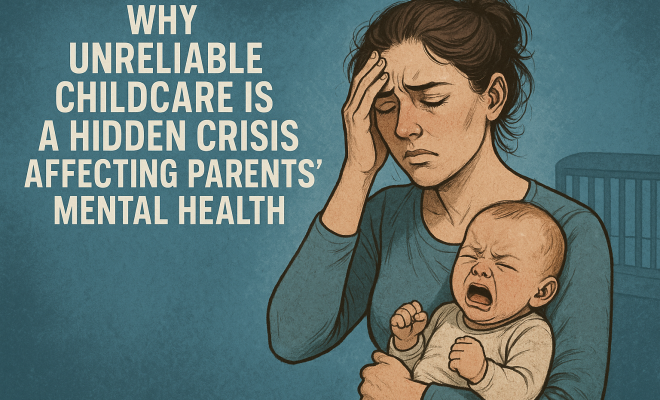
The challenges parents face in securing reliable childcare have increasingly been recognized as a significant contributor to their mental health struggles. In fact, a recent study by The Harris Poll highlights the startling statistics that show how deeply this issue affects working parents. With 60% of parents reporting that parenting pressures are damaging their mental health and 76% expressing extreme frustration due to childcare-related disruptions, it’s crucial for employers to acknowledge the extent of this problem.
Understanding the Link Between Childcare and Mental Health
When we think of mental health in the workplace, many of us might consider stress, burnout, or anxiety that comes from work-related pressures. However, the pressures of parenting—especially when compounded by unreliable childcare—can lead to a state of chronic stress that permeates every aspect of a parent’s life. The link between childcare issues and mental health is not merely logistic; it encompasses emotional, psychological, and even economic dimensions that require urgent attention.
Parents are often caught in a relentless cycle of worry and stress when they can’t depend on childcare. This unpredictability can lead to a host of mental health issues, including anxiety and depression. It’s a burden that impacts not just the individual but also their work performance, family dynamics, and relationships with others.
The Statistics Speak Volumes
To really understand the scope of this issue, let’s dive deeper into the statistics presented by The Harris Poll. The overwhelming majority of parents experiencing mental health challenges related to childcare is not just alarming; it’s a call to action for employers. If 60% of parents cite mental health degradation due to childcare pressures, it means that companies could be overlooking a significant factor affecting employee well-being and productivity.
Now, consider the 76% of parents who feel extreme frustration. This frustration often manifests in various ways, including reduced job performance, increased absenteeism, and overall dissatisfaction with their work-life balance. When a significant portion of your workforce is struggling with these issues, it’s time to reconsider how childcare impacts mental health in the workplace.
How Childcare Issues Create Emotional Strain
The emotional strain of unreliable childcare can be overwhelming. Parents often find themselves juggling multiple responsibilities, from work obligations to family duties, all while managing the unpredictable nature of childcare arrangements. This juggling act can lead to feelings of inadequacy, guilt, and frustration.
For instance, imagine a working parent who has a meeting scheduled but receives a last-minute call from their childcare provider saying they can’t take care of their child that day. This scenario not only disrupts the parent’s workday but also ignites a cascading effect of anxiety and stress. What happens to that parent’s performance at work? What happens to their mental state? The emotional repercussions can be severe.
Why Employers Should Care
Employers must recognize that the mental health of their employees is directly tied to their ability to provide reliable childcare. When employees are stressed about their family responsibilities, they are less focused, less productive, and more likely to seek employment elsewhere.
Investing in employee mental health is no longer a luxury; it’s a necessity for retaining talent and fostering a positive workplace culture. Programs that offer childcare assistance, flexible work arrangements, and mental health resources can significantly alleviate the pressures parents face. Companies that fail to recognize the impact of unreliable childcare on mental health risk losing valuable employees who feel unsupported.
What Can Employers Do to Help?
Addressing the issue of childcare mental health requires a multifaceted approach. Here are some strategies that employers can implement to support their employees: (See: CDC on mental health challenges.)
- Flexible Work Arrangements: Allowing employees to work from home or offering flexible hours can alleviate some of the stress associated with childcare.
- Childcare Subsidies: Providing financial assistance or partnerships with local childcare providers can help parents secure reliable care.
- Mental Health Resources: Offering counseling services or workshops focused on stress management can equip parents with tools to handle their emotional strain.
These strategies not only benefit the employees but also enhance overall employee morale and productivity, creating a win-win situation.
A Personal Perspective
As a parent navigating the challenges of reliable childcare, I can attest to the emotional toll it takes on mental health. Each day brings new hurdles, from juggling work deadlines to managing the complexities of childcare logistics. There are days when I feel overwhelmed, and it’s not merely about missing a meeting. It’s about the guilt of not being present for my child and the anxiety of fulfilling my work responsibilities.
Many parents share similar experiences, and it highlights the pressing need for dialogue about childcare as a mental health issue. It’s crucial we voice our struggles and advocate for solutions that foster a healthier work-life balance.
Shifting the Conversation
Historically, discussions around parenting and childcare have focused on logistics. However, it’s time to shift that conversation. By framing childcare issues as a mental health concern, we can better understand the emotional and psychological impact these stresses have on parents.
This shift not only legitimizes the mental health struggles that many parents face but also encourages employers and policymakers to take meaningful action. It empowers parents to advocate for themselves and seek the support they need.
Building Community Support
Community support plays a significant role in addressing the mental health effects of unreliable childcare. Parents should not feel isolated in their struggles. Creating local networks where parents can share resources, advice, and even childcare responsibilities can help alleviate some of the burdens.
Furthermore, businesses can partner with community organizations to develop programs that provide affordable childcare or parenting classes. By fostering a sense of community, we can create an environment where parents feel supported, understood, and less stressed.
Final Thoughts
As the conversation around childcare mental health gains momentum, it’s evident that addressing these issues is not just a personal concern but a collective responsibility. Employers, communities, and parents must work together to find solutions that support the mental well-being of families.
By prioritizing reliable childcare and recognizing its link to mental health, we can create a healthier society for everyone—one where parents can thrive both professionally and personally. The time for change is now.
Exploring the Long-Term Effects of Childcare Stress
While the immediate mental health effects of childcare stress are evident, the long-term consequences can be equally concerning. Chronic stress from childcare responsibilities can have lasting effects on one’s mental health, leading to conditions such as chronic anxiety, depression, and even physical health issues.
Research suggests that parents experiencing prolonged stress are at a higher risk for developing cardiovascular problems and other stress-related ailments. This highlights the importance of addressing childcare issues not just as a workplace concern but as a public health issue that requires comprehensive solutions. (See: NIMH statistics on mental illness.)
Statistics that Matter
To fully grasp the critical situation, consider these statistics:
- 30% of parents report that their mental health has significantly worsened since the onset of the pandemic, largely due to childcare disruptions.
- According to the American Psychological Association, parents with reliable childcare are 50% less likely to report high levels of stress compared to those without.
- A study conducted by the National Institute for Child Health and Human Development found that children from families with high parental stress levels tend to exhibit behavioral problems, creating a cycle that perpetuates the stress on parents.
Expert Perspectives on Childcare and Mental Health
Experts in psychology and child development emphasize the importance of reliable childcare in promoting not just parental mental health but also child well-being. Dr. Emily Kline, a child psychologist, states, “The stress that parents experience directly affects their ability to nurture and support their children’s development. When parents are overwhelmed, it can lead to strained relationships with their children, which further complicates the emotional landscape.” This interconnectedness underscores the critical need for solutions that consider the family unit as a whole.
Moreover, workplace mental health advocate, Mark Johnson, argues that “companies that prioritize mental health and support parental needs through childcare resources will see higher employee retention and satisfaction. The wellness of employees is inherently tied to their family well-being.” This perspective reinforces the idea that supporting parents is, in fact, a business strategy.
Comparative Analysis of Childcare Policies Worldwide
Different countries approach childcare and parental support in various ways, leading to different outcomes regarding parental mental health. For example, Scandinavian countries like Sweden and Norway offer extensive parental leave policies and subsidized childcare. Studies show that parents in these countries experience lower levels of stress and better mental health outcomes compared to those in countries with less supportive policies.
In contrast, the United States often falls short in providing such support, leading to a higher prevalence of childcare-related stress among parents. The lack of comprehensive policies can result in higher employee turnover rates and costs for employers, proving that investing in childcare is not just a social good but an economic imperative.
FAQs About Childcare Mental Health
What is the impact of unreliable childcare on mental health?
Unreliable childcare can lead to chronic stress, anxiety, and depression in parents, affecting their overall well-being and job performance.
How can employers support employee mental health related to childcare?
Employers can support their employees by offering flexible work arrangements, childcare subsidies, and mental health resources such as counseling services.
What are some strategies for parents to manage childcare-related stress?
Parents can manage stress by establishing a support network of family and friends, seeking professional help when needed, and advocating for workplace policies that support their needs.
Are there any long-term effects of childcare stress on children?
Yes, children from families experiencing high levels of parental stress can develop behavioral issues and face challenges in emotional development, creating a cycle of stress.
How can community support alleviate childcare stress for parents?
Community support can provide parents with resources, shared childcare responsibilities, and access to programs that offer affordable childcare solutions, fostering a sense of belonging and understanding.
Why is it important to frame childcare issues as a mental health concern?
Framing childcare issues as a mental health concern legitimizes the struggles parents face, encourages meaningful action from employers and policymakers, and empowers parents in advocating for their needs.
Additional Resources for Parents
For parents seeking to navigate the complex world of childcare while managing mental health, several resources can provide support and information. Here are some recommended organizations:
- National Parent Helpline: This organization offers emotional support and advocacy for parents, providing a listening ear and guidance.
- Child Care Aware: A national resource that helps parents find reliable childcare options and provides information on how to assess childcare quality.
- American Psychological Association: This organization offers resources and articles focused on parenting and mental health, helping parents understand the psychological impacts of childcare stress.
- Support Groups: Many communities have local support groups for parents dealing with childcare issues. These groups can provide not only emotional support but also practical tips from other parents facing similar challenges.
Long-Term Benefits of Supporting Childcare Mental Health
Investing in childcare support isn’t just about alleviating immediate distress; it can lead to long-term benefits for families and employers alike. When parents feel supported in their childcare arrangements, they are more likely to:
- Maintain a Healthy Work-Life Balance: Flexible schedules and childcare assistance allow parents to focus on both professional and personal responsibilities without feeling overwhelmed.
- Enhance Workplace Productivity: Employees who are less stressed can dedicate their energy to work tasks, leading to higher productivity and job satisfaction.
- Improve Child Development Outcomes: When parents have reliable childcare, they can engage more positively with their children, leading to better emotional and developmental outcomes for the kids.
- Reduce Turnover Rates: Companies that provide support for childcare needs may experience lower turnover rates, saving on recruitment and training costs.
The Role of Technology in Childcare Solutions
In recent years, technology has played a pivotal role in reshaping how parents access and manage childcare. Apps and online platforms have emerged, making it easier for parents to find, book, and communicate with childcare providers. These technological advancements can help reduce some of the stress associated with childcare logistics, providing parents with more reliable options and greater peace of mind.
For example, platforms like Care.com and UrbanSitter allow parents to browse profiles of local caregivers, check references, and read reviews, simplifying the search process. This not only helps parents find reliable childcare but also empowers them to make informed decisions that align with their needs.
Creating a Sustainable Future for Childcare
The conversation around childcare and mental health will continue to evolve, especially as more parents advocate for systemic changes. Sustainable childcare solutions must be a priority for policymakers, employers, and communities. This involves not only financial investments but also a cultural shift in how we view and support parents.
By fostering a collaborative approach—where employers, government agencies, and community organizations work together—we can develop robust frameworks that support parents and prioritize mental health. The future of childcare should be one where every parent has access to the resources they need to thrive in both their personal and professional lives.
“`
Trending Now
Frequently Asked Questions
How does unreliable childcare affect parents' mental health?
Unreliable childcare can lead to chronic stress, anxiety, and depression among parents. The unpredictability of childcare arrangements creates a cycle of worry that impacts not only mental health but also work performance and family dynamics.
What percentage of parents report mental health issues due to childcare problems?
According to a study by The Harris Poll, 60% of parents report that parenting pressures, particularly related to childcare, are damaging their mental health, highlighting a significant issue that requires attention.
What are the emotional impacts of childcare-related stress on parents?
The emotional impacts of childcare-related stress can include heightened anxiety, depression, and frustration. This stress can permeate various aspects of a parent's life, affecting relationships and overall well-being.
Why should employers pay attention to childcare issues affecting their employees?
Employers should recognize that childcare issues significantly affect employee well-being and productivity. With 76% of parents expressing frustration over childcare disruptions, addressing this crisis can enhance workplace morale and performance.
What steps can employers take to support parents dealing with childcare issues?
Employers can support parents by offering flexible work arrangements, onsite childcare services, or childcare subsidies. These measures can help alleviate stress and improve the mental health of working parents.
What’s your take on this? Share your thoughts in the comments below — we read every one.