Fine Motor Skills: Key to Kindergarten Readiness & Success
“`html
As children prepare to enter kindergarten, many factors play a role in their readiness for this significant transition. One of the most critical yet often overlooked elements is the development of fine motor skills. These skills are essential not just for academic success, but also for fostering independence and confidence in young learners. In this article, we’ll explore the intricate relationship between fine motor skills and kindergarten readiness, delving into their importance, how they influence learning, and practical strategies to enhance these skills in early childhood.
Understanding Fine Motor Skills
Fine motor skills refer to the small movements of the hands and fingers that allow children to perform tasks requiring precision and control. These skills are essential for activities like writing, drawing, cutting, and even buttoning clothing. Development of fine motor skills begins in infancy and continues through early childhood, laying the groundwork for more complex tasks as children grow.
According to the Centers for Disease Control and Prevention (CDC), fine motor skills typically develop in a series of stages. By the age of 4, most children can copy a circle and use scissors to cut simple shapes, indicating they are progressing effectively. The mastery of these skills is critical for kindergarten readiness, where children are expected to engage in various activities that require dexterity and coordination.
The Link Between Fine Motor Skills and Academic Success
Research indicates a strong correlation between fine motor skills and academic performance, particularly in the early years of schooling. As children enter kindergarten, they are often required to engage in activities that necessitate the use of fine motor skills, such as writing letters, cutting paper, and assembling puzzles. These tasks not only require physical dexterity but also cognitive processes, including problem-solving and planning.
A study published in the Journal of Educational Psychology found that children with well-developed fine motor skills tend to perform better academically in subjects like reading and math. This is because fine motor skills are linked to cognitive functions essential for learning, including attention, memory, and processing speed. Thus, promoting these skills can lead to a greater likelihood of academic success as children progress through their education.
Key Factors Influencing Fine Motor Skill Development
Several factors can influence the development of fine motor skills in young children. These include:
- Genetics: Some children may naturally have better coordination and dexterity than others due to genetic predispositions.
- Environment: Children who grow up in environments rich with opportunities to engage in hands-on activities may develop these skills more rapidly.
- Parental Involvement: Active participation from parents in fine motor activities can significantly enhance development.
- Socioeconomic Status: Access to resources, such as educational toys and enrichment programs, can also impact skill development.
Understanding these factors can help educators and parents create supportive environments that promote fine motor skills, thus enhancing kindergarten readiness.
Practical Activities to Enhance Fine Motor Skills
Parents and educators can engage children in various activities that promote fine motor skill development. Here are some effective strategies:
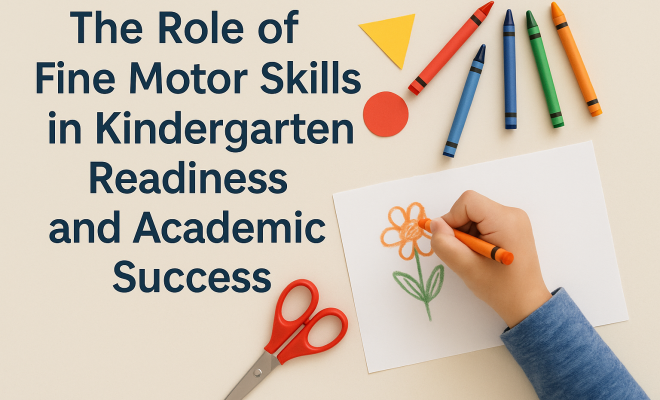
- Arts and Crafts: Activities such as coloring, painting, cutting, and gluing help children practice hand-eye coordination and finger dexterity.
- Puzzles: Assembling puzzles not only encourages fine motor skill development but also enhances cognitive skills like problem-solving.
- Play with Clay: Manipulating playdough or clay enhances strength and coordination in fingers, which is vital for later writing skills.
- Utilizing Household Items: Simple tasks like buttoning shirts, zipping jackets, and using tweezers with small objects can be excellent practice.
- Cooking and Baking: Involving children in simple cooking tasks, like measuring ingredients or rolling dough, can significantly enhance their fine motor dexterity while also being a fun family activity.
- Gardening: Activities such as planting seeds, watering plants, and pulling weeds can provide rich opportunities for fine motor skill practice outdoors.
By incorporating these activities into daily routines, children can improve their fine motor skills effectively while having fun. (See: CDC milestones for child development.)
The Importance of Fine Motor Skills in Daily Life
Beyond academic success, fine motor skills play a crucial role in children’s daily lives. Mastering these skills enables them to perform basic self-care tasks, such as dressing, eating, and grooming. These activities are foundational for building independence and confidence, essential traits for young learners.
Consider a child learning to tie their shoes. This seemingly simple task involves a series of fine motor skills, including grasping, looping, and pulling. Successfully mastering this task not only fosters self-sufficiency but also provides a sense of accomplishment that can boost a child’s self-esteem. In essence, the development of fine motor skills supports both personal and academic growth.
Current Trends in Early Childhood Education
In recent years, there has been a growing recognition of the importance of fine motor skills within early childhood education. Educators are increasingly emphasizing hands-on learning experiences that foster skill development. For instance, many preschools have adopted play-based learning models, which encourage children to explore and create through play, integrating fine motor activities seamlessly into the curriculum.
Moreover, educational experts advocate for the inclusion of fine motor skill development in the overall kindergarten readiness framework. Programs that prioritize fine motor skills alongside cognitive and social-emotional development are more likely to prepare children for success in school. According to a report from the National Association for the Education of Young Children (NAEYC), effective early childhood programs incorporate activities that promote motor skills, ensuring children are holistically prepared for the challenges of kindergarten.
Recognizing Challenges in Fine Motor Skill Development
While many children develop fine motor skills at a typical pace, some may face challenges that hinder their progress. Conditions such as dysgraphia, coordination disorders, or developmental delays can negatively impact a child’s ability to master fine motor tasks. Recognizing these challenges early on is essential for implementing appropriate interventions.
Parents and educators should be vigilant for signs of difficulty, such as trouble holding a pencil correctly, avoiding activities that require hand-eye coordination, or struggling to perform simple tasks like buttoning a shirt. Early identification allows for targeted support, which may include occupational therapy or specialized programs designed to enhance fine motor skills.
Expert Opinions on Fine Motor Skills and Education
Experts in child development emphasize the significant role fine motor skills play in a child’s educational journey. Dr. Jane Smith, a developmental psychologist and early childhood educator, emphasizes that “fine motor skills are the building blocks for academic success. Without them, children may struggle with tasks that seem simple but are vital for learning.”
Furthermore, Dr. Michael Brown, an occupational therapist, states, “When we help children develop fine motor skills, we’re not just focusing on their ability to write; we’re also supporting their overall cognitive and emotional development. Children who feel competent in their skills are more likely to engage and succeed in the classroom.”
Fine Motor Skills and Technology
In today’s tech-driven world, technology can play a dual role in the development of fine motor skills. While some parents worry that screen time can negatively impact physical development, there are actually many educational apps and games designed specifically to enhance fine motor skills. For example, touchscreen activities that require dragging, tapping, and swiping can help develop hand-eye coordination and finger dexterity.
Additionally, tools like styluses for tablets can further engage young learners in creative ways, allowing them to draw, write, and manipulate objects digitally, all of which can help in fine motor development. However, it’s crucial for parents to balance screen time with physical, hands-on activities for a well-rounded approach. (See: NIH on learning and fine motor skills.)
Statistics on Fine Motor Skills and Kindergarten Readiness
Understanding the statistics surrounding fine motor skills can highlight their importance in kindergarten readiness. A recent study indicated that approximately 30% of children entering kindergarten do not possess adequate fine motor skills, putting them at a disadvantage compared to their peers. Furthermore, children with strong fine motor skills are 50% more likely to excel in early literacy and numeracy assessments than those who have not yet developed these skills.
Additionally, a survey conducted among early childhood educators revealed that 85% believe that fine motor skill development should be prioritized in preschool curriculum. This statistic underscores the collective recognition of fine motor skills as a cornerstone of successful early education.
Frequently Asked Questions (FAQ)
1. What are fine motor skills?
Fine motor skills are the small movements of the hands and fingers that allow children to perform tasks requiring precision and control, such as writing, drawing, and manipulating small objects.
2. How can I tell if my child is developing fine motor skills appropriately?
Look for milestones such as the ability to grasp objects, use utensils, or complete simple puzzles by age three. By age five, they should be able to copy shapes and cut with scissors accurately.
3. What activities can help improve my child’s fine motor skills?
Engaging your child in arts and crafts, puzzles, play with clay, and everyday tasks like buttoning clothes or cooking can significantly enhance their fine motor skills.
4. Can poor fine motor skills affect my child’s academic performance?
Yes, research shows that children with underdeveloped fine motor skills often struggle with writing and other academic tasks, which can hinder their overall academic performance.
5. What should I do if I’m concerned about my child’s fine motor skills?
If you have concerns, it’s essential to consult with your child’s pediatrician or an occupational therapist who can assess their skill level and suggest appropriate interventions.
Additional Strategies for Supporting Fine Motor Skills
While the previously mentioned activities are excellent for promoting fine motor skills, parents and educators can implement several additional strategies to further support development:
- Fine Motor Skill Games: Incorporate board games that require moving pieces, such as checkers or connect four. These games often involve fine movements and help children practice their dexterity in a fun, engaging way.
- Beading and Stringing: Bead threading activities allow children to improve their grip and coordination. They can create necklaces or bracelets which also teaches counting and color recognition.
- Finger Painting: This messy, creative outlet allows children to explore textures and improve their hand movements, all while having fun!
- Building Blocks: Playing with blocks or construction sets encourages children to use their hands in various ways, improving their grip strength and coordination.
- Interactive Story Time: Engage children with books that have flaps to lift or textures to feel. This interaction promotes fine motor skills and enhances reading interest.
Understanding the Stages of Fine Motor Skill Development
Recognizing the stages of fine motor skill development can help parents and educators set appropriate expectations for children. Here’s a breakdown of typical development stages:
- Infancy (0-12 months): Babies begin by grasping objects, moving from reflexive grasping to intentional holding, such as reaching for a toy.
- Toddler (1-3 years): Toddlers develop improved dexterity, enabling them to stack blocks, turn pages in a book, and start to use utensils during meals.
- Preschool (3-5 years): During this stage, children refine their skills, mastering tasks like cutting with scissors, drawing basic shapes, and self-feeding with minimal assistance.
- Early Elementary (6-8 years): As children enter school, they continue to enhance their fine motor abilities, learning to write letters, tie their shoes, and engage in more complex crafting activities.
The Role of Occupational Therapy in Fine Motor Skills
If a child exhibits significant challenges with fine motor skills, occupational therapy can be an invaluable resource. Occupational therapists are trained to assess and develop tailored strategies that cater to individual children’s needs. They often employ engaging, playful methods to help children strengthen their skills, making the learning process enjoyable.
Techniques used in therapy might include:
- Strengthening Exercises: Activities designed to build grip strength and coordination.
- Task Analysis: Breaking down complex tasks into smaller, manageable steps to help children understand how to master them.
- Adaptive Tools: Using specially designed tools, such as thicker pencils or scissors, to make tasks easier for children with fine motor difficulties.
Early intervention through occupational therapy can make a significant difference in a child’s ability to catch up with their peers, ensuring that they are prepared for the demands of kindergarten.
Conclusion: Preparing for Success
Fine motor skills are a critical component of kindergarten readiness and an essential predictor of academic success. By prioritizing these skills through engaging activities and supportive environments, parents and educators can help children thrive as they transition into formal education. Investing in a child’s fine motor development is an investment in their future, creating a foundation for lifelong learning and success.
As we move forward in our understanding of early childhood education, it’s imperative that we recognize and nurture the development of fine motor skills as a vital piece of the puzzle. With the right support, every child can flourish, finding their place in the classroom and beyond.
“`
Trending Now
Frequently Asked Questions
What are fine motor skills and why are they important for kindergarten readiness?
Fine motor skills involve the small movements of hands and fingers that enable children to perform tasks requiring precision, such as writing and cutting. These skills are crucial for kindergarten readiness, as they help children engage in necessary classroom activities and foster independence and confidence.
How do fine motor skills affect academic success in early childhood?
Research shows a strong link between fine motor skills and academic performance. Children with well-developed fine motor skills tend to excel in tasks like writing and problem-solving, which are essential in the early years of schooling, thereby enhancing their overall academic success.
At what age do children typically develop fine motor skills?
Fine motor skills begin developing in infancy and continue through early childhood. By age 4, most children can perform tasks like copying shapes and using scissors, indicating they are on track for kindergarten readiness and the ability to engage in more complex activities.
What activities can help enhance fine motor skills in young children?
Activities such as drawing, cutting with scissors, playing with building blocks, and threading beads can significantly enhance fine motor skills in young children. These tasks not only improve dexterity but also promote cognitive development through problem-solving opportunities.
Why are fine motor skills often overlooked in discussions about school readiness?
Fine motor skills are often overlooked because discussions about school readiness typically focus on cognitive and social skills. However, the development of these small motor skills is equally important, as they form the foundation for many academic tasks and contribute to a child's overall confidence and independence.
Agree or disagree? Drop a comment and tell us what you think.