The Rise of ‘Garden Moms’: Cannabis Use & Modern Parenting in 2026
“`html
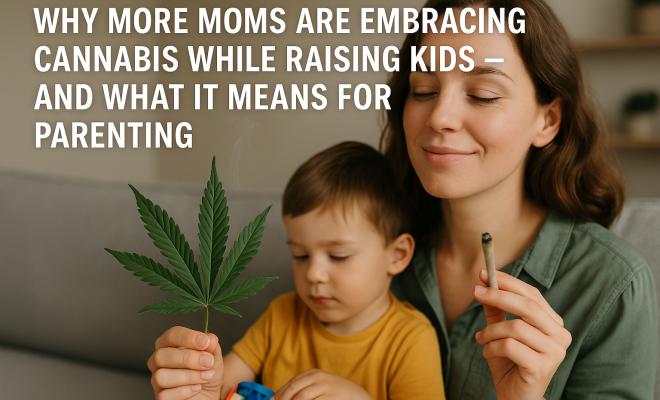
The landscape of parenting is continually evolving, and it seems that the latest trend is a contentious one: the rise of the ‘garden mom’. This phenomenon, characterized by mothers openly using cannabis while caring for their children, is not just a quirky social media trend; it touches upon deep-rooted cultural beliefs about motherhood, mental health, and the normalization of drug use. As more mothers find solace in cannabis, health experts express concern about the implications of this behavior. The intersection of weed and parenting is fraught with tension and debate, and understanding both sides of this issue is crucial for parents navigating this new terrain.
The Emergence of the ‘Garden Mom’
In 2026, the term ‘garden mom’ began circulating in parenting circles, particularly on social media platforms. These moms proudly share their experiences of using cannabis to cope with the rigors of motherhood, often depicting it as a form of self-care. The term itself evokes images of idyllic gardens, where mothers can unwind with a joint while their children play nearby. But beneath this picturesque portrayal lies a troubling reality: the normalization of drug use in environments meant for children.
Research shows that many mothers adopt cannabis as a coping mechanism in response to what they perceive as the overwhelming challenges of modern parenting. Stress, anxiety, and post-traumatic stress disorder (PTSD) related to motherhood can drive women to seek relief through various means, including cannabis. Although some argue that cannabis can provide therapeutic benefits, the implications of using it while caring for children cannot be overlooked.
Health Risks Associated with Cannabis Use Around Children
Health experts are increasingly concerned about the risks associated with cannabis use in the presence of children. According to a 2021 study published in the Journal of the American Academy of Pediatrics, exposure to cannabis can negatively affect children’s cognitive development and emotional well-being. The study highlights that children can be more vulnerable to the effects of THC (the psychoactive component of cannabis), which can lead to adverse outcomes such as impaired memory, learning difficulties, and behavioral issues.
Moreover, the American Academy of Pediatrics has voiced its concern over the rising trend of cannabis use among parents. In a public statement, the organization emphasized that while some adults may feel cannabis use is harmless, it poses significant risks to children who may be exposed to it, either by secondhand smoke or through accidental ingestion of edibles. The idea that cannabis is a benign substance is deeply problematic, particularly in parenting contexts.
The Cultural Shift in Attitudes Toward Motherhood
The weed and parenting movement aligns with a broader cultural shift that views modern motherhood as a burdensome experience. The societal narrative often portrays mothers as overworked, overwhelmed, and in desperate need of relief. This perspective fuels the belief that using cannabis is not only acceptable but perhaps even necessary for maintaining mental health.
However, this mindset raises questions about accountability. Are mothers placing their needs above the safety and well-being of their children? By normalizing cannabis use during parenting, there’s a risk of creating a culture where substance use is seen as a remedy for the challenges of motherhood rather than addressing the root causes of these challenges.
Social Media’s Role in Normalizing Cannabis Use
Social media platforms serve as a double-edged sword in the conversation around weed and parenting. On one hand, they provide a space for mothers to connect and share their experiences with cannabis use. On the other hand, they also perpetuate the idea that using drugs while parenting is acceptable, even aspirational. Hashtags like #GardenMoms and #Mommy420 have emerged, showcasing mothers who advocate for their right to consume cannabis openly.
This online community can create a sense of belonging for mothers who feel isolated in their parenting journey. However, the potential long-term consequences of normalizing cannabis use in parenting must be examined critically. As these narratives gain traction, what message does it send to younger generations about responsible behavior, substance use, and parental responsibility?
Expert Perspectives on the ‘Garden Mom’ Trend
Experts in child psychology and substance abuse have weighed in on the implications of the garden mom trend. Dr. Sarah Thompson, a child psychologist, offers a nuanced perspective on the issue. “While it’s crucial to support mothers in their mental health journeys, we can’t ignore the potential impact of their substance use on their children. The two are not mutually exclusive,” she states.
In her view, the trend reflects a larger societal issue: the stigma surrounding mental health and the lengths to which mothers will go to seek relief. Dr. Thompson advocates for more open conversations about the challenges of motherhood without resorting to substances that may impair judgment or create unsafe environments for children. (See: CDC on cannabis use during pregnancy.)
The Debate Over Legalization and Regulation
The legalization of cannabis in various states has contributed to the growing acceptance of its use among parents. Advocates argue that legalizing cannabis allows adults to make informed choices about their wellness. However, the lack of clear guidelines regarding cannabis use and parenting complicates the conversation.
Many parents are left without reliable information about the safe use of cannabis around children. As cannabis continues to gain traction in parenting communities, the need for education and public health messages becomes increasingly pressing. Clear regulations and guidelines could help parents make informed decisions regarding their cannabis use while prioritizing their children’s safety and health.
Potential Alternatives to Cannabis for Stress Relief
While cannabis may seem like a convenient option for stress relief, there are various alternatives that mothers can explore. Mindfulness practices, such as meditation and deep breathing exercises, have been shown to reduce anxiety and promote overall mental well-being. Engaging in regular physical activity can also provide a significant boost to mood, as exercise releases endorphins that help combat feelings of stress.
Additionally, support networks play a critical role in managing the challenges of motherhood. Connecting with other parents, whether through formal support groups or informal gatherings, can foster a sense of community and shared experience. These connections can provide emotional support without the potential risks associated with drug use.
Real Stories: The Lives of ‘Garden Moms’
To better understand the motivations behind the garden mom trend, it’s important to look at personal stories. Many mothers who identify as ‘garden moms’ describe their experiences with cannabis as liberating. For them, it represents a break from the relentless demands of parenting.
Jessie, a 32-year-old mother of two, shares her story: “I started using cannabis after my second child was born. It helped me relax and take a break from the chaos. I know it’s controversial, but for me, it’s been a game-changer.” However, Jessie also acknowledges the potential risks and admits to being cautious about how and when she uses cannabis around her children.
Such stories highlight the complexity of the issue. While some mothers may feel empowered by their choices, it’s crucial to examine the implications of those choices not only on their own well-being but also on the lives of their children.
Finding Common Ground
The conversation surrounding weed and parenting is multifaceted, and finding common ground will be essential for parents, experts, and policymakers alike. Rather than vilifying those who choose to use cannabis, there should be an emphasis on education and awareness. By addressing the underlying pressures of modern motherhood and providing resources for mental health support, society can better serve mothers and children.
Moreover, fostering open dialogues about substance use in parenting could lead to more responsible decision-making. Parents should feel empowered to seek help without fear of judgment, ensuring that the well-being of their children remains the top priority.
The Future of Parenting in a Cannabis-Infused Culture
As the garden mom trend continues to grow, the implications for parenting will likely evolve. Whether cannabis becomes more integrated into parenting culture or is viewed with increased caution, the conversation is far from over. The balance between seeking personal relief and ensuring child safety will undoubtedly remain a topic of intense debate.
In navigating the complexities of weed and parenting, it’s essential for parents to consider both the potential benefits and risks of their choices. The challenge lies in finding a path that respects the individual needs of mothers while prioritizing the health and safety of children. As more families grapple with these issues, the dialogue surrounding cannabis use in parenting will continue to shape the future of parenting culture.
Statistics on Cannabis Use Among Parents
A growing body of research sheds light on the phenomenon of cannabis use among parents. A 2022 survey by the American Psychological Association found that approximately 22% of parents admitted to using cannabis, with many citing stress, anxiety, and difficulty sleeping as key reasons for their use. Furthermore, the survey indicated that this percentage has nearly doubled since 2018, reflecting a notable shift in attitudes towards both cannabis and motherhood. (See: NIH study on cannabis and mental health.)
Interestingly, the survey also revealed that mothers are more likely than fathers to use cannabis for stress relief, with 28% of mothers reporting use compared to 17% of fathers. This disparity highlights the unique pressures faced by mothers, often compounded by societal expectations surrounding parenting, household management, and work-life balance.
Understanding the Risks: Child Development and Cannabis Exposure
Understanding the potential risks associated with cannabis exposure in children is vital. Studies indicate that exposure to cannabis, whether through secondhand smoke or ingestion, can lead to developmental issues. The effects of THC on a child’s developing brain can manifest as learning disabilities, attention deficits, and impaired social skills. A 2020 study published in the journal Neurotoxicology and Teratology found that children exposed to cannabis in utero exhibited higher rates of behavioral problems and cognitive difficulties compared to their non-exposed peers.
Additionally, the presence of cannabis in the home can increase the likelihood of accidental ingestion, especially with the rise of edibles that can be particularly appealing to children. The American Association of Poison Control Centers reported a significant increase in calls related to children ingesting cannabis products, emphasizing the need for parents to reconsider their cannabis habits in environments with children present.
Frequently Asked Questions (FAQ)
Is it safe for parents to use cannabis around children?
Using cannabis around children raises significant health and safety concerns. Secondhand smoke exposure can affect children’s respiratory health, and accidental ingestion of cannabis products poses a serious risk. Experts recommend that parents consider these risks carefully and prioritize their children’s safety.
What are healthier alternatives to cannabis for stress relief as a parent?
Healthier alternatives for stress relief include mindfulness practices, exercise, social support, and professional therapy. Techniques such as yoga, meditation, or spending time in nature can effectively reduce stress without the potential risks associated with cannabis use.
How can parents discuss cannabis use with their children?
Open and honest communication is key. Parents should approach the topic of cannabis with age-appropriate language, discussing the importance of making safe choices and the risks associated with drug use. It’s vital to create an environment where children feel comfortable asking questions and expressing their feelings.
What role does legislation play in cannabis use among parents?
Legislation surrounding cannabis affects parental attitudes and behavior. As more states legalize cannabis, the perception of its safety and acceptability may shift. However, the lack of clear guidelines on cannabis use and parenting complicates the issue and underscores the need for responsible education and regulation.
Are there any benefits to cannabis use for parents?
Some parents report using cannabis to manage stress, anxiety, and sleep issues. Anecdotal evidence suggests that, for some individuals, cannabis may offer relief from the overwhelming demands of parenting. However, these potential benefits must be weighed against the associated risks, especially regarding child safety and well-being.
How can society better support mothers who are struggling?
Society can support mothers by fostering open conversations about the pressures of parenting, providing access to mental health resources, and creating community support networks. Offering programs that address the challenges of motherhood without relying on substances can empower mothers and promote healthier coping strategies.
The Impact of Cannabis on Parenting Dynamics
Using cannabis can significantly alter parenting dynamics. For some, it may create a more relaxed atmosphere at home, allowing parents to unwind and approach parenting challenges with a different mindset. Yet, this relaxed demeanor can lead to neglect or a lack of awareness regarding children’s needs. It’s essential to balance personal well-being with the responsibilities of parenting. (See: WHO on mental health and parenting.)
One study in the journal Pediatrics found that parents who use cannabis may have different engagement levels with their children. Those who consume cannabis regularly reported feeling less connected to their children during their use. This disconnection can result in children feeling unsupported, which could have long-term emotional consequences.
Parental Perspectives: Interviews with Garden Moms
To gain a deeper understanding of the garden mom phenomenon, interviews with mothers who openly use cannabis provide valuable insights. Many state that they began using cannabis during pregnancy or shortly after childbirth as a way to relieve anxiety and manage stress. For instance, a mother of three shares, “I started using cannabis after my first child was born, and it changed my perspective on parenting. It helped me let go of perfectionism and embrace the chaos.” However, she is also aware of the mixed messages this sends to her children.
Another mother mentions, “I use cannabis in moderation, and I always ensure that it doesn’t interfere with my responsibilities. My kids are my priority, but I refuse to feel guilty about taking care of my mental health.” This raises a critical point about the balance between personal health and parenting obligations.
Parental Education and Responsibility
Education is key in navigating the cannabis conversation in parenting. Parents need access to information about the potential risks and benefits of cannabis use, particularly concerning child development. Workshops, community resources, and online forums can serve as platforms for education and discussion. Creating a culture of responsible use, where parents can share their experiences and strategies while ensuring child safety, should be a priority.
Furthermore, discussing cannabis use openly among parents can lead to increased accountability. When parents share their experiences and concerns, they can collectively develop practices that prioritize both their well-being and that of their children. Finding community within these discussions can help moms feel less isolated in their choices.
Future Research and Policy Recommendations
As the conversation around cannabis use in parenting continues, further research is needed to better understand its implications. Policymakers must focus on creating guidelines that inform parents about safe practices, including dosage transparency and consumption methods that limit exposure to children. Recommendations for parenting programs that incorporate discussions about substance use could also help create a well-rounded perspective on the challenges faced by modern parents.
Additionally, public health campaigns that address the importance of child safety, especially in homes where cannabis is present, can be beneficial. This will ensure that parents are aware of the potential consequences of their choices while still providing them with the support they need to manage their mental health effectively.
“`
Trending Now
- the complete explanation
- “Social Learning Theory vs. Behaviorism: Understanding…
- “Understanding Nonverbal Communication in Children: Reading…
- “Executive Function Skills in Children: A…
- this guide on “kinesthetic learning activities for every subject: engaging movement-based lessons”
Frequently Asked Questions
Why are moms using cannabis while raising kids?
Moms are increasingly using cannabis as a coping mechanism for the stresses and challenges of modern parenting, including anxiety and PTSD. The rise of the 'garden mom' reflects a trend of mothers openly sharing their experiences with cannabis as a form of self-care.
What does the term 'garden mom' mean?
The term 'garden mom' refers to mothers who openly use cannabis while caring for their children. This trend, which began circulating in 2026, portrays cannabis use as a relaxing and self-care practice amidst the challenges of motherhood.
What are the health risks of cannabis use around children?
Health experts warn that cannabis use around children can pose risks, including potential negative effects on child development. Studies indicate that exposure to cannabis may lead to adverse health outcomes, making it a concerning practice for parents.
Is cannabis safe for moms to use while parenting?
While some moms claim therapeutic benefits from cannabis, health experts caution against its use while parenting due to potential risks for both the mother and child. The safety and implications of cannabis use in parenting contexts remain debated.
How is cannabis normalization affecting parenting culture?
The normalization of cannabis use among parents, especially through the 'garden mom' trend, is reshaping cultural beliefs about motherhood and self-care. However, this shift raises concerns about the implications of drug use in environments meant for children.
What did we miss? Let us know in the comments and join the conversation.