How Parenting Could Boost Your Brain Health for Life
“`html
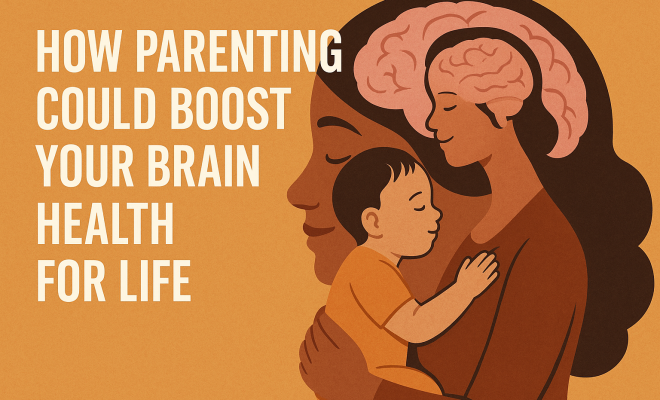
Recent research has flipped the script on the narrative that parenting is solely a draining endeavor. A groundbreaking study, published on June 23, 2026, reveals that raising children may have lasting benefits for brain health, potentially acting as a buffer against cognitive decline and Alzheimer’s disease for both mothers and fathers. The study, led by Orchard and involving nearly 28,000 participants, adds a fascinating layer to the discussion surrounding parenting and brain health. Here’s a look at the study’s key findings and what they mean for parents.
1. The Study: An Overview
The research was extensive and meticulously conducted, involving nearly 28,000 participants across various demographics. It sought to compare brain health between parents and non-parents, focusing on cognitive functions that often decline with age. The results were striking: parents were found to have younger-looking brains in their mid-to-late life compared to those without children. This finding immediately challenges the conventional wisdom that parenting is merely a source of stress and fatigue.
Orchard and the research team established that the mental and emotional demands of parenting seem to contribute positively to brain health over the long term. This is particularly relevant in a time when cognitive decline and Alzheimer’s disease loom large among aging populations.
2. Cognitive Reserve: What Is It?
Central to the study’s findings is the concept of ‘cognitive reserve.’ This refers to the brain’s ability to improvise and find alternate ways of doing things. Cognitive reserve is built through learning, problem-solving, and mental challenges — all of which are inherent in the parenting experience. Just as mastering a new language or an instrument can improve brain health, the mental exertion involved in parenting could produce similar benefits.
Parents often engage in complex problem-solving, multitasking, and emotional labor, creating a rich mental environment that nurtures cognitive resilience. This suggests that the daily challenges of raising children may not just be taxing but could also fortify the brain against the ravages of time.
3. The U-Shaped Relationship with Dementia Risk
The study found a fascinating U-shaped relationship between the number of children a person has and their risk of developing dementia. Specifically, having children appears to decrease the risk of cognitive decline, while having none at all can lead to increased vulnerability. This suggests that the act of parenting itself, rather than the biological aspects of pregnancy, may be crucial in shaping brain health.
As more is understood about this U-shaped curve, it challenges previous assumptions that childbearing and child-rearing primarily drain mental resources. Instead, it opens up a compelling conversation around how the responsibilities of parenthood contribute positively to cognitive health.
4. Attention and Executive Function Post-Childbirth
One particularly noteworthy finding of the research indicates that mothers experience an improvement in attention and executive function for at least three years following childbirth. This period of enhanced cognitive ability could be attributed to the acute demands of caring for a newborn, which requires heightened awareness and decision-making skills.
The sustained impact on cognitive functions like memory, attention, and problem-solving highlights the potential for parenting to serve as a form of cognitive training. It’s not just about surviving the sleepless nights; it’s about thriving cognitively in a challenging environment.
5. What Parents Can Do to Maximize Brain Health
Given these findings, how can parents further support their brain health? Engaging in activities that promote cognitive function is essential. Here are some strategies:
- Stay Mentally Active: Engage in puzzles, reading, or learning new skills. The more you challenge your brain, the more resilient it becomes.
- Maintain Social Connections: Socialization is crucial. Make time for friendships and community activities, as these interactions are stimulating.
- Practice Mindfulness: Techniques like meditation can improve attention and emotional regulation, key skills in parenting.
- Physical Exercise: Regular physical activity has been shown to boost brain health and cognitive function.
6. Redefining Parenthood: The Positive Spin
This research provides an opportunity to redefine what it means to be a parent. Instead of viewing parenting solely as exhausting, it can be viewed as an avenue for personal and cognitive growth. The traditional narrative that parenting is a burden could shift to one that celebrates the cognitive benefits that come with raising children. (See: Cognitive reserve and aging.)
This fresh perspective could also serve as a powerful motivator for prospective parents who may be hesitant about the demands of child-rearing. Knowing that these responsibilities may enhance brain health might inspire more individuals to embrace parenthood.
7. The Role of Fathers: Equal Participants
One of the fascinating aspects of this research is its equal implications for fathers and mothers. Traditionally, discussions about parenting often center on mothers, but this study emphasizes that fathers experience similar enhancements in brain health. This is particularly significant in a societal context where fatherhood is evolving to include more active roles in caregiving.
By recognizing that both parents can benefit from the cognitive stimulation involved in raising children, we can foster a more inclusive conversation about parenting and its impact on brain health. Fathers should feel empowered, knowing their involvement may enhance their cognitive functions as well.
8. Countering the Stigma of Parenting Fatigue
The findings from this research challenge the stigma that often surrounds parenting fatigue. Instead of viewing exhaustion as merely a downside, it can be reframed as part of a transformative experience that ultimately benefits brain health. This counter-narrative could lead to more supportive communities for parents, emphasizing the importance of resilience and personal growth through parenting.
Parents can be encouraged to share their experiences, fostering a sense of camaraderie and mutual support. By discussing not just the challenges but also the cognitive rewards, parents can create a positive feedback loop that enhances their experiences.
9. The Future of Parenting Research
As awareness around the connection between parenting and brain health grows, future research will likely focus on how to maximize these benefits. Investigating the specific activities that contribute most significantly to cognitive reserve will be essential.
Additionally, researchers may explore how different parenting styles impact mental health outcomes. By understanding the nuances of parenting’s relationship with cognitive function, we can develop better resources for parents to thrive, not just survive.
10. A Hopeful Perspective for Parents
The implications of this research are both hopeful and empowering. While parenting comes with its unique set of challenges, it also presents opportunities for cognitive enhancement that can last a lifetime. As parents navigate the complexities of raising children, the knowledge that their efforts might protect against cognitive decline adds a meaningful layer to their journey.
In a world where mental health is increasingly prioritized, this research shines a light on the often-overlooked benefits of parenthood. Embracing the dual role of caregiver and cognitive warrior can redefine the parental experience, leading to more fulfilled lives and healthier minds.
11. Understanding the Brain’s Plasticity
One of the key elements in the discussion surrounding parenting and brain health is neuroplasticity — the brain’s ability to reorganize itself by forming new neural connections throughout life. This plasticity is crucial for adaptation in response to various experiences, including the unique challenges of parenting.
Research has shown that engaging in mentally stimulating activities, such as those that parents commonly face, can enhance neuroplasticity. For instance, learning how to manage a child’s emotional outbursts might require parents to develop new strategies, leading to more robust neural pathways. This continuous adaptation can keep the brain active and healthy.
12. The Impact of Parenting on Emotional Intelligence
Another aspect of how parenting influences brain health is its effect on emotional intelligence (EQ). Studies indicate that parents who actively engage with their children develop heightened EQ, which correlates with improved cognitive flexibility and problem-solving abilities.
For example, parents often find themselves in situations that require them to regulate their emotions, empathize with their child’s feelings, and communicate effectively. These interactions not only help children develop essential social skills but also enhance the parent’s emotional and cognitive capabilities. Enhanced emotional intelligence has been linked to better decision-making, stress management, and overall mental well-being. (See: Alzheimer's Disease Information.)
13. The Role of Play in Cognitive Development
Play isn’t just for kids; it also offers significant benefits for parents. Engaging in playful activities with children can stimulate cognitive and emotional growth for both parties. Research has highlighted that playful interactions can lead to increased creativity, better problem-solving skills, and even improved mood for parents.
For instance, participating in imaginative games or physical play encourages parents to think on their feet and adapt to rapidly changing scenarios, which can be a form of cognitive exercise. This not only reinforces a strong parent-child bond but also serves as a fun and enriching way to enhance brain function.
14. Nutrition and Brain Health in Parenting
Often overlooked in the discussion of parenting and brain health is the role of nutrition. A balanced diet rich in omega-3 fatty acids, antioxidants, and vitamins is crucial for maintaining cognitive function. Parents juggling meal planning often need to ensure they’re not only feeding their children nutritious foods but also taking care of their own dietary needs.
For instance, incorporating foods like fish, nuts, fruits, and vegetables can promote better brain health. Parents can set a positive example for their children while also replenishing their own cognitive resources. Studies have shown that proper nutrition can mitigate some of the cognitive decline associated with aging and stress, making it essential for parents to prioritize healthy eating habits.
15. FAQ: Parenting and Brain Health
What are the primary benefits of parenting on brain health?
Research indicates that parenting can enhance cognitive reserve, improve emotional intelligence, and promote neuroplasticity, all of which contribute to better brain health.
Are there specific parenting styles that are better for brain health?
While more research is needed, authoritative parenting, which combines warmth and structure, has been associated with positive cognitive and emotional outcomes for both parents and children.
How can parents practice mindfulness in daily life?
Simple practices like deep breathing, meditation, or taking short breaks can help parents practice mindfulness. Integrating these techniques can improve focus and emotional regulation during parenting challenges.
Can physical activity benefit brain health for parents?
Absolutely! Regular physical activity is linked to improved cognitive function and can help mitigate stress, making it vital for parents juggling multiple responsibilities.
What role does social connection play in cognitive health?
Social connections are fundamental for cognitive health. Engaging with friends, family, and community can provide emotional support and mental stimulation, both of which are beneficial for brain function.
16. The Benefits of Routine in Parenting
Establishing a routine can be beneficial not only for children but also for parents. Routines help create a sense of stability and predictability, which can reduce stress and anxiety levels. For parents, this means having a structured environment that allows them to focus on cognitive tasks without being overwhelmed by chaos.
Moreover, routines can aid in developing memory and planning skills. Parents can practice organization by planning weekly meals, schedules, and activities, which can stimulate their cognitive abilities. Keeping a planner or using digital tools can serve as an exercise in managing responsibilities and priorities, further enhancing brain health.
17. Mindful Parenting: Enhancing Presence
Mindful parenting is an approach that encourages parents to be fully present with their children, which can also benefit their brain health. By being engaged and attentive during interactions, parents can foster a deeper connection that promotes emotional and cognitive development for both themselves and their children.
Practicing mindfulness can lead to improved focus, reduced stress, and better emotional regulation. Activities such as mindful breathing exercises, yoga, or simply taking time to appreciate small moments throughout the day can bolster a parent’s mental state. This intentional presence not only enriches the parenting experience but also serves as a powerful tool for enhancing cognitive vitality.
18. The Intersection of Parenting, Technology, and Brain Health
As technology becomes an integral part of our lives, it’s essential to consider its impact on parenting and brain health. While excessive screen time can detract from meaningful interactions, technology can also provide tools for learning and engagement that benefit both parents and children.
For example, educational apps, parenting blogs, and online support communities can offer resources that enhance cognitive skills and emotional support. Balancing technology use is key; parents can leverage these tools to foster learning while ensuring they prioritize direct engagement with their children. This balance can lead to improved cognitive outcomes by promoting a healthy mix of learning and personal interaction.
19. Generational Perspectives on Parenting and Brain Health
The conversation around parenting and brain health varies significantly across generations. Older generations often placed a heavier emphasis on the challenges of parenting, viewing it more as a duty than an opportunity for personal growth. In contrast, younger parents today are increasingly recognizing the cognitive benefits of parenting as a part of their emotional and mental development.
This shift in perspective could impact how parenting practices evolve over time. With a greater focus on mental health and well-being, new parenting strategies may emerge that prioritize not just the well-being of children but also the cognitive and emotional health of parents. Encouraging open dialogues about these experiences can foster community support and further enhance this evolving understanding.
20. Conclusion: Embracing the Journey of Parenthood
The relationship between parenting and brain health reveals exciting insights that can reshape our understanding of the parental experience. By recognizing the cognitive advantages of raising children, parents can embrace the journey with newfound appreciation and purpose. Whether through emotional engagement, playful interactions, or mindful practices, the role of parenthood can be seen as a pathway to cognitive enrichment.
This evolving narrative encourages a more holistic view of parenting, where the challenges and joys are intertwined with opportunities for personal and cognitive growth. As we continue to explore the impact of parenting on brain health, we can foster environments that celebrate the transformative power of parenthood, ultimately benefiting parents, children, and society as a whole.
“`
Trending Now
Frequently Asked Questions
How does parenting affect brain health?
Recent research indicates that parenting can positively impact brain health by enhancing cognitive functions. Parents often engage in complex problem-solving and multitasking, which contributes to a stronger cognitive reserve and may help ward off cognitive decline and Alzheimer’s disease.
What is cognitive reserve and why is it important?
Cognitive reserve refers to the brain's ability to adapt and find alternative ways to perform tasks. It is built through experiences like learning and problem-solving, which are integral to parenting. A higher cognitive reserve can help protect against age-related cognitive decline.
Can parenting help prevent Alzheimer's disease?
Yes, studies suggest that the mental and emotional challenges of parenting may serve as a buffer against cognitive decline and Alzheimer’s disease. Engaging in parenting activities can enhance brain health, potentially reducing the risk of developing these conditions later in life.
Is parenting more stressful than beneficial for brain health?
While parenting is often seen as stressful, recent findings reveal that it can actually benefit brain health. The demands of parenting can lead to improved cognitive functions, which challenges the perception that parenting is solely a draining experience.
What are the long-term benefits of parenting on mental health?
The long-term benefits of parenting on mental health include improved cognitive functions and a healthier brain as one ages. Engaging in the mental challenges of parenting can foster resilience and cognitive agility, potentially leading to a lower risk of cognitive decline.
What’s your take on this? Share your thoughts in the comments below — we read every one.