India’s Mental Health Paradox: Coping in Silence (2024)
“`html
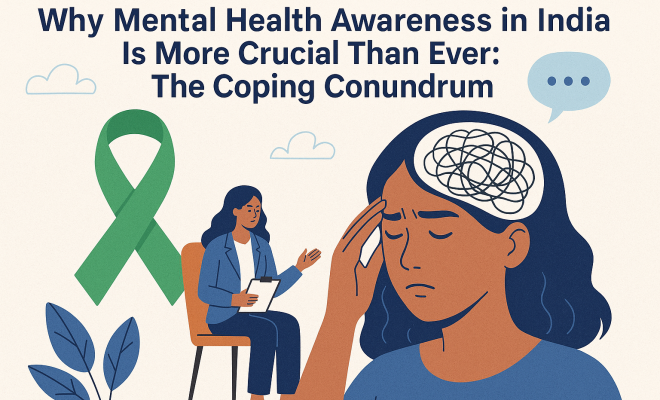
In recent years, mental health awareness in India has gained much-needed attention, yet a paradox lurks beneath the surface. A recent study by ManipalCigna Health Insurance has highlighted a significant trend: while 90% of individuals report improved coping mechanisms, a troubling proportion remains reluctant to reach out for support. This discrepancy unravels a complex narrative about mental health in contemporary India, revealing not only the resilience of individuals but also the pervasive emotional isolation that many continue to experience.
The Rising Interest in Mental Health
Google Trends has shown a marked increase in searches for terms like ‘stress’ and ‘mental health’ in India, indicating a growing consciousness around these issues. This surge suggests that more people are acknowledging their mental health struggles and seeking information. However, the alarming reality is that many are choosing to manage their challenges in silence, rather than reaching out for help.
The Coping Mechanism Paradox
While the ability to cope is a vital skill, the study’s findings suggest that simply coping may not be enough for true healing. The resilience displayed by 90% of respondents points to a remarkable inner strength, yet it raises questions about the underlying emotional health of these individuals. Why are so many choosing to cope in isolation instead of seeking support? This coping mechanism paradox highlights an urgent need for dialogue about mental health awareness in India and how we can bridge the gap between coping and reaching out.
The Fear of Missing Out on Support
One of the most startling findings from the study is the burgeoning ‘fear of missing out’ on mental wellness resources. Many individuals feel unheard, despite their resilience and ability to manage their symptoms. This sentiment is echoed across various social media platforms, where poignant discussions about emotional isolation have gained traction. A community that is increasingly vocal about their struggles often finds solace in shared experiences, but the reluctance to reach out for help diminishes the potential for collective healing.
Understanding the Cultural Context
In India, cultural stigma surrounding mental health has deep roots. Traditionally, mental health issues have been viewed as taboo, leading many to internalize their struggles rather than sharing them. This stigma can deter individuals from seeking help, reinforcing the cycle of emotional isolation. To effectively address mental health awareness in India, it is essential to challenge these long-standing beliefs and foster an environment where individuals feel safe to express their vulnerabilities.
The Role of Community and Support Networks
Community plays a crucial role in mental health recovery. Support networks, whether they are family, friends, or professional counselors, can make a significant difference in an individual’s healing journey. However, the current trend of coping in silence indicates a disconnect. Building strong support systems that encourage open conversations about mental health can help dismantle the barriers that prevent individuals from reaching out. There needs to be a shift from internal coping to external support among individuals facing mental health challenges.
Digital Platforms and Mental Health Awareness
The digital age has changed how we communicate and seek support. Social media, for instance, has become a double-edged sword. On one hand, it provides platforms for sharing experiences and fostering community; on the other hand, it can promote unrealistic portrayals of happiness and success, leading to increased feelings of isolation. As mental health awareness in India grows, it’s crucial for digital platforms to promote responsible discussions that encourage individuals to seek the help they need rather than suffer in silence. (See: World Health Organization on mental health.)
Educational Initiatives and Awareness Campaigns
Schools, workplaces, and community organizations can play an instrumental role in promoting mental health awareness. By integrating mental health education into curricula and offering workshops, we can provide individuals with the tools they need to understand their mental health better. Initiatives that encourage people to share their stories can be incredibly powerful, showing others that they are not alone in their struggles.
The Importance of Professional Help
While coping mechanisms can be beneficial, they should not replace professional help when needed. Mental health professionals can provide guidance and strategies that go beyond self-management. As part of the mental health awareness movement in India, it’s vital to emphasize the importance of seeking help from experts when coping strategies are insufficient. Individuals should feel empowered to reach out, knowing that doing so is a sign of strength, not weakness.
Moving Forward: Bridging the Gap Between Coping and Reaching Out
To foster a culture of openness around mental health in India, we must encourage conversations that challenge existing stigma and promote understanding. This involves not only educating individuals but also creating supportive environments where people feel safe to share their experiences. Initiatives aimed at bridging the gap between coping and seeking help will be essential in reducing emotional isolation and enhancing mental well-being across the nation.
The Impact of the COVID-19 Pandemic
The COVID-19 pandemic has had a profound effect on mental health worldwide, and India is no exception. The lockdowns, uncertainty, and loss of loved ones have led to a surge in anxiety and depression rates. A survey conducted by the Indian Psychiatry Society found that 20% of respondents reported experiencing symptoms of depression during the pandemic. This crisis has underscored the importance of mental health awareness, as many individuals struggled without adequate support systems during these challenging times. The necessity of having open discussions about mental health became more pressing, leading to a rise in online therapy platforms and mental health campaigns.
Statistics on Mental Health in India
Understanding the scope of mental health issues in India can illuminate the urgent need for awareness and support. According to the National Mental Health Survey 2016, nearly 150 million people in India need mental health interventions. The survey also found that less than 30% of these individuals receive any form of treatment. Despite the alarming numbers, mental health services remain underfunded and under-resourced, with only 0.06% of the total health budget allocated to mental health. This stark reality emphasizes the need for increased funding and policy changes to address mental health issues adequately.
Expert Perspectives on Mental Health Awareness in India
Experts in the field of mental health have emphasized the urgent need for a comprehensive approach to mental health awareness in India. Dr. Soumitra Pathare, a well-known psychiatrist, has stated that “Mental health is as important as physical health, yet it is often sidelined in discussions about overall well-being.” He advocates for integrating mental health education into school curricula to equip children with the tools to understand and manage their mental health from an early age.
Similarly, Dr. Vikram Patel, a prominent global mental health expert, has called for increased investment in community-based mental health services. He believes that empowering communities to take charge of their mental health can lead to significant improvements in mental health outcomes. By training local health workers and creating accessible services, communities can help break the cycle of stigma and ignorance surrounding mental health.
The Role of Government Policy in Mental Health Awareness
Government policy plays a critical role in shaping mental health awareness and services in India. The Mental Health Care Act, enacted in 2017, marked a significant step forward by recognizing the right to mental health care for all individuals. However, implementation remains a challenge, with many states lacking the necessary infrastructure and resources to fully realize the act’s intentions. Continuous advocacy for better policies and resource allocation is essential to improve mental health services and awareness in India. (See: CDC resources on mental health.)
International Comparisons: Lessons from Other Countries
When examining mental health awareness in India, it can be insightful to look at how other countries address similar challenges. For example, countries like Australia and the UK have made significant strides in mental health advocacy through government-funded campaigns and community engagement. Australia’s “Headspace” program, which provides mental health services to young people, and the UK’s “Time to Change” initiative, which focuses on reducing stigma, demonstrate effective approaches that could be adapted for the Indian context.
Should Youth Mental Health Be a Priority?
Youth mental health is becoming an increasingly critical topic in India. Statistics show that nearly 20% of adolescents in India are affected by mental health issues, yet many remain undiagnosed and untreated. Programs that focus on creating awareness among younger populations can significantly impact early intervention and treatment. Workshops in schools that discuss mental health openly can help destigmatize these conversations, empowering young people to seek help when needed.
Workplace Mental Health Initiatives
As corporate culture evolves in India, so does the awareness of mental health in the workplace. Many organizations are now beginning to recognize the importance of mental well-being as a component of overall employee health. Companies like Infosys and Tata Consultancy Services have implemented mental wellness programs that offer counseling, workshops, and stress management resources. By prioritizing mental health at work, businesses can create a healthier, more productive environment while also addressing the stigma associated with mental health issues.
Statistics on Mental Health Trends in India
The trends in mental health awareness in India reveal alarming statistics. A report by the World Health Organization (WHO) states that the suicide rate in India is one of the highest globally, with approximately 230,000 suicides occurring annually. These figures emphasize the dire need for effective mental health services and awareness campaigns to prevent such tragedies. Furthermore, studies show that conditions like depression and anxiety have increased among the youth due to academic pressure and social media influence. Addressing these trends should be a priority for both the government and private sectors to create supportive interventions.
FAQs about Mental Health Awareness in India
What are the common mental health issues faced in India?
Common mental health issues in India include anxiety disorders, depression, and substance abuse. The prevalence of these conditions has been exacerbated by social, economic, and cultural factors.
How can one seek help for mental health issues in India?
Individuals can seek help through mental health professionals such as psychiatrists, psychologists, or counselors. Additionally, helplines and online therapy platforms are increasingly available, providing accessible support. (See: NIMH statistics on mental illness.)
What role does stigma play in mental health awareness in India?
Stigma surrounding mental health in India often prevents individuals from seeking help. Many view mental health issues as a sign of weakness, leading to fear of judgment and social exclusion.
Are there any organizations working to promote mental health awareness in India?
Yes, several organizations, such as the Vandrevala Foundation, the AASRA helpline, and the Indian Psychiatric Society, are actively working to promote mental health awareness and provide support services throughout the country.
How can I help improve mental health awareness in my community?
You can help by initiating conversations about mental health, sharing educational resources, volunteering with mental health organizations, and advocating for mental health policies in your local community.
The Importance of Policy Advocacy for Mental Health
Advocacy for mental health policy is crucial in driving systemic change. Non-profit organizations and mental health professionals are increasingly lobbying for better mental health policies and resources. Grassroots movements are also rising, with citizens demanding more attention to mental health issues. Engaging with policymakers and raising public awareness through campaigns can help shift perceptions and lead to significant funding and resources for mental health services.
Conclusion: A Call to Action
The findings of the ManipalCigna Health Insurance study serve as a wake-up call for all of us. While it’s commendable that so many individuals are developing their coping skills, we cannot ignore the importance of reaching out for help. As mental health awareness in India continues to evolve, let’s champion the cause of open dialogue and support. Together, we can create an environment where everyone feels heard, valued, and empowered to take steps towards their mental wellness.
“`
Trending Now
Frequently Asked Questions
Why is mental health awareness important in India?
Mental health awareness in India is crucial as it addresses the rising prevalence of mental health issues and the stigma surrounding them. Increased awareness encourages individuals to acknowledge their struggles and seek help, ultimately fostering a supportive environment for those in need.
What are the common coping mechanisms for mental health?
Common coping mechanisms include mindfulness, exercise, therapy, and social support. While many individuals report improved coping strategies, it's essential to recognize that these methods may not suffice for everyone, highlighting the need for professional support.
Why do people hesitate to seek help for mental health issues?
Many individuals in India hesitate to seek help due to stigma, fear of judgment, and a lack of understanding about mental health resources. This reluctance can lead to emotional isolation, despite their ability to manage symptoms independently.
How has mental health awareness changed in India recently?
Recently, mental health awareness in India has seen a significant increase, with more people searching for related information online. This shift indicates a growing recognition of mental health struggles, although many still prefer to cope in silence rather than seek help.
What is the 'fear of missing out' in mental health support?
The 'fear of missing out' in mental health refers to individuals feeling unheard and disconnected from available resources. Even those who manage their symptoms may feel they are missing out on community support and understanding, leading to further emotional isolation.
What did we miss? Let us know in the comments and join the conversation.