Nonverbal Cues: Shaping Infant-Parent Attachment
“`html
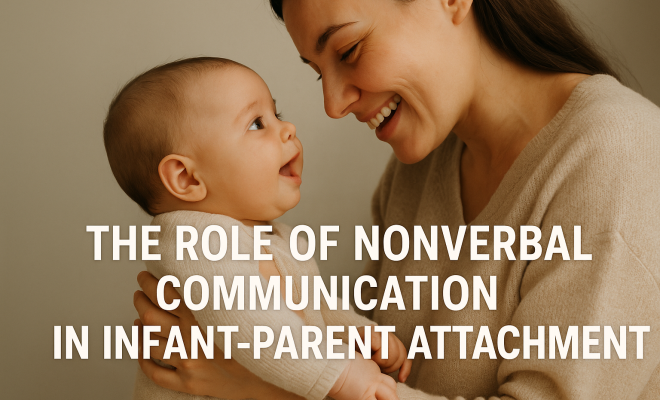
Nonverbal communication plays a pivotal role in the development of infant-parent attachment, shaping the emotional landscape of early relationships. This form of communication encompasses a variety of nonverbal cues, including facial expressions, eye contact, body language, and touch. Understanding how these elements interact provides crucial insights into the attachment process and highlights the profound impact of early interactions on a child’s emotional and social development.
Understanding Nonverbal Communication
Before diving into its specific role in infant-parent attachment, it’s important to define what nonverbal communication entails. This type of communication refers to the transmission of messages or signals through means other than words. The most common forms of nonverbal communication include:
- Facial Expressions: The human face can convey a range of emotions, from joy and surprise to sadness and anger.
- Gestures: Movements of the hands and arms can express feelings or intentions.
- Posture and Body Language: The way one stands or moves can indicate confidence, openness, or defensiveness.
- Eye Contact: Engagement through eye contact can enhance connection or signal interest.
- Touch: Physical contact is crucial in establishing bonds, especially in infant-caregiver relationships.
The Importance of Attachment
Attachment theory, pioneered by psychologist John Bowlby, posits that early relationships between infants and their primary caregivers serve as the foundation for emotional and social development. A secure attachment fosters a sense of safety and trust, which is essential for a child’s ability to explore the world and form future relationships. The connection established in infancy influences emotional well-being throughout life.
Research indicates that infants who experience secure attachment tend to display better emotional regulation, social skills, and resilience in the face of challenges. Conversely, insecure attachments can lead to difficulties in relationships and increased vulnerability to stress and anxiety.
How Nonverbal Communication Facilitates Attachment
Nonverbal cues are integral to the attachment process, influencing how caregivers and infants interact and connect. Here are key ways in which nonverbal communication supports the formation of healthy attachment:
1. Emotional Synchrony
Emotional synchrony refers to the mutual alignment of emotional states between an infant and a caregiver. When a caregiver responds to an infant’s cries with soothing tones, gentle rocking, or appropriate facial expressions, it fosters a sense of mutual understanding. This synchronization builds trust and reinforces the bond.
2. Expressing Affection
Touch is perhaps the most powerful form of nonverbal communication in the context of infant-parent attachment. Skin-to-skin contact, also known as kangaroo care, has been shown to improve physiological regulation in infants and promotes feelings of security. Caregivers who frequently hold, cuddle, and comfort their babies foster a sense of safety and connection.
3. Responding to Needs
Infants communicate their needs nonverbally, often through cries, facial expressions, or body movements. Caregivers who are attuned to these signals and react appropriately help build a secure attachment. For instance, when a caregiver recognizes a baby’s distress and responds swiftly, it signals to the infant that their needs will be met, reinforcing trust.
4. Encouraging Exploration
When caregivers exhibit positive nonverbal cues, such as smiling and encouraging gestures, it motivates infants to explore their environment. This exploration is vital for cognitive and social development. A securely attached child feels safe to venture out and learn, knowing that their caregiver is nearby to provide support and comfort.
Research Insights on Nonverbal Communication and Attachment
Numerous studies have examined the intricate relationship between nonverbal communication and infant-parent attachment. Research has shown that:
- Infants are highly responsive to the emotional expressions of their caregivers, often mirroring their emotions. This mirroring reinforces attachment bonds and enhances emotional understanding.
- Caregivers who maintain consistent and sensitive nonverbal communication create a secure base for their infants, promoting resilience and adaptability.
- Insecure attachments often correlate with inconsistent nonverbal cues from caregivers, leading to confusion and anxiety in infants.
The Cultural Context of Nonverbal Communication
It’s essential to recognize that nonverbal communication can vary significantly across cultures. Different cultures may interpret the same nonverbal cues in varying ways. For instance, while direct eye contact may be seen as a sign of honesty and engagement in some cultures, it can be perceived as disrespectful or confrontational in others. (See: WHO on adolescent mental health.)
Understanding cultural nuances is crucial for caregivers who seek to form secure attachments with their infants. A caregiver’s awareness of their cultural background and the cultural context of their communication can impact how effectively they respond to their child’s needs.
Practical Strategies for Enhancing Nonverbal Communication
For caregivers seeking to strengthen their nonverbal communication skills and foster secure attachment with their infants, consider implementing the following strategies:
- Be Attentive: Pay close attention to your baby’s nonverbal cues. Responding promptly to cries, coos, and facial expressions can help establish a sense of security.
- Practice Positive Touch: Incorporate gentle touch into your interactions. Holding, rocking, and cuddling are vital for emotional connection.
- Use Expressive Facial Cues: Smile, frown, and utilize a range of facial expressions to communicate feelings. This helps the infant learn about emotions.
- Engage in Shared Activities: Participate in activities that require both caregiver and infant to interact, such as playing peek-a-boo or singing songs. This promotes emotional synchrony.
Challenges in Nonverbal Communication
While nonverbal communication is a powerful tool for fostering attachment, it does come with challenges. Factors such as stress, mental health issues, and societal pressures can impact a caregiver’s ability to engage effectively through nonverbal means. For instance, a caregiver experiencing high levels of stress may struggle to provide consistent emotional support, leading to potential attachment issues.
Recognizing these challenges is the first step toward addressing them. Caregivers should prioritize self-care and seek support to ensure they can communicate effectively with their infants. Support groups, therapy, and community resources can be invaluable in this regard.
The Role of Early Intervention
Early intervention programs can play a crucial role in enhancing nonverbal communication and attachment. These programs often provide support to caregivers, equipping them with the necessary skills to nurture secure attachments with their infants. For example, programs may offer:
- Parenting Classes: These classes often focus on nonverbal communication strategies and emotional regulation techniques.
- Home Visiting Services: Trained professionals can observe interactions between caregivers and infants, providing tailored feedback and support.
- Support Groups: Connecting with other caregivers can offer emotional support and practical advice.
The Current Relevance of Nonverbal Communication in Parenting
In today’s fast-paced world, understanding nonverbal communication in the context of infant-parent attachment has never been more relevant. With the rise of digital communication and social media, many parents may inadvertently overlook the importance of face-to-face interactions and nonverbal cues. The challenge lies in finding a balance between technology and genuine emotional connection.
Moreover, as society becomes increasingly aware of mental health and its impact on parenting, there is a growing emphasis on the importance of self-awareness in nonverbal communication. Caregivers who prioritize their mental well-being are better equipped to foster healthy relationships with their infants.
Deeper Look: The Science Behind Nonverbal Communication
To truly grasp the significance of nonverbal communication in shaping infant-parent attachment, it’s vital to explore the underlying science. Neurobiological studies have shown that the interactions between caregivers and infants activate specific brain regions associated with emotional processing, bonding, and attachment. For example, the release of oxytocin, often referred to as the ‘love hormone,’ plays a crucial role in establishing emotional connections. When a caregiver holds or cuddles an infant, both parties experience a surge in oxytocin levels, reinforcing their bond.
Additionally, research has demonstrated that nonverbal cues significantly affect how infants perceive their caregivers. A study found that infants as young as six months can differentiate between positive and negative nonverbal signals. This ability to interpret emotional cues helps infants form expectations about their caregiver’s availability and responsiveness, directly influencing their attachment style.
Comparative Analysis: Secure vs. Insecure Attachment
Understanding the difference between secure and insecure attachments is crucial in the context of nonverbal communication. Securely attached infants benefit from consistent and responsive nonverbal interactions. These infants are more likely to explore their environment confidently, knowing their caregiver is a reliable source of support. They often exhibit positive social behaviors as they grow, including better relationships with peers and adults.
In contrast, infants with insecure attachments may experience inconsistent nonverbal communication from their caregivers. This inconsistency can manifest as avoidance or anxiety in social situations. These infants might struggle to read emotional cues, leading to challenges in forming healthy relationships later on. Research indicates that insecure attachment styles can result in long-term difficulties, such as increased anxiety, depression, and lower self-esteem.
Expert Perspectives on Nonverbal Communication
Experts in child development emphasize the significance of nonverbal communication in fostering secure attachment. Dr. Mary Main, a notable psychologist known for her work on attachment theory, explains that the subtleties of nonverbal cues can profoundly affect how infants perceive their caregivers. “A caregiver’s ability to read and respond to an infant’s nonverbal signals can create a nurturing environment that promotes secure attachment,” she notes. (See: CDC on positive parenting.)
Additionally, Dr. Allan Schore, a leading researcher in the field of early emotional development, highlights how early experiences shape the brain’s architecture. He asserts, “The nonverbal communication between caregiver and infant is not just about bonding; it’s about setting the emotional templates for future relationships. These early interactions can alter brain development, impacting emotional regulation and interpersonal relationships later in life.”
Statistics on Attachment and Development
Understanding the statistics regarding attachment styles can further clarify the importance of nonverbal communication in infant-parent relationships. According to the American Psychological Association:
- Approximately 60-70% of infants develop secure attachments when caregivers consistently respond to their nonverbal cues.
- Insecure attachment affects around 20-25% of infants, often due to inconsistent or neglectful caregiving.
- Longitudinal studies indicate that securely attached infants are 70% more likely to have positive social interactions as toddlers and children.
- Insecurely attached individuals are three times more likely to experience mental health issues, such as anxiety and depression, in adolescence and adulthood.
Frequently Asked Questions (FAQ)
1. What are the signs of secure vs. insecure attachment in infants?
Infants with secure attachment will typically show confidence in exploring their environment, seek comfort from their caregivers when distressed, and exhibit positive emotions towards their caregivers. In contrast, insecurely attached infants may avoid contact, display anxiety when separated, or show ambivalence in interactions.
2. How can I improve my nonverbal communication with my infant?
Focus on being present and attentive. Practice responsive touch, maintain eye contact, and use varied facial expressions to convey emotions. Engaging in playful interactions can also enhance the nonverbal bond.
3. Can nonverbal communication impact an infant’s development?
Absolutely. Positive nonverbal communication can lead to secure attachment, promoting healthy emotional and social development. In contrast, negative or inconsistent nonverbal cues can hinder attachment and lead to developmental challenges.
4. What role does culture play in nonverbal communication regarding attachment?
Culture profoundly influences nonverbal communication. Different cultural norms can dictate how caregivers express affection and respond to an infant’s cues. It’s essential for caregivers to understand and respect these cultural variations to foster secure attachments.
5. Is it possible to change attachment styles later in life?
While early attachment styles can influence behavior, individuals can work towards changing their attachment styles through therapy and healthy relationships. Understanding one’s attachment patterns and addressing them can promote growth and healing.
Social Media and Nonverbal Communication
In a world increasingly dominated by digital communication, the role of nonverbal cues in fostering infant attachments cannot be overstated. While technology can connect us, it often detracts from the face-to-face interactions that are so crucial in the early stages of development. Parents who frequently engage with their infants through screens may miss out on the vital, nonverbal connections that lay the groundwork for secure attachments.
Studies indicate that children who grow up with high screen time may struggle with recognizing facial expressions and interpreting social cues. Limiting screen time and ensuring that interactions with infants focus on direct eye contact, touch, and vocal tones can mitigate these issues. Finding a balance between technology and authentic interaction creates a nurturing atmosphere for attachment.
The Impact of Mental Health on Nonverbal Communication
Caregivers’ mental health significantly influences their ability to engage in effective nonverbal communication. Stress, anxiety, and depression can hinder a caregiver’s responsiveness to an infant’s needs, ultimately affecting attachment security. For example, a caregiver dealing with postpartum depression might find it challenging to engage in positive touch or express warmth through facial expressions.
It’s crucial for caregivers to seek help and support when facing mental health challenges. Therapy, support groups, and community resources can provide the necessary tools for caregivers to enhance their well-being, thereby improving their ability to engage nonverbally with their infants. Prioritizing mental health not only benefits the caregiver but also creates a healthier environment for the child.
Mindfulness and Its Role in Nonverbal Communication
Practicing mindfulness can significantly enhance a caregiver’s nonverbal communication skills. Mindfulness involves being fully present in the moment and aware of one’s thoughts, feelings, and surroundings. When caregivers engage mindfully with their infants, they are more likely to notice subtle nonverbal cues and respond appropriately.
Mindfulness-based practices, such as meditation or deep-breathing exercises, can help caregivers regulate their emotions and reduce stress. This emotional regulation permits caregivers to engage more effectively with their infants, fostering a secure attachment. Simple mindfulness techniques, like focusing on the feel of the baby’s skin during cuddle time or savoring the sounds of cooing, can deepen this connection and enhance nonverbal communication.
Longitudinal Effects of Nonverbal Communication
The effects of nonverbal communication in infancy can extend well into childhood and even adulthood. Research shows that securely attached individuals tend to have healthier relationships, better emotional regulation, and enhanced social skills compared to their insecure counterparts. This lasting impact underscores the critical role that early nonverbal communication plays in shaping future interpersonal dynamics.
For instance, children who experience secure attachment are often better at recognizing and responding to the emotions of others, a skill that is vital for forming friendships and navigating social environments. They are also more likely to excel in academic settings, showing higher levels of engagement and collaboration with peers.
Conclusion: The Lasting Impact of Nonverbal Communication
In conclusion, the role of nonverbal communication in infant attachment is a fundamental aspect of early development that shapes future emotional and social outcomes. By understanding and enhancing nonverbal communication skills, caregivers can cultivate secure attachments that provide a solid foundation for their infants as they grow.
As research continues to evolve in this field, it’s essential for parents, educators, and healthcare providers to remain informed and proactive in fostering the kinds of interactions that build strong, secure connections. The investment in these early relationships has lasting implications for individuals and society as a whole.
“`
Trending Now
Frequently Asked Questions
What is nonverbal communication in infant-parent attachment?
Nonverbal communication in infant-parent attachment refers to the exchange of messages through facial expressions, gestures, body language, eye contact, and touch. These cues are crucial for building emotional bonds and understanding between infants and their caregivers, shaping the child's emotional and social development.
Why is attachment important for infants?
Attachment is vital for infants as it forms the foundation for their emotional and social development. A secure attachment fosters safety and trust, allowing children to explore their environment and build future relationships. It significantly influences their emotional well-being and resilience throughout life.
How does touch affect infant-parent attachment?
Touch plays a crucial role in infant-parent attachment by establishing bonds between the caregiver and the child. Physical contact promotes feelings of security and trust, which are essential for the infant's emotional development and the formation of healthy relationships.
What are the key components of nonverbal communication?
The key components of nonverbal communication include facial expressions, gestures, posture and body language, eye contact, and touch. Each of these elements conveys emotions and intentions, significantly impacting interactions and relationships, especially between infants and their parents.
How does secure attachment affect a child's development?
Secure attachment positively influences a child's development by enhancing emotional regulation, social skills, and resilience. Children with secure attachments are more likely to explore their environment confidently and build healthy relationships throughout their lives.
What’s your take on this? Share your thoughts in the comments below — we read every one.