Cardiac Devices & Young Adults: Unveiling Psychological Distress
“`html
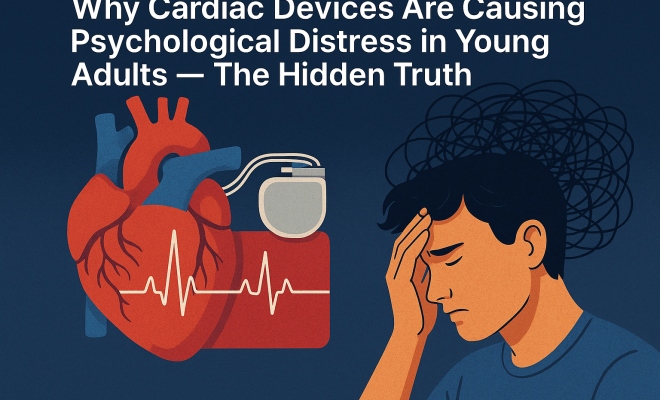
The integration of cardiac implantable electronic devices (CIEDs) into modern medicine has undeniably transformed the landscape of cardiac care. These sophisticated devices, which include pacemakers, implantable cardioverter-defibrillators (ICDs), and cardiac resynchronization therapy devices, have been hailed as life-saving innovations. However, a recent study published in the Journal of the American Heart Association has unveiled a startling and troubling correlation: the increasing use of CIEDs among young adults is linked to significant psychological distress and mental disorders.
The Study: Unveiling Hidden Struggles
The study, conducted by a team of researchers, aimed to explore the psychological impact of CIEDs among young adults, a demographic that is often overlooked in discussions about cardiac health. The findings revealed that these individuals are experiencing unprecedented levels of anxiety and depression following the implantation of these devices. While the primary goal of CIEDs is to restore physical health, the mental health implications appear to be alarming.
Researchers utilized surveys and assessments to measure psychological distress, focusing on young adults aged 18 to 30. They discovered that the mere presence of a CIED can act as a constant reminder of one’s health vulnerabilities, exacerbating feelings of anxiety and fears about the future. This connection raises critical questions about the holistic impact of medical technologies on patient well-being.
The Irony of Medical Advancements
It’s a bitter irony that advancements in medical technology, which are designed to improve quality of life, can simultaneously lead to psychological distress. CIEDs can save lives by correcting serious heart conditions, yet they can also trigger feelings of fear and uncertainty in patients. The presence of these devices can remind patients of their underlying health issues, leading to a cycle of anxiety.
This phenomenon is particularly evident among young adults, who may already be grappling with identity formation, career pressures, and social relationships. The added weight of living with a cardiac device can distort their life perspective, making it difficult to engage fully with life’s opportunities.
The Psychological Toll: Statistics that Speak Volumes
The study’s findings are sobering. According to the data, nearly 40% of young adults with CIEDs reported symptoms consistent with anxiety disorders, while around 30% experienced significant depressive symptoms. These numbers are in stark contrast to the general population, where anxiety and depression rates hover around 18% and 8%, respectively. This disparity underscores the urgent need for mental health support in conjunction with cardiac care.
Moreover, the researchers found that the psychological distress was not solely linked to the medical procedures involved in the implantation of these devices. Instead, it was also tied to the patients’ ongoing concerns about the device’s functionality, lifestyle limitations, and the fear of device malfunction. The mental health ramifications are often overshadowed by the focus on physical health outcomes, creating a gap in comprehensive patient care.
Social Media: A Platform for Fear and Misinformation
In recent months, the topic of psychological distress among young adults with CIEDs has surged in online discussions, particularly on social media platforms. Families and patients are actively searching for information about the psychological risks associated with these devices, driven by a compelling ‘need to know’ impulse. As the findings gain traction, the narrative is also generating significant social media engagement.
This rise in online conversations highlights a critical moment in healthcare where individuals are seeking validation and understanding of their experiences. However, it also opens the door to the potential spread of misinformation. Without accurate information and guidance, patients may feel more isolated and fearful, exacerbating their psychological distress.
The Role of Healthcare Providers
Healthcare providers play a crucial role in addressing the psychological needs of patients with CIEDs. Unfortunately, many practitioners may not fully recognize the extent of the mental health impact associated with these devices. This oversight can lead to insufficient support for patients who are struggling to cope.
To bridge this gap, it is essential for healthcare professionals to initiate open conversations about mental health with their patients. Screening for anxiety and depression should be standard practice for young adults undergoing procedures related to CIEDs. Providers should also offer resources for psychological support, such as counseling services or support groups. Early intervention can play a pivotal role in improving patient outcomes and quality of life.
Building a Supportive Community
As young adults navigate the complexities of living with cardiac devices, creating a supportive community can foster resilience and offer a sense of belonging. Patient advocacy groups and online forums can provide invaluable platforms for sharing experiences and coping strategies. Such spaces can help alleviate feelings of isolation and empower individuals to reclaim their mental well-being. (See: psychological impact of cardiac devices.)
Moreover, peer support initiatives can be instrumental in connecting those who have experienced similar challenges. By sharing their stories, individuals can instill hope in one another and help each other develop healthier coping mechanisms. Encouraging open dialogue around mental health can dismantle the stigma often associated with these discussions, promoting a culture where individuals feel safe to express their vulnerabilities.
Addressing the Stigma: The Need for Awareness
Despite the alarming findings of psychological distress in young adults with CIEDs, the stigma surrounding mental health can prevent individuals from seeking help. Many may feel ashamed or believe that their struggles are insignificant compared to their physical health challenges. This mindset can perpetuate a cycle of silence and suffering.
Raising awareness about the psychological impact of living with CIEDs is paramount. Campaigns that educate both patients and healthcare providers can help shift perceptions and encourage early intervention. Public discussions about mental health in relation to physical ailments can help normalize the conversation and empower individuals to seek the support they need.
Steps Towards Recovery: Practical Recommendations
For young adults grappling with psychological distress after receiving a CIED, there are practical steps that can facilitate recovery. Here are some actionable recommendations:
- Seek Professional Help: Engaging with mental health professionals who understand the unique challenges posed by CIEDs can provide effective coping strategies and support.
- Join Support Groups: Connecting with others who share similar experiences can help alleviate feelings of isolation and provide a safe space for sharing concerns.
- Educate Yourself: Understanding your condition and the device can empower you and reduce anxiety. Knowledge can be a powerful tool in managing fear.
- Practice Mindfulness: Techniques such as meditation, yoga, and deep breathing exercises can help manage anxiety and improve overall mental well-being.
- Communicate Openly: Sharing your feelings with friends, family, and healthcare providers can foster support and understanding.
By taking proactive steps, young adults can reclaim their mental health and improve their quality of life while living with a CIED.
The Future of Cardiac Care: A Holistic Approach
The revelations from the recent study serve as a wake-up call for the medical community. As cardiac devices become more commonplace, there is an urgent need to incorporate mental health considerations into the treatment protocol for young adults. A holistic approach that addresses both physical and psychological health can lead to better outcomes and improved quality of life.
Future research should continue to explore the psychological impact of CIEDs, ensuring that mental health remains a central focus in the conversation surrounding cardiac care. By prioritizing mental well-being alongside physical health, we can cultivate a healthcare system that genuinely supports all aspects of patient life.
Understanding Psychological Distress: Definitions and Insights
Psychological distress encompasses a broad range of emotional suffering that can significantly affect daily living. It’s essential to understand this concept, especially among young adults who are adjusting to life changes, educational pressures, and social dynamics. Psychological distress is not a standalone issue; its manifestations are often intertwined with biological and environmental factors.
For young adults with CIEDs, symptoms of psychological distress may include chronic worry, increased heart rate, sleep disturbances, and feelings of hopelessness. In some cases, these symptoms can escalate to more severe mental health conditions, such as generalized anxiety disorder or major depressive disorder.
Statistics on Psychological Distress in Young Adults
In recent years, the overall mental health of young adults has drawn concern. According to Mental Health America, 91% of young adults report facing significant stress, and about 65% experience mental health challenges that impact their daily lives. When we narrow this down to those with CIEDs, the figures become even more pronounced.
A survey conducted by the American Psychological Association found that young adults with chronic health conditions, including those with CIEDs, are 2.5 times more likely to report symptoms of psychological distress compared to their peers. This highlights the urgent need for targeted mental health resources and interventions specifically designed for this population.
Expert Perspectives on Psychological Distress and CIEDs
Experts in cardiology and psychology emphasize that the psychological consequences of CIEDs cannot be overlooked. Dr. Emily Turner, a psychologist specializing in chronic illness, states, “When we consider the lives of young adults with cardiac devices, we must include mental health in the conversation. These devices may prolong life, but they also create new burdens. Addressing mental health is essential for a holistic approach.”
Additionally, cardiologists are increasingly recognizing the importance of mental health in their treatment plans. Dr. John Roberts, a leading cardiologist, mentions, “We need to look beyond the physical aspects of heart health. Our patients are not just their conditions; they are complex individuals with emotional needs that must be met.” (See: heart health and mental well-being.)
Comparisons with Other Chronic Conditions
The psychological distress faced by young adults with CIEDs mirrors the experiences of those with other chronic health conditions. For example, studies show that individuals with diabetes, autoimmune diseases, and chronic pain often face similar levels of anxiety and depression. This highlights a broader trend across chronic illnesses where the burden of managing both physical symptoms and psychological well-being is prevalent.
Similar to CIED patients, young adults with diabetes report feeling isolated and burdened by their disease management. Often, they must deal with societal misconceptions and stigma surrounding their condition, compounding their mental health challenges.
Frequently Asked Questions (FAQ)
What is psychological distress?
Psychological distress refers to a range of emotional suffering, including anxiety, depression, and feelings of hopelessness. It can arise from various factors, including health conditions, life stressors, and social pressures.
How can I recognize psychological distress in young adults with CIEDs?
Signs of psychological distress can include persistent sadness, excessive worry, changes in sleep patterns, social withdrawal, and difficulty concentrating. If you notice these symptoms in yourself or a loved one, it’s essential to seek professional help.
What resources are available for young adults experiencing psychological distress due to CIEDs?
Resources may include therapy, support groups, educational materials about living with CIEDs, and online forums where patients can connect. Healthcare providers can also recommend specific mental health resources tailored to individuals with chronic health conditions.
How can healthcare providers better support young adults with psychological distress?
Healthcare providers can implement routine mental health screenings, provide education about the psychological impacts of CIEDs, and create referral pathways to mental health services. Building a trusting relationship where patients feel comfortable discussing their feelings can also help.
Are there any coping strategies for managing psychological distress?
Yes! Coping strategies might include mindfulness practices, physical activity, staying connected with friends and family, and participating in group therapy or support groups. It’s essential to find what works best for the individual.
Is there a relationship between CIEDs and the risk of developing PTSD?
Yes, young adults with CIEDs may be at an increased risk for developing post-traumatic stress disorder (PTSD), especially if their cardiac event or implantation experience was traumatic. Symptoms can include intrusive thoughts, heightened anxiety, and flashbacks related to the medical procedure or their health status.
What role does family support play in managing psychological distress?
Family support is crucial for young adults dealing with psychological distress. Open communication and emotional support from family members can significantly affect an individual’s coping mechanisms and overall mental health. Encouraging family involvement in healthcare discussions can enhance the support system.
How can lifestyle changes impact my psychological well-being after receiving a CIED?
Lifestyle changes such as regular physical activity, a balanced diet, and adequate sleep can positively impact mental health. Engaging in these healthy habits can help regulate mood, reduce anxiety levels, and enhance overall well-being, making it easier to manage the psychological aspects of living with a CIED.
The Broader Implications of Psychological Distress in Young Adults
Understanding the broader implications of psychological distress in young adults with CIEDs sheds light on the urgent need for integrated healthcare approaches. The consequences of mental health issues extend beyond individual experiences; they can affect relationships, academic performance, and even employment opportunities. Young adults are at a critical life stage where establishing careers and social connections is essential, and psychological distress can hinder these pursuits.
Research indicates that untreated psychological distress can lead to poorer adherence to medical regimens and increased healthcare costs. This cycle not only affects the individual but also places a significant burden on the healthcare system. Addressing mental health proactively can lead to improved health outcomes and a reduction in overall healthcare expenditures.
Innovative Approaches to Addressing Psychological Distress
To combat the psychological distress experienced by young adults with CIEDs, innovative approaches are emerging. Telehealth services are becoming increasingly popular, providing young adults with easier access to mental health resources. Virtual therapy sessions have proven effective, particularly for those who may be hesitant to seek help in person. Mobile applications geared toward mental wellness can also provide coping strategies and resources at users’ fingertips, making it easier to manage symptoms on the go.
Additionally, integrating mental health professionals into cardiology clinics can create a more comprehensive care model. By having psychologists or counselors available during routine check-ups, patients can receive immediate support and referrals if needed, ensuring that mental health is not an afterthought.
Community Outreach and Education
Community outreach programs can also play a vital role in addressing psychological distress among young adults with CIEDs. Educational workshops that inform patients and their families about the psychological aspects of living with cardiac conditions can empower them to seek help and support each other. These initiatives can help destigmatize mental health issues, encouraging open conversations and proactive management of psychological well-being.
By fostering an environment that prioritizes mental health awareness and community education, we can better equip young adults to navigate the complexities of living with CIEDs while maintaining their psychological resilience.
A Collaborative Path Forward
Moving forward, collaboration between cardiologists, mental health professionals, educational institutions, and community organizations will be essential in addressing psychological distress in young adults with CIEDs. By creating a multidisciplinary approach to care, we can ensure that every aspect of a patient’s health is addressed, leading to more positive outcomes. The integration of mental health into cardiac care is not just beneficial; it’s necessary for the overall well-being of young patients.
Ultimately, it’s about creating a healthcare system that values both mental and physical health equally, recognizing that one cannot exist without the other. Together, we can cultivate an environment that supports young adults in their journey toward both physical heart health and psychological well-being.
Conclusion: A Call to Action
As we move forward, it is crucial to foster an environment where mental health is recognized as an integral part of cardiac care. The psychological distress experienced by young adults with CIEDs should not be a hidden struggle. By promoting open discussions, providing necessary resources, and encouraging supportive communities, we can create a more comprehensive approach to healthcare. Ultimately, we must emphasize that mental well-being is just as important as physical health, especially for those navigating the complexities of living with cardiac devices.
“`
Trending Now
- the complete explanation
- this guide on “social learning theory vs. behaviorism: understanding the role of cognition in learning”
- our breakdown of “understanding nonverbal communication in children: reading body language and facial expressions”
- this guide on “executive function skills in children: a complete guide for parents and teachers”
Frequently Asked Questions
What are cardiac implantable electronic devices (CIEDs)?
Cardiac implantable electronic devices (CIEDs) include pacemakers, implantable cardioverter-defibrillators (ICDs), and cardiac resynchronization therapy devices. These technologies are designed to monitor and treat various heart conditions, significantly improving patient survival rates and quality of life.
How can CIEDs cause psychological distress in young adults?
Recent studies indicate that young adults with CIEDs often experience heightened anxiety and depression. The presence of these devices serves as a constant reminder of health vulnerabilities, leading to increased fears about their future and overall well-being.
What mental health issues are linked to CIEDs?
Young adults with CIEDs are reporting significant levels of anxiety and depression. The psychological impact stems from the constant awareness of their health condition, which can exacerbate feelings of fear and uncertainty about their health.
Why are young adults overlooked in discussions about cardiac health?
Young adults are often overlooked in cardiac health discussions because heart conditions are typically associated with older populations. However, the rise in CIED usage among this demographic highlights the need for greater awareness of their unique psychological challenges.
What should patients consider before getting a CIED?
Patients should consider both the physical benefits and potential psychological impacts of CIEDs. It's important to discuss mental health support options with healthcare providers, as the devices can induce anxiety and affect overall emotional well-being.
What’s your take on this? Share your thoughts in the comments below — we read every one.