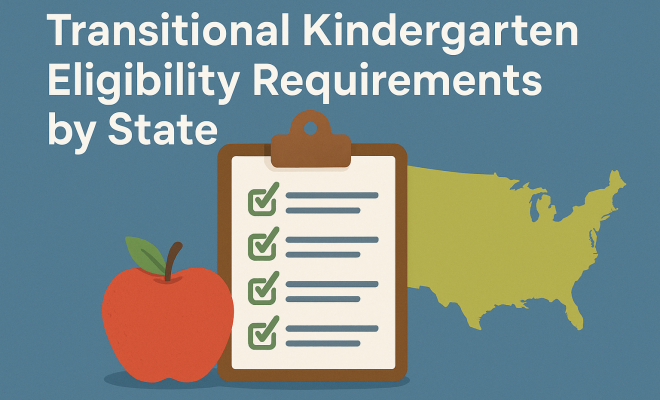
Transitional Kindergarten Eligibility Requirements by State
“`html
As parents and educators increasingly look for ways to provide their children with the best educational start, transitional kindergarten (TK) has emerged as a vital component of early childhood education. This program serves as a bridge between preschool and traditional kindergarten, giving children who are not quite ready for the latter a chance to develop essential skills in a structured environment. Understanding transitional kindergarten eligibility requirements is crucial for parents trying to navigate the educational landscape for their little ones. Each state has its own set of guidelines, and this article will delve into the specifics of those requirements, providing clarity and insights.
What is Transitional Kindergarten?
Transitional kindergarten is designed to cater to children who turn five years old after the cutoff dates for traditional kindergarten. The program focuses on social, emotional, and academic readiness, creating a nurturing environment where children can develop key skills. TK is not merely an extension of preschool; it integrates foundational concepts that prepare children for the rigors of kindergarten. Programs often emphasize play-based learning, fostering curiosity and a love for learning.
The idea behind transitional kindergarten is rooted in educational research that suggests children develop at different rates. Some children may benefit from an additional year of foundational skills before entering the more structured setting of kindergarten. This flexibility can significantly impact a child’s long-term educational trajectory.
Why Transitional Kindergarten Matters
Transitional kindergarten offers numerous benefits. Research consistently shows that children who attend TK are more likely to thrive academically and socially once they enter traditional schooling. They gain critical social skills, such as sharing and taking turns, and develop early literacy and numeracy skills through play-based and hands-on activities.
Furthermore, TK serves as a space for parents to engage with their child’s educational journey, helping them to understand developmental milestones and educational expectations. For many families, TK can also alleviate concerns about their child’s readiness for kindergarten, ensuring a smoother transition into elementary education.
Transitional Kindergarten Eligibility: A State-by-State Breakdown
Eligibility requirements for transitional kindergarten can vary significantly from state to state. Some states have clear guidelines based on age, while others may consider additional factors such as developmental assessments. Here’s a closer look at the eligibility criteria across various states:
California
California is often at the forefront of early education trends, and its transitional kindergarten program reflects that. To be eligible for TK in California, children must turn five years old between September 2 and December 2 of the enrollment year. The program is available in all public school districts across the state. California’s TK curriculum emphasizes social and emotional development along with academic skills.
Florida
In Florida, the eligibility for transitional kindergarten, known as Voluntary Prekindergarten (VPK), is available for children who turn four years old by September 1. Although this designation is more aligned with preschool, VPK serves as a preparatory program that can lead into kindergarten. Parents can utilize VPK as a stepping stone to enhance their child’s readiness for formal schooling.
New York
New York’s approach to transitional kindergarten varies by district. Generally, children who turn five years old by December 31 of the enrollment year are eligible for kindergarten. However, some districts offer pre-kindergarten programs that act similarly to transitional kindergarten, allowing children to develop skills necessary for entering kindergarten. Parents should check with their local school district for specific programs available in their area.
Texas
In Texas, the eligibility for transitional kindergarten—or, more accurately, pre-kindergarten—applies to children who are four years old on or before September 1. Texas has specific guidelines regarding eligibility, particularly for children from low-income families, children who are homeless, or those with disabilities. This initiative aims to provide equitable access to early education for all children.
Illinois
Illinois has taken a slightly different route by focusing on early childhood education standards rather than defining a strict transitional kindergarten program. The state mandates that children be five years old by September 1 to enroll in kindergarten. However, various districts offer pre-kindergarten programs with no strict age requirement, allowing for a more flexible approach to early education. (See: Early Childhood Education resources.)
Washington
In Washington, transitional kindergarten is part of the Early Childhood Education and Assistance Program (ECEAP), which serves children ages three to five from low-income families. The eligibility typically focuses on children who are four years old by August 31. This program emphasizes school readiness through comprehensive services, including education, health, and family support to promote overall well-being.
Colorado
Colorado offers a unique blend of kindergarten readiness programs, including early kindergarten programs for children who turn five by October 1 of the enrollment year. Additionally, some districts have their own transitional kindergarten options with varying eligibility criteria. As in many states, parents are encouraged to consult their local school district for the most accurate information.
Massachusetts
In Massachusetts, eligibility for kindergarten is centered on children turning five years old by September 1. Some districts may offer pre-kindergarten programs that function similarly to transitional kindergarten but vary in availability and structure. Parents looking for transitional options should research community-based programs that may offer similar opportunities for early learning.
North Carolina
North Carolina has a well-established pre-kindergarten program called the NC Pre-K program aimed at children who are four years old by August 31. While not specifically termed as transitional kindergarten, this program prepares children for kindergarten through structured educational experiences. The state prioritizes children from economically disadvantaged backgrounds, ensuring they receive the necessary support for a successful transition to school.
Key Considerations for Parents
When researching transitional kindergarten eligibility, there are several factors parents should keep in mind:
- Age Cutoff Dates: Understanding your state’s cutoff dates is essential, as they directly affect eligibility.
- Developmental Readiness: Every child develops at their own pace. Consider whether your child is socially and emotionally ready for a school environment.
- Program Quality: Not all TK programs are created equal. Investigate the curriculum, staff qualifications, and student-to-teacher ratios.
- Family Engagement: Programs that encourage parent involvement often lead to better outcomes for children, fostering a supportive learning environment.
- Local Resources: Many communities offer additional resources, such as assessments and workshops, to help parents make informed decisions about their child’s education.
The Impact of Transitional Kindergarten on Future Learning
Research shows that children who participate in well-structured transitional kindergarten programs often outperform their peers in later grades. A study by the National Institute for Early Education Research (NIEER) revealed that children who attended TK demonstrated better literacy and math skills as they progressed through elementary school.
Moreover, TK can contribute to reduced rates of special education placement and increased high school graduation rates, proving that investing in early education has lasting benefits. The social skills gained in TK can also enhance children’s ability to collaborate and communicate effectively in diverse settings.
Challenges and Limitations of Transitional Kindergarten
While the benefits of transitional kindergarten programs are substantial, they are not without challenges. Funding disparities can lead to inequitable access in various districts, particularly in low-income areas. Additionally, not all states mandate TK programs, which can leave some children without access to the resources they need to succeed.
Moreover, parents may encounter confusion regarding eligibility requirements, leading to missed opportunities for enrollment. It’s essential for families to stay informed and proactive when it comes to their child’s educational journey, advocating for access to quality transitional kindergarten programs.
Future Trends in Transitional Kindergarten
The landscape of transitional kindergarten is continually evolving. As early childhood education gains recognition, many states are beginning to invest more in these programs. National conversations around education equity are prompting states to look at their eligibility requirements and program structures.
Experts argue that a more standardized approach to TK eligibility could be beneficial in ensuring that all children have access to early learning opportunities. Initiatives to train educators in early childhood development and provide comprehensive resources to families are also on the rise. This proactive approach can lead to more successful educational outcomes in the long run.
Comparative Analysis of Transitional Kindergarten Programs
Examining transitional kindergarten programs across various states reveals both similarities and differences. For instance, states like California have a clear age-cutoff policy while others, like Illinois, provide a more flexible approach through pre-kindergarten options. The emphasis on social and emotional development is a common thread, yet the implementation can vary significantly based on local resources and funding. (See: Learning and development in early childhood.)
In California, the TK curriculum is heavily influenced by the state’s commitment to early educational standards, which is reflected in the training of teachers and the quality of materials used in classrooms. Conversely, states with less funding focused on early education may struggle to provide the same level of resources or trained professionals, which can lead to varied educational experiences for children.
Additionally, research indicates that states investing in professional development for educators see better outcomes in transitional kindergarten programs. For example, initiatives in Oregon focus on enhancing teacher qualifications and provide ongoing training, which has shown to improve children’s learning experiences significantly.
Statistics Supporting Transitional Kindergarten Benefits
Statistics highlight the positive impact of transitional kindergarten on students’ long-term success:
- Higher Academic Achievement: According to a study from the University of California, children who attended TK scored an average of 20% higher in math and literacy assessments than their peers who did not.
- Reduced Special Education Needs: The National Center for Education Statistics reports that children who attended TK are 30% less likely to require special education services in later grades, reflecting the program’s effectiveness in addressing early learning gaps.
- Social-Emotional Skills Development: Research from the American Educational Research Association indicates that children in TK programs show improved social-emotional skills, leading to better classroom behavior and peer relationships.
Expert Perspectives on Transitional Kindergarten
Experts in early childhood education emphasize the importance of transitional kindergarten in fostering holistic child development. Dr. Laura Jana, a pediatrician and author, notes that “TK serves as a crucial intervention for many children who may struggle with the transition to kindergarten, providing them with the social and academic skills needed to thrive.”
Dr. Robert Pianta, a leading researcher in early childhood education, states that “the benefits of transitional kindergarten are particularly pronounced for children from disadvantaged backgrounds. It levels the playing field, allowing children to start their educational journey with the skills they need to succeed.”
Further, educational policy analyst Dr. Rachael Gabriel argues that “as states continue to refine their early education policies, transitional kindergarten should remain a priority, particularly in addressing educational inequities and ensuring all children are prepared for the demands of school.”
Frequently Asked Questions (FAQ)
What is the purpose of transitional kindergarten?
Transitional kindergarten serves to bridge the gap between preschool and kindergarten, helping children who may not yet be socially or academically ready for a traditional kindergarten setting. It focuses on developing foundational skills through play-based learning.
How do I determine if my child is eligible for transitional kindergarten?
Eligibility varies by state, typically depending on your child’s age and sometimes developmental assessments. Check your local school district’s requirements to find specific eligibility criteria for your area.
Is transitional kindergarten the same as preschool?
No, transitional kindergarten is distinct from preschool. While preschool focuses primarily on early learning in a less structured environment, TK is designed to prepare children for kindergarten with a curriculum that emphasizes both academic skills and social-emotional development.
How can I find transitional kindergarten programs in my area?
Start by visiting your state’s education department website or contacting your local school district. They can provide information on available transitional kindergarten programs, their requirements, and enrollment processes.
Are there costs associated with transitional kindergarten programs?
Many public school districts offer transitional kindergarten at no cost. However, some private institutions may charge tuition. It’s essential to inquire about costs when researching programs.
Can my child attend transitional kindergarten if they are already enrolled in preschool?
Yes, children can attend transitional kindergarten even if they are currently enrolled in preschool. Many families choose this option to ensure their child develops the necessary skills for kindergarten.
The Role of Transitional Kindergarten in Addressing Educational Inequity
Transitional kindergarten plays a pivotal role in addressing educational inequity, particularly for children from underserved backgrounds. Programs designed specifically for low-income families often provide additional resources, support, and enrichment opportunities. This level of intervention can help level the playing field, ensuring that all children, regardless of their socioeconomic status, have access to quality early education.
States like California have invested heavily in TK programs, aiming to provide equitable access to education. For instance, funding initiatives have been aimed at increasing the number of TK classrooms in low-income neighborhoods, allowing families who might otherwise be unable to afford preschool the chance to prepare their children for future academic success.
How Transitional Kindergarten Supports Diverse Learning Needs
Transitional kindergarten is particularly beneficial for children with diverse learning needs. The emphasis on social-emotional learning and individualized approaches allows educators to cater to various developmental stages and learning styles. This environment is conducive to children who might struggle in traditional kindergarten settings, offering them the time and space to catch up.
Programs often incorporate specialized strategies, such as differentiated instruction, and provide additional support for children with disabilities. For example, many TK classrooms use multi-sensory teaching techniques that engage children in various ways, accommodating visual, auditory, and kinesthetic learners alike. By creating an inclusive environment, TK programs can foster a sense of belonging and community among all students.
Supporting Your Child’s Transition to Kindergarten
Parents play an essential role in supporting their child’s transition to kindergarten, and understanding transitional kindergarten eligibility is just the beginning. Here are some practical tips for parents:
- Stay Involved: Attend school meetings and engage with teachers to understand how best to support your child’s growth.
- Encourage Learning at Home: Read together, explore math concepts with everyday objects, and create opportunities for social interaction with peers.
- Foster Independence: Help your child develop self-help skills, such as dressing themselves and managing personal belongings, which are crucial for a successful school experience.
- Communicate Openly: Talk about the upcoming transition and what kindergarten will be like to help ease any anxiety your child may have.
- Be Patient: Recognize that adjustments take time, and every child’s transition is unique. Celebrate small milestones along the way.
Conclusion
Understanding transitional kindergarten eligibility is crucial for parents seeking the best educational path for their children. Each state has its own regulations, but what remains consistent is the importance of early childhood education. By paying attention to eligibility requirements and advocating for quality programs, parents can help ensure a successful transition for their little ones as they embark on their educational journey.
“`
Trending Now
Frequently Asked Questions
What are the eligibility requirements for transitional kindergarten?
Eligibility for transitional kindergarten typically depends on the child's age and birthdate. Children who turn five after the kindergarten cutoff date set by their state can enroll in TK. Specific requirements may vary by state, so it's important for parents to check local guidelines.
How does transitional kindergarten differ from preschool?
Transitional kindergarten differs from preschool in that it focuses on preparing children for kindergarten through a structured curriculum that emphasizes social, emotional, and academic skills. While preschool may offer play-based learning, TK integrates foundational concepts to ensure children are ready for the rigors of traditional kindergarten.
What age do children typically start transitional kindergarten?
Children usually start transitional kindergarten at age four, specifically those who turn five after their state's kindergarten cutoff date. This program serves as a bridge, allowing children to develop necessary skills before entering the more structured environment of kindergarten.
What benefits does transitional kindergarten provide?
Transitional kindergarten offers several benefits, including enhanced social skills, early literacy and numeracy development, and a smoother transition to traditional schooling. Research indicates that children who attend TK are more likely to thrive academically and socially in the long run.
Is transitional kindergarten mandatory?
Transitional kindergarten is not mandatory; it is an optional program designed to support children who may need additional time to develop foundational skills before entering kindergarten. Parents can choose to enroll their child in TK based on their individual readiness and needs.
What’s your take on this? Share your thoughts in the comments below — we read every one.