How Conscious Discipline Teaches Emotional Regulation Skills
“`html
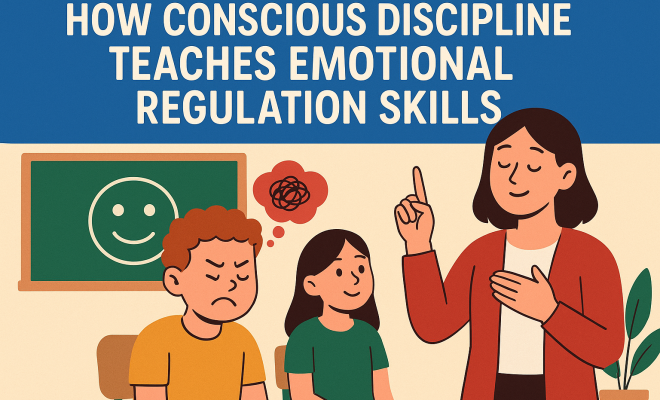
In recent years, the concept of conscious discipline emotional regulation has gained traction among educators, parents, and mental health professionals. But what exactly is conscious discipline, and how does it facilitate emotional regulation skills? This comprehensive exploration will uncover the key principles of conscious discipline, its historical background, the techniques it employs, and its significant relevance in today’s world.
Understanding Conscious Discipline
Conscious discipline is more than just a set of strategies for managing behavior; it’s a comprehensive, trauma-informed approach to social-emotional learning, discipline, and self-regulation. Developed by Dr. Becky Bailey in the late 1990s, the framework integrates social-emotional learning with discipline, fostering a sense of safety, connection, and problem-solving skills among children and adults alike.
At its core, conscious discipline focuses on teaching individuals how to manage their emotions and behaviors in a constructive manner. Rather than merely addressing surface-level behaviors, it encourages a deeper understanding of emotional responses and their triggers, aiming to transform challenging moments into opportunities for connection and growth.
The Foundational Principles of Conscious Discipline
There are several foundational principles that make conscious discipline effective in promoting emotional regulation. These principles establish a framework for educators and caregivers to create a safe, supportive environment conducive to emotional learning.
- Safety: The first principle emphasizes creating a safe environment, both physically and emotionally. Children must feel secure to explore their feelings and learn to express them appropriately.
- Connection: Building strong connections with children fosters a sense of belonging. When children feel connected to their caregivers and peers, they are more likely to engage in positive behaviors.
- Problem-solving: Rather than simply punishing undesirable behavior, conscious discipline promotes problem-solving. Children learn to recognize their emotions and develop strategies to address challenges effectively.
Historical Context and Development
The roots of conscious discipline can be traced back to various fields, including psychology, education, and neuroscience. Dr. Bailey, who holds a Ph.D. in child development, drew from her extensive experience working with children and families to create a comprehensive framework that blends these disciplines.
Dr. Bailey identified that traditional discipline methods often failed to address the underlying emotional needs of children, leading to cycles of misbehavior and punitive responses. This realization prompted her to develop a model that prioritizes emotional intelligence and resilience, ultimately resulting in the birth of conscious discipline.
The Role of Emotional Regulation in Child Development
Emotional regulation is a critical skill that influences a child’s overall well-being and development. It empowers children to manage their emotions, cope with stress, and interact positively with peers and adults. Understanding the significance of emotional regulation is essential for educators and parents seeking to implement conscious discipline effectively.
Research shows that children who possess strong emotional regulation skills are better equipped to handle challenges, adapt to new situations, and form healthy relationships. Conversely, difficulties in emotional regulation can lead to behavioral issues, academic struggles, and mental health challenges.
How Conscious Discipline Teaches Emotional Regulation Skills
Conscious discipline employs a variety of techniques to teach children emotional regulation skills. Here are some of the primary strategies:
- Mindfulness Practices: Mindfulness exercises, such as deep breathing and visualization, help children become aware of their emotions and learn to calm themselves during moments of distress. These practices encourage children to pause and reflect before reacting, enhancing their ability to manage their feelings.
- Emotional Literacy: Teaching children to identify and label their emotions is a key component of emotional regulation. Conscious discipline incorporates activities that promote emotional literacy, enabling children to articulate their feelings and understand those of others.
- Role-Playing: Through role-playing scenarios, children can practice responding to various emotional situations. This experiential learning allows them to develop coping strategies and explore alternative ways to handle their emotions.
Real-Life Applications: Success Stories
The implementation of conscious discipline in schools and homes has yielded remarkable success stories. Educators across the globe have reported significant improvements in student behavior, academic engagement, and emotional intelligence. (See: Mental Health and Emotional Regulation.)
For instance, a school district in California adopted conscious discipline as part of its behavioral intervention strategy. Over the course of a year, the district documented a 40% reduction in suspensions, coupled with an increase in positive student-teacher interactions. Teachers noted that students were more willing to engage in discussions about their feelings and work collaboratively to resolve conflicts.
Another notable example comes from a preschool in New York City, where educators integrated conscious discipline into their daily routines. The school saw a 50% decrease in classroom disruptions and an increase in cooperative play among children. Parents reported that their children were more communicative at home, often sharing their feelings and concerns. This clear correlation between conscious discipline practices and positive emotional outcomes highlights the effectiveness and adaptability of the framework.
Challenges and Considerations
While the benefits of conscious discipline are evident, it’s essential to acknowledge that implementing this approach can come with challenges. For educators and parents transitioning from traditional disciplinary methods, the shift to conscious discipline may require a significant mindset change.
Some common challenges include:
- Resistance to Change: Adults accustomed to punitive discipline may find it difficult to embrace a more compassionate approach. Overcoming this resistance requires training, support, and a willingness to adapt.
- Consistency: For conscious discipline to be effective, it must be consistently applied across all settings, including home and school. Inconsistencies can lead to confusion and undermine the objectives of the framework.
Current Relevance: A Timely Approach to Emotional Well-Being
In our increasingly complex world, the need for effective emotional regulation skills has never been more critical. With rising rates of anxiety, depression, and behavioral issues among children and adolescents, frameworks like conscious discipline provide valuable tools for fostering emotional resilience.
Additionally, the COVID-19 pandemic highlighted the importance of emotional well-being. Many families faced unprecedented challenges during this time, making emotional regulation skills essential for navigating stress and uncertainty. The adaptability of conscious discipline in remote learning environments further underscores its relevance in today’s educational landscape.
Practical Insights for Implementation
For those interested in incorporating conscious discipline in their practice or home, here are some practical insights:
- Training and Professional Development: Invest in training sessions or workshops to understand the principles of conscious discipline fully. Educators can benefit from professional development opportunities that provide tools and resources for implementation.
- Modeling the Behavior: Adults must model emotional regulation skills themselves. Demonstrating how to express feelings, cope with stress, and engage in mindful practices sets a powerful example for children.
- Create a Safe Space: Designate areas in the classroom or home for children to practice mindfulness or engage in calming activities. Having a physical space for emotional reflection can aid in the development of self-regulation skills.
Expanding on Emotional Regulation: Techniques Beyond Conscious Discipline
While conscious discipline offers a robust framework for emotional regulation, it’s important to note that there are various complementary techniques that can enhance the practice. Here are a few effective methods:
- CBT Techniques: Cognitive Behavioral Therapy (CBT) provides tools for children to recognize and reframe negative thoughts, which can significantly improve emotional regulation. Techniques such as thought journals can help children articulate their feelings and understand the connection between feelings and behaviors.
- Social Stories: For younger children or those with developmental challenges, social stories can illustrate appropriate emotional responses in various situations. These narratives offer relatable scenarios that help children visualize and practice emotional regulation.
- Emotion Cards: Using cards with different emotions depicted can help children identify and communicate how they feel. This can be particularly useful in classroom settings where verbal expression may sometimes be challenging.
The Impact of Technology on Emotional Regulation
As technology continues to evolve, its influence on emotional regulation among children cannot be overlooked. Digital tools and apps designed for mindfulness and emotional awareness are becoming increasingly popular. These platforms can provide interactive ways for children to engage in emotional regulation exercises.
For example, apps like Headspace and Calm offer guided meditations that are appropriate for children, promoting mindfulness practices directly through their devices. This can be a powerful adjunct to conscious discipline, especially in engaging tech-savvy kids. Schools are beginning to integrate these tools into their curricula, providing students with modern resources to aid in their emotional development. (See: Behavioral Interventions and Treatment.)
Expert Opinions and Perspectives
Experts in the fields of psychology and education consistently advocate for approaches like conscious discipline. Dr. Daniel Siegel, a well-known clinical professor of psychiatry, emphasizes the necessity of integrating emotional awareness into educational practices. He argues that emotional regulation is a cornerstone of effective learning and interpersonal relationships.
Additionally, educational psychologists highlight the importance of fostering emotional intelligence as foundational to academic success. They note that students who can manage their emotions are more likely to engage positively in their learning environments, leading to greater academic achievement.
Frequently Asked Questions
What age group is best suited for conscious discipline?
Conscious discipline can be effectively implemented with children as young as three years old. The principles can also be adapted for older children and adolescents, making it a versatile approach throughout various developmental stages.
How can parents reinforce conscious discipline at home?
Parents can apply conscious discipline techniques by modeling emotional regulation, discussing feelings openly, and encouraging their children to express emotions in healthy ways. Setting aside time for family meetings to resolve conflicts or share feelings can also strengthen familial bonds.
Are there specific training programs for educators?
Yes, there are numerous training programs available for educators looking to implement conscious discipline. Workshops, online courses, and coaching sessions are offered through various organizations, including Dr. Bailey’s Conscious Discipline website and local educational institutions.
What should I do if my child’s school does not utilize conscious discipline?
If your child’s school does not currently use conscious discipline, consider advocating for its adoption by discussing its benefits with school administrators or forming a parent group to explore resources and training opportunities.
Can conscious discipline coexist with other behavior management strategies?
Absolutely! Conscious discipline can complement existing behavior management strategies. The key is to ensure that all methods align with the principles of emotional safety and connection that conscious discipline emphasizes.
Other Educational Frameworks Supporting Emotional Regulation
While conscious discipline is a powerful method for promoting emotional regulation, it is beneficial to explore other educational frameworks that also emphasize emotional intelligence and social skills. Programs such as Social and Emotional Learning (SEL) and Positive Behavioral Interventions and Supports (PBIS) offer different approaches that can be integrated alongside conscious discipline.
SEL frameworks focus broadly on developing emotional intelligence through structured lessons that teach self-awareness, self-management, social awareness, relationship skills, and responsible decision-making. Research indicates that schools implementing SEL see improved academic performance and better emotional behavior among students.
PBIS, on the other hand, is a proactive approach aimed at improving social behavior through positive reinforcement and support. This method can be complementary to conscious discipline by creating an overarching system of support that encourages positive behavior while teaching emotional regulation. Together, these frameworks can create a rich environment for children’s emotional development.
The Importance of Community Involvement
Community support plays a vital role in the success of emotional regulation initiatives in schools. Engaging families and community members can strengthen the implementation of conscious discipline and similar frameworks. Schools can host workshops where parents learn the principles of conscious discipline, equipping them with the skills to reinforce these strategies at home.
Additionally, partnerships with local mental health organizations can provide valuable resources such as counseling, workshops, and support groups for families. Building a community around emotional health fosters a culture where emotional regulation becomes a collective priority, benefiting the entire ecosystem around children.
Evaluating the Impact of Conscious Discipline
Assessing the effectiveness of conscious discipline requires a multi-faceted approach. Schools can implement regular evaluations to measure the impact of the program on student behavior, academic performance, and emotional well-being. Surveys and feedback from students, parents, and teachers can provide valuable insights into how well the principles are being integrated into daily life.
Data collection can include tracking behavioral incidents, assessing emotional intelligence through standardized assessments, and measuring academic outcomes over time. These evaluations not only help in refining the approach but also in demonstrating the value of conscious discipline to stakeholders, thus securing ongoing support.
Conclusion: The Future of Conscious Discipline in Emotional Regulation
As we move forward, the integration of conscious discipline in educational settings and homes will play a vital role in shaping emotionally intelligent individuals. Through its focus on emotional regulation, connection, and problem-solving, conscious discipline equips children with the skills they need to thrive in an ever-changing world.
Given the current landscape of mental health among youth, frameworks like conscious discipline are not just beneficial; they’re essential. By prioritizing emotional well-being, we can cultivate a generation of resilient, empathetic, and self-regulated individuals who are prepared to face life’s challenges with confidence.
“`
Trending Now
- How to Differentiate Instruction Without Relying…
- our breakdown of why developmentally appropriate practice matters for long-term success
- our breakdown of bloom’s taxonomy in elementary school: age-appropriate applications
- this guide on socratic seminar vs. traditional discussion: key differences
- this guide on bloom’s taxonomy question stems for every level
Frequently Asked Questions
What is conscious discipline?
Conscious discipline is a comprehensive, trauma-informed approach to social-emotional learning and self-regulation developed by Dr. Becky Bailey. It focuses on teaching individuals how to manage emotions and behaviors constructively, transforming challenging moments into opportunities for connection and growth.
How does conscious discipline help with emotional regulation?
Conscious discipline helps with emotional regulation by creating a safe environment where individuals can explore and express their feelings. It emphasizes understanding emotional responses and their triggers, promoting positive behaviors through strong connections with caregivers and peers.
What are the core principles of conscious discipline?
The core principles of conscious discipline include Safety, Connection, and Problem-Solving. These principles guide educators and caregivers in creating supportive environments that foster emotional learning and help individuals manage their emotions effectively.
Who developed conscious discipline?
Conscious discipline was developed by Dr. Becky Bailey in the late 1990s. It integrates social-emotional learning with discipline to promote safety, connection, and problem-solving skills among children and adults.
Why is emotional regulation important?
Emotional regulation is crucial as it allows individuals to manage their emotions and behaviors in a constructive way. This skill is essential for building strong relationships, improving mental health, and fostering resilience in both children and adults.
Have you experienced this yourself? We’d love to hear your story in the comments.