Political Misinformation’s Rise: A Threat to Democracy
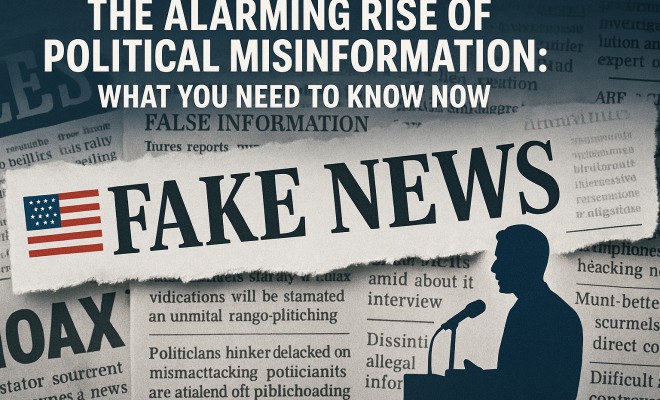
“`html
Introduction
In recent years, the phenomenon of political misinformation has surged to the forefront of social and political discourse. This is not just a minor issue; it’s a critical challenge that threatens the very fabric of democracy. In an age where information spreads faster than ever, understanding the implications of misinformation is vital for an informed electorate. But what exactly is political misinformation, and why should you care?
Defining Political Misinformation
At its core, political misinformation refers to false or misleading information related to political events, figures, policies, or ideologies. The term encompasses a wide array of content, from outright lies to half-truths and manipulated statistics. Misinformation can appear in various forms, including social media posts, news articles, and even official statements from public figures.
Understanding the nuances of political misinformation is critical. For example, misinformation can be intentional—where sources knowingly spread false information—or unintentional, where individuals share content they believe to be true but is later disproven. Both forms can have devastating effects on public opinion and democratic processes.
The Mechanisms Behind the Spread
So how does political misinformation spread so quickly? Social media platforms serve as significant catalysts for its dissemination. Algorithms designed to maximize engagement often prioritize sensational content over verified facts, enabling misleading information to gain traction.
Platforms like Facebook and Twitter play a dual role. On one hand, they can serve as tools for grassroots political movements; on the other, they can amplify false narratives. A study by MIT found that false news stories are 70% more likely to be retweeted than true stories. This alarming statistic underscores the importance of scrutinizing the information we come across daily.
Real-World Examples
While the abstract concept of political misinformation might seem far removed from your daily life, real-world examples are all around us. Take the 2016 U.S. presidential election, for instance. A multitude of false narratives emerged, from fabricated quotes attributed to candidates to entire news stories created to sway public opinion.
More recently, during the COVID-19 pandemic, misinformation regarding vaccines has led to hesitancy and public health crises. Claims that vaccines cause infertility or contain microchips have spread virally, despite being thoroughly debunked by scientific communities.
The Impact on Democracy
The implications of political misinformation extend beyond mere confusion; they threaten the underlying democratic principles of informed choice and accountability. When citizens are misled, their ability to make educated decisions at the ballot box is compromised. This culminates in a skewed electoral process where falsehoods dictate public perception and policy outcomes.
Moreover, political misinformation can lead to societal polarization. When misinformation reinforces existing beliefs, it creates echo chambers where individuals only engage with information that confirms their biases. This divisiveness can erode trust in institutions, from media outlets to government agencies, making it increasingly difficult for societies to come together to address pressing issues.
Combatting Political Misinformation
While the challenge is daunting, there are steps individuals, organizations, and platforms can take to combat political misinformation. Education remains the first line of defense. Media literacy programs aimed at teaching critical thinking skills can empower citizens to question and verify the information they encounter. (See: Role of social media in misinformation.)
Social media companies also have a significant role to play. By implementing more stringent fact-checking protocols and algorithms that prioritize verified sources, these platforms can help mitigate the spread of false information. Initiatives like Twitter’s labeling of misleading tweets are steps in the right direction, but much more needs to be done.
The Role of Journalism
Investigative journalism is perhaps one of the most powerful tools in the fight against misinformation. Journalists have a responsibility to uphold the highest standards of accuracy and integrity, serving as a check on political narratives. When reputable news organizations invest in thorough fact-checking processes and transparent reporting, they help create an informed public.
Furthermore, partnerships between fact-checkers and news outlets can bolster efforts to combat misinformation. Initiatives like the International Fact-Checking Network (IFCN) provide guidelines and support for journalists seeking to elevate their reporting accuracy.
Legislation and Policy Measures
Governments around the world have begun to recognize the threat posed by political misinformation and are exploring legislative measures to combat it. For example, countries like Germany and France have enacted laws requiring social media platforms to remove misleading content promptly.
However, legislative efforts can be a double-edged sword. While they aim to curb misinformation, they also risk infringing on free speech. Policymakers must tread carefully, balancing the need for an informed populace with the protection of individual rights.
The Future of Political Discourse
As we look to the future, the landscape of political discourse will likely continue to evolve. The rise of artificial intelligence (AI) and machine learning presents both challenges and opportunities in addressing political misinformation. AI can be harnessed to identify and flag false information quickly, but it can also be manipulated to create even more sophisticated misinformation.
Moreover, as younger generations become more politically active, their digital habits will shape the way information is consumed and shared. Engaging these new voters in conversations about the importance of fact-checking and media literacy will be crucial in preventing misinformation from taking root. (impact of social media)
Your Role in the Fight Against Misinformation
As an individual, you have a role in combating political misinformation. It starts with being a critical consumer of information. Whenever you encounter a piece of political content, ask yourself: Is this source reputable? What evidence supports this claim? Are there alternative perspectives?
Engaging in discussions with friends and family about misinformation can also be impactful. Sharing resources on how to identify credible sources and encouraging open discussions can create a more informed community. Remember, the fight against misinformation is a collective effort.
Understanding Different Types of Misinformation
Political misinformation can be classified into several categories, each requiring different approaches for identification and correction. Here are a few key types:
- Disinformation: This refers to false information disseminated with the intent to deceive. For example, a fake news article designed to mislead voters about a candidate’s position on an issue is a classic case of disinformation.
- Malinformation: This term describes information that is based on reality but is used maliciously to inflict harm. An example could be the selective use of true statements to portray a politician in a negative light.
- Satire and Parody: While not always harmful, satirical articles can be mistaken for genuine news, leading to confusion. For example, a parody website might publish a satirical piece about a political figure that some readers take as fact.
- Fabricated Content: This is entirely false information created with the intent to deceive. A made-up quote from a politician can sway public opinion if shared widely.
The Economic Costs of Misinformation
Political misinformation doesn’t just disrupt social harmony; it comes with significant economic costs, too. A report by the European Commission estimated that misinformation could cost the European economy up to €5 billion annually. These costs stem from a variety of areas:
- Healthcare: During the COVID-19 pandemic, misinformation led to vaccine hesitancy which in turn delayed the return to normal economic activities. The overall healthcare costs associated with misinformation about vaccines have been estimated to run into billions due to increased hospitalizations and prolonged public health crises.
- Election Integrity: Misleading narratives around election processes can result in lower voter turnout, affecting the overall democratic process. When citizens feel their votes don’t matter due to misinformation, the legitimacy of electoral outcomes may be questioned, leading to societal instability.
- Trust in Institutions: The erosion of trust in media, government, and scientific institutions due to misinformation can have long-lasting impacts on economic growth. When citizens distrust these institutions, they may be less likely to engage in economic activities that require a level of trust, such as investing or participating in civic duties.
Expert Perspectives on Misinformation
Experts from various fields have weighed in on the importance of addressing political misinformation. For instance, Dr. Claire Wardle, an expert in misinformation, highlights that “understanding the lifecycle of misinformation—from its creation to its spread and eventual debunking—is essential for anyone looking to combat it effectively.” Her insights stress the need for a multi-faceted approach that engages educators, technologists, and policymakers. (See: Misinformation's effects on democracy.)
Similarly, Professor David Lazer from Northeastern University emphasizes the role of technology in combating misinformation. He states, “We need to leverage the same technologies that amplify misinformation to create tools that help people discern fact from fiction.” This indicates a growing consensus among experts that technology, when used responsibly, can be a powerful ally in the fight against misinformation.
Impact on Global Politics
The effects of political misinformation aren’t limited to any single country; they ripple across international borders. A notable example is the influence of misinformation campaigns in elections outside the United States, such as in Brazil, where false information about candidates and policies circulated widely on social media.
Moreover, state-sponsored misinformation efforts have been observed in countries like Russia and China, which utilize these tactics to undermine democratic institutions worldwide. Reports suggest that the Russian government has actively engaged in misinformation campaigns aimed at sowing discord in the U.S. and European elections, highlighting a serious global dimension to this issue.
FAQ About Political Misinformation
What is the difference between misinformation and disinformation?
Misinformation refers to false or misleading information shared without malicious intent, while disinformation is information that is deliberately falsified and shared to deceive.
How can I identify misinformation?
Look for credible sources, verify facts through trusted news outlets, and be cautious of sensational headlines. Fact-checking websites can also be valuable resources in this effort.
Why is political misinformation a concern for democracy?
Political misinformation can skew public perception and voting behavior, undermining the democratic process. When voters are misled, they may make choices that do not reflect their true interests or beliefs.
What can I do if I encounter misinformation online?
Report false information on social media platforms, engage in constructive discussions to clarify misconceptions, and share accurate information with your networks to counteract the spread of misinformation.
Are there any laws against political misinformation?
While there are some regulations in place in various countries, laws against political misinformation can be complex due to free speech considerations. Different nations are exploring various legislative measures to address the issue without infringing on individual rights.
Strategies for Identifying and Combating Political Misinformation
As misinformation spreads rapidly, individuals need practical strategies to identify and combat it effectively. Here are some actionable steps:
- Cross-Check Information: Always verify claims by checking multiple reputable sources. If a story seems dubious, look for confirmation from established news organizations.
- Utilize Fact-Checking Services: Websites like Snopes, FactCheck.org, and PolitiFact specialize in debunking false claims and can be instrumental in verifying the accuracy of viral information.
- Understand Your Biases: Acknowledge your own biases when consuming information. Awareness of personal inclinations can help you critically assess the information you encounter.
- Educate Others: Share knowledge about misinformation with your peers, helping to cultivate a culture of critical thinking and skepticism towards sensational claims.
The Psychological Impact of Misinformation
Political misinformation doesn’t just affect public discourse; it can have profound psychological effects on individuals and communities. Exposure to misinformation can lead to confusion, anxiety, and a sense of helplessness. The constant barrage of conflicting information can take a toll on mental well-being, causing individuals to feel overwhelmed.
Studies have shown that repeated exposure to misinformation can distort people’s memories and perceptions of reality. This cognitive dissonance makes it challenging for individuals to reconcile what they believe to be true with the misleading information they encounter, leading to frustration and distrust.
Furthermore, misinformation can foster a sense of tribalism. When individuals identify with misinformation that reinforces their group identity, they may become more resistant to opposing viewpoints. This can deepen societal divisions, creating a cycle of misinformation and mistrust that is hard to break.
Developing Media Literacy Programs
One of the most effective long-term strategies to combat political misinformation is the development and implementation of comprehensive media literacy programs. These programs should aim to equip individuals with the skills necessary to navigate today’s complex information landscape.
Schools, community organizations, and even workplaces can play a role in fostering media literacy. Programs may include:
- Workshops and Training: Conduct workshops that teach participants how to critically evaluate sources, recognize biased information, and differentiate between fact and opinion.
- Interactive Sessions: Utilize role-playing or simulations to engage participants in situations where they must discern between accurate and misleading information.
- Resource Sharing: Provide materials that outline steps for identifying credible news sources and fact-checking techniques to empower individuals in their daily consumption of information.
The Role of Technology in Addressing Misinformation
Technology is a double-edged sword in the battle against political misinformation. While it can facilitate the rapid spread of false information, it can also serve as a powerful tool for combating misinformation. Advances in artificial intelligence and machine learning can help identify and flag misleading content before it goes viral.
For example, algorithmic solutions can analyze the credibility of sources and the accuracy of claims in real time. Companies like Facebook and Google are investing in AI technologies that can identify patterns in misinformation and reduce its prominence in news feeds. This proactive approach can significantly disrupt the information pathways used by disseminators of false content.
However, there’s a need for transparency in how these algorithms operate. Users should have access to information about how content is prioritized and the criteria used for flagging misinformation. Only then can technology be effectively harnessed to foster a more informed public.
Conclusion: The Urgency of the Moment
The rise of political misinformation poses a significant threat to democracy, public health, and societal cohesion. It’s an issue that requires immediate attention from all sectors of society—individuals, institutions, and governments alike. By arming ourselves with knowledge and fostering a culture of critical thinking, we can stand against the tide of misinformation. The stakes have never been higher, and the time to act is now.
“`
Trending Now
Frequently Asked Questions
What is political misinformation?
Political misinformation refers to false or misleading information related to political events, figures, policies, or ideologies. It can include outright lies, half-truths, and manipulated statistics, often spread through social media, news articles, and public statements.
How does political misinformation spread?
Political misinformation spreads rapidly through social media platforms, where algorithms often prioritize sensational content over verified facts. This allows misleading information to gain traction, making it critical for users to scrutinize the information they encounter.
What are the effects of political misinformation?
Political misinformation can significantly impact public opinion and democratic processes. It can shape perceptions, influence voter behavior, and erode trust in institutions, making it a critical challenge for the informed electorate.
Is all political misinformation intentional?
No, political misinformation can be both intentional and unintentional. Intentional misinformation involves knowingly spreading false information, while unintentional misinformation occurs when individuals share content they believe to be true, but it is later disproven.
Why should I care about political misinformation?
Understanding political misinformation is vital for maintaining a healthy democracy. Being aware of its prevalence and implications helps individuals make informed decisions and fosters critical thinking in evaluating the information presented in political discourse. We covered Minnesota's innovative approach in more detail.
What’s your take on this? Share your thoughts in the comments below — we read every one.