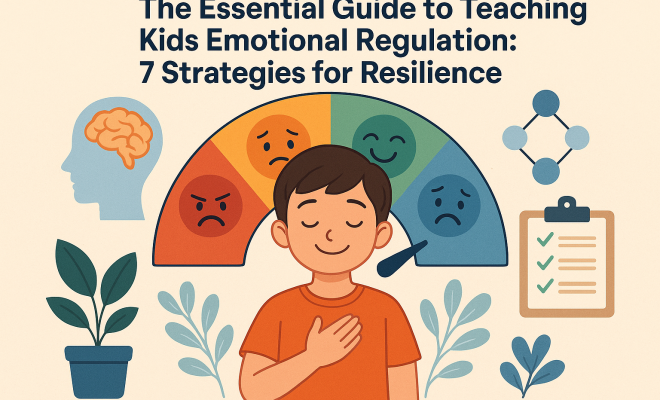
7 Strategies for Kids’ Emotional Regulation & Resilience
“`html
Understanding how to manage big feelings is vital for children’s overall well-being and development. Emotional regulation for kids is a crucial skill that helps them navigate the complexities of their emotions, enabling them to respond to situations in a calm and constructive manner. This article explores the concept of emotional regulation, its importance, resilience, effective strategies for parents and educators, and how fostering these skills can lead to happier, healthier children.
The Importance of Emotional Regulation
Emotional regulation refers to the ability to monitor, evaluate, and modify emotional reactions. For children, mastering this skill involves learning how to express their feelings appropriately and manage their emotions effectively. According to the American Psychological Association, emotional regulation is not just about suppressing negative feelings but involves a range of responses, including coping strategies and problem-solving skills.
Why is this skill so important? Children encounter many stressors, from academic challenges to social interactions. They often feel overwhelmed by emotions like anger, sadness, and anxiety. Without effective emotional regulation, they may struggle with behaviors that can lead to conflicts, poor academic performance, and mental health issues. In contrast, those who learn to regulate their emotions are more likely to develop resilience, adaptability, and healthier relationships.
Resilience: The Building Block of Emotional Regulation
Resilience is closely tied to emotional regulation. It refers to the capacity to recover quickly from difficulties and adapt well in the face of adversity. Teaching kids resilience goes hand in hand with helping them regulate their emotions. According to the American Academy of Pediatrics, resilient children are better equipped to handle stress and can bounce back from setbacks more effectively. We covered mental health support challenges in more detail.
Research indicates that resilience can be cultivated by fostering strong relationships, encouraging optimism, and teaching problem-solving skills. For instance, children who have supportive parents or caregivers are more likely to develop resilience. They learn that it’s normal to experience challenges and that they can overcome them with the right tools and mindset.
Key Components of Emotional Regulation for Kids
Emotional regulation encompasses several key components:
- Awareness of Emotions: Children must first be able to identify their feelings. This includes recognizing physical signs associated with emotions, such as a racing heart for anxiety or a clenched fist for anger.
- Understanding Triggers: Knowing what triggers specific emotions can help children anticipate and prepare for emotional responses.
- Coping Strategies: Children should be equipped with a toolbox of coping strategies that they can employ when they feel overwhelmed.
- Problem Solving: Teaching kids to approach problems logically can help them navigate situations that provoke strong emotions.
- Expressing Feelings: It’s essential for children to learn how to express their emotions appropriately, whether that’s through conversation, art, or physical activity.
Effective Strategies for Teaching Emotional Regulation
Building emotional regulation skills takes time, patience, and consistent practice. Here are seven effective strategies that parents and educators can implement:
1. Model Emotional Regulation
Children often learn by observing the adults in their lives. When parents and educators model healthy emotional regulation—such as taking deep breaths when frustrated or expressing feelings openly—children are more likely to mimic these behaviors. Show them that it’s okay to feel a range of emotions and that managing them is a valuable skill.
2. Use Books and Stories
Books and storytelling can be powerful tools for teaching emotional regulation. Stories that feature characters experiencing various emotions allow children to relate to these feelings and see how characters manage them. Ask open-ended questions about the characters’ emotions to encourage discussions about feelings.
3. Create a Calm-Down Space
A designated calm-down space can be a safe haven for children when they feel overwhelmed. This space should be stocked with calming items such as stress balls, coloring books, or soft pillows. Encourage kids to use this space when they need a moment to process their emotions and regain composure.
4. Teach Deep Breathing Techniques
Deep breathing is a simple yet effective method for managing anxiety and stress. Teach children to take deep breaths by inhaling through their nose for a count of four, holding their breath for four seconds, and exhaling through their mouth for four counts. Practicing this technique regularly helps them access it when they feel overwhelmed. (See: CDC on emotional regulation in children.)
5. Encourage Emotional Expression
Encourage your child to express their feelings openly. This can be through conversation, art, or music. Validate their feelings, reminding them that it’s perfectly normal to experience a range of emotions. Discussing feelings helps normalize emotional experiences and fosters emotional intelligence.
6. Role-Playing Scenarios
Role-playing different scenarios can prepare kids for real-life situations that might provoke strong emotions. Take turns acting out various scenarios and discuss the possible emotional responses. This practice can help kids anticipate and manage their emotions in challenging situations.
7. Celebrate Small Wins
Recognizing and celebrating small successes in emotional regulation can motivate children to continue developing these skills. Whether it’s acknowledging a moment when they used a calming strategy effectively or successfully expressed a tough emotion, positive reinforcement can go a long way.
Current Relevance: Navigating a Changing World
In today’s fast-paced and often uncertain world, children face unique challenges that can exacerbate emotional turmoil. Factors like social media, academic pressures, and global events contribute to heightened anxiety and stress levels in kids. As parents and educators, it’s critical to equip children with the skills they need to navigate these emotional challenges.
According to a 2021 report by the CDC, mental health issues among children have surged in recent years, with the prevalence of anxiety and depression significantly increasing. As such, emphasizing emotional regulation for kids has never been more essential. Schools are beginning to integrate social-emotional learning (SEL) into their curricula, helping children learn these necessary skills in a structured environment.
Support Systems: Community and Professional Resources
Creating a supportive environment is crucial for fostering emotional regulation in children. Parents, teachers, and community members play an essential role in this process. Collaborative efforts can provide children with consistent messages about emotions and coping strategies.
Professional resources such as child psychologists, counselors, and support groups can offer additional guidance. They can provide targeted strategies for families dealing with specific emotional challenges. Seeking professional help when necessary is a sign of strength, not weakness, and can be invaluable in helping children develop resilience and emotional regulation.
Practical Activities to Promote Emotional Regulation
Beyond the strategies mentioned, incorporating practical activities into daily routines can further strengthen emotional regulation skills in children. Engaging in various activities can help children learn to identify and manage their emotions effectively.
1. Emotion Charades
This fun game can be played with a group of children. Each child takes turns selecting an emotion from a hat and acting it out without using words, while the others guess the emotion. This activity not only fosters emotional awareness but also encourages empathy as children learn to recognize and interpret the emotions of their peers.
2. Journaling
Encouraging children to keep a feelings journal can be a powerful outlet for emotional expression. They can write about their day, their emotions, and how they handled various situations. This practice helps them reflect on their feelings and the effectiveness of their coping strategies. For younger children, drawing their emotions can serve the same purpose.
3. Mindfulness Meditation
Mindfulness practices can greatly benefit children’s emotional regulation. Simple mindfulness exercises, like paying attention to their breath or engaging in a body scan, can help children learn to stay present and grounded. Apps or online resources specifically designed for children can guide them through these practices in an engaging way.
4. Art Therapy
Art can be a therapeutic way for children to express their emotions. Encourage them to create art pieces that represent how they feel. It could be painting, drawing, or even collage-making. This creative process provides a safe space for children to explore and express feelings they might not yet have the words for. (See: NIH resources on child behavior.)
5. Group Discussions
Setting aside time for group discussions about emotions can be beneficial, especially in classroom settings. This can be a safe space for kids to share their thoughts and feelings while learning from one another. Adults can guide these discussions to ensure they remain constructive and supportive.
Expert Perspectives on Emotional Regulation
Experts in child psychology emphasize the importance of emotional regulation skills. Dr. John Gottman, a renowned psychologist known for his work on emotional intelligence, states that “emotional coaching” is essential in helping children understand their emotions. He advises parents to validate their children’s feelings and guide them through the emotional process rather than dismissing their emotions or saying they should “just get over it.”
Additionally, Dr. Daniel Siegel, a clinical professor of psychiatry, highlights the concept of “mindsight,” which is the ability to perceive the mind of oneself and others. He believes that fostering mindsight in children can significantly enhance their emotional regulation abilities. By helping children understand their own emotions and those of others, they become more adept at navigating social interactions and conflicts.
Statistics on Emotional Regulation and Mental Health
To emphasize the importance of emotional regulation, consider these statistics:
- A 2020 study published in the journal Pediatrics found that nearly 1 in 5 children aged 3-17 in the U.S. has a diagnosed mental, emotional, or behavioral disorder.
- According to the National Institute of Mental Health, anxiety disorders affect approximately 31.9% of U.S. adolescents aged 13-18, making it the most common mental health disorder in this age group.
- A report by the Child Mind Institute found that 80% of children with anxiety disorders do not receive treatment, highlighting the need for effective emotional regulation skills to manage their feelings.
Frequently Asked Questions About Emotional Regulation for Kids
What age should children start learning emotional regulation skills?
Children can begin learning about emotions and developing emotional regulation skills as early as preschool age. Introducing basic concepts of feelings and coping strategies can lay the foundation for more complex emotional skills as they grow older. See also community care transformation.
How can I tell if my child is struggling with emotional regulation?
Signs that a child may be struggling with emotional regulation include frequent tantrums, extreme reactions to minor frustrations, withdrawal from social situations, and difficulties in school. If you notice these behaviors consistently, it may be helpful to seek guidance from a professional.
Are there specific resources to help teach emotional regulation?
Yes! There are many books, apps, and programs designed to help children learn about emotions and develop regulation skills. Resources like “The Whole-Brain Child” by Dr. Daniel Siegel and Dr. Tina Payne Bryson provide valuable insights into promoting emotional intelligence in children.
How can schools support emotional regulation among students?
Schools can support emotional regulation by implementing social-emotional learning (SEL) programs that teach kids about emotions, coping skills, and relationship-building. Creating a supportive school environment where students feel safe to express their feelings is essential as well.
What if my child doesn’t respond to traditional methods of emotional regulation?
Every child is unique, and some may require different approaches to emotional regulation. It may be beneficial to explore various strategies, such as art therapy or physical activities, and find what resonates with them. Consulting with a child psychologist can also offer tailored strategies for your child’s specific needs.
Additional Strategies for Improving Emotional Regulation
Beyond the previous strategies, there are several additional approaches that can enhance emotional regulation in children. These can be particularly useful in addressing specific emotional challenges or when traditional methods are not effective.
1. Physical Activity
Regular physical activity is beneficial for emotional regulation. Exercise releases endorphins, which can boost mood and reduce feelings of anxiety. Encouraging children to participate in sports, dance, or even simple outdoor play can be an excellent way to help them manage stress and improve their emotional health.
2. Nutrition and Sleep
What children eat can significantly impact their emotions. A balanced diet rich in fruits, vegetables, whole grains, and protein can help stabilize mood. Additionally, ensuring that children get enough sleep is crucial; lack of sleep can exacerbate emotional issues and make it harder for them to manage their feelings. Establishing a consistent bedtime routine can promote better sleep hygiene.
3. Use of Technology Wisely
While technology can sometimes contribute to emotional distress, it can also be part of the solution. There are numerous apps designed to help children learn about emotions and practice mindfulness. Encourage your child to use these resources positively and limit screen time to reduce overstimulation and promote healthy emotional management.
4. Emotional Check-Ins
Regular emotional check-ins can help children become more in tune with their feelings. These can be done during family meals or daily routines. Ask your child to share how they’re feeling, what might be triggering those feelings, and what they might need in that moment. This practice normalizes discussing emotions and promotes open communication.
5. Creating a Supportive Network
Building a network of supportive relationships can enhance emotional regulation. Encourage children to maintain connections with friends and family members who provide emotional support. Strong friendships can serve as a buffer against stress and enhance resilience, helping kids feel less alone in their experiences.
Future Trends in Emotional Regulation for Kids
As awareness around mental health continues to grow, emotional regulation for kids is becoming a key focus in educational systems and communities. Future trends may include:
- Increased Integration of SEL Programs: Schools are likely to expand social-emotional learning programs, integrating emotional regulation into everyday curricula across all subjects.
- Parental Involvement Workshops: More schools may offer workshops for parents on how to support their children’s emotional regulation at home, bridging the gap between home and school experiences.
- Community Initiatives: Community organizations may develop more programs aimed at emotional well-being for children, providing additional resources and support.
- Technological Advances: Advances in technology will likely lead to more innovative tools and applications designed to assist children in learning emotional regulation, making it engaging and accessible.
The Journey Towards Emotional Regulation: A Lifelong Skill
Teaching emotional regulation for kids is not just about managing feelings; it’s about preparing them for a lifetime of challenges and opportunities. By instilling skills that promote resilience, parents and educators can help children thrive emotionally. As they learn to navigate their feelings and build emotional intelligence, they’re laying the groundwork for a healthier, more balanced future. The journey is ongoing, but with the right tools and support, kids can learn to handle their big feelings and emerge stronger on the other side.
“`
Trending Now
Frequently Asked Questions
What are emotional regulation strategies for kids?
Emotional regulation strategies for kids include teaching them to identify their feelings, encouraging deep breathing exercises, modeling appropriate emotional responses, and providing problem-solving techniques. These strategies help children express their emotions constructively and manage big feelings effectively.
Why is emotional regulation important for children?
Emotional regulation is crucial for children as it helps them manage overwhelming feelings like anger and sadness. Mastering this skill leads to improved behaviors, better academic performance, and healthier relationships, ultimately contributing to their overall well-being and resilience.
How can parents teach resilience to their children?
Parents can teach resilience by providing a supportive environment, encouraging problem-solving, and allowing children to experience challenges. Teaching them coping strategies and modeling a positive attitude towards setbacks also fosters resilience, helping them adapt to adversity.
What is the connection between emotional regulation and resilience?
Emotional regulation and resilience are interconnected; effective emotional regulation enables children to handle stress and bounce back from difficulties. Teaching kids to manage their emotions fosters resilience, allowing them to adapt positively in challenging situations.
What are the signs that a child struggles with emotional regulation?
Signs that a child may struggle with emotional regulation include frequent outbursts, difficulty calming down, trouble expressing feelings appropriately, and challenges in social interactions. These behaviors can indicate that they need support in managing their emotions effectively.
What did we miss? Let us know in the comments and join the conversation.