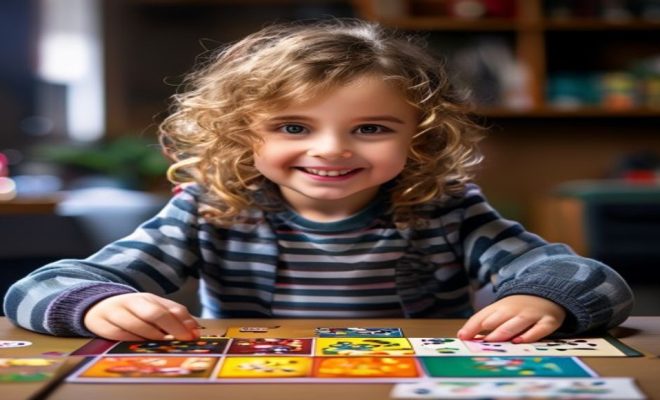
Boost Kids’ Future: Resilience Education in Preschool
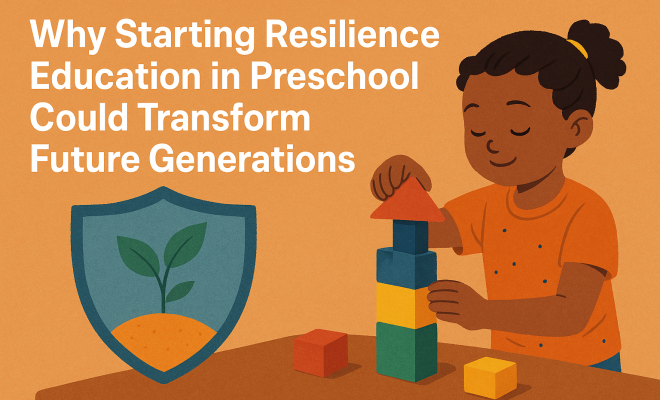
“`html
In today’s fast-paced world, the ability to bounce back from adversity is more crucial than ever. Enter resilience education, a concept that emphasizes the importance of fostering resilience in young learners, particularly in preschool settings. Why does resilience education start in preschool, and what implications does it have for children’s emotional and social development? In this article, we’ll explore the importance of integrating resilience education into early childhood programs, its key components, and practical insights on implementing these strategies effectively.
Understanding Resilience
Resilience, in its simplest form, refers to the capacity to recover from difficulties or adapt well in the face of adversity. It’s not merely about bouncing back; it’s about thriving despite challenges. According to the American Psychological Association, resilience involves behaviors, thoughts, and actions that can be learned and developed in anyone.
In children, resilience can manifest as an ability to manage stress, cope with challenges, and navigate through social complexities. But how do we cultivate these traits in preschoolers, who are just beginning to understand their emotions and relationships? This is where resilience education comes into play.
The Case for Early Intervention
Experts agree that early childhood is a critical period for brain development. Research highlights that about 90% of a child’s brain develops by age five. This means that the preschool years are not only about teaching letters and numbers but also about fostering emotional intelligence and resilience. Programs that emphasize resilience education can lead to significant benefits, including improved social skills, better emotional regulation, and decreased behavioral issues.
According to a report from the National Scientific Council on the Developing Child, early experiences shape the architecture of the developing brain. When children face challenges and learn to overcome them, they develop neural pathways that lay the foundation for coping skills in adulthood. Thus, the earlier we start teaching resilience, the better equipped children will be to handle future adversities.
Key Components of Resilience Education
Implementing resilience education in preschool programs involves several key components:
- Social-Emotional Learning (SEL): Integrating SEL into the curriculum helps children recognize and manage their emotions. Activities that promote empathy, cooperation, and conflict resolution are essential. For instance, role-playing scenarios can help them practice responding to challenging situations.
- Growth Mindset: Teaching children that abilities can be developed through effort encourages persistence. By framing challenges as opportunities to learn, children become more willing to take risks and face setbacks.
- Problem-Solving Skills: Providing children with opportunities to solve problems independently fosters confidence. For example, simple puzzles and group projects can encourage them to think critically and collaboratively.
- Supportive Relationships: Building a strong, supportive environment is crucial for resilience. Teachers and caregivers can model healthy relationships, helping children learn to form their own positive connections.
Practical Insights for Educators
Integrating resilience education into preschool requires thoughtful planning and execution. Here are some practical strategies:
- Create a Safe Space: Establish an environment where children feel safe to express their feelings and make mistakes without fear of judgment. Encourage open dialogue about emotions.
- Model Resilience: Educators should demonstrate resilience in their own lives. Sharing personal stories of overcoming challenges can inspire children and provide real-world examples of resilience in action.
- Encourage Reflection: Incorporate reflection activities that prompt children to think about their experiences. Ask guiding questions like, “What was a hard thing you did today? How did you feel?” This can deepen their understanding of resilience.
- Incorporate Play-Based Learning: Use play as a medium to teach resilience concepts. Games that involve challenges, teamwork, and negotiation can provide practical applications of resilience education.
Current Relevance and Research
As we face unprecedented global challenges—ranging from climate change to social injustice—teaching resilience has never been more timely. A study published in the journal Child Development indicates that children who receive resilience education are more likely to demonstrate positive social behaviors and academic success.
Moreover, the COVID-19 pandemic highlighted the importance of mental health and adaptability. Many preschoolers faced disruptions in their routines, loss of social interactions, and uncertainty. Programs that focused on resilience education were better equipped to help children cope with these changes, emphasizing the need for such curricula in early education.
Engaging Families in Resilience Education
For resilience education to be effective, it must extend beyond the classroom. Engaging families in the process is crucial. Parents play a pivotal role in their children’s development, and their involvement can reinforce resilience concepts taught at school. (See: CDC resources on children's resilience.)
Here are some strategies to involve families:
- Workshops and Training: Offer workshops for parents that outline the principles of resilience education, equipping them with tools and strategies to reinforce these lessons at home.
- Resource Sharing: Provide families with resources, such as books, articles, and activities that promote resilience. This can help parents understand how to support their children’s emotional growth.
- Encourage Open Communication: Foster an environment where parents feel comfortable discussing their children’s challenges and successes. Regular communication between teachers and families can strengthen the support system.
Case Studies: Successful Implementation of Resilience Education
Numerous preschools around the world have successfully implemented resilience education, showcasing its effectiveness:
- The PATHS Program: The Promoting Alternative Thinking Strategies (PATHS) program has been used in several preschool settings, effectively enhancing children’s emotional and social competence. Studies have shown its positive impact on reducing aggressive behavior and improving emotional regulation.
- MindUP Program: This program, developed by the Goldie Hawn Foundation, focuses on mindfulness and resilience. Schools implementing MindUP have reported improvements in children’s focus, empathy, and overall well-being.
- Whole Child Approach: Schools adopting a whole child approach integrate social, emotional, and academic learning, demonstrating enhanced student engagement and success. These programs often include resilience education as a core component.
Challenges in Implementing Resilience Education
Despite its benefits, there are challenges in integrating resilience education into preschool curricula:
- Limited Resources: Many preschools operate with tight budgets, making it difficult to allocate funds for training or resources dedicated to resilience education.
- Teacher Training: Not all educators are equipped with the necessary training to teach resilience effectively. Ongoing professional development is essential to ensure that teachers have the skills to foster resilience in their classrooms.
- Cultural Considerations: Different cultures have varying perspectives on resilience and emotional expression. Educators must be mindful of these differences and tailor their approaches accordingly.
The Future of Resilience Education in Preschool
The future looks promising for resilience education in preschool settings. As awareness grows about the importance of emotional intelligence and mental well-being, more preschools are likely to adopt resilience-focused programs. Partnerships between educational institutions, mental health organizations, and community resources can strengthen these initiatives.
Moreover, technology can play a role in enhancing resilience education. Virtual resources and apps designed to teach coping mechanisms and emotional regulation can complement traditional learning methods, making resilience education more accessible.
Integration with Other Educational Frameworks
Resilience education can be effectively integrated with other frameworks that are common in preschool settings. For instance, aligning resilience education with frameworks such as Montessori or Reggio Emilia can enhance the learning experience. Both approaches emphasize child-led learning and personal growth, which naturally complement the goals of resilience education.
In Montessori classrooms, for instance, children are encouraged to make choices and learn from their mistakes, fostering independence and resilience. Activities that allow children to explore their interests while facing challenges can create a rich environment for developing resilience. Similarly, the Reggio Emilia approach, which focuses on collaborative learning and expression, encourages children to work through challenges together, enhancing their social skills and resilience.
Measuring the Impact of Resilience Education
As resilience education becomes more prevalent, measuring its impact is crucial for validating its effectiveness. Various assessment tools and methods can be used to evaluate how resilience education influences children’s development. Schools can implement observational assessments where teachers document children’s interactions, problem-solving abilities, and emotional responses during various activities.
Additionally, standardized assessments that measure social-emotional competencies can provide insights into the effectiveness of resilience programs. Surveys and feedback from parents can further enrich the understanding of how resilience education is impacting children at home and in the community. By keeping track of these metrics, preschools can refine their approaches and demonstrate the value of resilience education to stakeholders.
Statistics Supporting Resilience Education
Research quantifies the positive outcomes associated with resilience education in preschool. A study published in the Journal of Educational Psychology found that preschool children who participated in structured resilience programs showed a 30% increase in social skills compared to their peers who did not participate. Another research published by the American Institute for Research indicated that children exposed to resilience education in early childhood had 20% better emotional regulation skills, which persisted through their early school years.
Moreover, longitudinal studies have shown that preschoolers who develop resilience skills are less likely to experience mental health issues in later childhood or adolescence. This highlights the long-term benefits of introducing resilience education at an early age. (See: NIH information on resilience in children.)
Expert Perspectives on Resilience Education
Many child psychologists and educators emphasize the importance of resilience education. Dr. Kenneth Ginsburg, a pediatrician and resilience expert, advocates for teaching resilience as a critical component of child development. He states that “resilience education is not just about teaching children to cope with stress but equipping them with the skills to thrive.” His perspective reinforces the idea that resilience education should be a priority in early childhood curricula.
Another leading voice, Dr. Ann Masten, known for her work in resilience research, emphasizes that resilience is a “common phenomenon” that can be nurtured in all children. She believes that early interventions can create a positive ripple effect, impacting children’s trajectories as they navigate life’s challenges. This builds on great preschool book recommendations.
FAQ on Resilience Education in Preschool
What is resilience education?
Resilience education refers to teaching children the skills and strategies they need to cope with adversity and bounce back from challenges. This includes fostering emotional intelligence, problem-solving skills, and social competencies.
Why is resilience education important for preschoolers?
Preschoolers are at a critical stage in their development where they begin to understand their emotions and interact with peers. Teaching resilience during this time helps them build a solid foundation for future emotional and social skills, preparing them for life’s challenges.
How can parents support resilience education at home?
Parents can support resilience education by engaging in open conversations about feelings, modeling problem-solving behaviors, and providing opportunities for their children to face challenges in a safe environment. Encouraging children to reflect on their experiences also helps reinforce resilience skills.
What activities can promote resilience in preschool?
Activities that encourage teamwork, creative problem-solving, and emotional expression promote resilience. Examples include group games, arts and crafts that involve creative decision-making, and storytelling sessions that allow for emotional exploration.
How can educators measure the effectiveness of resilience education?
Educators can measure effectiveness through observational assessments, standardized tests of social-emotional skills, and feedback from parents. Tracking children’s progress in emotional regulation and social interactions can provide valuable insights into the program’s effectiveness.
Additional Benefits of Resilience Education
Beyond emotional and social well-being, resilience education can have far-reaching benefits that impact children’s overall development. Resilience education fosters a sense of belonging and community among preschoolers. When children engage in activities that require teamwork, they learn to rely on one another, forming bonds that enhance their social networks. This sense of community is crucial, as it can provide a safety net for children, helping them feel secure and supported in challenging situations.
Furthermore, resilience education can lead to academic advantages. Research indicates that children who possess strong resilience skills are better equipped to face academic challenges. They approach learning with an open mind, willing to tackle difficult subjects without fear of failure. This growth mindset is essential as they transition into more structured educational environments, where resilience can significantly influence their academic performance.
Long-Term Implications of Resilience Education
The implications of resilience education extend well beyond preschool. As children grow into adolescence and adulthood, the resilience skills they developed in their early years can manifest in various aspects of their lives. For instance, adolescents with a strong foundation in resilience are more likely to handle stress effectively, maintain healthy relationships, and pursue their goals with determination.
Moreover, adults who were taught resilience as children often become role models for the next generation. They are more likely to engage in practices that promote mental health and emotional well-being, creating a ripple effect in their communities. This cycle of resilience nurtures a society that values emotional intelligence and adaptability, which are essential skills in our rapidly changing world.
Resilience Education and Mental Health
Integrating resilience education into preschool curricula can significantly contribute to children’s mental health. Learning to cope with challenges and manage emotions effectively reduces the likelihood of developing mental health issues later in life. Research has shown that children with strong resilience skills have lower rates of anxiety and depression as they progress through school. They are better equipped to handle stressors that come their way, allowing them to maintain a positive outlook and engage in healthy coping mechanisms.
In addition, resilience education can help destigmatize mental health discussions among young children. By incorporating emotional regulation and coping strategies into everyday learning, children learn that it’s okay to seek help and discuss their feelings openly. This open dialogue fosters a culture of support, helping create a generation that values mental well-being and seeks to address mental health issues without fear of judgment.
Community Involvement in Resilience Education
Community involvement is crucial for the sustained success of resilience education initiatives. Local organizations, mental health professionals, and community leaders can collaborate with preschools to create programs that support resilience education. This community approach not only enriches the educational experience but also creates a unified front in promoting emotional and social well-being among children.
For example, community workshops can be organized where parents, educators, and mental health professionals come together to discuss effective strategies for fostering resilience. These workshops can serve as a platform for sharing resources, best practices, and personal experiences, thereby reinforcing the importance of resilience education within the larger community. For more on this, see insights on early childhood education.
Moreover, partnerships with local businesses can lead to sponsorships for resilience-related events, such as community fairs that promote emotional well-being through fun and engaging activities. These initiatives can help normalize conversations around resilience and mental health, making them an integral part of community life.
Final Thoughts
Teaching resilience in preschool is not just an educational trend; it’s a necessity for helping children navigate an increasingly complex world. By starting early, we provide children with the tools they need to face challenges, adapt to change, and thrive emotionally and socially. As educators, parents, and communities come together to prioritize resilience education, we pave the way for a generation equipped to handle life’s ups and downs with grace and strength. Such investment in our children’s emotional and social development is not merely beneficial—it’s essential for creating a healthier, more resilient society.
“`
Trending Now
Frequently Asked Questions
What is resilience education in preschool?
Resilience education in preschool focuses on teaching young children how to cope with challenges and recover from adversity. It emphasizes emotional intelligence and social skills, helping children develop the ability to manage stress and navigate relationships effectively.
Why is resilience important for young children?
Resilience is crucial for young children as it helps them adapt to challenges, manage stress, and build strong social connections. Developing resilience early on can lead to better emotional regulation, improved social skills, and reduced behavioral issues throughout their lives.
How can resilience education be implemented in preschool?
Implementing resilience education in preschool can involve integrating activities that promote emotional understanding, problem-solving, and social interaction. Teachers can use storytelling, role-playing, and collaborative games to encourage children to express their feelings and develop coping strategies.
What are the benefits of early resilience education?
Early resilience education offers numerous benefits, including enhanced emotional intelligence, better social skills, and decreased behavioral problems. Research indicates that fostering resilience during preschool years can significantly impact a child's overall development and future well-being.
At what age should resilience education begin?
Resilience education should ideally begin in preschool, around ages 3 to 5. This period is critical for brain development and emotional growth, making it the perfect time to cultivate resilience skills that will serve children throughout their lives.
What did we miss? Let us know in the comments and join the conversation.