Boost Teen Resilience: The Self-Esteem Connection
“`html
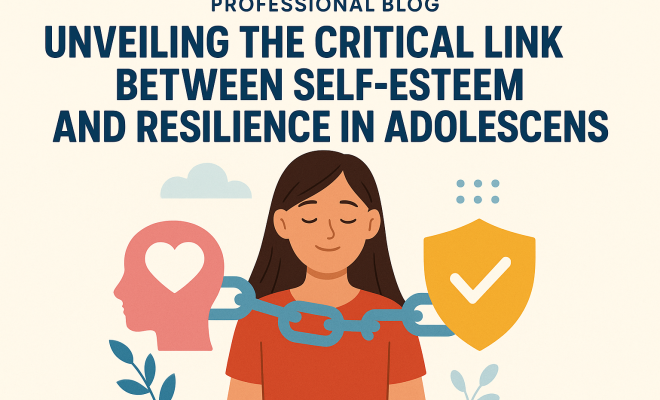
Adolescence is a tumultuous period filled with challenges, from academic pressure to social dynamics. At the heart of navigating these challenges lies the connection between self-esteem and resilience in adolescents. Understanding how these two components interact can provide invaluable insights for parents, educators, and mental health professionals.
The Landscape of Adolescent Development
During adolescence, individuals undergo significant physical, emotional, and psychological changes. This developmental stage, typically spanning ages 10 to 19, is crucial for forming one’s identity and establishing a sense of self. The experiences of young people during these years can have lasting effects on their mental health and well-being.
As adolescents strive for independence and self-identity, they often face various stressors. These can range from academic expectations to social relationships, which can impact their self-esteem. Consequently, fostering resilience—the ability to bounce back from adversity—becomes paramount. When self-esteem is high, adolescents are often more equipped to face life’s challenges, creating a positive feedback loop that enhances their resilience.
Understanding Self-Esteem
Self-esteem refers to an individual’s subjective evaluation of their own worth. It encompasses beliefs about oneself as well as emotional states such as triumph, despair, pride, and shame. For adolescents, self-esteem is particularly fragile; it can shift dramatically with peer feedback, academic performance, and social interactions.
Research shows that adolescents with high self-esteem tend to have better mental health outcomes. They are more likely to engage positively in school, establish healthy relationships, and cope effectively with stress. Conversely, low self-esteem can lead to feelings of inadequacy, depression, and anxiety, creating barriers to success and fulfillment.
Factors influencing self-esteem in adolescents include family dynamics, peer relationships, and social media interactions. A nurturing family environment that encourages independence while providing support can significantly bolster self-esteem. Furthermore, positive peer relationships can reinforce feelings of belonging, while negative experiences—such as bullying—can have detrimental effects.
The Role of Resilience
Resilience is not a fixed trait; it’s a dynamic process influenced by various factors, including emotional regulation, problem-solving skills, social support, and coping mechanisms. Resilient adolescents are not immune to stress; rather, they possess the skills to manage and recover from adversity.
Research indicates that resilience contributes significantly to academic success, emotional health, and overall well-being. Resilient adolescents often view challenges as opportunities for growth rather than insurmountable obstacles. This mindset fosters a proactive approach to problem-solving and can mitigate the effects of stress.
Building resilience is a multifaceted process. It involves fostering a strong support network, developing coping strategies, and enhancing emotional intelligence. Programs aimed at promoting resilience often focus on teaching these skills to adolescents, enabling them to adapt and thrive even in the face of adversity.
The Interplay of Self-Esteem and Resilience
The connection between self-esteem and resilience is profound. High self-esteem can enhance resilience, while resilience can bolster self-esteem. When adolescents believe in their capabilities, they are more likely to take risks and face challenges head-on, reinforcing their sense of self-worth.
Conversely, resilient behaviors can contribute to higher self-esteem. Successfully overcoming challenges can instill a sense of accomplishment, which can enhance an adolescent’s self-perception. This reciprocal relationship underscores the importance of nurturing both self-esteem and resilience in young people.
To illustrate, consider an adolescent who struggles with academic performance. If they possess high self-esteem, they may be more inclined to seek help, try different study strategies, or ask peers for support. This proactive approach not only demonstrates resilience but also reinforces their belief in their ability to succeed. (See: Self-esteem and adolescent mental health.)
Practical Strategies to Foster Self-Esteem and Resilience
To support adolescents in developing robust self-esteem and resilience, specific strategies can be employed by parents, educators, and caregivers:
- Model Positive Self-Talk: Teaching adolescents to engage in positive self-talk can help them internalize a healthy self-image. Encourage them to reframe negative thoughts into positive affirmations.
- Encourage Goal Setting: Help adolescents set realistic, achievable goals. Celebrating small victories can significantly enhance their self-esteem and motivate them to tackle bigger challenges.
- Promote Problem-Solving Skills: Instead of immediately providing solutions to problems, guide adolescents through the process of finding solutions themselves. This approach promotes independence and strengthens their resilience.
- Foster Strong Relationships: Encourage adolescents to build and maintain healthy relationships with peers and adults. A strong support network can be a vital resource during challenging times.
- Teach Coping Strategies: Equip adolescents with a toolkit of coping strategies, such as mindfulness, deep breathing exercises, or journaling, to help them manage stress and adversity effectively.
The Role of Education in Building Self-Esteem and Resilience
Schools play a critical role in fostering self-esteem and resilience among adolescents. Educational environments can either promote or hinder these qualities, making it essential to cultivate a supportive atmosphere.
Teachers can implement social-emotional learning (SEL) programs that focus on developing self-awareness, self-management, social awareness, relationship skills, and responsible decision-making. Research indicates that students who participate in SEL programs demonstrate improved self-esteem and resilience.
Additionally, recognizing and celebrating student achievements—no matter how small—can significantly impact self-esteem. Creating opportunities for collaborative projects can also enhance peer relationships and foster a sense of community, which is crucial for resilience.
The Impact of Technology and Social Media
In today’s digital age, technology and social media play a pivotal role in shaping adolescents’ self-esteem and resilience. While these platforms can provide opportunities for connection and support, they also present unique challenges.
Social media often amplifies the comparison culture, where adolescents may compare their lives to the curated highlights of others, leading to feelings of inadequacy. This phenomenon can negatively impact self-esteem. However, social media can also serve as a platform for building community and fostering connections that enhance resilience.
Encouraging adolescents to engage in positive online communities and limiting exposure to negative content can help mitigate the adverse effects of social media. Furthermore, educating young people about digital literacy can empower them to navigate online spaces healthily.
Current Trends and Research in Adolescent Psychology
Recent research continues to explore the intricate connection between self-esteem and resilience in adolescents. Studies have shown that interventions targeting self-esteem can lead to improved resilience outcomes. For instance, programs that focus on enhancing self-identity, promoting self-acceptance, and providing constructive feedback have demonstrated positive results.
Moreover, researchers emphasize the importance of cultural considerations in understanding self-esteem and resilience. Adolescents from diverse backgrounds may experience unique challenges that affect their self-worth and coping mechanisms. Tailoring interventions to meet the cultural needs of adolescents can enhance effectiveness. There’s a fuller look at mental health support issues.
In light of the COVID-19 pandemic, the spotlight on adolescent mental health has intensified. With increased stressors such as isolation and academic disruptions, fostering self-esteem and resilience is more crucial than ever. Mental health professionals are advocating for comprehensive approaches that address these interconnected aspects in adolescents.
The Role of Family in Supporting Adolescents
The family unit plays a pivotal role in shaping an adolescent’s self-esteem and resilience. Open communication, unconditional support, and an environment that encourages exploration can significantly impact a young person’s self-image.
Parents can promote resilience by modeling healthy coping strategies and demonstrating how to handle setbacks. Acknowledging and validating their adolescent’s feelings during challenges fosters a sense of security and encourages them to express themselves openly.
Furthermore, family activities that promote teamwork and collaboration can strengthen bonds and enhance resilience. These experiences teach adolescents valuable skills in cooperation and mutual support, which can be vital when facing difficulties outside the home. (See: Adolescent health and development.)
The Road Ahead: Building a Supportive Environment
As we explore the multifaceted relationship between self-esteem and resilience in adolescents, it’s clear that creating a supportive environment is essential. Parents, educators, and communities must work together to provide the nurturing atmosphere that young people need to thrive.
Investing in mental health resources, promoting positive relationships, and teaching coping skills can help adolescents build a strong foundation for self-esteem and resilience. By doing so, we empower the next generation to face challenges with confidence, adaptability, and a sense of self-worth.
Frequently Asked Questions (FAQ)
What is the difference between self-esteem and resilience?
Self-esteem refers to how individuals perceive their own worth, while resilience is the ability to bounce back from adversity. Both are interconnected, as higher self-esteem can enhance resilience, and resilient experiences can improve self-esteem.
How can parents help improve their adolescent’s self-esteem?
Parents can help by creating a supportive environment, encouraging open communication, recognizing achievements, and modeling positive self-talk. Involvement in their interests and activities can also foster a sense of belonging and self-worth.
Are there specific activities that can boost resilience in adolescents?
Yes! Activities such as team sports, group projects, volunteering, or participating in arts can help build resilience. These experiences provide opportunities to face challenges, learn teamwork, and develop problem-solving skills.
Can self-esteem and resilience be taught?
Absolutely! Programs focused on social-emotional learning, mental health workshops, and parenting classes can effectively teach self-esteem and resilience strategies. It’s essential to practice these skills consistently.
How does bullying affect self-esteem and resilience?
Bullying can severely damage an adolescent’s self-esteem, leading to feelings of worthlessness, anxiety, and depression. It can also hinder resilience, as ongoing negative experiences make it difficult to develop coping strategies or a sense of belonging.
What role does peer influence play in self-esteem and resilience?
Peers have a significant impact on adolescents’ self-esteem. Positive peer relationships can enhance self-worth and foster resilience, while negative interactions can lead to lower self-esteem and increased vulnerability to stress.
What are some signs that an adolescent may be struggling with self-esteem?
Signs can include withdrawal from social activities, excessive self-criticism, reluctance to try new things, and seeking constant approval from others. Behavioral changes, such as increased irritability or difficulty concentrating, can also be indicators.
How can educators promote self-esteem and resilience in schools?
Educators can create inclusive classrooms, implement SEL programs, provide constructive feedback, and celebrate diversity. Encouraging collaborative work and fostering a safe environment for expression can also enhance self-esteem and resilience.
Can self-esteem and resilience change over time?
Yes, both self-esteem and resilience can fluctuate based on experiences, environments, and relationships. Positive experiences and supportive relationships can enhance these qualities, whereas negative experiences can diminish them.
Additional Insights on Self-Esteem and Resilience
Understanding self-esteem and resilience is complex, and various factors influence these qualities. Let’s take a closer look at some additional insights that can help deepen our understanding.
Cultural Influences on Self-Esteem
Culture plays a significant role in shaping self-esteem. Different cultures have varying standards of success, beauty, and approval, which can influence how adolescents perceive their self-worth. For example, in collectivist cultures, the emphasis might be on group harmony and family achievements, which can affect individual self-esteem differently compared to more individualistic cultures that prioritize personal accomplishments. Understanding these cultural nuances is vital for creating supportive environments tailored to diverse backgrounds.
The Importance of Emotional Intelligence
Emotional intelligence (EI) is another crucial factor that can enhance both self-esteem and resilience. EI involves recognizing, understanding, and managing one’s emotions, along with the ability to empathize with others. Adolescents with high emotional intelligence can navigate social complexities, build healthier relationships, and respond to challenges more effectively. Encouraging the development of emotional intelligence in educational settings can provide adolescents with tools to enhance their self-esteem and resilience.
Long-Term Effects of Self-Esteem and Resilience
Research indicates that high self-esteem and resilience during adolescence can have long-term benefits into adulthood. Individuals who cultivate these qualities tend to experience better career success, lower mental health issues, and healthier relationships as adults. This long-term perspective highlights the importance of investing in adolescent development, as the skills and self-perception formed during these years can set the foundation for a fulfilling life.
Interventions and Programs
A variety of interventions and programs specifically address the development of self-esteem and resilience. For instance, school-based programs focusing on social skills training, stress management, and assertiveness training have shown promise in improving these attributes. Furthermore, community-based initiatives that involve mentorship, peer support, and life skills workshops can provide adolescents with the resources they need to build a resilient mindset.
Statistics on Adolescent Mental Health
Recent statistics shed light on the mental health challenges faced by adolescents. According to the National Institute of Mental Health, approximately 20% of adolescents experience a mental health disorder in a given year, with anxiety and depression being the most prevalent. These challenges can often stem from low self-esteem and a lack of resilience. By addressing these issues through comprehensive programs and support systems, we can improve the overall mental health landscape for adolescents. We covered the cost of digital detox in more detail.
Support Systems Beyond Family and School
While family and school are crucial support systems for adolescents, other avenues can also bolster self-esteem and resilience. Mentorship programs, community organizations, and recreational activities provide additional layers of support. Engaging with mentors who share similar interests or backgrounds can inspire adolescents and give them a sense of direction. Volunteering in community service can also enhance self-esteem, as adolescents see the positive impact of their efforts on others.
Building a Future with Strong Self-Esteem and Resilience
As we navigate the complexities of adolescence, it’s vital to create a future for young people that emphasizes the importance of self-esteem and resilience. By fostering environments where these qualities can thrive, we can equip adolescents to face the challenges of today and tomorrow. Empowering them to understand their worth and develop coping strategies will help build a generation that is not only resilient but also capable of supporting one another through life’s ups and downs.
The connection between self-esteem and resilience in adolescents is not just a psychological concept; it is a vital aspect of their overall development. Understanding and nurturing these qualities can make a profound difference in the lives of young people, equipping them with the tools they need to succeed in an ever-changing world.
“`
Trending Now
Frequently Asked Questions
How does self-esteem affect resilience in adolescents?
Self-esteem plays a crucial role in resilience among adolescents. When young people have high self-esteem, they are better equipped to handle challenges and bounce back from adversity. This positive feedback loop enhances their ability to cope with stressors, leading to improved mental health and overall well-being.
What are the signs of low self-esteem in teenagers?
Signs of low self-esteem in teenagers can include negative self-talk, withdrawal from social interactions, poor academic performance, and a lack of interest in activities they once enjoyed. These behaviors may indicate feelings of inadequacy or depression, which can hinder their personal growth and resilience.
What factors influence self-esteem in adolescents?
Several factors influence self-esteem in adolescents, including family dynamics, peer relationships, academic performance, and social interactions. Positive feedback and support from family and friends can boost self-esteem, while negative experiences or criticism can lead to a decline in self-worth.
How can parents help improve their teenager's self-esteem?
Parents can help improve their teenager's self-esteem by providing consistent support, encouraging open communication, and recognizing their achievements, no matter how small. Fostering a positive environment and helping them develop coping skills for challenges can also significantly enhance their self-worth.
What is the relationship between adolescence and mental health?
Adolescence is a critical period for mental health as individuals undergo significant physical, emotional, and psychological changes. The challenges faced during this time, such as academic pressure and social dynamics, can impact self-esteem and resilience, ultimately influencing long-term mental health outcomes.
Agree or disagree? Drop a comment and tell us what you think.