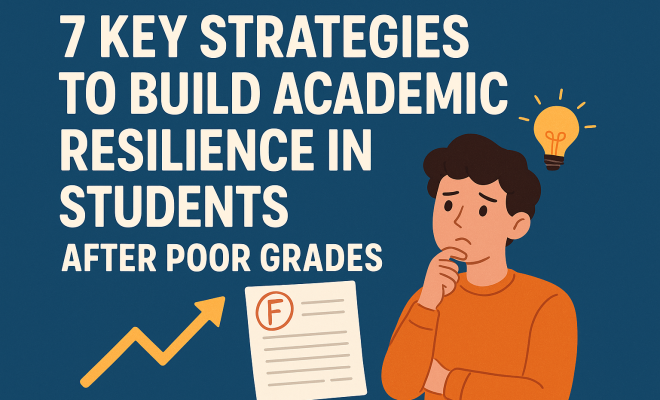
Build Academic Resilience: 7 Strategies After Poor Grades
“`html
Academic challenges are a part of life for every student, but how they respond to these challenges can vary significantly. When poor grades hit, some students seem to crumble under the pressure, while others bounce back with renewed vigor. This ability to recover and thrive despite setbacks is known as academic resilience. Understanding and fostering this resilience is crucial for educators, parents, and students alike. In this article, we will explore what academic resilience is, why it matters, and seven effective strategies to help students regain their footing after experiencing poor grades.
Understanding Academic Resilience
Defining academic resilience involves recognizing it as more than just a buzzword. It represents a student’s ability to adapt to setbacks, push through difficulties, and maintain a positive attitude towards learning. This concept is not only about bouncing back from poor grades; it encompasses a broader mindset that includes persistence, motivation, and a growth-oriented perspective. Research indicates that resilient students possess certain traits, such as optimism, self-efficacy, and the ability to seek help when needed.
As educators and parents, it’s imperative to understand that academic resilience can be cultivated. For instance, a study published in the Journal of Educational Psychology found that students who believe intelligence can grow through effort (a growth mindset) are more likely to demonstrate resilience in the face of academic challenges. Hence, building this resilience is a critical goal for educators aiming to foster long-term academic success in students.
The Importance of Academic Resilience
The relevance of academic resilience has never been more pressing. With the increasing pressures of modern education, including standardized testing, college admissions, and the ever-present influence of social media, students face a unique set of challenges. The ability to cope with academic stressors can significantly impact not only their academic performance but their overall mental health and well-being.
Moreover, academic resilience is linked to lifelong skills that extend beyond the classroom. Resilient individuals are often better equipped to handle failures and setbacks in adulthood, whether in their careers or personal lives. By fostering resilience in students, we are essentially preparing them for a future where they can face challenges head-on and emerge stronger.
Identifying Signs of Low Resilience
Before we can help students build academic resilience, it’s essential to recognize the signs that indicate a lack of it. Students who struggle with resilience may exhibit several behaviors:
- Frequent avoidance of academic tasks or procrastination.
- A negative attitude towards learning or self-doubt about their abilities.
- High levels of anxiety or stress related to schoolwork.
- Difficulty seeking help or expressing their struggles.
Understanding these signs allows educators and parents to intervene early and provide the necessary support. By addressing these issues, we can help students transform their mindset and develop the resilience they need to thrive.
Strategy 1: Foster a Growth Mindset
Encouraging students to adopt a growth mindset is one of the most powerful ways to build academic resilience. A growth mindset, as coined by psychologist Carol Dweck, is the belief that abilities and intelligence can be developed through hard work, dedication, and perseverance. In contrast, a fixed mindset assumes that abilities are static and unchangeable.
There are various ways to foster a growth mindset in students:
- Encourage Effort Over Results: Praise students for their effort and hard work rather than just their grades. This reinforces the idea that effort leads to improvement.
- Normalize Mistakes: Teach students that mistakes are valuable learning opportunities. Sharing stories of successful individuals who faced setbacks can illustrate this point.
- Set Learning Goals: Rather than focusing solely on grades, encourage students to set personal learning goals that emphasize skill development.
By embedding a growth mindset into the classroom culture, educators can help students view challenges as opportunities for growth rather than as insurmountable obstacles.
Strategy 2: Build Strong Relationships
Strong relationships with teachers, peers, and family play a pivotal role in fostering academic resilience. When students feel supported and understood, they are more likely to take risks and push through difficulties.
Here’s how to cultivate these relationships: (See: Fostering academic resilience.)
- Create a Safe Learning Environment: Ensure that the classroom is a space where students feel comfortable expressing their thoughts and feelings without fear of judgment.
- Encourage Peer Collaboration: Promote group work and collaborative projects, allowing students to learn from one another and build supportive friendships.
- Be Approachable: Educators should make it clear that they are available for guidance and support. Simple gestures like checking in on students’ well-being can make a significant difference.
When students know they have a network of support, it enhances their resilience and encourages them to seek help when they face academic challenges.
Strategy 3: Teach Problem-Solving Skills
Academic resilience is closely tied to a student’s ability to solve problems effectively. Teaching problem-solving skills can empower students to take control of their learning and navigate challenges more successfully.
Here are some methods to teach problem-solving:
- Model Problem-Solving: Walk students through the steps of approaching a problem, whether academic or personal. This can include identifying the issue, brainstorming solutions, and evaluating options.
- Encourage Independent Thinking: Pose open-ended questions that require students to think critically and develop their solutions.
- Provide Real-World Scenarios: Use case studies or real-life situations to teach problem-solving, helping students understand the relevance of these skills.
When students can break down challenges into manageable steps, they are less likely to feel overwhelmed and more likely to bounce back from setbacks.
Strategy 4: Implement Mindfulness Practices
Mindfulness practices have gained traction in recent years as powerful tools for enhancing academic resilience. These practices help students develop emotional regulation, reduce stress, and improve focus.
Some effective mindfulness techniques include:
- Meditation: Introducing short meditation sessions in the classroom can help students center their thoughts and develop a sense of calm.
- Breathing Exercises: Teach students simple breathing techniques they can use when they feel overwhelmed or anxious.
- Reflection Journals: Encourage students to keep journals where they can reflect on their experiences, emotions, and responses to challenges.
By incorporating mindfulness into the educational environment, we can help students manage stress, ultimately enhancing their capacity for resilience.
Strategy 5: Encourage Goal Setting and Reflection
Setting realistic goals and reflecting on progress is a crucial aspect of building academic resilience. When students have clear objectives, they can channel their efforts effectively and feel a sense of achievement as they progress.
To facilitate this process, educators can:
- Guide Goal Setting: Help students set specific, measurable, achievable, relevant, and time-bound (SMART) goals related to their academic performance.
- Incorporate Regular Reflection: Allocate time for students to reflect on their learning and the strategies they used to achieve their goals. This reinforces the value of persistence.
- Celebrate Small Wins: Recognize and celebrate even the smallest accomplishments to motivate students and reinforce the importance of progress.
By fostering a culture of goal setting and reflection, students can develop a greater sense of ownership over their learning and a stronger commitment to resilience.
Strategy 6: Promote a Balanced Lifestyle
Ultimately, academic resilience cannot thrive in an unbalanced environment. Students need to manage their time effectively between academics, extracurricular activities, and personal well-being. A balanced lifestyle contributes to emotional well-being, which is crucial for handling academic pressures.
Here’s how to encourage a balanced lifestyle:
- Encourage Healthy Habits: Discuss the importance of sleep, nutrition, and physical activity in maintaining focus and reducing stress.
- Promote Time Management: Teach students effective time management techniques, such as prioritizing tasks and breaking larger assignments into smaller, manageable parts.
- Encourage Breaks: Remind students to take regular breaks to recharge, whether through physical activity, hobbies, or socializing with friends.
When students learn to balance their commitments, they are less likely to feel overwhelmed and more likely to exhibit resilience when faced with challenges.
Strategy 7: Provide Access to Resources and Support
Lastly, ensuring that students have access to appropriate resources and support is vital for building academic resilience. This includes academic resources, mental health support, and opportunities for skill development. (See: Research on academic resilience.)
Effective strategies include:
- Offer Tutoring Services: Provide access to tutoring or mentoring programs to help students who may be struggling academically.
- Facilitate Counseling Services: Ensure students are aware of mental health resources available within the school or community.
- Encourage Extracurricular Involvement: Promote participation in clubs, sports, and other activities that help build connections and develop social skills.
By providing a comprehensive support system, we empower students to seek help when needed and strengthen their resilience in the face of academic challenges.
The Way Forward
Building academic resilience is not a one-time effort but a continuous process that requires dedication from educators, parents, and students alike. By implementing these seven strategies, we can create an environment where students feel supported, challenged, and empowered to overcome setbacks. The journey through education is fraught with challenges, but fostering resilience will help ensure that students not only survive but thrive.
As we move forward, let’s commit to prioritizing resilience-building initiatives and recognize that every setback is an opportunity for growth. The impact of academic resilience extends far beyond the classroom, shaping the individuals our students will become in a rapidly changing world.
Exploring Academic Resilience Through Real-Life Examples
Understanding academic resilience often requires real-world examples that illustrate how students have successfully navigated challenges. Take, for instance, the story of Alex, a high school student who struggled with math. Despite his initial failures and low grades, Alex embraced a growth mindset. He sought help from his teacher, attended tutoring sessions, and practiced consistently. By the end of the semester, not only had his grades improved, but he also developed a newfound appreciation for the subject. This transformation highlights that resilience isn’t just about bouncing back; it’s about learning and evolving through the process. Similar stories abound, showcasing the potential that lies within every student, waiting to be unlocked.
Statistics on Resilience in Education
Research shows that resilience is a key predictor of academic success. According to a report by the American Psychological Association, students who demonstrate resilience are more likely to achieve higher academic outcomes. For instance, resilient students are 20% more likely to graduate from high school and 50% more likely to enroll in postsecondary education. Additionally, a survey conducted by the National Institute of Mental Health revealed that 70% of students who reported high resilience levels also reported lower levels of anxiety and stress, further underscoring the importance of fostering these qualities.
Expert Perspectives on Academic Resilience
Experts in psychology and education emphasize the importance of resilience. Dr. Angela Duckworth, renowned for her research on grit, points out that resilience is not just about overcoming academic hurdles but cultivating a passion for long-term goals. She states, “Resilience is about having the grit to work through challenges, and that often leads to success in academic and personal endeavors.” Similarly, Dr. Martin Seligman, a pioneer in positive psychology, highlights that resilience is integral to well-being. He advocates for interventions that foster resilience, stating, “Resilient students are better prepared for life’s challenges, both in and out of the classroom.”
Comparing Academic Resilience Across Demographics
Academic resilience can also be viewed through the lens of demographics. Studies have shown that students from low-income backgrounds often face unique challenges that can hinder their resilience. However, with the right support systems in place, these students can develop significantly higher resilience compared to their peers in more affluent areas. For example, programs that provide mentorship and access to resources have been shown to improve the resilience of underprivileged students, often resulting in better academic performance and higher graduation rates.
Fostering Resilience in Online Learning Environments
The shift to online learning has introduced new challenges for students and educators alike. However, it also provides an opportunity to promote academic resilience in innovative ways. Online platforms can facilitate personalized learning experiences, allowing students to engage at their own pace. Educators can foster resilience by incorporating interactive elements, such as discussion forums and collaborative projects, which encourage student engagement and support. Additionally, providing resources for self-directed learning can empower students to tackle challenges independently, further enhancing their resilience.
FAQ about Academic Resilience
What is academic resilience?
Academic resilience is the ability of a student to adapt to academic challenges, maintain a positive attitude, and persist in the face of setbacks. It involves developing skills and strategies that enable students to recover from difficulties and thrive in their educational pursuits.
Why is academic resilience important?
Academic resilience is crucial because it not only impacts students’ academic performance but also influences their overall mental health and well-being. Resilient students are better prepared to handle life’s challenges, leading to greater success in both their academic and personal lives.
How can parents help foster resilience in their children?
Parents can foster resilience by encouraging a growth mindset, creating a supportive environment, and modeling perseverance. Engaging in open discussions about challenges and emphasizing the importance of effort over results can also help children develop resilience.
What role do teachers play in building academic resilience?
Teachers play a vital role in building academic resilience by creating supportive learning environments, providing constructive feedback, and encouraging students to take risks. They can implement strategies that focus on growth, collaboration, and problem-solving, all of which contribute to fostering resilience.
Can resilience be taught, or is it an inherent trait?
Resilience can be taught and cultivated. While some individuals may have a natural tendency towards resilience, various interventions and strategies can help all students develop this crucial skill. Educators and parents can implement practices that encourage resilience-building behaviors.
How does resilience impact future success?
Resilience significantly impacts future success by equipping individuals with the ability to handle setbacks and challenges throughout their lives. Resilient individuals are generally more adaptable, persistent, and open to learning, which ultimately enhances their chances of achieving both academic and career goals.
Additional Strategies to Enhance Academic Resilience
Beyond the seven strategies already discussed, educators and parents can implement additional measures to further enhance academic resilience in students. Here are a few effective approaches:
Utilize Technology Wisely
Incorporating educational technology can provide students with varied ways to learn and overcome academic challenges. Platforms with gamified learning experiences can make difficult subjects more engaging. For instance, using apps that promote interactive learning can motivate students to tackle difficult topics and track their progress. This not only enhances learning but also builds resilience by allowing students to see their growth over time.
Encourage Community Involvement
Engaging students in community service or local initiatives can boost their sense of belonging and responsibility. When students step outside the classroom and contribute to their communities, they often develop a greater sense of purpose, which can enhance their resilience. Programs that integrate real-world experiences foster not only academic skills but also social skills and emotional intelligence.
Teach Stress Management Techniques
Teaching students stress management techniques is essential for building resilience. Workshops or classes that focus on stress reduction strategies—like yoga, time management, and healthy coping mechanisms—can provide valuable tools for students. By equipping them with these strategies, students can approach academic challenges with a calmer mindset, enhancing their overall resilience.
Highlight the Importance of Self-Care
Self-care is often overlooked in academic settings, yet it plays a crucial role in a student’s ability to cope with stress and challenges. Schools can implement programs that educate students about self-care practices, such as maintaining a balanced diet, getting enough sleep, and engaging in hobbies. When students prioritize their well-being, they are better equipped to handle academic pressures and setbacks.
Conclusion: The Lifelong Benefits of Academic Resilience
Building academic resilience is a vital endeavor that extends far beyond the classroom. The skills and strategies developed through resilience-building practices can benefit students in countless ways throughout their lives. From improved academic performance to enhanced emotional well-being, the dividends of fostering resilience are profound. By cultivating an environment where resilience is prioritized, we are not only preparing students to succeed academically but also equipping them with the tools they need to navigate the complexities of life with confidence.
“`
Trending Now
- our breakdown of the alarming truth about adhd phonemic awareness: why your child may be struggling
- this guide on 7 strategies to cultivate resilience in elementary students after trauma
- our breakdown of 5 ways adhd affects gpa and how students can overcome challenges
- the complete explanation
Frequently Asked Questions
What is academic resilience?
Academic resilience refers to a student's ability to adapt to setbacks, maintain a positive attitude towards learning, and persist through difficulties. It encompasses traits such as optimism, self-efficacy, and the willingness to seek help, enabling students to bounce back from poor grades and thrive in their academic journey.
Why is academic resilience important for students?
Academic resilience is crucial as it helps students cope with challenges like poor grades and academic pressures. Developing this resilience fosters a growth mindset, allowing students to view setbacks as opportunities for growth, which is essential for long-term academic success and personal development.
How can educators help build academic resilience in students?
Educators can foster academic resilience by encouraging a growth mindset, providing support and resources, promoting optimism, and teaching coping strategies. Creating a positive learning environment where students feel safe to express their difficulties and seek help is also vital in building resilience.
What strategies can parents use to support academic resilience?
Parents can support academic resilience by encouraging persistence, celebrating effort over results, and providing a safe space for discussing academic challenges. They should also model a positive attitude towards setbacks and help their children develop problem-solving skills to navigate difficulties.
How does a growth mindset relate to academic resilience?
A growth mindset, the belief that intelligence can be developed through effort, is closely linked to academic resilience. Students with a growth mindset are more likely to view challenges as opportunities for learning, which enhances their ability to bounce back from poor grades and maintain motivation.
Have you experienced this yourself? We’d love to hear your story in the comments.