Boost Social Skills: Teaching Reciprocity Through Play
“`html
In the world of early childhood education, few concepts are as fundamental yet often overlooked as reciprocity in preschool. This principle revolves around the idea of mutual exchange, building relationships, and fostering social skills through interactive play. As educators and caregivers, understanding the significance of reciprocity can profoundly impact the developmental trajectories of young learners. This article explores the importance of teaching reciprocity through play in preschool and kindergarten settings, providing insights, strategies, and practical applications for educators.
Understanding Reciprocity in Early Childhood Education
Reciprocity refers to the practice of exchanging things with others for mutual benefit. In the context of preschool and kindergarten, it encompasses the social interactions that children engage in as they play, learn, and grow. Children learn the importance of give-and-take during their formative years, not only in terms of sharing toys or taking turns but also in understanding emotions, communication, and empathy.
Research highlights that fostering reciprocal relationships early on lays the groundwork for future social competence. According to studies, children who engage in reciprocal interactions display enhanced language skills, better problem-solving abilities, and improved emotional regulation. This makes it crucial for educators to create environments where reciprocity can thrive.
The Role of Play in Fostering Reciprocity
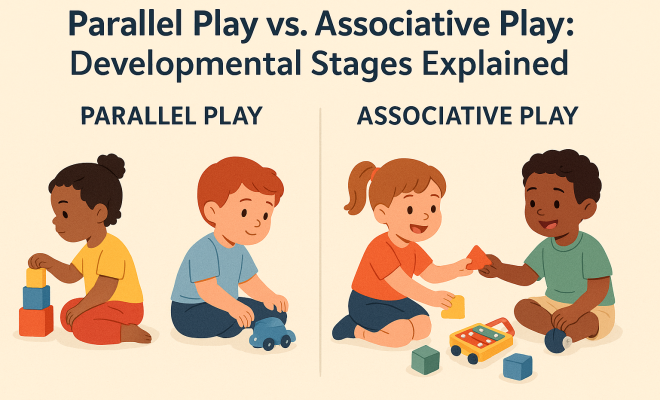
Play is an essential medium through which children learn and develop social skills. It provides a safe space for experimentation, allowing children to explore relationships, negotiate roles, and practice empathy. Through various forms of play—be it cooperative games, pretend play, or structured activities—children can develop a sense of reciprocity.
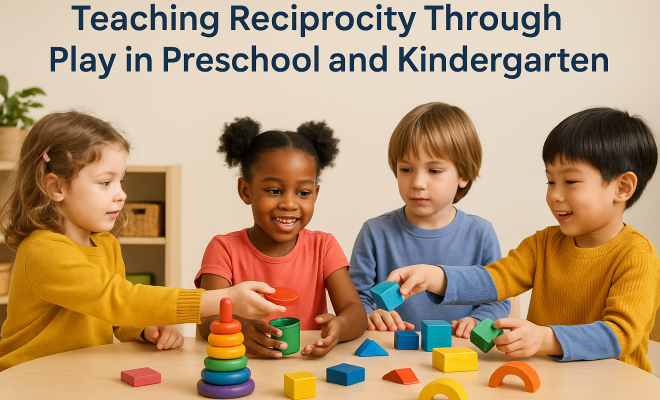
For instance, when children engage in cooperative play, they learn to share resources, listen to each other, and respond to one another’s needs. This dynamic interaction not only helps them grasp the concept of reciprocity but also enhances their ability to engage in social situations as they grow older. The collaborative aspect of play fosters a sense of community and belonging, which is pivotal for emotional development.
Types of Play That Promote Reciprocity
Different types of play can distinctly promote the understanding of reciprocity among preschoolers. Here are some key forms:
- Cooperative Play: This involves children working together towards a common goal, such as building a fort or completing a puzzle. In cooperative play, children learn to communicate effectively, take turns, and respect one another’s contributions.
- Role-Playing: Pretend play allows children to step into different characters’ shoes, fostering empathy and understanding. This type of play encourages children to consider others’ perspectives, which is vital for developing reciprocal relationships.
- Structured Games: Games that require rules, turn-taking, and teamwork can enhance children’s understanding of reciprocity. These games teach children the importance of fairness and collaboration.
- Creative Play: Activities such as art, music, or storytelling can also foster reciprocity. When children collaborate on creative projects, they learn to share ideas and appreciate each other’s contributions.
Creating an Environment That Encourages Reciprocity
For educators, creating a stimulating environment that encourages reciprocity is paramount. This can be achieved through several strategies:
- Setting Up Play Centers: Designate areas in the classroom for different types of play, such as a dramatic play corner, building blocks, or art stations. This variety allows children to engage in different forms of play that can foster reciprocity.
- Modeling Reciprocal Behaviors: Educators should model and encourage behaviors that promote reciprocity. This might include sharing, active listening, and respectful communication.
- Facilitating Group Activities: Regularly incorporate group activities that require teamwork and collaboration, helping children practice reciprocity in a structured context.
- Providing Guidance: Offer support and guidance when children struggle with reciprocal interactions. Prompt them with questions to help them think through social situations and develop solutions.
Teaching Strategies for Fostering Reciprocity
While play is a natural context for teaching reciprocity, educators can also implement specific strategies to directly teach this vital skill:
- Use Storytelling: Incorporate stories that emphasize themes of sharing, cooperation, and friendship. Discuss the characters’ actions and choices, prompting children to consider alternative responses.
- Encourage Reflection: After group activities or play sessions, lead discussions that allow children to reflect on their experiences. Ask questions like, “How did you feel when you shared your toy?” or “What could you do to help your friend?”
- Role-Play Scenarios: Create scenarios where children can practice reciprocal interactions. For instance, role-playing different social situations allows them to navigate responses and develop empathy.
- Celebrate Cooperative Success: Recognize and celebrate moments when children successfully engage in reciprocal behaviors. This reinforcement encourages them to continue practicing these skills.
The Impact of Technology on Reciprocity in Preschool
As technology increasingly permeates early childhood education, it’s essential to consider its effects on reciprocity. While educational apps and digital games can provide interactive experiences, they can also diminish face-to-face interactions that are crucial for developing social skills. (See: importance of social interactions in early childhood.)
Research suggests that too much screen time can lead to decreased social engagement among preschoolers. Educators must strike a balance, integrating technology in a way that complements traditional play rather than replaces it. For example, using digital storytelling that children can collaborate on can promote reciprocal communication and teamwork.
Current Relevance of Teaching Reciprocity in Preschool
In our increasingly interconnected world, teaching reciprocity in preschool is more relevant than ever. As children prepare to enter a diverse society, the ability to work collaboratively with others from different backgrounds is crucial. Beyond social skills, understanding reciprocity also fosters empathy, an essential quality for creating compassionate communities.
Moreover, with the rise of mental health awareness, equipping children with the skills to form healthy relationships can help mitigate issues such as bullying and social isolation. Schools that prioritize social-emotional learning, including reciprocity, lay the foundation for resilient future citizens.
Challenges in Teaching Reciprocity
Despite its importance, teaching reciprocity in preschool faces several challenges. One issue is the varying levels of social skills among children in a classroom. Some children may struggle with sharing or understanding others’ feelings, making it difficult for them to engage in reciprocal interactions.
Additionally, cultural differences can shape children’s understanding of reciprocity. Educators must be sensitive to these differences and adapt their teaching methods accordingly. Providing a diverse range of examples and experiences can help bridge these gaps and foster a more inclusive understanding of reciprocity.
Building a Strong Foundation for Future Relationships
Teaching reciprocity in preschool does not only prepare children for immediate social interactions; it lays the groundwork for their future relationships. As they grow older, the skills they develop during these early years can influence how they form friendships and navigate social conflicts. For instance, children who understand the importance of mutual exchange are more likely to form positive peer relationships and exhibit resilience in the face of challenges.
A study published in the Journal of Early Childhood Research found that children who participated in structured play activities focusing on reciprocity were more likely to display pro-social behaviors in later years. This indicates that the investment in teaching reciprocity has long-term benefits that extend beyond the preschool classroom.
Understanding the Social-Emotional Learning (SEL) Connection
Reciprocity is a crucial component of Social-Emotional Learning (SEL), an educational framework that emphasizes emotional intelligence and interpersonal skills. Incorporating SEL into preschool curricula can enhance the effectiveness of teaching reciprocity. By integrating SEL practices, educators can create a comprehensive approach that not only targets social skills but also emotional awareness.
Key SEL competencies such as self-awareness, self-management, social awareness, relationship skills, and responsible decision-making all play a role in fostering reciprocity. For example, when children learn to recognize their own emotions (self-awareness), they are better equipped to understand their peers’ emotions (social awareness), leading to more reciprocal interactions.
Programs that incorporate SEL often include activities that encourage children to express their feelings and practice empathy through group discussions, role-playing, and collaborative projects. This structured learning environment ensures that the concept of reciprocity is reinforced through various avenues, making it a fundamental aspect of their educational experience.
Real-Life Examples of Reciprocity in Action
To truly understand how reciprocity plays out in a preschool setting, it’s helpful to look at real-life examples. Consider a scenario in a preschool classroom where children are involved in a building project using blocks. One child begins constructing a tower, and another child, noticing the effort, asks if they can help. This interaction is a perfect illustration of reciprocity; the first child could say yes, sharing their space and resources, while also showing appreciation for the help. Conversely, they might decline, but in doing so, they learn to articulate their needs and preferences. (See: reciprocity and child development research.)
Another example could be during a snack time. When a child shares their snack with a peer, they learn about generosity and the joy of giving. The receiving child, in turn, might offer to share their snack next time, reinforcing the cycle of reciprocity. These everyday moments are critical for children to practice and internalize the concept of mutual exchange.
Statistics on Reciprocity and Social Skills
Several studies underline the importance of reciprocity in early childhood development. According to a report by the National Association for the Education of Young Children (NAEYC), children who regularly engage in reciprocal social interactions exhibit a 25% increase in positive peer relationships by the time they reach the middle of kindergarten compared to those who do not.
Moreover, research conducted by the Center for Social Development indicated that children who are taught the principles of reciprocity are 40% more likely to demonstrate kindness and cooperation in group settings as they transition into elementary school. These statistics not only highlight the effectiveness of teaching reciprocity but also emphasize its lasting impact on children’s social skills.
Frequently Asked Questions (FAQ)
What is the best age to start teaching reciprocity in preschool?
Reciprocity can begin to be introduced as early as age two when children start to engage in cooperative play. However, preschool is a prime time to deepen their understanding, as they are developing more complex social skills and relationships.
How can parents support the teaching of reciprocity at home?
Parents can encourage reciprocity by modeling sharing behaviors, engaging in cooperative activities, and discussing feelings. Simple games that require turn-taking or collaborative projects can reinforce these skills at home.
What role does cultural background play in understanding reciprocity?
Cultural background can significantly influence children’s views on sharing, cooperation, and social interactions. Being mindful of these differences allows educators to tailor their approach to teaching reciprocity in a way that resonates with all children.
Are there any specific activities that can help promote reciprocity?
Yes! Activities like group art projects, team sports, and collaborative storytelling can foster reciprocal relationships among children. These activities encourage children to work together, share ideas, and appreciate each other’s contributions.
How can educators assess children’s understanding of reciprocity?
Educators can observe children’s interactions during play, noting their ability to share, take turns, and respond to peers’ needs. Additionally, structured reflections after group activities can provide insight into children’s understanding of reciprocity.
What are some common misconceptions about reciprocity in preschool?
One common misconception is that reciprocity only involves tangible exchanges, like sharing toys. However, reciprocity also encompasses emotional exchanges, such as responding to a friend’s feelings or providing comfort. Understanding this broader concept is essential for fostering deep social connections among preschoolers.
How can educators handle conflicts that arise during reciprocal interactions?
Conflicts are natural and can serve as valuable learning opportunities. Educators should facilitate discussions that help children express their feelings and perspectives. Guiding them to collaboratively find solutions fosters problem-solving skills and reinforces the importance of reciprocity.
How do different personality types among children affect reciprocity?
Children have diverse personality traits, which can influence their approach to reciprocity. For instance, more outgoing children may readily engage in reciprocal interactions, while shy children might need encouragement. Understanding these differences allows educators to tailor their strategies, ensuring that all children can participate and develop their reciprocal skills.
Strategies for Encouraging Reciprocal Learning at Home
Parents play a vital role in reinforcing the lessons learned about reciprocity in preschool. Here are some strategies they can use:
- Set Up Playdates: Arrange playdates where children can engage in collaborative play. This provides them with opportunities to practice reciprocal exchanges in a familiar environment.
- Incorporate Team Activities: Involve children in family activities that require teamwork, such as cooking a meal together or completing a puzzle. This encourages them to share responsibilities and appreciate each other’s contributions.
- Discuss Experiences: After playdates or group activities, talk with children about their experiences. Ask them how they felt during specific exchanges and what they learned about sharing and cooperation.
- Read Books on Friendship: Select books that highlight themes of friendship, sharing, and cooperation. Reading together provides a platform for discussing the importance of reciprocity in relationships.
The Role of Educators in Promoting Reciprocity
Educators are crucial in promoting the understanding of reciprocity in preschool. Their actions can significantly impact how children perceive and practice reciprocal relationships. Here’s how they can enhance this teaching:
- Professional Development: Attend workshops focused on social-emotional learning and reciprocity. Continuous professional development helps educators stay informed about the best practices in promoting these skills.
- Collaborate with Colleagues: Share experiences and strategies with fellow educators. Collaborating can lead to new ideas and methods that effectively promote reciprocity among children.
- Engage with Families: Communicate with families about the importance of reciprocity and provide them with resources and strategies to reinforce these lessons at home. Building a bridge between home and school enhances children’s understanding.
- Reflect on Practice: Regularly reflect on teaching practices and how they promote or hinder reciprocal interactions. This self-assessment can lead to meaningful changes in the classroom environment.
The Lasting Legacy of Reciprocity in Preschool
Teaching children about reciprocity extends far beyond the preschool years. The skills they develop will influence their adult relationships, shaping how they interact with others in personal and professional environments. By embedding reciprocity into the fabric of early education, we create a foundation for a more empathetic and connected society.
In summary, investing in the teaching of reciprocity through play in preschool is not just about enhancing social skills; it’s about fostering an entire generation of compassionate individuals who understand the power of mutual respect and cooperation. As they grow, these lessons will resonate in their personal connections and contribute positively to their communities.
“`
Trending Now
Frequently Asked Questions
What is reciprocity in preschool education?
Reciprocity in preschool education refers to the mutual exchange of interactions among children, fostering relationships and social skills. It encompasses sharing, taking turns, and understanding emotions, which are crucial for children's development during their formative years.
How does play promote social skills in young children?
Play promotes social skills by providing a safe environment for children to experiment with relationships, negotiate roles, and practice empathy. Through cooperative games and pretend play, children learn to communicate, share, and respond to each other, enhancing their social interactions.
Why is teaching reciprocity important in early childhood?
Teaching reciprocity is vital in early childhood as it lays the foundation for future social competence. Engaging in reciprocal interactions helps children develop language skills, problem-solving abilities, and emotional regulation, which are essential for their overall growth.
What strategies can educators use to teach reciprocity?
Educators can teach reciprocity by creating interactive environments that encourage cooperative play, structured activities, and role-playing. Providing opportunities for children to share resources, work in teams, and engage in discussions can enhance their understanding of mutual exchange.
What are the benefits of reciprocal interactions in preschool?
Reciprocal interactions in preschool benefit children by improving their language skills, enhancing problem-solving capabilities, and fostering emotional regulation. Engaging in these interactions early on prepares children for successful social relationships in their future.
Agree or disagree? Drop a comment and tell us what you think.