Traveling Smart: The Shift to Meaningful Vacations in 2026
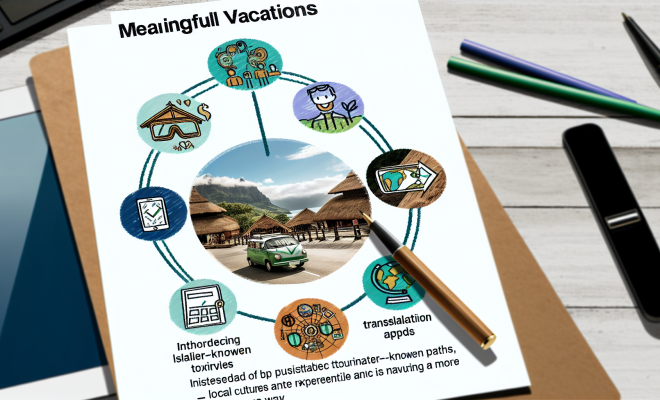
The world of travel is undergoing a significant transformation in 2026, as vacation trends reflect a shift towards shorter trips enriched with meaningful experiences. As travelers become increasingly budget-conscious, the focus is shifting from quantity to quality, leading to a redefined approach to travel planning. This article explores the emerging trends in travel that are shaping how individuals and families plan their vacations, as well as the implications for the travel industry as a whole.
The Rise of Shorter Trips
In recent years, the concept of travel has evolved dramatically, with a noticeable trend towards shorter, more frequent trips. With the fast-paced nature of modern life, many travelers are opting for quick getaways rather than lengthy vacations. According to recent studies, an overwhelming majority of vacationers are now planning trips that last less than a week.
Reasons Behind the Shift
- Time Constraints: With busy work schedules and personal commitments, many individuals find it challenging to take extended time off. Shorter trips allow them to recharge without the need for extensive planning.
- Affordability: Shorter vacations can be more budget-friendly, allowing travelers to save on accommodation and transportation costs.
- Flexibility: Short trips offer greater flexibility in planning and can be booked on shorter notice, making it easier for travelers to adapt to changing circumstances.
Emphasis on Rich Experiences
As travelers shift towards shorter trips, the demand for richer, more meaningful experiences is on the rise. Instead of merely visiting popular tourist attractions, vacationers are seeking immersive experiences that allow them to connect with local cultures.
Types of Rich Experiences
- Cultural Immersion: Travelers are increasingly interested in engaging with local traditions, cuisine, and art, often participating in workshops or community events.
- Adventure Travel: Many are opting for activities that push their limits, such as hiking, biking, or exploring remote locations.
- Wellness Retreats: There is a growing interest in wellness-focused vacations, where travelers prioritize mental and physical health through yoga, meditation, and spa treatments.
Smart Budget Choices
In 2026, travelers are more conscious than ever about how they allocate their budgets for vacations. The economic landscape has prompted many to adopt smarter financial strategies when planning their trips.
Strategies for Budget-Conscious Travel
- Off-Peak Travel: Traveling during off-peak seasons can result in significant savings on flights and accommodations.
- Local Accommodations: Many travelers are choosing to stay in locally-owned lodgings, such as guesthouses or Airbnb rentals, which often provide a more authentic experience at a lower cost.
- Package Deals: Bundling flights, hotels, and activities can often yield better prices, making it an attractive option for budget-conscious travelers.
Implications for the Travel Industry
The shift towards shorter, experience-driven travel is having profound implications for the travel industry. Businesses are adapting their offerings to cater to the evolving preferences of consumers.
Adapting to New Consumer Preferences
- Travel Agencies: Many travel agencies are reworking their packages to include more experiential options and shorter itineraries.
- Accommodations: Hotels and resorts are focusing on creating unique experiences, such as guided tours, local dining options, and cultural workshops.
- Transportation: Airlines and transportation services are introducing more flexible scheduling and pricing structures to accommodate the needs of short-trip travelers.
Looking Ahead: The Future of Travel
As we move further into 2026 and beyond, the trends toward shorter trips, meaningful experiences, and smart budget choices are expected to continue evolving. Travelers will increasingly prioritize personal enrichment and authentic connections, leading to innovative offerings from the travel industry.
Potential Future Trends
- Technological Integration: Advances in technology may further enhance the travel experience, with apps and platforms allowing travelers to curate their itineraries with ease.
- Sustainable Travel: As environmental concerns grow, more travelers may seek eco-friendly options, influencing how trips are planned and executed.
- Personalized Experiences: The future may bring even more tailored travel experiences, as businesses leverage data to understand and meet individual traveler preferences.
Conclusion
The trends shaping travel in 2026 reflect a broader cultural shift towards valuing quality over quantity. As travelers embrace shorter trips filled with rich experiences and make smarter budget choices, the travel industry is poised to adapt and innovate in response. This evolution not only enhances the travel experience but also fosters a deeper connection between travelers and the destinations they explore.