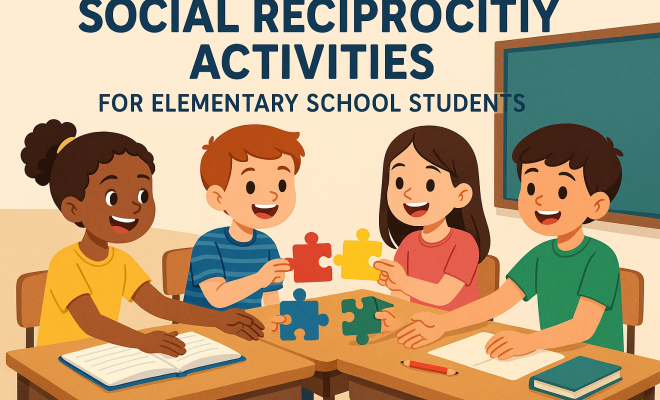
Social Reciprocity Activities for Elementary School Students
“`html
In the vibrant world of elementary education, fostering social skills is just as important as teaching math and reading. Among the myriad of approaches educators can take, social reciprocity activities stand out as essential tools for promoting effective social interactions among students. These activities not only help children learn the value of sharing and taking turns but also cultivate empathy and understanding—skills that will benefit them throughout their lives. In this comprehensive exploration, we’ll delve into the significance of these activities, provide a wealth of practical insights, and discuss their current relevance in fostering a thriving classroom environment.
Understanding Social Reciprocity
Before diving into specific activities, it’s vital to grasp what social reciprocity entails. Simply put, social reciprocity refers to the exchange of social behaviors or responses between individuals. In the context of elementary education, this means teaching children how to engage with their peers in meaningful ways—whether through conversation, sharing activities, or collaborative projects.
Studies indicate that children learn best through play and interaction. According to a 2018 study published in the journal Child Development, engaging in cooperative play allows young children to practice social skills in a low-pressure environment, leading to improved behavioral outcomes and better emotional regulation. Thus, implementing structured social reciprocity activities in the classroom can significantly impact students’ social development.
The Importance of Social Reciprocity Activities
Why should educators prioritize social reciprocity activities? The answer lies in the multifaceted benefits these activities provide:
- Enhancing Communication Skills: Participating in group activities helps children articulate their thoughts and feelings.
- Building Empathy: Engaging with peers encourages students to consider perspectives beyond their own.
- Promoting Teamwork: Many social reciprocity activities require collaboration, teaching children the value of working together.
- Reducing Behavioral Issues: Students who are socially adept are less likely to exhibit disruptive behaviors.
In a world where social media often overshadows face-to-face interactions, honing these skills early in life is crucial. It sets a foundation for healthy relationships and effective communication throughout their adult lives.
10 Engaging Social Reciprocity Activities for Elementary Students
Now that we understand the significance of social reciprocity, let’s explore ten engaging activities that educators can implement in the classroom:
1. Cooperative Games
Games that require teamwork naturally foster social reciprocity. Activities like “Tug-of-War” or “Capture the Flag” compel students to strategize and communicate to succeed. The thrill of competition also teaches students about winning and losing gracefully, an important aspect of social interactions.
2. Peer Teaching
When students take turns teaching their peers about a topic, they engage in a reciprocal learning process. For example, a student who excels in math can teach their classmates about multiplication while others can share their knowledge on science. This not only builds confidence but also reinforces their understanding of the material.
3. Role-Playing Scenarios
Creating role-playing scenarios helps children practice social situations they may encounter. For instance, a teacher can set up a scenario where students need to resolve a conflict, prompting them to discuss their feelings and responses. This teaches empathy and improves conflict resolution skills.
4. Group Art Projects
Art is a powerful medium for social expression. Organizing a group mural or collage allows students to collaborate creatively. Each child contributes their artistic vision while learning to appreciate their classmates’ contributions and ideas, reinforcing the principle of reciprocity. (See: CDC on school health programs.)
5. Storytelling Circles
In a storytelling circle, each student gets a chance to share a part of a story. This activity fosters listening skills, encourages creativity, and teaches children to build on one another’s ideas. It reinforces the notion that everyone’s voice matters in a collaborative environment.
6. Service Projects
Engaging students in community service projects shifts the focus from themselves to others. Whether it’s a school clean-up or collecting items for a local shelter, students learn the importance of giving back and the joy that comes from helping others—an essential reciprocal relationship.
7. Partner Reading
Partner reading can enhance literacy skills while fostering social interactions. Pairing students to read together allows them to discuss the text, ask questions, and support one another’s learning process. This collaboration encourages patience and helpfulness.
8. Circle Time Discussions
Regular circle time discussions offer a platform for students to express their thoughts and feelings. Each student has the opportunity to share while others listen and respond. This structured format teaches respect for differing opinions, promoting a culture of reciprocity and understanding.
9. Classroom Jobs
Assigning classroom jobs to students not only teaches responsibility but also fosters teamwork. When students work together to maintain classroom order, they learn to rely on one another, developing a stronger sense of community.
10. Friendship Interviews
Having students conduct interviews with their classmates about their interests and hobbies encourages them to find common ground. Sharing their findings with the class helps build connections and nurtures friendships, reinforcing the social reciprocity dynamic.
Implementing Social Reciprocity Activities in the Classroom
Implementing these activities requires thoughtful planning and consideration. Here are practical steps teachers can take to integrate social reciprocity activities into their curriculum:
- Assess Student Needs: Understand the social dynamics of your classroom. Identifying students who may struggle with social interactions can help tailor activities effectively.
- Set Clear Objectives: Define what each activity aims to achieve, whether it’s enhancing communication skills, building empathy, or improving teamwork.
- Encourage Reflection: After activities, engage students in discussions about what they learned and how they felt. This reinforces their experiences and solidifies their understanding of social reciprocity.
- Monitor Progress: Keep track of students’ growth in social skills, making adjustments to activities as necessary to meet evolving needs.
Challenges and Solutions
While the benefits of social reciprocity activities are clear, educators may face challenges in implementing them. Here are some common hurdles and potential strategies to overcome them:
- Varied Skill Levels: Not every student will have the same social skills. Teachers can pair students strategically, allowing those with stronger skills to mentor those who may struggle.
- Time Constraints: In a packed curriculum, finding time for these activities can be tough. Teachers can integrate social reciprocity into existing lessons—like including discussion or group work in reading or math activities.
- Reluctance to Participate: Some students may feel shy or anxious about engaging with peers. Creating a supportive and positive classroom environment can quell these fears, encouraging participation.
The Role of Parents and Guardians
Fostering social reciprocity isn’t solely the responsibility of educators. Parents and guardians play a critical role in reinforcing these skills at home. Here are a few ways they can contribute:
- Model Positive Social Behavior: Children learn by example. Parents should demonstrate effective communication, empathy, and cooperation in their interactions.
- Encourage Playdates: Helping children arrange playdates enables them to practice their social skills in an informal setting.
- Discuss Social Situations: Engaging children in conversations about their day can provide opportunities for discussing social dynamics and problem-solving.
Creating a strong home-school connection can amplify the impact of social reciprocity activities, ensuring that children receive consistent messages about the importance of social skills.
Current Relevance of Social Reciprocity Activities
In our digital age, where online communication often overshadows face-to-face interactions, the need for strong social skills has never been more critical. Recent trends in education highlight the importance of social emotional learning (SEL), of which social reciprocity is a key component. According to the Collaborative for Academic, Social, and Emotional Learning (CASEL), schools that integrate SEL into their curricula see improved academic performance, better classroom behavior, and enhanced emotional health.
Furthermore, the COVID-19 pandemic has underscored the importance of social connectivity. As students returned to in-person learning, many faced challenges in social interactions due to extended periods of isolation. Implementing social reciprocity activities can provide students with the necessary tools to rebuild their social networks and foster meaningful relationships with their peers.
Expanding on Social Reciprocity Activities: Additional Approaches and Insights
While the previously mentioned activities provide a solid foundation, there are numerous additional strategies and insights that can enhance the effectiveness of social reciprocity activities in the classroom.
Incorporating Technology
In today’s digital world, educators can also leverage technology to promote social reciprocity. For instance, using online collaborative tools such as Google Docs or Padlet allows students to work together on projects even when they’re physically apart. This can be particularly beneficial for students who may have difficulty interacting in person due to social anxiety. By providing a comfortable platform for collaboration, students can engage in reciprocal communication and build relationships through shared goals.
Using Structured Reflection
After engaging in social reciprocity activities, structured reflection is essential. Teachers can guide students to write in journals or participate in group discussions about what they learned regarding social interactions. These reflections can prompt deeper understanding and help students articulate their experiences better. For example, students could discuss how they felt when they had to share their ideas during a group project or how they resolved conflicts during role-playing scenarios.
Expert Perspectives on Social Reciprocity
Experts in child development emphasize the importance of social reciprocity in shaping healthy interpersonal relationships. Dr. John Gottman, a renowned psychologist, highlights that children with strong social skills often have more successful relationships and are more likely to excel academically. He advocates for integrating these practices into daily routines and educational settings to ensure children have ample opportunities to practice and reinforce their social skills.
Comparative Analysis of Social Reciprocity Across Cultures
Understanding how social reciprocity varies across cultures can enrich educators’ approaches. In some cultures, communal play is emphasized, promoting cooperation from a young age. For instance, in many Indigenous cultures, collective storytelling not only teaches children about their heritage but also encourages them to listen and respond to each other, reinforcing social bonds. Educators can draw from these cultural practices to adapt their social reciprocity activities, ensuring they are inclusive and relevant for all students.
Statistics on Social Skills Development
Research has shown that children with strong social skills are more likely to achieve academic success. According to a study by the National Center for Education Statistics, students with high social-emotional skills had a 54% higher chance of performing well in math and reading tests compared to their peers with lower social skills. This underscores the importance of integrating social reciprocity into educational curriculums as a means of enhancing overall academic performance.
FAQs About Social Reciprocity Activities
What age group benefits most from social reciprocity activities?
While social reciprocity activities are beneficial for all age groups, they are particularly crucial for elementary school students. This is a formative period for developing social skills, and engaging in these activities helps lay the groundwork for future interpersonal interactions.
How can I measure the effectiveness of social reciprocity activities?
To measure effectiveness, educators can observe student interactions during activities, collect feedback through surveys or reflections, and monitor changes in classroom dynamics over time. Additionally, assessing improvements in individual student behavior and social skills can provide valuable insights.
Can social reciprocity activities be adapted for remote learning?
Absolutely! Many social reciprocity activities can be adapted for remote learning by using digital tools that facilitate collaboration and communication. For instance, virtual group discussions or online projects can help maintain social engagement among students, even when they are not physically together.
What role do teachers play in facilitating social reciprocity?
Teachers play a critical role in facilitating social reciprocity activities by creating a supportive environment, providing guidance during interactions, and modeling effective communication. They are also responsible for designing activities that encourage positive social exchanges and helping to navigate conflicts when they arise.
How can I involve parents in social reciprocity activities?
Involving parents can be achieved through workshops, newsletters, or at-home activities that reinforce social skills. For example, educators can send home suggestions for family games that promote teamwork or communication, encouraging parents to model and practice these skills with their children.
Future Trends in Social Reciprocity Activities
As education continues to evolve, so do the methods and tools available for teaching social reciprocity. Emerging trends are likely to focus on integrating social-emotional learning (SEL) with academic curricula, ensuring that students not only excel in academics but also develop the necessary social skills for future success.
One exciting trend is the increasing use of experiential learning opportunities. Schools are beginning to implement programs where students can participate in real-world activities, such as community service or internships, where they can practice social skills. These experiences allow students to learn how to navigate various social situations outside the classroom, reinforcing the principles of social reciprocity in a practical context.
Conclusion
In summary, social reciprocity activities are fundamental to the social development of elementary school students. By incorporating these engaging activities into the classroom, educators can cultivate essential skills that will serve children well into adulthood. With the support of parents and the acknowledgment of current social challenges, we can create an educational environment that prioritizes social connection and empathy, ultimately shaping a generation of well-rounded individuals. By embracing these initiatives, we can ensure that children not only excel academically but also thrive socially, paving the way for a more harmonious future.
“`
Trending Now
Frequently Asked Questions
What are social reciprocity activities for students?
Social reciprocity activities are structured interactions that encourage students to exchange social behaviors, such as sharing, taking turns, and engaging in conversations. These activities help children develop essential social skills, empathy, and understanding in a collaborative environment.
Why are social skills important in elementary education?
Social skills are crucial in elementary education as they facilitate effective communication, cooperation, and emotional regulation among students. Developing these skills early on helps children build relationships and creates a positive classroom environment that supports overall learning.
How do social reciprocity activities benefit children?
Social reciprocity activities benefit children by enhancing their communication skills, fostering empathy, and promoting emotional intelligence. These activities provide a safe space for children to practice social interactions, leading to improved behavioral outcomes and better peer relationships.
What is the role of play in developing social skills?
Play plays a vital role in developing social skills as it allows children to engage in cooperative interactions in a low-pressure setting. Through play, children practice sharing, turn-taking, and problem-solving, which are essential components of effective social engagement.
How can teachers implement social reciprocity activities?
Teachers can implement social reciprocity activities by organizing group projects, cooperative games, and structured discussions that encourage interaction among students. Providing clear guidelines and support helps create an environment where children feel comfortable engaging with their peers.
Agree or disagree? Drop a comment and tell us what you think.