Disturbing: Parents Allege Texas Daycare Ran ‘Child Fight Club’ — See the Horrifying Details
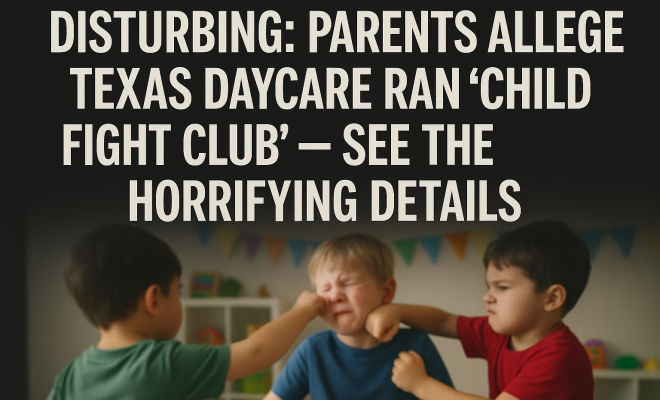
Every parent’s worst nightmare involves entrusting their child to a caregiver, only for that trust to be shattered by unthinkable actions. For Heather and Richard Harris of Fort Worth, Texas, that nightmare allegedly became a terrifying reality when their four-year-old son, identified in court documents as U.H., was reportedly forced into a ‘child fight club’ at his daycare. The couple has since filed a staggering $1 million Texas daycare lawsuit against Arka Montessori Academy of Risinger, painting a chilling picture of a substitute teacher’s alleged actions.
This isn’t just about a playground squabble gone wrong; the allegations are far more sinister. The lawsuit, filed on September 4, 2026, claims that a substitute teacher, Chynia Johnson, not only encouraged but actively orchestrated a physical altercation between U.H. and her own child. The details, purportedly captured on surveillance footage, are deeply disturbing and have rightly sparked outrage far beyond the local community. When we send our children to daycare, we expect safety, nurturing, and education – not a scene that sounds more like something out of a bad movie than a reputable childcare facility.
The Allegations: A Daycare’s Betrayal of Trust
The core of the Harris family’s Texas daycare lawsuit revolves around an incident that allegedly took place on April 27, 2026, at Arka Montessori Academy of Risinger. According to the lawsuit, substitute teacher Chynia Johnson is accused of a shocking act of aggression and encouragement. The parents claim she grabbed, shook, and dragged their four-year-old son, U.H., towards her own child. But it didn’t stop there. Johnson allegedly then encouraged her son to hit and kick U.H., effectively initiating and overseeing what the parents describe as a ‘child fight club’.
Imagine the scene: a vulnerable four-year-old, looking to an adult for protection and guidance, instead being subjected to physical coercion and the instigation of violence by that very adult. It’s an unimaginable scenario that cuts to the core of what childcare is supposed to be. The lawsuit specifies that U.H. sustained physical injuries as a direct result of this alleged incident, injuries that are deeply concerning for a child of his age. Beyond the visible marks, the emotional trauma such an experience would inflict is arguably far more profound and long-lasting.
This isn’t a case of a child misbehaving or a teacher struggling to manage a difficult situation. The allegations point to a deliberate, active role by an adult in fostering a violent environment. The claim that Johnson dragged U.H. and then instructed another child to attack him speaks volumes about the alleged intent and the sheer disregard for the safety and well-being of the children under her care. It highlights a potential breach of trust so severe it demands thorough investigation and accountability.
Surveillance Footage: The Unseen Witness
One of the most critical pieces of evidence cited in the Texas daycare lawsuit is the existence of surveillance footage. In an era where cameras are ubiquitous, particularly in places like childcare facilities, this footage becomes an silent, objective witness to the alleged events. The lawsuit claims this video evidence substantiates the parents’ allegations, showing Chynia Johnson’s actions as described.
For parents, the thought that such an incident could occur, let alone be captured on camera, is both horrifying and a glimmer of hope for justice. Without the visual proof, such extraordinary claims might be harder to prove. However, if the footage indeed shows Johnson grabbing, shaking, and dragging U.H., and then encouraging her own child to attack him, it provides a powerful and irrefutable account of the alleged abuse. It moves the narrative beyond ‘he said, she said’ and into the realm of undeniable fact.
The presence of surveillance cameras in daycare centers is a double-edged sword. On one hand, it provides a layer of security and accountability, offering parents peace of mind and acting as a deterrent to misconduct. On the other hand, when something goes wrong, as alleged here, the footage can reveal the most egregious failures of care. This particular footage, if accurately described in the lawsuit, will be central to the legal proceedings and could serve as a stark reminder of the importance of vigilant oversight in childcare settings.
The Toll on a Four-Year-Old: Physical and Emotional Scars
When a child endures physical violence, even if seemingly minor to an adult, the impact can be profound. For U.H., the lawsuit specifies that he suffered physical injuries from the alleged incident on April 27, 2026. While the exact nature of these injuries isn’t detailed in the public summary, any physical harm to a four-year-old, especially inflicted by an adult or at an adult’s instigation, is a serious concern. Bruises, scrapes, or even more significant injuries can cause immediate pain and discomfort, requiring medical attention and leaving lasting physical reminders. (See: CDC on children's mental health.)
However, the physical wounds often heal far more quickly than the emotional ones. The lawsuit also highlights the significant emotional distress U.H. experienced. Imagine the confusion, fear, and betrayal a young child would feel when the very person entrusted with their care actively encourages harm. This kind of trauma can manifest in various ways: night terrors, anxiety, regression in developmental milestones, difficulty trusting adults, or even behavioral changes at home and in other social settings. A child’s sense of safety and security is paramount to their healthy development, and an incident like this can shatter that foundation.
Parents Heather and Richard Harris are seeking over $1 million in damages, and a significant portion of that claim undoubtedly accounts for the long-term psychological impact on their son. Therapy, counseling, and ongoing support may be necessary to help U.H. process this traumatic experience. The emotional cost of such an alleged betrayal of trust is truly immeasurable, and the legal system, through claims of emotional distress, attempts to provide some recognition and compensation for this profound suffering.
Legal Ramifications: Negligence and Premises Liability in the Texas Daycare Lawsuit
The Harris family’s $1 million Texas daycare lawsuit is built on two primary legal claims: negligence and premises liability. Understanding these claims helps clarify the legal arguments being made against Arka Montessori Academy of Risinger.
Negligence, in legal terms, essentially means that someone failed to exercise reasonable care, and that failure resulted in harm to another party. In this context, the lawsuit likely argues that Arka Montessori Academy, as an institution, was negligent in several ways. This could include negligent hiring practices (failing to properly vet or supervise Chynia Johnson), negligent supervision (failing to adequately monitor teachers and classrooms to prevent such incidents), or negligent training (not providing staff with the tools and protocols to ensure child safety and prevent abuse). A daycare has a clear duty of care to protect the children entrusted to it, and if it fails in that duty, it can be held liable for the resulting harm.
Premises Liability, on the other hand, deals with the responsibility of property owners (or those who control a property) for injuries that occur on their premises. For a daycare, this would involve ensuring the environment is safe for children. While often associated with physical hazards like slippery floors or faulty equipment, premises liability can also extend to providing adequate security and supervision to prevent foreseeable harm. The argument here might be that the daycare failed to maintain a safe environment by allowing a dangerous situation to unfold under its roof, or by failing to implement sufficient safeguards, such as proper monitoring protocols or sufficient staff-to-child ratios, that could have prevented the alleged ‘fight club’ from occurring.
Together, these claims aim to hold the daycare accountable not just for the actions of the individual teacher, but for the systemic failures that allegedly allowed such a horrific event to take place. The $1 million figure reflects not only the immediate costs of medical care and therapy but also the recognition of severe pain, suffering, and potential long-term consequences for U.H. and his family.
Accountability Beyond the Individual Teacher
While substitute teacher Chynia Johnson is at the center of the allegations in this Texas daycare lawsuit, the parents’ decision to sue Arka Montessori Academy of Risinger directly points to a broader demand for accountability. It suggests that the problem, in their view, goes beyond the actions of a single employee.
When a daycare hires staff, it assumes a significant responsibility. This includes thorough background checks, verification of credentials, and ongoing training. If Johnson was a substitute, questions naturally arise about the vetting process for temporary staff. Was she adequately screened? Was her experience and temperament properly assessed? Furthermore, even the most diligent hiring process can’t account for every scenario, which is why supervision is so crucial. Was there adequate oversight in the classroom? Were there clear policies in place regarding teacher conduct and child safety, and were those policies enforced?
The concept of corporate responsibility dictates that an organization is often held accountable for the actions of its employees, especially when those actions occur within the scope of their employment and are a result of inadequate systems or oversight. This lawsuit, therefore, isn’t just about punishing an individual; it’s about compelling the institution to examine its practices, identify any systemic flaws, and implement changes to prevent similar incidents from happening again. Parents need to know that the places caring for their children have robust safeguards in place, not just relying on the good intentions of individual staff members. (See: New York Times on daycare safety.)
The Broader Implications for Child Safety in Daycares
This Texas daycare lawsuit, with its disturbing allegations, inevitably sparks a wider conversation about child safety in childcare facilities across the nation. It serves as a stark reminder that even seemingly reputable institutions can face serious challenges in maintaining the highest standards of care.
Parents often grapple with the monumental decision of choosing a daycare. They research, visit facilities, check licenses, and speak with staff. Yet, incidents like this demonstrate that even these diligent efforts might not always uncover hidden dangers. The ‘child fight club’ allegation, in particular, raises questions about the psychological safety of children in group settings. Are staff adequately trained to manage conflict constructively? What are the protocols for reporting and addressing inappropriate behavior by both children and adults? And how transparent are these facilities when incidents do occur?
State licensing bodies, like those in Texas, set minimum standards for daycare operations, including staff-to-child ratios, background checks, and safety regulations. However, enforcement can vary, and even compliant facilities can experience lapses in judgment or egregious individual misconduct. This case underscores the need for continuous vigilance, not just from regulatory agencies, but from parents themselves. It encourages parents to ask tough questions, to trust their instincts, and to be empowered to demand transparency and accountability from the institutions caring for their most precious assets.
Going Viral: The Public Reaction and Call for Accountability
It’s no surprise that this story, centered on a Texas daycare lawsuit alleging a ‘child fight club,’ has gone viral. The combination of a vulnerable child, an alleged abuse of power by a teacher, and the sheer depravity of the accusations makes it inherently compelling and deeply upsetting. Social media platforms and news outlets have amplified the story, leading to widespread outrage and an outpouring of support for the Harris family.
When stories like this capture public attention, they often serve as a catalyst for broader discussions and demands for change. People want to know how such an incident could happen, what steps are being taken to ensure justice, and what can be done to prevent it from recurring. The viral nature of the story puts immense pressure on Arka Montessori Academy of Risinger and the relevant authorities to address the allegations thoroughly and transparently. It also empowers other parents to share their concerns and potentially come forward with their own experiences, contributing to a collective call for higher standards in childcare.
This public scrutiny is a powerful force. While legal processes can be slow, the immediate public reaction often pushes institutions to act swiftly, whether through internal investigations, disciplinary actions, or improved policies. It reinforces the idea that communities will not tolerate harm to children and will demand accountability from those entrusted with their care. The viral spread of this Texas daycare lawsuit highlights the collective moral compass that guides our society’s protection of its youngest members.
Choosing a Daycare: Lessons for Parents
The heartbreaking allegations in this Texas daycare lawsuit undoubtedly leave many parents feeling anxious and uncertain about their own childcare choices. While no system is foolproof, there are proactive steps you can take to minimize risks and ensure your child is in a safe and nurturing environment.
First and foremost, do your research thoroughly. Don’t just rely on online reviews. Visit multiple facilities, unannounced if possible. Observe the interactions between staff and children. How do the teachers speak to the kids? Do the children seem happy and engaged? Are the classrooms clean and well-organized? Pay attention to your gut feeling. (See: AP News on daycare abuse cases.)
Second, ask pointed questions about staff vetting and training. Inquire about background checks, CPR and first aid certifications, and ongoing professional development. Ask about staff-to-child ratios and how they ensure adequate supervision, especially during transitions or outdoor play. Specifically ask about their policies for handling conflict between children and how they address inappropriate behavior by staff.
Third, understand their safety protocols, particularly regarding surveillance. Do they have cameras? Can parents access live feeds or review footage? What are their procedures for reporting and investigating incidents? A transparent facility will be open about these details. It’s also crucial to know their emergency plans and how they communicate with parents during a crisis.
Finally, maintain open communication with your child and the daycare staff. Talk to your child regularly about their day. Ask specific, open-ended questions like, ‘What was the funniest thing that happened today?’ or ‘Who did you play with?’ rather than just ‘Did you have fun?’ Pay attention to any changes in your child’s behavior, mood, or sleep patterns. If something feels off, don’t hesitate to voice your concerns to the daycare director or relevant authorities. Your vigilance is your child’s best advocate.
The Road Ahead for the Harris Family and Arka Montessori
As the Texas daycare lawsuit proceeds, both the Harris family and Arka Montessori Academy of Risinger face a challenging path. For Heather and Richard Harris, their primary goal is undoubtedly to seek justice for their son, U.H., and to ensure that no other child experiences such alleged trauma. The legal battle will be emotionally taxing, but their determination to hold the daycare accountable is clear.
For Arka Montessori Academy of Risinger, these allegations represent a significant crisis of reputation and trust. They will need to mount a robust defense, while also likely conducting internal investigations and potentially implementing new policies and training to address the concerns raised. The outcome of the lawsuit, particularly if the surveillance footage proves as damning as alleged, could have long-lasting consequences for the facility, including financial penalties and a severe blow to its standing in the community.
Beyond the courtroom, this case will continue to resonate, reminding parents, educators, and policymakers of the sacred trust placed in childcare providers. It’s a powerful, heartbreaking illustration of why unwavering commitment to child safety, diligent oversight, and transparent accountability are not just ideals, but absolute necessities in every single daycare setting. The hope is that U.H. can find healing, and that this harrowing experience ultimately leads to positive, systemic changes that better protect all children.
Trending Now
- our breakdown of catastrophic: the true cost of layoffs at university jobs is far worse than you think
- our breakdown of 7 critical online courses for upskilling after layoffs — don’t get left behind!
- The Brutal Reality of University Layoffs: 8 Ways to Rebound After Losing Your Job
- the complete explanation
- our breakdown of explosive court ruling: your guide to securing teacher preparation grants now
Frequently Asked Questions
What happened at the Texas daycare involving children?
Parents Heather and Richard Harris allege that their four-year-old son was forced into a 'child fight club' at Arka Montessori Academy. A substitute teacher reportedly encouraged physical altercations between their son and her own child, leading to a lawsuit against the daycare for $1 million.
What are the allegations against the daycare in Texas?
The lawsuit claims that substitute teacher Chynia Johnson grabbed, shook, and dragged the Harris's son towards her own child, encouraging violent behavior. This shocking incident allegedly occurred on April 27, 2026, and was captured on surveillance footage.
What actions did the substitute teacher allegedly take?
Chynia Johnson is accused of instigating violence by encouraging her child to hit and kick the Harris's son, which the parents describe as orchestrating a 'child fight club.' This betrayal of trust has sparked outrage from the community.
How are parents reacting to the daycare incident?
The allegations have led to significant outrage among parents and the community, as they trust daycare facilities to provide a safe and nurturing environment for their children. The Harris family is seeking justice through a $1 million lawsuit.
What legal action has been taken against the daycare?
The Harris family has filed a lawsuit against Arka Montessori Academy for $1 million, citing the emotional and physical distress caused by the alleged actions of the substitute teacher. The case highlights serious concerns about child safety in daycare settings.
Agree or disagree? Drop a comment and tell us what you think.