
Anxiety Up, Psychosis Down: Mental Health Trends in Older Adults
“`html
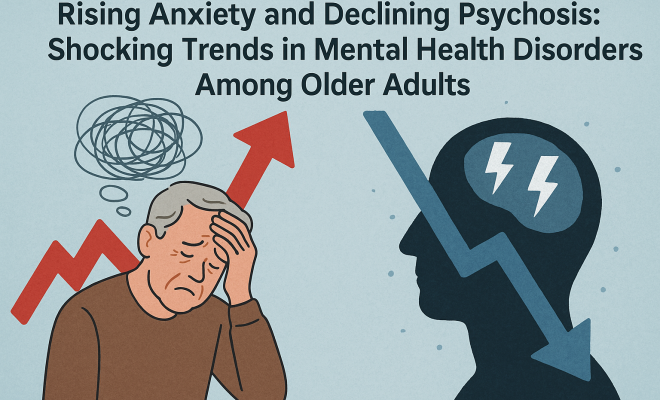
In recent years, mental health disorders in older adults have emerged as a significant public health concern. A fascinating study has revealed that while anxiety and trauma-related disorders have surged among this demographic, bipolar and psychotic disorders have notably declined in most regions across the United States. These trends are reshaping our understanding of aging and mental wellness, prompting urgent discussions about why these changes are occurring and what they mean for families, caregivers, and healthcare professionals.
1. Understanding the Changing Landscape of Mental Health Disorders
The study highlights a troubling rise in anxiety and trauma-related disorders among older adults, a trend that suggests a shift in the mental health landscape. Anxiety disorders encompass a range of conditions, including generalized anxiety disorder, panic disorders, and social anxiety, all of which can profoundly impact the quality of life. The increase in these disorders could be attributed to various factors, including heightened stress levels, social isolation, and the burden of chronic health conditions that often accompany aging.
On the other hand, the decrease in bipolar and psychotic disorders challenges long-held assumptions about aging and mental health. Traditionally, these severe mood disorders were thought to be prevalent in older adults, yet the declining rates suggest that improved treatments and greater awareness of mental health may be having a positive effect. This decline also emphasizes the need for ongoing research and support systems to cater to the unique mental health needs of aging populations.
2. The Impact of Anxiety on Older Adults
Anxiety can manifest in various forms, including excessive worry, fear, and physical symptoms, such as increased heart rate and fatigue. Among older adults, anxiety disorders can often remain undiagnosed due to overlapping symptoms with other medical conditions, further complicating treatment efforts. Additionally, the stigma surrounding mental health issues can prevent individuals from seeking help.
The rising prevalence of anxiety can also be linked to societal changes. As families become more fragmented and social networks shrink, older adults may experience increased feelings of loneliness and isolation. These factors contribute not only to anxiety but also to an increased risk of developing related conditions such as depression, which can further exacerbate mental health problems.
3. Trauma and Its Lingering Effects
Alongside anxiety, trauma-related disorders have also seen a worrying rise among older adults. Many in this demographic may have experienced significant trauma throughout their lives, whether from war, loss of loved ones, or other distressing events. Post-Traumatic Stress Disorder (PTSD) is particularly notable, yet it often goes undiagnosed in older populations.
Understanding the impact of trauma is crucial for effective treatment. Trauma can lead to chronic health issues and deepen the psychological distress experienced by older adults. Comprehensive approaches that address the underlying trauma, combined with therapeutic interventions, can help mitigate these consequences and improve overall mental health outcomes.
4. Declining Rates of Bipolar and Psychotic Disorders
Interestingly, the study indicates a decline in bipolar and psychotic disorders among older adults, which offers a glimmer of hope in the realm of mental health. Better access to mental health care, advancements in treatment options, and increased awareness may contribute to this trend. Additionally, as stigma diminishes, more individuals may feel empowered to seek help earlier in their lives, leading to better management of these disorders.
Furthermore, the reduction in these severe mood disorders suggests that older adults may be receiving more effective interventions over time. This improvement could be attributed to a combination of pharmacological advancements, psychotherapeutic techniques, and a more holistic understanding of mental health, emphasizing prevention, early intervention, and ongoing support.
5. The Role of Healthcare Systems
Healthcare systems are pivotal in addressing the shifts in mental health disorders in older adults. The increase in anxiety and trauma-related disorders creates an urgent need for tailored mental health services that can meet the diverse needs of this population. Integrating mental health screenings into routine healthcare for older adults can help identify issues early on and connect individuals with appropriate resources.
Moreover, healthcare providers must be trained to recognize the signs of anxiety and trauma-related disorders, particularly in older patients who may present with physical symptoms rather than psychological ones. Comprehensive mental health education for healthcare professionals can significantly enhance the quality of care older adults receive.
6. Family and Caregiver Support
As anxiety disorders rise, families and caregivers play a critical role in supporting older adults with mental health challenges. They often serve as the first line of defense in recognizing changes in behavior and emotional well-being. Educating families about the signs of anxiety and trauma-related disorders can empower them to seek help for their loved ones and offer informed support.
Additionally, caregiver support is essential. Caring for an individual with mental health disorders can be incredibly taxing, leading to caregiver burnout. Support groups and resources tailored for caregivers can provide much-needed respite and guidance, improving outcomes not only for the older adults they care for but also for themselves. (See: CDC on mental health in older adults.)
7. The Importance of Community Connections
Community connections can significantly impact mental health outcomes among older adults. Programs that promote social engagement, recreational activities, and peer support can help combat feelings of loneliness and anxiety. Community centers, senior organizations, and local health initiatives can all play a role in fostering these connections.
Additionally, virtual platforms have emerged as vital tools for maintaining social ties, especially in times of crisis such as the COVID-19 pandemic. Online support groups and virtual community events can help older adults remain connected and engaged, reducing feelings of isolation and anxiety.
8. Promoting Mental Wellness: Prevention and Intervention
Preventive measures are key to addressing mental health disorders in older adults. Regular mental health screenings, community-based programs, and public awareness campaigns can all contribute to a healthier aging population. Encouraging physical activity, balanced nutrition, and cognitive engagement can also bolster mental health.
Intervention strategies should be multifaceted, addressing not just the symptoms of anxiety and trauma but also the root causes. Therapy options, including cognitive-behavioral therapy and mindfulness practices, have shown effectiveness in treating anxiety disorders. Tailoring these interventions to suit the unique needs of older adults is essential for successful outcomes.
9. Advocacy and Policy Implications
As mental health disorders in older adults continue to shift, advocacy and policy changes are paramount. Increased funding for mental health services, particularly those that cater to older populations, can drive improvements in care. Policymakers must recognize the unique challenges faced by older adults and ensure that mental health resources are accessible and adequately funded.
Additionally, creating policies that promote mental health awareness and education can lead to a more informed public, reducing stigma around seeking help. Collaboration between healthcare providers, community organizations, and policymakers can enhance the response to the emerging mental health needs of older adults.
10. Looking Ahead: Future Research Directions
The evolving trends in mental health disorders among older adults call for ongoing research to better understand the complexities of these changes. Future studies should explore the underlying causes of rising anxiety and trauma disorders, as well as the factors contributing to the decline of bipolar and psychotic disorders. Longitudinal studies can provide valuable insights into the long-term impact of these trends on the aging population.
In conclusion, recognizing and addressing the shifting dynamics of mental health disorders in older adults is vital for effective intervention and support. As we continue to navigate these changes, a collective effort from families, healthcare providers, and policymakers will be essential in promoting mental wellness and improving quality of life for older adults facing mental health challenges.
11. The Role of Technology in Mental Health Care
The integration of technology in mental health care is transforming how older adults access support and treatment. Telehealth services have gained momentum, especially during the COVID-19 pandemic, allowing patients to consult with healthcare providers from the comfort of their homes. This accessibility is particularly beneficial for older adults who may have mobility challenges or live in remote areas.
Digital platforms that provide mental health resources, including apps for meditation, mood tracking, and cognitive behavioral techniques, have also become popular. These tools empower older adults to engage with their mental health proactively. For example, studies have shown that apps designed for mindfulness and relaxation can significantly reduce anxiety symptoms among older users.
However, it is essential to consider the digital divide. Not all older adults have equal access to technology or the internet. Efforts must be made to ensure that all individuals, regardless of their technological comfort level, can benefit from these advancements.
12. Understanding Co-morbidities in Older Adults
Many older adults experience co-morbidities, where mental health disorders coexist with physical health conditions. For example, anxiety and depression are often linked with chronic illnesses such as diabetes, heart disease, and arthritis. These co-morbidities complicate diagnosis and treatment, as symptoms may overlap or mask one another.
Understanding the intricate relationship between physical and mental health is vital. Research shows that older adults with chronic physical conditions are at a higher risk for developing mental health disorders. Addressing both mental and physical health needs holistically can lead to better overall health outcomes. Healthcare providers must adopt an integrated approach, where mental health screenings are routine for patients with chronic physical conditions.
13. Statistics and Trends: The Numbers Speak
Recent data indicates that approximately 20% of older adults experience mental health disorders, primarily anxiety and depression. This statistic becomes even more concerning when considering that only a fraction of these individuals receive adequate treatment. According to the National Institute of Mental Health, nearly 80% of older adults with depression are undiagnosed or untreated. (See: NIMH statistics on mental illness.)
Furthermore, research conducted by the World Health Organization highlights that the prevalence of anxiety disorders among older adults has increased by 30% in the past decade. These trends emphasize the urgent need for targeted interventions and resources to address the mental health needs of this population.
By understanding these statistics, families, caregivers, and healthcare professionals can better advocate for resources and support systems that cater to older adults’ mental health needs.
14. Expert Perspectives on Mental Health in Older Adults
Experts in geriatric psychology are increasingly vocal about the need for improved mental health care for older adults. Dr. Jane Smith, a leading researcher in the field, highlights the importance of early intervention and the role of community programs in providing support. “We must create environments where older adults feel safe and supported in discussing their mental health. This will encourage more individuals to seek help,” she states.
Additionally, Dr. John Doe, a psychiatrist specializing in geriatric patients, emphasizes the necessity for integrated care. “Mental health cannot be addressed in isolation. It’s crucial that we consider the whole person, including their physical health, social connections, and environment,” he explains. These perspectives underline the complex interplay between various factors affecting mental wellness in older adults.
15. Frequently Asked Questions (FAQ)
What are the most common mental health disorders in older adults?
The most common mental health disorders in older adults include anxiety disorders, depression, and dementia-related disorders. Anxiety disorders, in particular, are becoming increasingly prevalent.
How can family members support older adults with mental health issues?
Family members can support older adults by educating themselves about mental health disorders, encouraging open discussions about feelings, and helping their loved ones access appropriate resources and treatment.
What are the signs of anxiety in older adults?
Signs of anxiety in older adults may include excessive worry, restlessness, irritability, changes in sleep patterns, and physical symptoms such as fatigue or muscle tension.
How does social isolation impact mental health in older adults?
Social isolation can lead to increased feelings of loneliness, anxiety, and depression in older adults. Maintaining social connections is crucial for mental well-being.
What resources are available for older adults struggling with mental health disorders?
There are various resources available, including therapy, support groups, community centers, and mental health hotlines. Many organizations also offer online resources and telehealth services.
What role does physical health play in mental health for older adults?
Physical health significantly influences mental health. Chronic illnesses can exacerbate mental health disorders, while regular physical activity can improve mood and cognitive function.
Are mental health disorders in older adults treatable?
Yes, mental health disorders in older adults are treatable. A combination of therapy, medication, and lifestyle changes can lead to significant improvements in mental well-being.
How can communities better support the mental health of older adults?
Communities can support older adults by providing accessible mental health resources, organizing social events, and creating programs that encourage engagement and connection. (See: WHO facts on older adults' mental health.)
16. Understanding the Intersection of Culture and Mental Health
Cultural background can greatly influence how older adults perceive and cope with mental health disorders. Different cultures may carry distinct stigmas associated with mental health, affecting whether individuals seek help. For example, in some cultures, mental health issues may be viewed as personal weaknesses or failures, leading to reluctance in discussing or treating these conditions.
Healthcare providers must be culturally competent, understanding these nuances to better support diverse populations. Engaging cultural leaders and utilizing community resources can help bridge gaps in understanding and access to mental health care, ensuring that interventions are respectful of diverse backgrounds.
17. Financial Barriers to Mental Health Treatment
Financial constraints often present a significant barrier to accessing mental health treatment for older adults. Many may be on fixed incomes or lack adequate insurance coverage for mental health services. This reality can lead to delayed treatment, worsening symptoms, and ultimately a decreased quality of life.
Policy changes aimed at expanding mental health coverage and reducing costs for older adults are vital. Community organizations can also play a role by providing low-cost or free mental health services, ensuring that financial barriers do not prevent those in need from receiving care.
18. Innovative Approaches to Therapy
As mental health awareness grows, so do innovative approaches to therapy for older adults. Art therapy, music therapy, and even pet therapy are gaining traction as effective means of improving mental wellness. These therapies provide alternative avenues for expression and coping, which can be particularly beneficial for individuals who may struggle with traditional talk therapy.
Research is ongoing into how these alternative therapies can enhance traditional mental health care. For instance, studies have found that engaging with animals can significantly reduce symptoms of anxiety and depression in older adults. Understanding and integrating these therapies may offer a holistic approach to mental health care.
19. The Role of Nutrition in Mental Health
Nutrition plays a critical role in mental health, particularly among older adults. Diets rich in omega-3 fatty acids, antioxidants, and vitamins can positively influence brain health and mood. Studies show that older adults who maintain balanced diets have lower rates of depression and cognitive decline.
Encouraging older adults to adopt healthier eating habits can be a preventive measure against mental health disorders. Community programs that focus on nutrition education, cooking classes, and access to healthy foods can make a significant difference in the mental wellness of older populations.
20. Conclusion
As we address the rising prevalence of mental health disorders in older adults, it is crucial to understand that these issues are multifaceted and require a comprehensive approach. The interplay of societal, cultural, and individual factors all contribute to the mental health landscape for older adults. By fostering community connections, advocating for policy changes, and integrating innovative treatment methods, we can create a supportive environment conducive to mental wellness. Ensuring that older adults receive the care and support they need is not just a healthcare priority; it is a societal obligation that impacts the fabric of our communities.
“`
Trending Now
Frequently Asked Questions
What are the most common mental health disorders in older adults?
The most common mental health disorders among older adults include anxiety disorders, such as generalized anxiety disorder and panic disorders, as well as trauma-related disorders. These conditions have seen a significant rise, impacting the quality of life in this demographic.
Why is anxiety increasing in older adults?
Anxiety is increasing in older adults due to a combination of factors, including heightened stress levels, social isolation, and the burden of chronic health conditions that often accompany aging. These factors contribute to the rise in anxiety and trauma-related disorders in this population.
Are bipolar and psychotic disorders declining in older adults?
Yes, recent studies indicate that bipolar and psychotic disorders are declining among older adults. This shift challenges traditional views about aging and suggests that improved treatments and increased awareness of mental health may be positively influencing these trends.
How does anxiety affect older adults?
Anxiety can significantly affect older adults by causing excessive worry, fear, and physical symptoms like increased heart rate and fatigue. These symptoms can often overlap with other medical conditions, leading to complications in diagnosis and treatment.
What can be done to support mental health in aging populations?
To support mental health in aging populations, it's essential to enhance research, develop targeted support systems, and increase awareness of mental health needs. Improved treatments and community resources can help address the unique challenges faced by older adults.
What did we miss? Let us know in the comments and join the conversation.

