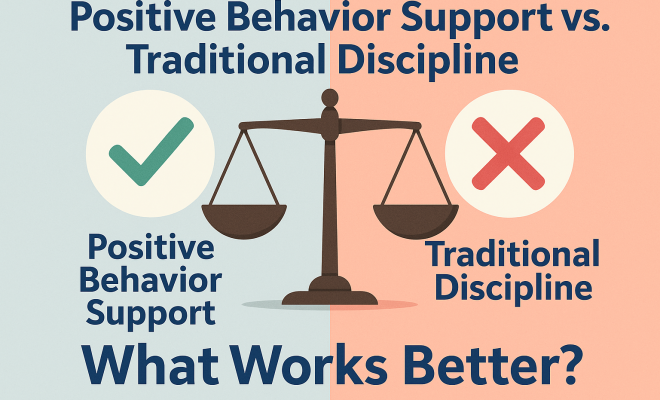
PBS vs. Traditional Discipline: Which Works Better?
“`html
When it comes to managing behavior in schools and homes, the debate between positive behavior support (PBS) and traditional discipline methods continues to gain traction. Each approach seeks to shape behavior, but they diverge significantly in philosophy and execution. As educators and parents strive for effective strategies, understanding which method truly works better is essential.
1. Understanding Positive Behavior Support
Positive behavior support is a proactive approach designed to reinforce desirable behavior while reducing challenging behaviors. Rooted in behavioral science and the principles of applied behavior analysis, PBS emphasizes teaching specific skills, fostering a positive environment, and reinforcing positive behaviors consistently.
The framework of PBS is built on three tiers: universal interventions for all students, targeted interventions for at-risk students, and individualized support for those with intensive needs. This tiered approach allows for flexibility and scalability, accommodating diverse needs within the educational setting.
2. The Foundations of Traditional Discipline
Traditional discipline often focuses on punishment and consequences to correct unwanted behavior. This approach can take many forms, including detention, suspension, and other punitive measures. The underlying belief is that negative consequences will deter students from repeating undesirable behaviors.
However, traditional discipline has come under scrutiny for its effectiveness. Critics argue that it fails to address the root causes of misbehavior and can lead to feelings of alienation and resentment among students. Rather than fostering an understanding of appropriate behavior, it often instills fear of repercussions.
3. Key Differences in Approach
One of the most striking differences between positive behavior support and traditional discipline is their approach to behavior management. PBS aims to create a supportive environment where positive behaviors are explicitly taught, acknowledged, and reinforced. In contrast, traditional discipline tends to focus on what not to do, often neglecting the teaching aspect.
For instance, in a PBS framework, a teacher might teach students how to raise their hands in class and praise them when they do so. In contrast, traditional discipline might solely punish students for speaking out of turn without providing any guidance on the expected behavior.
4. Empirical Evidence Supporting PBS
Research consistently demonstrates the effectiveness of positive behavior support in improving student behavior and academic performance. A meta-analysis conducted by the U.S. Department of Education indicated that schools implementing PBS reported significant reductions in suspensions and expulsions and improved school climate.
Moreover, studies have shown that PBS can lead to enhanced social skills, increased engagement, and a decrease in bullying. These outcomes are attributed to the emphasis on teaching and reinforcing positive behaviors rather than focusing solely on punishment.
5. Challenges of Traditional Discipline
While traditional discipline methods can be straightforward to implement, they often result in unintended negative consequences. For example, students subjected to punitive measures may develop a disdain for school, experience increased anxiety, and disengage from the learning process.
Furthermore, traditional discipline disproportionately affects marginalized students. Research has shown that students from minority backgrounds or those with disabilities are often subjected to harsher disciplinary actions, perpetuating cycles of disadvantage and disengagement.
6. Practical Applications of PBS
Implementing positive behavior support in schools involves several practical steps. First, educators must establish clear expectations for behavior and consistently communicate these to students. Visual aids, role-playing, and modeling can be effective in teaching those expectations.
Next, schools should create a system for recognizing and rewarding positive behavior. This could include shout-outs during assemblies, reward systems, or simply acknowledging students’ efforts in class. The goal is to create a culture where positive behavior is the norm and celebrated, rather than merely the absence of negative behavior.
7. The Role of Teachers and Staff
Teachers and staff play a crucial role in the success of positive behavior support systems. Training and professional development are essential components, as educators must be well-versed in PBS strategies. This includes understanding behavioral principles, data collection methods, and intervention strategies.
Collaboration among staff members is also vital. Teachers should discuss behavioral expectations and share successful strategies with one another. When the entire staff is on board with PBS, it creates a unified approach that reinforces positive behavior across all classrooms. (See: treatment for behavior management.)
8. Current Relevance and Future Implications
The relevance of positive behavior support has grown in recent years, particularly as schools seek to create safe and inclusive environments. As conversations about mental health and trauma-informed care gain momentum, PBS aligns well with these initiatives by prioritizing student well-being.
Looking towards the future, implementing PBS could serve as a preventative measure against the growing concerns of mental health issues in young people. By fostering a positive environment that emphasizes teaching and support, schools can mitigate the factors contributing to negative behavior.
9. Making the Choice: PBS vs. Traditional Discipline
The choice between positive behavior support and traditional discipline often comes down to the goals and values of the educational institution. Those committed to fostering an inclusive, supportive, and nurturing environment may find that PBS aligns better with their mission.
In contrast, schools that prioritize immediate compliance may lean towards traditional discipline methods. However, as research mounts in favor of PBS, it’s crucial for educators and administrators to consider the long-term benefits of shaping student behavior through positive reinforcement rather than punishment.
Ultimately, the effectiveness of any behavior management strategy lies in its implementation and consistency. By prioritizing positive behavior support, schools can cultivate an environment conducive to learning, growth, and positive relationships.
10. Implementing PBS: Step-by-Step Guide
Implementing positive behavior support requires thoughtful planning and strategic action. Here’s a step-by-step guide to help schools and educators effectively integrate PBS into their environments:
Step 1: Training and Professional Development
Before implementation, it’s vital for all staff members to undergo thorough training on PBS principles. This includes understanding behavioral theories, data collection, and intervention strategies. Workshops and ongoing professional development sessions can help deepen educators’ understanding and application of PBS.
Step 2: Establishing Clear Expectations
Clear and consistent behavioral expectations should be established and communicated to all students. This includes creating a set of school-wide rules that are easy to understand and remember. For instance, rules can be framed positively, such as “Be Respectful” or “Be Responsible,” making them more relatable to students.
Step 3: Data Collection and Analysis
To gauge the effectiveness of PBS, schools should implement a system for monitoring student behavior. This might include tracking incidents of misbehavior, analyzing data trends, and assessing the overall school climate. Regular reviews of this data can help educators identify areas needing improvement and adjust support strategies accordingly.
Step 4: Positive Reinforcement Systems
Developing a system to recognize and reward positive behaviors is crucial. This can range from individual recognitions, such as certificates or small rewards, to group incentives, such as extra recess time for the whole class. Creating a rich system of reinforcing positive behaviors will motivate students to engage in desirable actions.
Step 5: Engaging Families and Communities
Involving families in the PBS process can enhance its effectiveness. Schools should provide parents with resources and information about PBS, encouraging them to support the same principles at home. Community involvement is equally essential, as local organizations can help reinforce positive behavior initiatives.
11. Case Studies: Successful PBS Implementation
Examining specific case studies can provide valuable insights into how positive behavior support has been effectively implemented in various educational settings.
Case Study 1: ABC Middle School
ABC Middle School implemented PBS over three years and saw a 30% reduction in disciplinary referrals. The school established a set of ten behavioral expectations, which were reinforced through regular assemblies and classroom activities. Teachers were trained to give positive feedback more frequently than negative feedback, fostering a supportive atmosphere. As a result, the school reported increased overall student engagement and a positive shift in school culture.
Case Study 2: XYZ Elementary School
XYZ Elementary School focused on data-driven decision-making as part of their PBS implementation. By analyzing behavioral data, the staff identified specific times during the day when misbehavior was most frequent. They adjusted supervision during these times and provided targeted support for students who needed it. Following these changes, the school experienced a significant decrease in disruptive behavior and improved academic achievement among students.
12. Expert Perspectives on PBS
Insights from experts in education and psychology can provide a deeper understanding of the benefits of positive behavior support. Here are a few perspectives:
Dr. Jane Smith, Educational Psychologist
“Positive Behavior Support fundamentally shifts the focus from punishment to understanding. It encourages educators to look at the function of behavior and to teach appropriate alternatives. This not only reduces misbehavior but also enhances students’ social skills.”
Mr. John Doe, Principal of DEF High School
“At DEF High School, we’ve embraced PBS as part of our mission. The change in school culture has been profound. Students are more engaged, and our teachers feel more empowered to support students constructively. The emphasis on positive reinforcement has truly transformed our learning environment.” (See: CDC resources on behavior management.)
13. Common Misconceptions about PBS
Despite the growing support for positive behavior support, several misconceptions persist. Addressing these can help clarify the framework and its applications:
Myth 1: PBS is a Soft Approach
Some believe that PBS is merely a lenient approach to behavior management. In reality, it is a structured framework that requires consistent effort and commitment from educators to be effective.
Myth 2: PBS Ignores Misbehavior
Another misconception is that PBS ignores misbehavior. On the contrary, PBS addresses misbehavior through teaching and support, focusing on understanding the reasons behind behaviors rather than simply punishing students.
Myth 3: PBS is Only for Special Education
While PBS was initially designed to support students with disabilities, it is now recognized as beneficial for all students. The principles of PBS can be universally applied to create an inclusive environment that promotes positive behavior across all student populations.
14. FAQs About Positive Behavior Support
If you’re exploring positive behavior support for your school or home, you might have some questions. Here are some frequently asked questions to help clarify the approach:
What are the key components of PBS?
The key components of PBS include establishing clear expectations for behavior, teaching those expectations, consistently reinforcing positive behaviors, and using data to inform decisions.
How can PBS affect a school’s climate?
Implementing PBS can lead to a more positive school climate by enhancing relationships among students and staff, reducing incidents of misbehavior, and fostering an environment focused on learning and support.
Can PBS be used at home?
Absolutely! Many parents adopt PBS principles at home, using positive reinforcement to encourage desirable behavior and teaching children appropriate social skills in a supportive environment.
How can schools address students who need additional support?
PBS is designed to support all students, including those with intensive needs. Through the tiered approach, schools can implement targeted interventions and individualized plans for students requiring additional help.
Is training necessary for PBS implementation?
Yes, training is crucial for the successful implementation of PBS. Educators need to understand the principles and strategies of PBS to effectively reinforce positive behaviors and address challenging behaviors constructively.
15. Benefits of Adopting Positive Behavior Support
Transitioning to a PBS framework not only improves student behavior but also provides numerous benefits to the entire school community. Here are some advantages to consider:
1. Enhanced Student Engagement
Students in a PBS setting often show greater engagement in their learning. With a focus on positive reinforcement, students feel valued and are more likely to participate actively in classroom activities. This can lead to improved academic performance and a love for learning.
2. Improved Teacher Morale
Teachers working in a supportive environment where positive behaviors are recognized often report higher job satisfaction. They feel empowered to create engaging lessons and foster positive relationships with students, leading to a more enjoyable teaching experience.
3. Reduced Behavioral Issues
By focusing on teaching positive behaviors rather than punishing negative actions, PBS has been shown to reduce behavioral incidents. Schools utilizing PBS report fewer disruptions, allowing more time for instruction and a more peaceful learning environment.
4. Fostering Emotional Well-Being
Positive behavior support contributes to the emotional well-being of students. When students feel safe, respected, and recognized for their efforts, they are more likely to develop resilience and cope with challenges effectively. This can have long-term benefits for their mental health.
16. Key Strategies for Effective PBS Implementation
Here are some key strategies to ensure positive behavior support is effectively implemented in schools:
1. Continuous Monitoring and Feedback
Regularly gathering data on student behavior and the effectiveness of interventions allows schools to make necessary adjustments. This ongoing process helps in identifying patterns and implementing proactive measures to prevent misbehavior.
2. Building Relationships
Establishing strong relationships between teachers and students is crucial for PBS success. When students feel connected to their teachers, they are more likely to adhere to behavioral expectations. This rapport can be established through open communication, respect, and empathy.
3. Involving Students in the Process
Empowering students to take part in developing behavioral expectations can lead to greater ownership of their actions. When students contribute to the conversation, they gain a deeper understanding of the importance of positive behavior and are more likely to adhere to school policies.
17. Future Trends in Positive Behavior Support
As educational practices evolve, several trends are emerging in the realm of positive behavior support:
1. Integration with Social-Emotional Learning (SEL)
As schools increasingly recognize the importance of social-emotional learning, PBS is being integrated with SEL programs. This fusion promotes not only positive behavior but also emotional intelligence, self-regulation, and interpersonal skills among students.
2. Data-Driven Decision Making
Advancements in technology allow for more sophisticated data collection and analysis. Schools are beginning to utilize data analytics to inform PBS strategies, making interventions more targeted and effective.
3. Collaborative Approaches
Collaborative efforts among educators, parents, and community organizations are becoming more common in PBS frameworks. This approach ensures that students receive consistent messaging and support across all environments, reinforcing positive behaviors.
4. Emphasis on Cultural Competence
As schools become more diverse, there is an increasing emphasis on cultural competence within PBS. Understanding and valuing the cultural backgrounds of students can lead to more effective interventions and inclusivity within the PBS framework.
18. Conclusion: The Path Forward with Positive Behavior Support
Positive behavior support is not just a set of strategies; it’s a comprehensive approach that fosters a nurturing educational environment. By placing an emphasis on teaching, reinforcing, and celebrating positive behaviors, schools can create safe spaces for all students to thrive. As educators, administrators, and communities come together to implement PBS, the potential for positive transformation in schools becomes limitless.
“`
Trending Now
Frequently Asked Questions
What is positive behavior support?
Positive behavior support (PBS) is a proactive approach that focuses on reinforcing desirable behaviors and reducing challenging ones. It is based on behavioral science and applied behavior analysis, emphasizing skill teaching and creating a positive environment through a tiered intervention system.
How does traditional discipline work?
Traditional discipline relies on punishment and consequences, such as detention or suspension, to correct unwanted behavior. It operates on the belief that negative consequences will deter students from repeating undesirable actions, but it often fails to address the root causes of misbehavior.
What are the main differences between PBS and traditional discipline?
The primary difference lies in their approach: PBS focuses on creating a supportive environment and teaching skills to promote positive behavior, while traditional discipline emphasizes punishment and consequences, which can lead to fear and resentment among students.
Is positive behavior support more effective than traditional discipline?
Many educators and researchers argue that positive behavior support is more effective than traditional discipline. PBS addresses the underlying causes of behavior and fosters a positive learning environment, whereas traditional methods often fail to promote long-term behavioral change.
Can positive behavior support be used in homes?
Yes, positive behavior support can be effectively implemented in homes. Parents can use PBS strategies to reinforce positive behaviors, teach appropriate skills, and create a supportive environment, similar to its application in educational settings.
What did we miss? Let us know in the comments and join the conversation.