
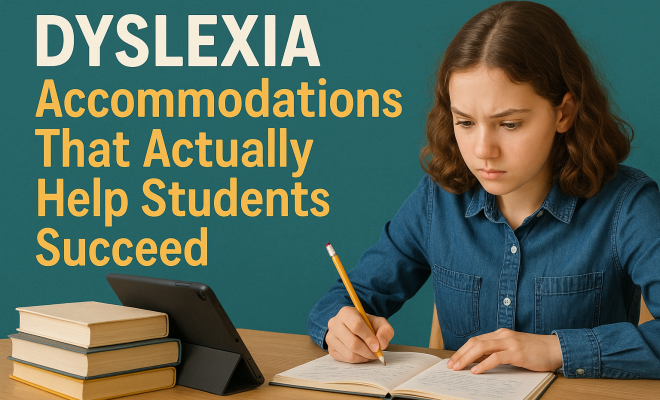
Dyslexia Accommodations That Actually Help Students Succeed
“`html
Dyslexia is often misunderstood, yet it’s one of the most common learning disabilities, affecting approximately 1 in 5 individuals. While many experience difficulties with reading, writing, or spelling, it’s crucial to recognize that students with dyslexia can succeed academically and beyond, given the right support. Dyslexia accommodations play an essential role in leveling the playing field, allowing these students to showcase their intelligence and talents. In this article, we’ll explore various dyslexia accommodations that genuinely help students succeed, backed by research and expert insights.
The Nature of Dyslexia: Understanding the Challenge
Dyslexia is a neurological condition that primarily affects reading and language processing. Individuals with dyslexia often struggle with decoding words, which can lead to difficulties in reading fluency and comprehension. Moreover, dyslexia is not indicative of a person’s intelligence; many individuals with dyslexia exhibit strong problem-solving skills and creativity.
Understanding dyslexia is the first step toward providing effective accommodations. Each student’s experience is unique, often requiring tailored strategies that speak to their specific challenges and strengths. Recognizing the signs of dyslexia early on can lead to timely interventions that improve a student’s educational outcomes.
The Importance of Dyslexia Accommodations
Dyslexia accommodations are adjustments made in the educational environment to help students with dyslexia access the curriculum more effectively. These accommodations can take many forms, from altering how information is presented to modifying the way students are assessed. The goal of these accommodations is to reduce barriers and provide an equitable opportunity for learning.
Research indicates that when students with dyslexia receive proper accommodations, their academic performance improves significantly. In fact, a study published in the journal Learning Disabilities Research & Practice found that students who received timely accommodations showed an increase in reading achievement levels compared to their peers who did not receive such support.
Types of Dyslexia Accommodations
Understanding the various types of dyslexia accommodations is crucial for educators, parents, and even students themselves. Below are some of the most effective accommodations that can be implemented in educational settings:
1. Alternative Assessment Methods
Standardized tests often do not account for the unique challenges faced by students with dyslexia. Allowing alternative assessment methods, such as oral presentations or project-based evaluations, can better reflect a student’s understanding of the content. For instance, instead of a traditional written test, a teacher might ask a student to create a visual project or give a verbal explanation of the material.
2. Extended Time on Assignments and Tests
Time pressure can exacerbate the difficulties faced by students with dyslexia. Providing extended time for completing assignments and tests allows these students to process information at their own pace. The National Center for Learning Disabilities recommends allowing at least 50% more time, or even double time, for students with dyslexia during assessments.
3. Use of Technology and Assistive Tools
Technology can be a powerful ally for students with dyslexia. Tools such as text-to-speech software, audiobooks, and word prediction programs can significantly enhance access to learning materials. For example, platforms like Kurzweil 3000 and Learning Ally offer resources that cater specifically to students with reading challenges, enabling them to engage with text more effectively.
4. Preferential Seating and Reduced Distractions
Where a student sits in the classroom can impact their ability to focus and learn. Arranging preferential seating—such as positioning a student closer to the teacher or away from distractions—can help create a more conducive learning environment. Reducing auditory and visual distractions is vital for students with dyslexia, who may be more sensitive to external stimuli. (See: Dyslexia treatment and accommodations.)
5. Structured and Explicit Instruction
Students with dyslexia benefit from structured, explicit instruction that breaks down concepts into manageable steps. Teachers should focus on multi-sensory teaching methods, which integrate visual, auditory, and kinesthetic learning styles. For example, programs like Orton-Gillingham and Wilson Reading System have been designed specifically to support students with dyslexia through systematic phonics instruction.
6. Access to Recorded Lectures and Class Materials
Many students with dyslexia find it challenging to take notes while simultaneously processing information. Providing access to recorded lectures or digital copies of lecture notes can empower these students to focus on understanding rather than scrambling to keep up. This also allows them to revisit complex material at their convenience.
7. Frequent Feedback and Encouragement
Regular feedback helps students with dyslexia understand their progress and areas for improvement. Constructive feedback should be specific and actionable, focusing on strengths while addressing challenges. Creating an environment that encourages risk-taking and celebrates small successes can enhance a student’s confidence and motivation.
8. Peer Support and Cooperative Learning
Peer support can be invaluable for students with dyslexia. Establishing cooperative learning groups where students work collaboratively can foster mutual understanding and respect. Pairing students with diverse strengths allows those with dyslexia to gain support while contributing their own unique skills to the team.
9. Social-Emotional Support
Understanding and accommodating the social-emotional needs of students with dyslexia is just as important as addressing academic challenges. Many students face anxiety, frustration, or low self-esteem due to their struggles. School counselors and educators should be equipped to provide support and resources to help students build resilience and confidence.
Implementing Dyslexia Accommodations in Schools
Implementing effective dyslexia accommodations requires collaboration among educators, parents, and specialists. It starts with identifying the individual needs of each student, often through assessments conducted by educational psychologists or special education professionals. Here are some steps to consider when implementing these accommodations:
- Conduct Comprehensive Assessments: Identify specific learning needs through formal assessments, observations, and discussions with the student and their parents.
- Develop an Individualized Education Plan (IEP): Create a tailored plan that outlines specific accommodations and support services to address the student’s needs.
- Train Educators: Provide training for teachers on dyslexia and effective teaching strategies. Professional development opportunities can enhance understanding and implementation of accommodations.
- Regular Reviews: Monitor the effectiveness of accommodations regularly and adjust as needed based on the student’s progress.
The Role of Parents and Caregivers
Parents and caregivers play a crucial role in advocating for their children’s educational needs. Understanding dyslexia and its challenges allows them to effectively communicate with educators and seek appropriate accommodations. Here are some strategies for parents:
- Educate Yourself: Familiarize yourself with dyslexia and potential accommodations to better advocate for your child.
- Open Communication: Maintain open lines of communication with teachers and school staff to ensure your child’s needs are being met.
- Encourage Self-Advocacy: Teach your child to express their needs and seek support when they are struggling.
The Current Relevance of Dyslexia Accommodations
In recent years, awareness of dyslexia has grown, leading to a more proactive approach in schools regarding accommodations. However, challenges remain. According to the International Dyslexia Association, many students still lack access to the necessary resources and support, particularly in underfunded schools.
Furthermore, the COVID-19 pandemic has highlighted gaps in educational support systems, especially for students with learning disabilities. Remote learning environments often magnified existing challenges, emphasizing the need for effective dyslexia accommodations that can be adapted to various teaching modalities.
Looking Ahead: The Future of Dyslexia Accommodations
As society continues to evolve, so too must our approach to education for students with dyslexia. Educators and policymakers need to collaborate to create inclusive learning environments that are equipped to meet the diverse needs of all students. Here are a few trends that could shape the future of dyslexia accommodations: (See: Understanding dyslexia from the CDC.)
- Increased Utilization of Technology: Advances in technology will lead to more innovative tools and resources that support students with dyslexia.
- Policy Changes: Advocacy efforts for stronger legislation regarding learning disabilities in education can ensure that students’ rights are upheld.
- Focus on Early Intervention: Emphasizing early screening and intervention can lead to better outcomes for students with dyslexia.
Frequently Asked Questions About Dyslexia Accommodations
What are some common accommodations for students with dyslexia?
Common accommodations include extended time on tests, the use of audiobooks or text-to-speech software, alternative assessment methods like oral presentations, and reduced distractions in the classroom. Each accommodation is designed to help students access the curriculum more effectively and demonstrate their knowledge.
How can I know if my child needs accommodations for dyslexia?
If your child is experiencing difficulties with reading, writing, or spelling that seem disproportionate to their overall intelligence or potential, it may be beneficial to seek a professional evaluation. This evaluation can determine whether your child has dyslexia and if accommodations are appropriate. Signs like avoiding reading aloud, consistent spelling errors, or difficulty in learning new vocabulary may suggest the need for support.
Are accommodations the same as modifications?
No, accommodations and modifications are different. Accommodations provide support by changing how a student accesses information or demonstrates knowledge, while modifications involve changing the content or expectations of the curriculum itself. For example, an accommodation might be providing extra time on a test, while a modification might involve simplifying the test questions.
How can teachers effectively implement dyslexia accommodations?
Teachers can effectively implement dyslexia accommodations by first understanding each student’s unique challenges. Collaborating with special education professionals, utilizing resources and technology, and maintaining open communication with parents are crucial. Continuous assessment and adaptation of strategies based on what works best for each student will also enhance their learning experience.
What role do schools have in providing dyslexia accommodations?
Schools are responsible for identifying students with dyslexia and providing appropriate accommodations under the Individualized Education Program (IEP) or Section 504 plans. This includes training staff, ensuring resources are available, and regularly reviewing the effectiveness of accommodations. Advocacy within the school system can also help facilitate a culture of support for students with dyslexia.
Can accommodations be applied in a remote learning environment?
Absolutely! Many dyslexia accommodations can be adapted for remote learning. This can include allowing recorded lessons, using digital tools for assessments, and providing additional time for assignments. Teachers should be flexible and creative in applying accommodations in various formats to support students effectively.
Personal Stories: Success Through Accommodations
Hearing from individuals who have benefited from dyslexia accommodations can provide valuable insights and inspiration. Take, for example, Samantha, a high school student who struggled with reading comprehension for years. After her school implemented accommodations like extended time on tests and access to audiobooks, her grades improved dramatically. Samantha says, “I finally felt like I could express what I knew without the pressure of reading speed holding me back.” Her story reflects the transformative power of accommodations in helping students thrive academically.
Expert Opinions on Dyslexia Accommodations
Experts in the field of education and learning disabilities emphasize the importance of individualized accommodations. Dr. Emily Johnson, an educational psychologist, explains, “Effective accommodations not only support academic performance but also foster self-esteem and motivation in students with dyslexia. Tailoring these supports to each student’s needs is critical.” Such expert insights underscore the necessity for schools to prioritize the implementation of these accommodations.
Statistics that Highlight the Need for Accommodations
Understanding the statistics surrounding dyslexia can shed light on the pressing need for effective accommodations. According to the National Center for Learning Disabilities, approximately 70-80% of students with learning disabilities are diagnosed with dyslexia. Additionally, students with dyslexia are more likely to drop out of high school compared to their peers. Providing appropriate accommodations can significantly alter these statistics, allowing students with dyslexia to achieve better outcomes in education and beyond. (See: Dyslexia fact sheet by WHO.)
Supporting Dyslexia in the Workplace
Dyslexia doesn’t just affect individuals in school; it can also carry over into the workplace. As individuals transition from education to employment, having a solid understanding of dyslexia accommodations in professional settings is equally important. Employers can benefit from implementing strategies that support employees with dyslexia to create an inclusive workplace environment.
For example, many workplaces are beginning to adopt flexible working hours or remote work options, allowing individuals with dyslexia to manage their time effectively. Additionally, providing access to assistive technology, mentorship programs, and professional development opportunities can empower employees with dyslexia to reach their full potential in the workplace.
The Role of Advocacy Groups
Advocacy groups play a critical role in pushing for better dyslexia accommodations. Organizations such as the International Dyslexia Association and the Learning Disabilities Association of America work tirelessly to raise awareness, provide resources, and influence policy changes at both local and national levels. These groups offer valuable information to educators and parents on best practices and legal rights related to dyslexia accommodations.
Many advocacy groups also provide training sessions and workshops to educate teachers and school administrators on the importance of dyslexia accommodations. By emphasizing the need for systemic change, these organizations help ensure that students with dyslexia receive the support they need to succeed.
Collaborative Approaches to Supporting Dyslexia
Collaboration among educators, parents, and mental health professionals is vital in supporting students with dyslexia. When schools, families, and specialists work together, they create a cohesive support system that enhances the effectiveness of dyslexia accommodations. Communication is key — regular meetings between these stakeholders can provide insights into a student’s progress and any changes in their needs.
For instance, a multi-disciplinary team approach can involve teachers sharing academic performance data with school psychologists and special education professionals to develop comprehensive strategies that address both academic and emotional needs. This can lead to a more integrated approach to support students with dyslexia, fostering an environment where they can thrive.
Final Thoughts: A Commitment to Inclusivity
The landscape of education is continually evolving, but the commitment to supporting students with dyslexia must remain steadfast. By actively advocating for and implementing dyslexia accommodations, we can pave the way for more equitable educational experiences. Each student deserves the opportunity to shine, and with the right support, those with dyslexia can thrive academically and personally.
“`
Trending Now
- this guide on iep accommodations for high school students: a complete list
- this guide on how to write effective iep goals for students with adhd
- this guide on iep vs. 504 plan: which does your child need?
- this guide on mindfulness and conscious discipline: a natural partnership
- the complete explanation
Frequently Asked Questions
What are effective accommodations for students with dyslexia?
Effective accommodations for students with dyslexia include providing extra time for tests, using audio books, allowing oral responses, and offering alternative formats for assignments. These adjustments help students access the curriculum and demonstrate their understanding without being hindered by their reading difficulties.
How can teachers support students with dyslexia?
Teachers can support students with dyslexia by implementing tailored instructional strategies, such as using multisensory teaching methods, providing clear and concise instructions, and offering frequent feedback. Creating a supportive classroom environment that fosters confidence and encourages risk-taking is also essential.
What is dyslexia and how does it affect learning?
Dyslexia is a neurological condition that affects reading and language processing, making it difficult for individuals to decode words. This can lead to challenges in reading fluency and comprehension, but it does not reflect a person's intelligence. With appropriate accommodations, students with dyslexia can thrive academically.
Why are accommodations important for students with dyslexia?
Accommodations are crucial for students with dyslexia as they help level the playing field, allowing these students to access the curriculum effectively. Research shows that proper accommodations can significantly improve academic performance and help students showcase their abilities and talents.
How can parents advocate for dyslexia accommodations?
Parents can advocate for dyslexia accommodations by understanding their child's specific needs and collaborating with teachers and school administrators. They should gather documentation of the child's dyslexia diagnosis and performance, participate in IEP or 504 Plan meetings, and communicate openly about necessary adjustments for effective learning.
Have you experienced this yourself? We’d love to hear your story in the comments.


