Mortgage Rates Hit 8.5% in May 2026: What Homebuyers Must Know
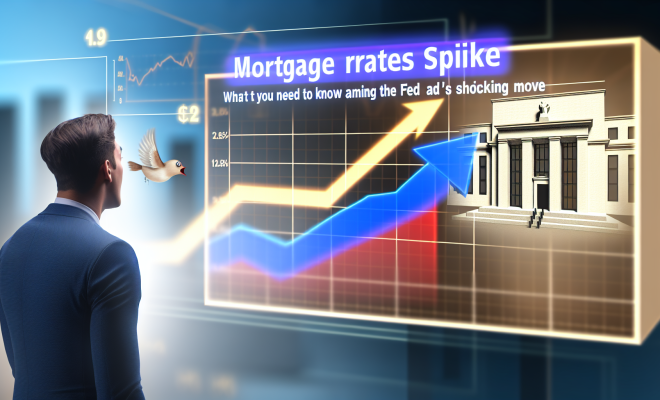
The recent announcement from the Federal Reserve has sent shockwaves through the housing market. On May 10, 2026, the Fed unexpectedly raised interest rates by 0.5%, leading to a monumental spike in average 30-year mortgage rates, which have now reached 8.5%. This figure marks the highest level seen in over two decades, as evidenced by data released by Freddie Mac. The sudden increase has left many homebuyers in a state of panic, with widespread implications for the housing market and personal financial decisions.
The Immediate Aftermath of the Fed’s Decision
In the wake of this critical rate hike, Google searches for ‘mortgage rates today’ surged by 450% within a mere 24 hours. This frantic search for information reflects the anxiety and urgency felt by potential homebuyers. Social media platforms have been abuzz, with the topic trending at #1 on Twitter, generating over 2 million posts that discuss the implications of the rising rates. The emotional responses from users range from fear of losing out on homeownership to frustration over their financial futures.
What the Data Tells Us
According to Freddie Mac, the average mortgage rate reaching 8.5% has drastically altered the landscape for homebuyers. This spike not only amplifies monthly payments but also raises the overall cost of homeownership, making it increasingly unaffordable for many. To put this into perspective, a borrower with a $300,000 mortgage at 8.5% would pay approximately $2,550 monthly, compared to about $1,700 with a 3% mortgage—a staggering difference that underscores the urgency of the situation.
Reactions from Homebuyers and Real Estate Agents
The reaction from both homebuyers and real estate professionals has been swift and severe. Zillow has reported a significant 30% drop in home search activity, highlighting the growing concerns about affordability as buyers reevaluate their options in light of these new rates. Many potential buyers have expressed feelings of panic, fearing that their dreams of homeownership may be slipping away. Real estate agents are also feeling the pinch, as the market shows signs of cooling down, bringing a once-booming real estate landscape to a halt.
Jerome Powell’s Justification for the Rate Hike
At the center of this controversial decision is Fed Chair Jerome Powell, who defended the rate hike as a necessary measure to combat persistent inflation, which currently sits at 4.2%. Powell argues that controlling inflation is crucial to ensure long-term economic stability, even if it means short-term pain for consumers and businesses alike. This decision has sparked a heated debate among economists and financial experts, many of whom fear that such aggressive moves could lead to a significant downturn in the housing market.
The Potential for a Housing Market Crash
As the news spreads, realtor groups are voicing their concerns about a potential housing crash, warning that the rapid increase in mortgage rates could lead to a detrimental correction in housing prices. The affordability crisis is not just a concern for buyers; it is a critical issue that could impact the broader economy if home values decline sharply. Homeownership has long been viewed as a cornerstone of the American dream, and a significant dip in housing prices could have far-reaching consequences for millions of families.
Understanding the Broader Economic Context
This latest mortgage rates spike must be understood within the broader context of the U.S. economy. The Federal Reserve’s actions are part of a larger strategy to manage inflation and stabilize economic growth post-pandemic. However, the delicate balance between controlling inflation and supporting a healthy housing market has proved to be challenging. As interest rates rise, those who have been on the fence regarding home purchases may now find themselves priced out of the market, leading to an increase in rental demand and further inflating rental prices.
Homebuyer Sentiment and Personal Stories
Amidst the chaos, personal stories from homebuyers are flooding social media platforms, with many sharing their fears and frustrations. Stories range from hopeful first-time buyers who had been saving for a down payment to families that had planned to upgrade to larger homes. The emotional toll is evident as people grapple with the reality that their purchasing power has been severely diminished overnight. This wave of sentiment is contributing to an atmosphere of fear, uncertainty, and regret.
Financial Tips for Navigating the New Landscape
As buyers navigate this new reality, financial experts are offering advice on how to adapt to the changing landscape. Here are some strategies for homebuyers:
- Reassess Your Budget: With higher rates comes higher monthly payments. Buyers should take a hard look at their budgets and determine what they can realistically afford.
- Consider a Smaller Home: Downsizing or considering homes in less expensive areas may be necessary to stay within budget.
- Secure a Pre-Approval: Obtaining pre-approval from lenders can provide buyers with a clearer picture of how much they can borrow.
- Stay Informed: Keeping up with market trends and the Fed’s decisions can help buyers make informed decisions about when to enter the market.
- Explore Alternative Financing Options: There are various financing solutions available that could help mitigate some of the impacts of rising rates, such as adjustable-rate mortgages or government-backed loans.
Long-Term Implications for the Housing Market
As the dust settles from this latest mortgage rates spike, the long-term implications for the housing market remain uncertain. If the Fed continues on its path of increasing interest rates to combat inflation, we may see a prolonged period of low demand and declining home values. This could lead to a more balanced market, but it would come at the expense of many families’ dreams of homeownership.
Affordability Challenges and Economic Equity
One of the most pressing issues arising from the current financial climate is the widening gap in economic equity. As home prices and interest rates rise, middle-class families are particularly vulnerable, with many finding it increasingly challenging to purchase a home. This trend could exacerbate socioeconomic disparities, as wealthier individuals may still afford homes while lower-income families are pushed further down the rental market.
Conclusion: The Future of Homeownership in America
The recent spike in mortgage rates is a critical moment in the American housing market, one that could redefine homeownership for millions. As potential buyers face tougher conditions, the need for affordable housing solutions becomes more urgent than ever. The emotional toll of this shift is felt across the nation, with many left to ponder their dreams of owning a home amidst rising costs and economic uncertainty. As we move forward, it will be essential to monitor the Fed’s decisions closely, as they will undoubtedly shape the future of the housing market and the financial well-being of countless families.