South Korea Travel: 7 Essential Tips for a Safe & Smooth Trip
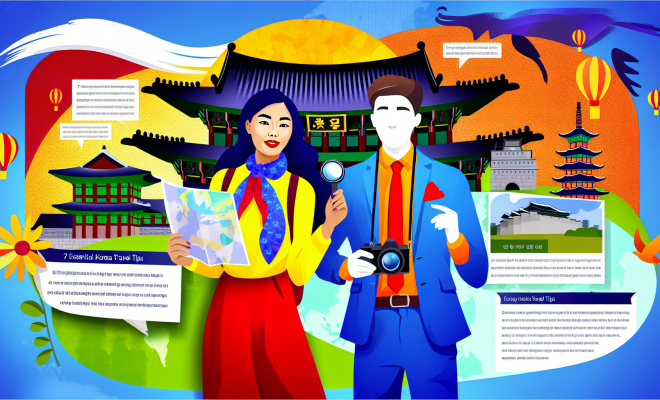
Traveling to South Korea can be an exhilarating experience, filled with rich culture, stunning landscapes, and delicious cuisine. However, to ensure a smooth journey, particularly for solo travelers and especially women, it’s crucial to heed some critical South Korea travel advice regarding safety and practical challenges. This comprehensive guide will cover essential tips, safety considerations, and transportation insights to help you navigate the beauty and intricacies of South Korea.
Understanding Safety Concerns for Solo Travelers
While South Korea is generally a safe destination, solo travelers, particularly women, should take extra precautions. The government of Canada has issued travel advisories highlighting specific safety concerns, especially related to nighttime travel and taxi safety protocols.
Nighttime Travel Cautions
Travelers are advised to exercise caution when traveling alone at night. Although many areas are safe, some neighborhoods may pose risks. It’s best to:
- Avoid poorly lit areas and secluded routes.
- Stick to well-populated streets and use reputable transportation services.
- Consider traveling with a friend or in groups when possible.
Taxi Safety Protocols
Using taxis in South Korea can be convenient, but there are specific guidelines to follow to enhance safety:
- Use licensed taxis that display a taxi sign on the rooftop.
- Download a taxi app like KakaoTaxi which provides driver details and fare estimates.
- Always fasten your seatbelt, as it is mandatory in South Korea.
- Be cautious of scams; if a taxi driver seems off, do not hesitate to exit the vehicle.
Public Transportation: A Safer Option After Dark
When it comes to navigating the city after dark, public transportation can often be a safer choice than riding in a taxi. South Korea boasts an extensive and efficient public transit system that includes subways, buses, and trains. Here’s what to keep in mind:
Efficient Subway and Bus Systems
The subway system is particularly user-friendly for foreigners, providing clear signage in both Korean and English. Here are some tips:
- Purchase a T-money card for seamless travel across subways and buses.
- Familiarize yourself with the subway map before heading out.
- During peak hours, public transit can be crowded, so plan your travel times accordingly.
Post-9 PM Travel Options
Many subway lines operate until midnight or later, providing a reliable option for late-night travel. Additionally, late-night buses are available in major cities, ensuring that you have access to safe transportation even after dark.
Traveling During Peak Seasons: Chuseok and Lunar New Year
The peak holiday periods in South Korea, such as Chuseok and Lunar New Year, bring about severe congestion in airports and public transit systems. Here’s how to navigate these busy times effectively:
Planning Ahead
During these holidays, it’s crucial to plan your travel in advance:
- Book flights and accommodations well ahead of time to avoid last-minute issues.
- Check public transportation schedules, as services can be limited during holidays.
- Consider alternative travel days to minimize congestion.
Airport Experience
Airports can be particularly chaotic during peak travel periods. Here are some tips to help manage the situation:
- Arrive at the airport early to allow for longer security and immigration lines.
- Stay informed about your flight status through airline apps or airport monitors.
- Have a backup plan for transportation from the airport to your accommodation.
Language Barriers and Communication Tips
Language can be a barrier for many travelers in South Korea, so it’s important to have some strategies in place:
Useful Phrases to Know
Familiarize yourself with a few key Korean phrases that can aid in your travel experience:
- 안녕하세요 (Annyeonghaseyo) – Hello
- 감사합니다 (Gamsahamnida) – Thank you
- 도와주세요 (Dowajuseyo) – Please help me
- 화장실 어디에요? (Hwajangsil eodieyo?) – Where is the bathroom?
Using Translation Apps
Consider downloading translation apps like Google Translate or Papago, which can help you communicate effectively. These tools are particularly useful for translating menus or signboards.
Cultural Sensitivity and Etiquette
When traveling in South Korea, it’s essential to respect local customs and practices. Being aware of cultural nuances can enhance your experience and help you connect with locals:
Common Etiquette Tips
- Always bow when greeting someone; it’s a sign of respect.
- Remove shoes when entering someone’s home or certain traditional accommodations.
- Be mindful of personal space; South Koreans may stand closer than what you are used to.
- When dining, wait for the eldest person to begin eating first.
Health and Safety Measures
It’s also wise to be aware of health and safety measures while traveling in South Korea. Here’s what you need to consider:
Travel Insurance
Before departing, ensure you have comprehensive travel insurance that covers health emergencies, cancellations, and theft. This is especially important when traveling in a foreign country.
Emergency Contacts
Know the local emergency numbers:
- Police: 112
- Ambulance and Fire: 119
Have these numbers saved in your phone and know the location of the nearest hospital or clinic.
Conclusion: Making the Most of Your South Korea Travel Experience
With the right preparation and knowledge, your trip to South Korea can be incredibly rewarding. By taking safety precautions, understanding local customs, and utilizing effective communication strategies, you can enjoy all that this vibrant country has to offer. Keep these South Korea travel advice tips in mind as you embark on your journey, and embrace the adventure that awaits!
Whether you’re wandering through the bustling streets of Seoul, exploring the historic sites of Gyeongju, or enjoying a scenic view from Jeju Island, your experience in South Korea will undoubtedly leave you with lasting memories.