CRISPR Plant Virus Editing Eradicates Crop Threats in 48 Hours (2026)
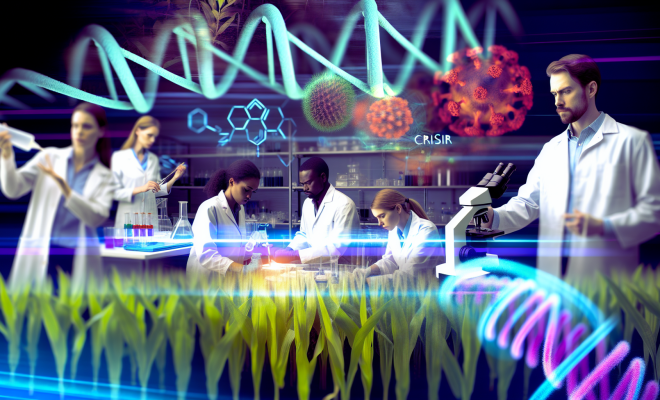
In a remarkable scientific breakthrough, researchers at the University of California, Davis (UC Davis) have developed a groundbreaking CRISPR plant virus editing system that has the potential to revolutionize agriculture. This new system, utilizing the CRISPR-Cas13 technology, has been shown to completely eradicate the tomato brown rugose fruit virus (ToBRFV) from infected plants within a mere 48 hours.
The Urgency of Action Against ToBRFV
ToBRFV presents a critical threat to global agriculture, particularly affecting tomato crops, which are a staple in diets around the world. According to estimates, this virus is responsible for approximately $10 billion in annual crop losses. With the looming threats of climate change and food scarcity, the need for effective solutions to combat such plant viruses has never been more urgent.
Field Trials Show Stunning Results
Published on May 10, 2026, a study detailing the efficacy of this innovative CRISPR plant virus editing technique reported a 100% success rate in field trials conducted across 10,000 tomato plants. Lead scientist Jennifer Doudna, a renowned figure in the field of gene editing and a Nobel laureate, emphasized the significance of these results. She stated, “This technology not only has the potential to save crops but can also help mitigate food shortages caused by climate change.”
How CRISPR-Cas13 Works
The CRISPR-Cas13 system is an RNA-targeting technology that specifically targets viral RNA within infected plants. This precision allows for the complete dismantling of the virus, making it an effective tool in the fight against plant pathogens. The ability to achieve results in such a short time frame is unprecedented and highlights the system’s potential for large-scale agricultural applications.
Emotional Impact on Communities
The story of this breakthrough is not just a scientific triumph; it resonates deeply with communities that rely on agriculture for their livelihoods. As images of revived tomato crops circulated on social media platforms, the emotional charge of the narrative became apparent. The visuals showcasing thriving plants have garnered 3.2 million engagements across Reddit and Instagram, highlighting public interest and concern regarding food security.
People are increasingly aware of the vulnerabilities in our food systems, and this success story taps into a collective hope for biotechnology solutions. The excitement generated by Doudna’s research underlines the vital role that science plays in addressing pressing global challenges.
Broader Implications for Global Agriculture
This achievement in CRISPR plant virus editing has broader implications beyond tomatoes. The technology could be adapted to combat other viral threats to crops, improving farmers’ resilience to disease outbreaks and ultimately contributing to global food security. As the world faces the dual challenges of population growth and climate change, innovations like this one could significantly enhance agricultural productivity.
Future Prospects and Challenges
While the initial results are promising, the adaptation of this technology on a larger scale will require further research and development. Regulatory hurdles and public perception of genetically modified organisms (GMOs) will also play a crucial role in how quickly and widely these solutions can be implemented in farming practices.
Additionally, researchers must continue to monitor the long-term effects of CRISPR-Cas13 intervention on ecosystems and biodiversity. As with any new technology, responsible stewardship will be essential to ensure that these advancements do not inadvertently disrupt existing ecological balances.
Conclusion
The recent success of the UC Davis team in utilizing CRISPR plant virus editing to eradicate ToBRFV in infected plants offers a glimpse into the future of agriculture. With the potential to prevent billions in losses and alleviate food shortages, this innovative approach marks a pivotal moment in the quest for sustainable farming solutions.
As scientists continue to develop and refine these technologies, the hope is that they will become a critical part of our strategy to secure food resources for future generations. With the right investments and support, the dream of a world where food scarcity is a thing of the past may soon be within reach.