
Transitional Kindergarten: A Bridge to Elementary Success
“`html
As parents, educators, and policymakers strive to develop programs that foster early childhood learning, transitional kindergarten (TK) has emerged as a transformative solution. This program provides a crucial stepping stone for young children preparing to enter elementary school. By focusing on social, emotional, and academic readiness, transitional kindergarten helps to set a strong foundation for future success. In this article, we’ll explore the numerous transitional kindergarten benefits, how it prepares children for academic challenges, and its relevance in today’s educational landscape.
Understanding Transitional Kindergarten
Transitional kindergarten is often described as a bridge between preschool and traditional kindergarten. It is designed for children who turn five between certain dates within the school year, allowing them a unique opportunity to develop skills in a structured environment before they enter first grade. While each program may differ slightly depending on local requirements, the core objective remains consistent: to provide a nurturing space that promotes developmental readiness.
The Role of Transitional Kindergarten in Early Education
One of the primary goals of transitional kindergarten is to address the varying levels of readiness among children. Not every child develops at the same pace, and some may need additional support before diving into the more rigorous academic expectations of kindergarten. This program is vital in helping children adjust both socially and academically. With a curriculum tailored to their developmental needs, children can cultivate essential skills in a supportive environment, easing their transition into formal schooling.
Social-Emotional Development: A Core Focus
Social-emotional development is a cornerstone of the transitional kindergarten experience. Children learn to interact with peers, develop friendships, and navigate social situations — all crucial skills for their future academic lives. Research shows that strong social-emotional skills correlate positively with academic performance. For example, children who can express their feelings, resolve conflicts, and demonstrate empathy tend to excel in academic settings.
In transitional kindergarten, children engage in activities that promote sharing, cooperation, and problem-solving. For instance, group projects and collaborative games provide opportunities for kids to practice these skills in a supervised setting, equipping them with the tools necessary for success in elementary school and beyond.
Cognitive Readiness: Laying the Academic Groundwork
Transitional kindergarten also places a strong emphasis on cognitive development. Early exposure to foundational academic concepts allows children to build critical thinking skills that will serve them throughout their education. This includes developing literacy and numeracy skills through interactive lessons, storytelling, and hands-on activities.
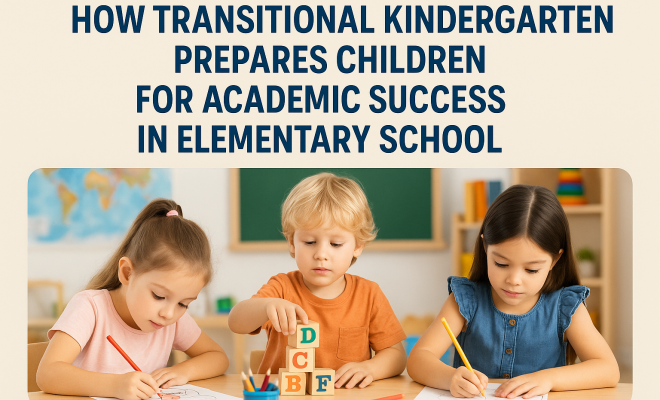
For example, children might engage in letter recognition games, number counting activities, and basic problem-solving challenges. These exercises not only make learning enjoyable but also help instill a love of knowledge. Research indicates that children who participate in early academic programs tend to have better outcomes in elementary school. By introducing concepts in a playful manner, transitional kindergarten can spark curiosity and foster a lifelong love for learning.
The Impact on Language Development
Language development is another significant focus area in transitional kindergarten. Early exposure to rich language experiences can enhance vocabulary and communication skills. Children engage in discussions, storytelling, and collaborative reading sessions, which significantly boost their language abilities.
For instance, a study by the National Institute for Early Education Research (NIEER) found that children who attended high-quality early education programs, including transitional kindergarten, demonstrated markedly higher language skills. This benefit translates into better reading and writing capabilities in elementary school, giving these children an academic advantage.
Building Confidence and Independence
Confidence and independence are essential traits for young learners. Transitional kindergarten nurtures these qualities by encouraging children to take initiative and make choices. In a supportive environment, children can explore their interests, engage in decision-making, and learn from their mistakes.
Activities that promote self-regulation—like choosing how to spend free time or resolving minor conflicts with peers—allow children to develop the confidence needed to tackle challenges in elementary school. Research shows that children with high self-esteem are more likely to participate actively in their learning, leading to improved academic performance. (See: Early Learning Programs by the U.S. Department of Education.)
Parent and Educator Collaboration
Transitional kindergarten emphasizes the importance of collaboration between parents, educators, and the community. Regular communication and engagement between families and teachers foster a supportive learning environment. Parents are often encouraged to participate in classroom activities, attend workshops, and engage in their child’s education, creating a partnership that benefits the child’s development.
This collaborative effort can also help parents better understand the skills their children are developing. Being informed about the curriculum and teaching strategies allows parents to reinforce learning at home, creating a seamless transition to elementary school.
Addressing Diverse Learning Needs
One of the most significant transitional kindergarten benefits is its ability to cater to diverse learning needs. The classroom environment is typically designed to be inclusive, addressing the needs of children with varying backgrounds and abilities. This inclusive approach provides individualized support, ensuring that all children can thrive.
Transitional kindergarten teachers are often trained to implement differentiated instruction strategies. This means they can tailor their teaching methods to accommodate different learning styles. Whether a child learns best through hands-on activities, visual aids, or auditory instruction, transitional kindergarten aims to meet those needs and provide a personalized educational experience.
Current Relevance and Future Prospects
As educational systems continue to adapt to the needs of modern society, transitional kindergarten remains relevant and crucial. With increasing awareness of the importance of early childhood education, more states are expanding access to TK programs. According to the National Center for Education Statistics, the number of children enrolled in pre-K programs, including transitional kindergarten, has steadily increased over the past decade.
This shift highlights a growing recognition of the value of early education as a critical component of academic success. With evidence suggesting that early intervention can yield long-term benefits, stakeholders are motivated to invest in programs that prioritize early learners’ needs.
The Economic Benefits of Transitional Kindergarten
Investing in transitional kindergarten not only benefits children’s education but also has significant economic implications. Studies indicate that early investments in education can lead to substantial economic returns. According to the Perry Preschool Project, every dollar invested in early childhood education can yield up to $17 in economic returns over a person’s lifetime. This includes reduced costs associated with special education, lower crime rates, and increased productivity in the workforce.
Communities that embrace transitional kindergarten can experience a decrease in the need for remedial education later on. By preparing children in their formative years, schools can reduce the financial burden on taxpayers while ensuring children are equipped with the skills needed for success. In this context, transitional kindergarten becomes not just a personal investment for families but a collective benefit for communities and society as a whole.
Comparative Analysis: Transitional Kindergarten vs. Traditional Preschool
When considering the benefits of transitional kindergarten, it’s essential to compare it to traditional preschool programs. While both settings are designed to prepare children for school, they differ significantly in structure, curriculum, and objectives.
Traditional preschool typically focuses on play-based learning and socialization, catering to younger children who may not yet be ready for a more structured academic environment. In contrast, transitional kindergarten provides a more formal curriculum, emphasizing literacy, numeracy, and social-emotional skills in preparation for the rigors of elementary school.
Another notable difference is the age range served. Transitional kindergarten targets children who are on the cusp of starting kindergarten, providing them with an extra year to develop essential skills. This can be particularly beneficial for children who may have summer birthdays and would otherwise be among the youngest in their class if they entered kindergarten right away.
Research has shown that children who transition from preschool to transitional kindergarten often report higher levels of readiness for kindergarten than those who only attended preschool. This demonstrates the value of a structured program that builds upon what children learn in preschool while preparing them for future academic challenges. (See: Understanding Early Childhood Development.)
Expert Perspectives on Transitional Kindergarten
Educational experts and child development specialists widely endorse transitional kindergarten as a critical bridge in early education. Dr. Ellen Galinsky, a leading authority on child development, emphasizes the importance of a strong foundation in the early years. According to her research, “The first five years of a child’s life set the stage for their future success.” Transitional kindergarten aligns perfectly with this philosophy, offering a structured yet nurturing approach to early education.
Additionally, Dr. Susan McCarthy, a professor of early childhood education, argues that transitional kindergarten is essential for meeting the diverse needs of today’s children. “In an increasingly complex world, children must develop strong social-emotional skills, as well as academic readiness. Transitional kindergarten provides the perfect environment for this multidimensional growth.”
These expert opinions highlight the critical role transitional kindergarten plays in preparing children holistically for the challenges they will face in their educational journeys.
FAQs about Transitional Kindergarten Benefits
What are the key benefits of transitional kindergarten?
Transitional kindergarten offers numerous benefits, including enhanced social-emotional development, cognitive readiness, language skills improvement, and increased confidence and independence. It also provides a supportive environment tailored to children’s diverse learning needs.
How does transitional kindergarten differ from traditional kindergarten?
Transitional kindergarten is designed for children who may not yet be ready for the academic demands of traditional kindergarten. It focuses on developmental readiness, offering a curriculum that prepares children for their future education while allowing them additional time to mature socially and emotionally.
Is transitional kindergarten suitable for all children?
While transitional kindergarten is beneficial for many children, especially those who may need extra time to develop essential skills, it’s important for parents to assess their child’s readiness. Consulting with educators and considering the child’s social, emotional, and academic needs can help make this decision.
What role do parents play in transitional kindergarten?
Parents play a crucial role in the success of transitional kindergarten. Their involvement in classroom activities, communication with teachers, and reinforcement of learning at home significantly contribute to their child’s development and readiness for elementary school.
How can communities support transitional kindergarten programs?
Communities can support transitional kindergarten by advocating for funding, promoting awareness of the program’s benefits, and encouraging participation among families. Partnerships between schools and local organizations can also enhance the program’s resources and outreach efforts.
Final Thoughts: The Path Ahead
Transitional kindergarten is not just a program; it’s an investment in a child’s future. By providing a foundation for academic success, fostering social-emotional skills, and promoting collaboration between families and educators, TK plays a vital role in shaping well-rounded learners. As we continue to understand the long-term impacts of early education, it becomes increasingly clear that the transitional kindergarten benefits extend far beyond the classroom. Children who thrive in transitional kindergarten are better prepared for the challenges of elementary school and beyond, paving the way for lifelong success.
Success Stories: Transitional Kindergarten in Action
Many families have shared success stories about the positive impact of transitional kindergarten on their children’s lives. For example, a parent from California noted that their child, who had struggled with shyness, became more confident and socially active after participating in TK. The structured environment and focus on social skills helped her make friends and enjoy going to school. This is a common theme among families who have seen their children flourish in TK, as the program provides not just academic growth but also emotional resilience.
Statistics on Transitional Kindergarten Outcomes
Research indicates that children who attend transitional kindergarten show measurable improvements in their learning trajectories. A study conducted by the Stanford Graduate School of Education found that TK participants had better reading and math skills than their peers who did not attend TK. Specifically, they scored an average of 15% higher on standardized tests in kindergarten. These statistics underline the importance of transitional kindergarten in leveling the playing field for all children, particularly those from disadvantaged backgrounds.
The Role of Play in Transitional Kindergarten
Play is a vital component of transitional kindergarten, serving as a primary method of learning. Engaging in play-based activities allows children to explore their interests and concepts in a natural setting. For instance, children might participate in dramatic play, where they take on various roles and scenarios that encourage creativity and problem-solving. This approach not only makes learning enjoyable but also reinforces skills in a practical, hands-on environment.
Research supports the notion that play promotes cognitive development and social interaction. A report from the American Academy of Pediatrics highlights that play is essential for healthy brain development, providing children with opportunities to practice skills like negotiation, cooperation, and critical thinking. Thus, integrating play into the transitional kindergarten curriculum is crucial for holistic child development.
Long-Term Impact of Transitional Kindergarten
The advantages of transitional kindergarten extend well into the future. Studies show that students who attended TK are more likely to graduate from high school and pursue higher education. The National Institute for Early Education Research indicates that children who participated in early education programs, including transitional kindergarten, are less likely to require special education services later on. This long-term impact emphasizes the critical importance of a quality early learning experience.
Furthermore, these children often demonstrate better social skills and stronger relationships with peers and educators throughout their academic careers. By fostering a positive learning environment and instilling a love of learning, transitional kindergarten prepares children not only for immediate academic success but for lifelong achievements.
Making Transitional Kindergarten Accessible for All
Ensuring that transitional kindergarten is accessible to all families, particularly those in underserved communities, is vital for maximizing its benefits. Policymakers are increasingly recognizing the need for funding and resources to support TK programs in low-income areas. For instance, initiatives aimed at reducing class sizes and providing additional training for educators can significantly improve the quality of transitional kindergarten.
Community organizations can also play a role by offering scholarships or resources to families who may not have the financial means to enroll their children in transitional kindergarten. By fostering partnerships between schools, local businesses, and nonprofit organizations, communities can create a more equitable educational landscape that prioritizes early childhood education for everyone.
Conclusion: Embracing Transitional Kindergarten for a Brighter Future
Transitional kindergarten offers numerous benefits that extend well beyond the classroom. By focusing on social-emotional development, cognitive readiness, and fostering collaborative ties between families and educators, TK is crucial in cultivating well-rounded, successful learners. As we continue to recognize the transformative impact of early education, it’s clear that supporting and expanding transitional kindergarten programs is essential for building a brighter future for all children.
“`
Trending Now
- 15 Read-Alouds That Make Teachers Cry…
- this guide on “bloom’s taxonomy for parents: how to ask questions that deepen your child’s learning at home”
- the complete explanation
- “Proprioception Activities for Kids: 25 Sensory Diet Ideas to Improve Body Awareness”
Frequently Asked Questions
What is the purpose of transitional kindergarten?
Transitional kindergarten serves as a bridge between preschool and traditional kindergarten, designed for children who turn five within specific dates of the school year. It aims to provide a nurturing environment that promotes social, emotional, and academic readiness, helping children develop essential skills before they enter elementary school.
How does transitional kindergarten benefit children?
Transitional kindergarten benefits children by addressing varying levels of readiness and providing tailored curricula that focus on social-emotional development and academic skills. This supportive environment helps children build confidence and prepares them for the more rigorous expectations of kindergarten and beyond.
What skills do children learn in transitional kindergarten?
In transitional kindergarten, children learn vital skills such as social interaction, emotional regulation, and foundational academic skills. They engage in activities that promote friendship, cooperation, and problem-solving, which are crucial for their future success in elementary school.
Is transitional kindergarten necessary for all children?
While not every child may require transitional kindergarten, it is especially beneficial for those who may need additional support in social or academic areas before entering traditional kindergarten. It provides a structured environment that caters to diverse developmental needs.
What is the difference between preschool and transitional kindergarten?
The primary difference between preschool and transitional kindergarten lies in their focus and structure. Preschool emphasizes play-based learning and socialization, while transitional kindergarten offers a more structured curriculum aimed at preparing children academically and socially for kindergarten.
Agree or disagree? Drop a comment and tell us what you think.



