Socratic Seminars: Boost Critical Thinking & Communication
“`html
Socratic seminars are more than just a teaching method; they’re a transformative approach to learning that develops critical thinking and communication skills among students. Named after the ancient Greek philosopher Socrates, these seminars encourage dialogue and debate that allow participants to delve deep into philosophical questions, literary themes, and current events. This article explores how Socratic seminars foster essential skills that are crucial in today’s world, including analytical thinking, effective communication, and collaborative problem-solving.
Understanding Socratic Seminars
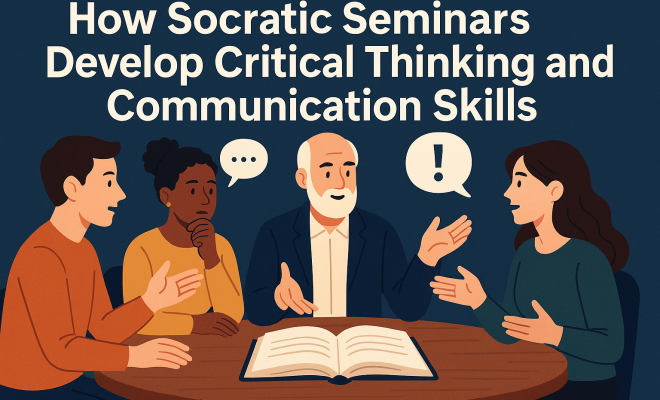
The Socratic method is rooted in the idea that asking questions is more valuable than providing answers. In a Socratic seminar, students engage in a group discussion that is driven by open-ended questions posed by either the teacher or their peers. Unlike traditional classroom settings where a teacher delivers content and expects rote memorization, Socratic seminars flip the script. Here, students take charge of their learning, constructing knowledge collectively.
Typically, a Socratic seminar focuses on a specific text or theme, encouraging participants to explore and reflect on their interpretations. The goal is not to arrive at a single correct answer but rather to foster a deeper understanding of complex ideas through dialogue. This approach aligns perfectly with the educational paradigm shift towards student-centered learning.
The Historical Context of the Socratic Method
Socrates, as depicted by his student Plato, believed that wisdom comes from recognizing one’s own ignorance. His method of questioning aimed to stimulate critical thinking and illuminate ideas. Socratic seminars reflect this philosophy by creating a space where students feel comfortable expressing their views, challenging assumptions, and engaging in intellectual discourse.
This approach has evolved over centuries, gaining traction in modern education as educators recognize the limitations of traditional pedagogical methods. As classrooms become more diverse and globalized, the need for critical thinking and effective communication has never been more pressing. Socratic seminars provide a dynamic platform for students to develop these essential skills.
Developing Critical Thinking Skills
Critical thinking is the ability to analyze information objectively and make reasoned judgments. In a Socratic seminar, students learn to evaluate arguments, identify biases, and consider multiple perspectives. This process involves several key components:
- Questioning Assumptions: Students are encouraged to question not only the text but also their own preconceptions and beliefs. This self-reflective practice is a cornerstone of critical thinking.
- Evaluating Evidence: Participants must support their claims with textual evidence or empirical data, helping them develop the habit of backing up their arguments with credible information.
- Engaging in Dialogue: Rather than engage in debates to ‘win’, students learn to have constructive discussions, which enhances their ability to understand differing viewpoints.
Research has shown that students who participate in Socratic seminars demonstrate improved critical thinking scores compared to their peers in traditional settings. The focus on dialogue rather than monologue allows for richer analysis and deeper understanding of ideas.
Enhancing Communication Skills
Effective communication is not just about speaking clearly; it involves listening, interpreting, and responding thoughtfully. In Socratic seminars, students practice various communication skills that are vital for personal and professional success:
- Active Listening: Participants must listen attentively to their peers, which fosters respect and the ability to respond appropriately to others’ ideas.
- Articulating Ideas: Students learn to express their thoughts clearly and persuasively, an invaluable skill in any field.
- Nonverbal Communication: Body language and tone play a crucial role in how messages are received. Students become more aware of these nonverbal cues in discussions.
As students engage in Socratic seminars, they often find their confidence in public speaking grows. They learn to articulate complex ideas in a manner that’s understandable to others, making them more effective communicators.
Building Collaborative Skills
Collaboration is essential in today’s interconnected world. Socratic seminars thrive on group interaction, teaching students how to work together toward a common goal. Here’s how these discussions foster collaboration:
- Respect for Diverse Opinions: Students learn to appreciate differing viewpoints, understanding that diverse perspectives can enhance collective problem-solving.
- Shared Responsibility: In a seminar, everyone plays a role, and the success of the discussion depends on each participant’s contribution. This shared ownership fosters teamwork.
- Conflict Resolution: Navigating disagreements is part of the process. Students become adept at handling conflicts constructively, a skill that is invaluable in any collaborative environment.
By engaging in Socratic seminars, students not only build their own skills but also learn to foster a sense of community and mutual respect in group settings. (See: Socratic method on Wikipedia.)
Real-World Applications of Skills Learned in Socratic Seminars
The skills developed through Socratic seminars aren’t just academic; they have practical applications in daily life and future careers. Here are several areas where the benefits manifest:
- Higher Education: College students who have experience with Socratic seminars often excel in classroom discussions and group projects, as they are well-prepared to engage critically and communicate effectively.
- Workplace Collaboration: Employers value individuals who can think critically and communicate clearly. The ability to engage in meaningful discussions and present ideas is essential in nearly every profession.
- Community Engagement: Understanding how to discuss and debate community issues enables students to become active, informed citizens who contribute positively to society.
The emphasis on thoughtful dialogue in Socratic seminars prepares students to tackle real-world problems with an analytical mindset.
Implementing Socratic Seminars in the Classroom
For educators interested in incorporating Socratic seminars into their curriculum, there are several steps to consider:
- Choosing the Right Text: Select a text or topic that is rich in themes and prompts plenty of questions. Literature, history, current events, and philosophy are all excellent areas to explore.
- Preparing Students: Provide students with guidelines on how to participate effectively. Emphasize the importance of respect, active listening, and supporting arguments with evidence.
- Facilitating Discussion: While the teacher’s role is to guide rather than dominate, they should be prepared to pose stimulating questions and keep the discussion on track.
- Reflecting on the Process: After the seminar, have students reflect on what they learned, how they felt participating, and how they can improve in future discussions.
By thoughtfully implementing Socratic seminars, educators can create a dynamic learning environment that empowers students to become independent thinkers and communicators.
The Current Relevance of Socratic Seminars
In an age where information is readily available but critical thinking often seems scarce, Socratic seminars offer a crucial antidote. As society faces complex issues—such as climate change, political polarization, and social justice—capacity for thoughtful dialogue is essential. Socratic seminars train students to engage with these topics critically and constructively.
Moreover, as educational systems continue to evolve, the push towards incorporating social-emotional learning (SEL) aligns well with the principles of Socratic seminars. By fostering a supportive environment where students can discuss sensitive topics, these seminars encourage emotional intelligence and empathy.
Challenges and Considerations
While Socratic seminars have numerous benefits, they also present challenges. Not every student may feel comfortable participating in a discussion that requires them to speak in front of peers. Addressing these concerns is crucial for equitable participation. Educators can consider:
- Building a Safe Environment: Establishing ground rules that promote respect and openness can help students feel more comfortable sharing.
- Incorporating Smaller Groups: Breaking the class into smaller groups may encourage quieter students to engage more actively.
- Providing Multiple Formats: Allowing students to express their thoughts in various ways—such as written reflections—can help those who struggle with verbal communication.
By being mindful of these challenges, educators can ensure that Socratic seminars are inclusive and beneficial for all students.
Strategies for Successful Socratic Seminars
To maximize the effectiveness of Socratic seminars, educators can implement several strategies:
- Use Thought-Provoking Questions: Start with open-ended questions that require deeper thinking and cannot be answered with a simple ‘yes’ or ‘no’. For example, instead of asking “Did you like the book?” you might ask “What themes in the book resonate with your own experiences?”
- Encourage Peer Interaction: Promote a dialogue among students rather than a teacher-led discussion. Encourage them to respond to one another’s comments and questions, fostering a more democratic discussion environment.
- Utilize Technology: Incorporate digital tools that can enhance participation. Online forums or discussion boards can provide a platform for students who may be hesitant to speak up in a live discussion.
- Follow-Up Activities: Post-seminar reflections or projects can reinforce the material discussed and give students an opportunity to explore their ideas further.
Case Studies: Successful Implementation of Socratic Seminars
There are numerous examples of schools and educators successfully implementing Socratic seminars, showcasing their effectiveness:
1. High School English Class: At a public high school in New York, the English department integrated Socratic seminars into their curriculum. Students read classic literature and participated in weekly discussions. Teachers noted a significant increase in student engagement and critical thinking skills, with students often referring back to texts to support their arguments.
2. University Philosophy Course: A university philosophy professor employed Socratic seminars to engage students with complex ethical dilemmas. The discussions not only deepened students’ understanding of philosophical concepts but also helped them develop their own ethical frameworks, preparing them for real-world moral decision-making. (See: Harvard University educational resources.)
3. Middle School Social Studies: In a middle school social studies class, teachers used Socratic seminars to discuss current events. Students analyzed news articles and debated different viewpoints, leading to a more informed classroom environment. The skills learned in these discussions translated into increased participation in civic activities within their community.
Expert Perspectives on Socratic Seminars
Educators and thought leaders across various fields have shared insights on the value of Socratic seminars. Here are some noteworthy perspectives:
Educator Insight: Dr. Linda Elder, an educational psychologist, emphasizes the importance of critical thinking, stating, “Socratic seminars not only challenge students intellectually but also build their confidence in expressing their ideas and beliefs. It’s about creating thinkers, not just memorizers.”
Research Findings: A study published in the Journal of Educational Psychology found that students who participated in Socratic seminars showed a marked improvement in both verbal and written communication skills, indicating that these discussions effectively bridge the gap between theoretical knowledge and practical application.
Industry Perspective: Employers today are increasingly seeking candidates with strong communication and critical thinking abilities. A survey by the National Association of Colleges and Employers (NACE) found that 73% of employers value critical thinking and problem-solving skills in new hires, further underscoring the relevance of Socratic seminars in education.
Frequently Asked Questions (FAQ) about Socratic Seminars
What are the main objectives of a Socratic seminar?
The main objectives of a Socratic seminar are to foster critical thinking, enhance communication skills, and promote collaborative discussion among students. The emphasis is on dialogue rather than simply finding the ‘right’ answer.
How do I prepare students for a Socratic seminar?
Preparation includes choosing a rich text, introducing discussion norms, and discussing the importance of respect and active listening. Consider practicing with smaller, less formal discussions before moving to larger seminars.
Can Socratic seminars be used in any subject area?
Yes, Socratic seminars can be adapted for various subjects, including literature, history, science, and even mathematics. The key is to select texts or topics that invite discussion and critical analysis.
How can I assess student participation in a Socratic seminar?
Assessment can be based on several criteria, including the quality of contributions, ability to engage with others’ ideas, and use of textual evidence. Self-assessments and peer evaluations can also provide valuable insights.
What if some students dominate the discussion?
It’s vital to establish ground rules that promote equitable participation. Incorporating techniques like “talking tokens” can give each student a chance to speak, ensuring that all voices are heard.
The Future of Socratic Seminars in Education
As educational paradigms shift, the role of Socratic seminars is likely to expand. With a growing emphasis on skills like critical thinking, communication, and collaboration in educational standards worldwide, Socratic seminars may become a staple in curricula across all grade levels. Schools are increasingly recognizing the need to equip students with the skills necessary to navigate an ever-complex world.
Future iterations of Socratic seminars might incorporate technology even more deeply, allowing students to engage in discussions through digital platforms, especially in remote or hybrid learning environments. This adaptation could provide greater accessibility and flexibility, reaching students who may not otherwise participate in face-to-face discussions.
This evolution could also include interdisciplinary approaches, where Socratic seminars can blend subjects, allowing students to draw connections between literature, history, science, and social studies. For example, discussing the ethical implications of scientific advancements in a seminar can provide a rich ground for students to explore multiple perspectives.
The Impact of Socratic Seminars on Student Engagement
Student engagement is a critical factor in learning outcomes, and Socratic seminars have proven to enhance this engagement significantly. Research indicates that when students are given the opportunity to take charge of their learning, they are more likely to invest emotionally and intellectually in the subject matter. A study conducted at a midwestern university found that students who participated in Socratic seminars reported feeling more motivated and interested in their coursework compared to their peers who engaged in traditional learning formats.
This increased engagement can lead to higher retention rates of information and a greater willingness to tackle challenging material. As students see their peers actively participating and contributing to discussions, they are more likely to join in and share their thoughts, creating a positive feedback loop of engagement and learning.
Balancing Content and Discussion
One of the ongoing challenges in conducting Socratic seminars is balancing content coverage with the depth of discussion. Educators may struggle with ensuring that core curriculum content is addressed while providing ample opportunity for meaningful dialogue. To find this balance, teachers can consider the following strategies:
- Integrate Inquiry with Core Content: Design seminars where the text or material chosen not only aligns with curricular goals but also poses complex questions that invite discussion. This ensures that while students are engaging in dialogue, they are still covering the necessary content.
- Set Specific Goals for Each Seminar: Clearly outline what knowledge or skills students should gain from the seminar session, making connections to the curriculum. This focused approach can help steer discussions in productive directions while still allowing for organic dialogue.
- Reflect on Content Areas: After each seminar, educators can reflect on whether the discussions met curricular goals and determine if additional seminars are needed to cover specific content areas. This reflective practice can help teachers continuously adapt and improve their seminar strategies.
Conclusion: The Power of Dialogue in Education
Socratic seminars represent a powerful tool for developing critical thinking and communication skills. By emphasizing dialogue, respect, and collaborative learning, they prepare students not just for academic success but for active engagement in their communities and workplaces. In a world that increasingly values these skills, implementing Socratic seminars can enhance educational practices and foster a new generation of thoughtful, articulate individuals. As these discussions continue to shape the future of education, the legacy of Socrates lives on, challenging us all to think deeply and engage meaningfully.
“`
Trending Now
Frequently Asked Questions
What are Socratic seminars?
Socratic seminars are a teaching method that promotes dialogue and debate among students, allowing them to explore philosophical questions, literary themes, and current events. They emphasize critical thinking and communication skills through open-ended questions, fostering a collaborative learning environment.
How do Socratic seminars promote critical thinking?
Socratic seminars encourage students to engage in deep discussions, challenging their assumptions and exploring various interpretations. This method of questioning helps students develop analytical thinking skills by pushing them to articulate their thoughts and consider different perspectives.
What skills do students develop in a Socratic seminar?
Students develop critical thinking, effective communication, and collaborative problem-solving skills in Socratic seminars. By participating in discussions driven by open-ended questions, students learn to express their ideas clearly and engage respectfully with differing viewpoints.
What is the historical significance of the Socratic method?
The Socratic method, named after the philosopher Socrates, emphasizes the importance of questioning to stimulate critical thinking. It has evolved over centuries and is now widely used in education to create spaces for intellectual discourse and self-reflection among students.
How do Socratic seminars differ from traditional teaching methods?
Unlike traditional teaching methods where the teacher delivers content and expects memorization, Socratic seminars place students at the center of learning. They promote active participation, allowing students to construct knowledge collectively through dialogue and critical inquiry.
What’s your take on this? Share your thoughts in the comments below — we read every one.