How Positive Behavior Support Builds Student Self-Esteem
“`html
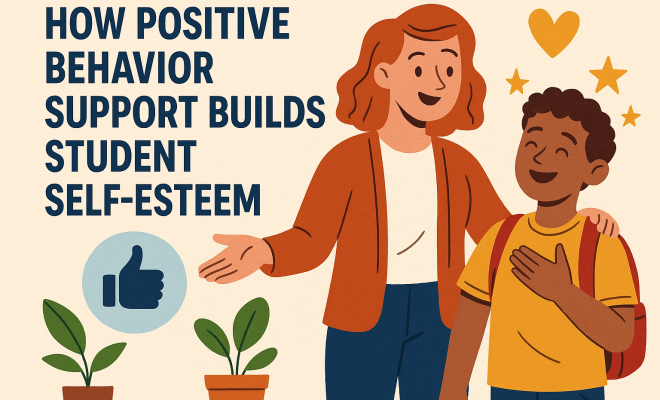
In today’s educational landscape, fostering an environment where students feel valued and empowered is crucial. One effective strategy that has gained traction is positive behavior support (PBS). PBS is not just a method for managing student behavior; it’s a comprehensive framework designed to promote a positive school climate and enhance student self-esteem. By focusing on recognizing and reinforcing positive behaviors, PBS helps students develop a more robust sense of self-worth.
Understanding Positive Behavior Support
Positive behavior support is an evidence-based approach aimed at improving students’ social, emotional, and academic outcomes. The framework is rooted in the belief that all behavior is learned and can be influenced positively. PBS encompasses a variety of strategies that involve defining, teaching, and supporting appropriate behaviors in a proactive manner, rather than relying on punitive measures.
The approach emphasizes the importance of understanding the reasons behind certain behaviors, allowing educators to create tailored interventions that address individual needs. By focusing on positive reinforcement rather than punishment, PBS lays the groundwork for building students’ self-esteem and confidence.
The Connection Between Positive Behavior Support and Self-Esteem
Self-esteem is defined as the perception one has of oneself, encompassing beliefs about worth and abilities. For students, high self-esteem is linked to better academic performance, healthier relationships, and overall well-being. With PBS, students receive consistent, encouraging feedback, which fosters a positive self-image. When students are recognized for their positive behaviors, they begin to associate success with their actions, reinforcing their sense of self-worth.
Several studies indicate that students involved in positive behavior support programs tend to exhibit increased self-esteem. For instance, a study published in the journal Behavioral Disorders found that students who received positive reinforcement for good behavior showed significant improvements in their self-concept compared to their peers in traditional disciplinary settings.
Key Elements of Positive Behavior Support
To effectively build self-esteem through positive behavior support, it’s essential to understand its core components:
- Prevention: Establishing clear expectations and creating a supportive environment minimizes opportunities for negative behavior.
- Teaching: Educators actively teach students the desired behaviors, ensuring they understand what is expected of them.
- Positive Reinforcement: Recognizing and rewarding positive behaviors encourages their continuation and helps students feel valued.
- Data-Driven Decisions: Collecting and analyzing data helps educators identify trends, allowing for informed interventions that maintain a positive atmosphere.
- Family and Community Involvement: Engaging families and the community creates a shared understanding and support for positive behaviors.
Implementing Positive Behavior Support in Schools
Implementing PBS requires a well-structured plan that involves the entire school community. Here are practical steps schools can take to incorporate PBS effectively:
1. Define Clear Expectations
Schools should establish specific, observable, and measurable behavioral expectations. For example, instead of simply stating “be respectful,” schools might define respectful behavior as listening when someone else is speaking or using polite language. These clear expectations set students up for success.
2. Teach and Model Behaviors
Once behavioral expectations are defined, schools need to teach these behaviors explicitly. This can involve role-playing scenarios, providing visual aids, and using real-life examples. Teachers can model these behaviors in their interactions with students, reinforcing the idea that everyone is expected to adhere to the same standards.
3. Consistent Positive Reinforcement
Recognizing and rewarding positive behavior is critical to building self-esteem. Schools can implement a reward system, such as a token economy, where students earn tokens for demonstrating positive behaviors. These tokens can be exchanged for privileges or rewards, promoting a culture of positivity.
4. Involve Families
Engaging families in the PBS process is vital for its success. Schools can host information sessions, workshops, and family nights to educate parents about PBS and encourage them to reinforce positive behaviors at home. When families are on board, students receive consistent messages about the importance of positive behavior.
5. Monitor and Adjust
Utilizing data is essential for assessing the effectiveness of PBS. Schools should regularly collect and analyze behavioral data to identify trends and adjust interventions as necessary. This ongoing assessment allows schools to remain responsive to students’ needs, ensuring that positive behavior support continues to flourish. (See: CDC on Positive Behavior Support.)
Real-World Examples of Positive Behavior Support
Many schools across the country have successfully implemented positive behavior support and reaped the benefits. One noteworthy example is the use of PBS at the University of Oregon, which has been a trailblazer in this field. Their Comprehensive, Integrated, Three-Tiered (Ci3T) model employs PBS strategies and has shown significant positive results in student behavior and academic achievement.
Another inspiring case is the implementation of PBS in elementary schools in North Carolina. Schools in this district have reported a decrease in disciplinary actions and an increase in student engagement and self-esteem. This success can be attributed to the strong emphasis on teaching and reinforcing positive behaviors.
The Role of Educators in Fostering Self-Esteem
Educators play a pivotal role in building student self-esteem through positive behavior support. By creating a safe, inclusive classroom environment, teachers can encourage students to express themselves without fear of judgment. Here’s how educators can effectively support student self-esteem:
1. Build Relationships
Establishing strong, trusting relationships with students lays the foundation for a positive classroom environment. When students feel that their teachers care about them as individuals, they are more likely to engage in positive behaviors.
2. Focus on Individual Strengths
Every student has unique strengths and talents. Teachers should take the time to recognize and celebrate these strengths, helping students see their value. Tailoring feedback to highlight what each student does well can significantly boost their self-esteem.
3. Foster a Growth Mindset
Encouraging a growth mindset—where students see challenges as opportunities for growth—can empower them to embrace learning and take risks. When students believe that their abilities can improve with effort, they are more likely to persist in the face of challenges and develop resilience.
Challenges and Considerations in Implementing PBS
While positive behavior support offers numerous benefits, implementing it is not without challenges. Schools may face resistance from staff, funding limitations, or lack of training in PBS strategies. To overcome these obstacles, it’s essential to provide adequate training and resources to educators, ensuring they feel equipped to implement PBS strategies effectively. Additionally, ongoing support from school leadership can help sustain momentum.
Another consideration is the need for cultural responsiveness within PBS. Different student populations may have varied cultural contexts that influence behavior. Schools must ensure that PBS strategies are inclusive and consider the diverse backgrounds of their students. This approach not only enhances effectiveness but also promotes a sense of belonging among all students.
Current Relevance of Positive Behavior Support
As educational practices evolve, the relevance of positive behavior support continues to grow. With the increasing recognition of mental health’s impact on learning, PBS aligns well with promoting students’ emotional well-being. The COVID-19 pandemic has highlighted the need for schools to prioritize mental health, making PBS an essential framework for fostering resilience and self-esteem in students.
Furthermore, as discussions around equity and inclusion in education gain momentum, PBS provides a fair and supportive approach to behavior management that benefits all students. By focusing on positive behaviors and reinforcing them consistently, schools can create environments where all students feel valued and capable of success.
The Impact of Positive Behavior Support on Academic Achievement
Research shows a strong correlation between positive behavior support and academic success. When students feel supported and recognized for their positive behaviors, they are more likely to engage in schoolwork and achieve higher academic outcomes. For instance, a study conducted by the University of South Florida illustrated that schools implementing PBS saw a remarkable 20% increase in overall academic performance scores.
Additionally, PBS helps reduce classroom disruptions, allowing teachers to spend more time on instruction rather than discipline. A report from the U.S. Department of Education indicated that schools employing PBS strategies experienced a 50% reduction in disruptive behavior incidents, leading to more productive classroom environments.
Furthermore, the positive effects of PBS extend beyond individual classrooms. Schools adopting PBS frameworks often report improved school-wide discipline and a stronger sense of community, contributing to better overall academic climates. (See: NIH on Behavior Interventions.)
Statistics Supporting Positive Behavior Support
The effectiveness of PBS is well-documented through various studies and statistics. According to a meta-analysis published in the journal Behavioral Disorders, schools implementing PBS frameworks saw:
- A 25% decrease in student suspensions.
- A 30% increase in student attendance rates.
- A significant improvement in student behavior as reported by teachers, with 80% noting fewer behavioral issues.
These numbers reflect that PBS not only enhances student behavior but also creates a more conducive learning environment. It’s clear that when schools prioritize positive behavior support, they pave the way for greater academic and social success.
Positive Behavior Support Across Different Educational Levels
Positive behavior support is adaptable across various educational levels, from early childhood to high school. In early education settings, PBS focuses on teaching basic social skills and positive interactions among peers. For example, preschoolers might receive direct instruction on sharing and taking turns through structured play activities.
In elementary schools, PBS often incorporates more structured reward systems, such as class-wide incentives for good behavior. Teachers might implement “classroom economies” where students earn points for positive actions and can trade them for privileges, creating excitement around positive behaviors.
At the secondary education level, PBS can take on more nuanced forms. High school students might engage in peer mentoring programs, where they are encouraged to model positive behaviors for younger students. This not only reinforces their own positive behaviors but also fosters a sense of responsibility and community.
Frequently Asked Questions about Positive Behavior Support
1. What is the primary goal of positive behavior support?
The primary goal of positive behavior support is to create a safe and supportive environment where positive behaviors are taught, recognized, and reinforced, ultimately leading to better social, emotional, and academic outcomes for students.
2. How does PBS differ from traditional disciplinary methods?
Unlike traditional disciplinary methods that often rely on punishment, PBS focuses on understanding behaviors, teaching appropriate alternatives, and reinforcing positive actions. This proactive approach aims to reduce negative behaviors before they arise.
3. Can PBS be implemented in all types of schools?
Yes, PBS is flexible and can be adapted for use in various educational settings, including public schools, private institutions, and alternative education programs. Its principles can be customized to fit the specific needs and cultures of different schools.
4. How can parents support PBS at home?
Parents can support PBS by reinforcing positive behaviors at home, participating in school activities related to PBS, and maintaining open communication with teachers about their child’s progress and challenges. Consistency between home and school messages about behavior is key.
5. What are some common challenges schools face when implementing PBS?
Common challenges include staff resistance to new methods, lack of training on PBS principles, and insufficient funding for required resources. Addressing these challenges often requires ongoing professional development and support from school leadership.
The Importance of Data in Positive Behavior Support
One of the cornerstones of effective positive behavior support is the use of data to inform decision-making. Data collection helps schools assess the effectiveness of their PBS interventions and adjust strategies as needed. Some common data collection methods include:
- Behavioral Incident Reports: Tracking incidents of misbehavior helps schools identify patterns and areas that may require additional support or training.
- Surveys and Feedback: Collecting feedback from students, parents, and staff about the PBS process can provide valuable insights into its effectiveness and areas for improvement.
- Academic Performance Metrics: Measuring academic outcomes in conjunction with PBS implementation can highlight correlations between positive behavior and academic achievement.
By regularly analyzing this data, schools can make informed decisions about which strategies are working and where adjustments are necessary. This data-driven approach not only enhances the effectiveness of PBS but also fosters accountability among educators and administrators.
Training and Professional Development for Teachers
For positive behavior support to be implemented successfully, educators need comprehensive training and ongoing professional development. Training can cover a variety of essential topics, including:
- Understanding Behavioral Psychology: Educators should have a solid understanding of the principles of behaviorism and how they apply to student behavior.
- Effective Communication Skills: Training should also focus on enhancing teachers’ communication skills, ensuring they can effectively convey expectations and reinforce positive behavior.
- Strategies for Implementing PBS: Teachers should be equipped with practical strategies for implementing PBS in their classrooms, including how to develop classroom-specific behavior plans and use data to guide interventions.
Ongoing professional development is crucial, as it allows educators to refine their PBS implementation and stay updated on best practices. Schools can facilitate this by organizing workshops, peer observations, and collaborative planning sessions.
Case Studies of Successful PBS Implementation
Examining case studies of schools that have successfully implemented PBS can provide valuable insights. For example, a high school in Wisconsin adopted PBS and saw significant changes in their school culture. The administration implemented a tiered approach, focusing on universal interventions for all students, targeted interventions for those needing extra support, and individualized interventions for students with more intensive needs. As a result, the school reported a 40% reduction in discipline referrals and an increase in student engagement.
Another notable case is a middle school in California that integrated PBS with social-emotional learning (SEL). By combining both frameworks, the school created a comprehensive approach to behavior management. The integration led to heightened awareness of emotional intelligence among students, which corresponded with improved academic performance and reduced instances of bullying. These case studies underscore the adaptability and effectiveness of PBS across various educational contexts.
Future Directions for Positive Behavior Support
Looking ahead, there are several exciting directions for the future of positive behavior support. First, as technology continues to evolve, schools can leverage digital tools for behavior tracking and analysis. Apps that facilitate data collection and analysis can streamline the process, allowing educators to focus more on interventions.
Additionally, integrating PBS with broader school reform initiatives can amplify its impact. For example, aligning PBS with restorative practices can create environments that prioritize relationship-building and community healing. This holistic approach not only addresses behavior but also fosters a sense of belonging among students.
Finally, there is a growing trend to incorporate student voice into the PBS framework. Engaging students in discussions about behavior expectations and interventions can empower them and ensure that the PBS framework reflects their needs and experiences. This collaborative approach can enhance buy-in from students and promote personal accountability for behavior.
Conclusion: Building a Positive Future for Students
In conclusion, positive behavior support is a powerful approach that not only shapes student behavior but also significantly enhances self-esteem. By implementing clear expectations, teaching appropriate behaviors, and providing consistent positive reinforcement, schools can foster an environment where students thrive. The benefits of PBS extend beyond individual students; they contribute to a positive school culture that promotes academic success and emotional well-being. As educators and administrators embrace the principles of PBS, they pave the way for a brighter, more empowered future for all students.
“`
Trending Now
Frequently Asked Questions
What is positive behavior support in education?
Positive Behavior Support (PBS) is an evidence-based framework aimed at improving students' social, emotional, and academic outcomes. It focuses on defining, teaching, and reinforcing appropriate behaviors, promoting a positive school climate while addressing individual needs without relying on punitive measures.
How does positive behavior support improve self-esteem?
PBS enhances self-esteem by providing consistent, encouraging feedback to students. When positive behaviors are recognized, students begin to associate their actions with success, reinforcing their sense of self-worth and fostering a positive self-image.
What are the benefits of positive behavior support in schools?
The benefits of PBS include improved student behavior, enhanced academic performance, and better social interactions. By fostering a supportive environment, PBS helps students feel valued, which contributes to their overall well-being and self-esteem.
Can positive behavior support lead to better academic performance?
Yes, studies show that students involved in positive behavior support programs often demonstrate improved academic performance. This is linked to increased self-esteem and motivation, as students feel more confident in their abilities and are more engaged in their learning.
What role does reinforcement play in positive behavior support?
Reinforcement is a key component of PBS, as it focuses on recognizing and rewarding positive behaviors. This approach helps students internalize success, boosts their confidence, and encourages them to continue exhibiting desirable behaviors, ultimately enhancing their self-esteem.
What did we miss? Let us know in the comments and join the conversation.