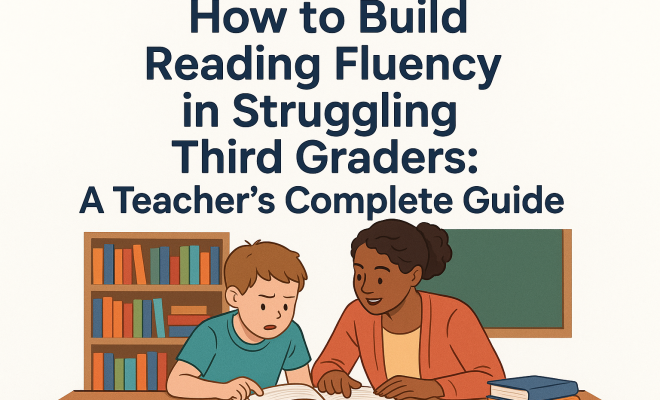
Boost Reading Fluency: Guide for Struggling Third Graders
“`html
Reading fluency is a critical skill for third graders, especially those who are struggling. It serves as a bridge between learning to read and reading to learn. When students can read fluently, they are better equipped to understand and engage with the material across all subjects. However, many third graders find themselves lagging behind in this essential area. This article provides nine effective reading fluency strategies tailored specifically for teachers working with struggling third graders.
1. Assess Reading Levels Regularly
Before implementing any reading fluency strategies, it’s vital to assess the current reading levels of your students. Tools like running records or informal reading inventories can help identify their strengths and weaknesses. Understanding where each student stands allows you to tailor your approach, ensuring that it meets their individual needs.
Regular assessments help track progress over time and provide insights into which strategies are working and which need adjustment. Don’t just assess at the beginning of the year; continuous evaluation gives a clearer picture of each child’s development in reading fluency.
2. Model Fluent Reading
One of the most effective ways to teach reading fluency is through modeling. As a teacher, read aloud to your class regularly. Demonstrate proper pacing, expression, and intonation. The more students hear fluent reading, the more they understand what fluent reading should sound like. Use a mix of genres to showcase different styles and formats.
When you model fluent reading, encourage students to follow along with the text. This approach not only illustrates fluency but also helps them make connections between the spoken and written word. Invite students to participate in shared reading, where they can echo your fluency and begin practicing it themselves.
3. Incorporate Repeated Reading
Repeated reading is a strategy where students read the same passage multiple times. This technique can significantly improve their reading speed and accuracy. Choose engaging, age-appropriate texts that students can relate to, and allow them to practice reading these passages aloud.
As they repeat the reading, they become more familiar with the text, which boosts their confidence and fluency. To make it more fun, you can turn it into a game or a challenge. For example, track the number of words read correctly in a minute, encouraging students to try to beat their own scores.
4. Use Fluency-Focused Activities
Integrating fluency-focused activities into your lesson plans can keep students engaged while improving their skills. Activities like choral reading, partner reading, and poetry reading are excellent for practicing fluency. These collaborative exercises create a supportive environment where students can feel comfortable making mistakes and learning from them.
Consider setting up a “fluent reading corner” in your classroom, where students can choose to practice reading with a partner or in groups. This not only enhances their fluency but also builds a sense of community and cooperation among students.
5. Incorporate Technology
In today’s digital age, technology offers innovative ways to promote reading fluency. Various apps and software focus on reading skills, providing personalized practice for students who struggle. Programs like Raz-Kids or Reading A-Z adapt to students’ reading levels, offering engaging texts paired with assessments.
Additionally, consider recording students as they read. Listening to themselves can provide insight into their fluency, helping them identify areas for improvement. The use of audiobooks can also be beneficial, allowing students to hear fluent reading while following along in the text.
6. Encourage Independent Reading
One of the best ways to build reading fluency is to foster a love for reading outside of school. Encourage students to engage in independent reading by providing them with access to a variety of books that cater to their interests and reading levels. Establish a classroom library that features an array of genres, including nonfiction, fiction, and graphic novels. (See: Teaching Reading Fluency.)
Set aside time during the school day for independent reading, during which students can choose their texts. This strategy not only improves fluency but also develops their critical thinking skills as they explore different narratives and concepts on their own.
7. Provide Feedback and Praise
Feedback is an integral part of the learning process. As your students practice reading fluently, provide specific, constructive feedback. Celebrate their successes, however small they may be, and encourage them to keep striving for improvement. Positive reinforcement can be incredibly motivating, especially for struggling readers.
Use a combination of verbal praise and written feedback in their reading logs to reinforce their progress. Let them know exactly what they did well and where they can improve. This will help them develop a growth mindset, understanding that fluency is a skill that can be nurtured and developed over time.
8. Incorporate Poetry and Song Lyrics
Poetry and song lyrics are fantastic tools for improving reading fluency. They often contain rhythm and rhyme, making them enjoyable and engaging for students. The predictable patterns in poetry can help students practice phrasing and expression, crucial components of fluency.
Consider featuring a “Poem of the Week” in your classroom. Students can read, recite, and even illustrate the poem to deepen their engagement. Alternatively, using lyrics from popular songs can connect literature with music, making the reading experience even more relatable and enjoyable for them.
9. Engage with Parents and Guardians
Involving parents and guardians in the journey to improve reading fluency can create a supportive home environment. Share strategies with them, suggesting ways they can encourage reading at home. This may include reading together, visiting libraries, or setting aside time for quiet reading.
Host workshops or meetings to educate families about the importance of reading fluency and how they can play a role in their children’s development. Providing parents with resources and tips empowers them to support their children’s learning effectively.
10. Utilize Graphic Organizers
Graphic organizers can be a powerful tool to help third graders visualize the structure of texts, which in turn supports reading fluency. By using tools like story maps or character charts, students can break down stories into manageable parts. This method encourages them to focus on comprehension as they read fluently.
For example, after a read-aloud session, have students fill out a graphic organizer that outlines the main idea, characters, and key events of the story. This not only reinforces their understanding of the material but also encourages them to engage deeply with the text, boosting both fluency and comprehension.
11. Implement Reader’s Theatre
Reader’s Theatre is an engaging way for students to practice their reading fluency. In this activity, students perform scripts derived from books or stories, allowing them to practice reading expressively in front of an audience. The collaborative nature of Reader’s Theatre promotes teamwork and gives students a sense of accomplishment as they perform.
Consider hosting a Reader’s Theatre day where students perform for their peers or even for parents. This not only boosts their confidence but also allows them to apply their fluency skills in a fun, supportive setting. For many students, the blend of performance and reading can ignite a passion for both literacy and public speaking.
12. Integrate Cross-Disciplinary Connections
Reading fluency can be enhanced by integrating lessons from other disciplines. For instance, if you’re teaching a science lesson on ecosystems, find relevant articles or stories that delve into the subject. This allows students to practice reading fluency while engaging with content that sparks their curiosity.
Creating projects that require reading in various subjects can also motivate students to improve. When they see how reading fluency connects to real-world applications—like understanding science, history, or math—they may become more invested in improving their skills. Make reading a part of every subject, and watch students thrive.
13. Foster a Reading Culture
Creating a classroom environment that celebrates reading can significantly bolster fluency. This includes featuring a “reader of the week,” where students showcase their favorite book and explain why they love it. Setting up reading challenges, such as “Read Around the World,” can inspire students to explore diverse genres and authors. (See: Reading Fluency Treatment Strategies.)
Encourage students to form book clubs, where they can discuss books in a small group setting. This will not only promote social interaction but also enhance their comprehension skills as they share their thoughts and insights. A classroom that values reading fosters motivation and instills a lifelong love for literature.
14. Use Timing and Tracking Techniques
Implementing timing and tracking techniques can help students see their progress in reading fluency. Have students use a stopwatch to time themselves while reading a passage, then record their results. They can track their words per minute over time, which gives them tangible proof of improvement.
To enhance this, you might create a classroom bulletin board displaying students’ progress. This kind of visual feedback can motivate them to set goals and work towards improving their fluency. Celebrate milestones together to build a sense of accomplishment.
15. Reading Aloud at Home
Encouraging parents to read aloud to their children at home can have a profound impact on reading fluency. Reading aloud exposes children to rich vocabulary, diverse sentence structures, and varied expressions, all of which contribute to their reading development. Parents can select stories that interest their children, making reading a cherished routine.
To create a consistent reading environment, suggest establishing a nightly reading time. Families can turn off screens and dedicate this time to reading together. This not only nurtures fluency but also strengthens family bonds through shared storytelling experiences.
16. FAQ: Reading Fluency Strategies
What is reading fluency?
Reading fluency is the ability to read a text smoothly and accurately, with appropriate expression. It involves speed, accuracy, and proper phrasing, enabling a reader to focus more on comprehension than decoding.
Why is reading fluency important for third graders?
For third graders, reading fluency is essential because it is a transition year from learning to read to reading to learn. Fluent readers can process information more quickly and effectively, impacting their performance in all subject areas.
How can I assess my students’ reading fluency?
You can assess reading fluency through running records, timed readings, or informal reading inventories. Tracking words per minute and accuracy will help you understand each student’s fluency level.
Can reading fluency be improved?
Yes, reading fluency can be improved with consistent practice and the right strategies. By incorporating activities such as repeated reading, modeling fluent reading, and engaging in reader’s theatre, students can enhance their fluency skills.
What role does comprehension play in reading fluency?
Comprehension is closely linked to reading fluency. When students are fluent readers, they can focus on understanding the text rather than struggling with decoding words. This balance is crucial for effective reading.
How can parents support reading fluency at home?
Parents can support reading fluency by reading aloud to their children, encouraging independent reading, and discussing books together. Establishing a daily reading routine can make a significant difference in a child’s reading development. (See: Reading Fluency in Psychology.)
17. Understanding the Impact of Reading Fluency on Overall Learning
Reading fluency isn’t just a standalone skill; it interacts with multiple aspects of a child’s academic performance. Research has shown that children who struggle with reading fluency often experience challenges in other areas, including math and writing. This is because fluency affects a child’s ability to process and integrate information effectively.
For instance, a study by the National Assessment of Educational Progress (NAEP) found that students with higher fluency rates performed significantly better in reading comprehension tests. This correlation emphasizes the need for targeted fluency strategies to support struggling readers, paving the way for overall academic success.
18. Statistics on Reading Fluency
Understanding the numbers behind reading fluency can underscore its importance. According to the National Reading Panel, students who do not achieve fluency by the end of third grade are more likely to face difficulties in later grades, with nearly 75% of students who struggle with reading in third grade continuing to face challenges up to high school.
Furthermore, the Annie E. Casey Foundation reports that students who cannot read proficiently by the end of third grade are four times more likely to drop out of high school. This alarming statistic highlights the critical window for intervention and the necessity to equip young learners with effective reading fluency strategies.
19. Expert Perspectives on Reading Fluency Strategies
Experts in the field of education, such as Dr. Timothy Rasinski, a leading researcher in reading fluency, emphasize the need for fluency in reading instruction. He notes, “Fluency is the bridge between word recognition and comprehension, and without it, students can struggle to derive meaning from texts.”
Dr. Rasinski advocates for integrating fluency practice into daily instruction through engaging activities and authentic literature. His recommendations align with many of the strategies outlined in this article and serve as a powerful reminder of the collective responsibility of educators to address reading fluency across all grade levels.
20. Classroom Activities to Boost Reading Fluency
Consider incorporating specific classroom activities designed to enhance reading fluency. One effective activity is “Fluency Stations,” where students rotate between various stations focusing on different fluency skills. For instance, one station could involve practicing poetry reading, another could focus on choral reading, and a third might allow for individual reading with a fluency buddy.
Another fun activity could be “Fluency Bingo,” where students listen for specific fluency elements, such as expression or pacing, while watching peers read. This not only promotes active listening but also encourages students to reflect on their own reading habits. Engaging students in these diverse activities can make fluency practice lively and enjoyable while solidifying their skills.
By implementing these nine reading fluency strategies, along with the additional techniques and activities outlined above, teachers can help struggling third graders make significant gains in their reading abilities. Building fluency takes time and effort, but with the right approaches, every child can become a confident, proficient reader. Remember, the goal is not just to improve fluency but to instill a lifelong love of reading that will benefit students across all areas of their education.
“`
Trending Now
Frequently Asked Questions
How can I assess reading fluency in third graders?
Regular assessments are crucial for evaluating reading fluency in third graders. Utilize tools like running records or informal reading inventories to identify their strengths and weaknesses. Continuous evaluation throughout the year helps track progress and tailor instruction to meet each student's individual needs.
What are effective strategies to improve reading fluency?
To improve reading fluency in struggling third graders, consider strategies such as modeling fluent reading, incorporating repeated reading, and engaging students in shared reading activities. These approaches help students practice pacing, expression, and intonation, ultimately enhancing their reading skills.
Why is reading fluency important for third graders?
Reading fluency is vital for third graders as it serves as a bridge between learning to read and reading to learn. Fluent readers can better understand and engage with material across subjects, which is essential for their academic success.
How often should I evaluate my students' reading levels?
It's essential to assess your students' reading levels regularly, not just at the beginning of the year. Continuous evaluations provide insights into their progress in reading fluency and help you adjust your teaching strategies as needed to support their development.
What role does modeling play in teaching reading fluency?
Modeling plays a crucial role in teaching reading fluency. By reading aloud to students, teachers demonstrate proper pacing, expression, and intonation. This exposure helps students understand what fluent reading sounds like and encourages them to practice these skills through shared reading activities.
What did we miss? Let us know in the comments and join the conversation.