Competency-Based Education: Revolutionizing Career Training
“`html
In today’s rapidly changing job market, the traditional education system is often seen as insufficient in preparing students for the workforce. The demand for skilled labor is at an all-time high, yet many graduates find themselves lacking the practical skills employers need. This is where competency-based education (CBE) comes into play, especially in the realms of career and technical training. By focusing on the specific skills and knowledge students need to succeed in their chosen fields, CBE is transforming the landscape of vocational education.
Understanding Competency-Based Education
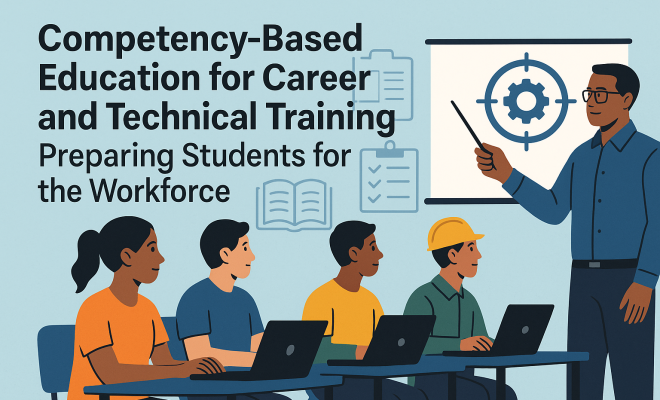
Competency-based education shifts the focus from time spent in the classroom to demonstrating mastery of specific skills and competencies. Unlike traditional education, where students progress based on seat time and course completion, CBE allows learners to advance upon mastering the material. This model caters to individual learning paces and needs, making it particularly effective in career and technical training.
Essentially, CBE is built around clearly defined outcomes. Each course or program lays out the specific competencies students must achieve, which could range from technical skills in trades like plumbing or electrical work to soft skills such as teamwork and communication. This clear framework not only aids instructors in assessing student progress but also helps learners understand exactly what is expected of them.
The Growing Importance of Career and Technical Education (CTE)
Career and technical education has gained traction in recent years as industries face a skills gap. According to a report from the National Center for Education Statistics, CTE programs now account for nearly 30% of all secondary school students in the U.S. With the growing emphasis on STEM (science, technology, engineering, and mathematics) fields, CTE is becoming a vital pathway for students seeking immediate employment after graduation.
The U.S. Bureau of Labor Statistics highlights that many of the fastest-growing occupations require postsecondary education, but not necessarily a traditional four-year degree. For instance, roles in healthcare, manufacturing, and information technology are often filled by individuals who have completed specific training programs, making CTE a crucial component of the educational landscape.
Core Components of Competency-Based Education
At the heart of competency-based education are several core components that distinguish it from traditional methods:
- Clear Learning Objectives: Each program outlines specific competencies students must master, ensuring transparency.
- Individualized Learning: Students progress at their own pace, allowing for differentiation based on skills and knowledge.
- Frequent Assessment: Regular evaluations are built into the learning process, providing ongoing feedback that is tied directly to competencies.
- Real-World Application: CBE emphasizes practical, hands-on experiences, ensuring that students can demonstrate their skills in a relevant context.
Benefits of Competency-Based Education in CTE
The advantages of implementing competency-based education in career and technical training are profound. Not only does it align educational outcomes with industry demands, but it also fosters a more engaged and motivated learner. Some of the key benefits include:
1. Tailored Learning Experiences
One of the standout features of CBE is its ability to offer tailored learning experiences. Each student comes with their own background, strengths, and weaknesses. CBE allows educators to tailor instruction to meet these diverse needs, ensuring that every student has the opportunity to succeed. For example, a student with prior experience in automotive repair can progress quickly through the theory portion of a CTE program, spending more time on hands-on practice.
2. Increased Job Readiness
With a focus on mastering specific job-related skills, students who complete CBE programs often find themselves more prepared for the workforce. Employers are increasingly looking for candidates who can hit the ground running, and competency-based programs equip students with the necessary skills, making them more attractive in the job market.
3. Flexibility in Learning
The flexibility of competency-based education is another significant advantage. Students can often take courses online, at their own pace, accommodating work and personal commitments. This flexibility is particularly beneficial for adult learners who may be balancing education with jobs or family responsibilities.
4. Enhanced Collaboration with Industry
Competency-based education fosters stronger partnerships between educational institutions and industry. By involving employers in the development of competencies, training programs can stay current with the needs of the job market. This collaboration ensures that the skills being taught are relevant and in demand, ultimately benefitting students as they transition into their careers. (See: Competency-Based Education Overview.)
Implementation Challenges
While the promise of competency-based education in career and technical training is compelling, implementing such programs is not without challenges. Educational institutions must navigate several hurdles to make CBE a reality:
1. Resistance to Change
Transitioning from a traditional educational model to a competency-based one can encounter resistance from educators and administrators who are accustomed to conventional teaching methods. This cultural shift requires a reevaluation of teaching practices, assessment methods, and curriculum development, which can be daunting.
2. Resources and Training
Developing and maintaining competency-based programs require adequate resources and training for faculty. Educators need to be equipped with the tools and skills to facilitate individualized learning and assessments. This might involve professional development workshops or even rethinking hiring practices to include instructors who are experienced in CBE.
3. Assessment Practices
Designing effective assessment methods that accurately measure student competencies can be complex. Standardized testing may not align well with the practical skills taught in CTE programs. Alternative assessment strategies, such as performance-based evaluations or project-based learning assessments, need to be developed and implemented.
Case Studies: Successful CBE Implementation in CTE
Several institutions have successfully integrated competency-based education into their career and technical training programs, showcasing its effectiveness:
1. Western Governors University (WGU)
Western Governors University is a pioneer in the CBE model, offering fully online degree programs that emphasize skill mastery. WGU’s approach allows students to advance through their coursework as soon as they demonstrate the required competencies. This model has shown success in fields such as information technology, business, and healthcare, with graduates reporting high employment rates.
2. The Community College of Denver
The Community College of Denver has implemented a CBE pilot program for its healthcare training courses. By aligning competencies with industry standards and involving local employers in the development process, the college has created responsive training that addresses workforce needs. Early results show improved student satisfaction and higher job placement rates.
3. Southern New Hampshire University (SNHU)
Southern New Hampshire University has also embraced CBE within its workforce programs. By allowing students to work on competencies related to their career goals, SNHU has created a more engaging learning environment. Students report feeling more prepared for their careers, and employers express satisfaction with the skill levels of new hires.
Future Trends in Competency-Based Education
As CBE continues to gain traction, several trends are emerging that could shape its future in career and technical education:
1. Increased Use of Technology
With advancements in educational technology, CBE programs are likely to incorporate more digital tools for assessment and instruction. Online platforms, simulations, and interactive learning modules can enhance the learning experience and provide more opportunities for skill practice.
2. Expanded Industry Partnerships
As the skills gap widens, there will likely be an increased emphasis on collaboration between educational institutions and industry. Partnerships could lead to internship opportunities, mentorship programs, and other initiatives that provide real-world experience for students.
3. Focus on Lifelong Learning
The concept of lifelong learning is becoming more critical as technology evolves and job requirements change. Competency-based education can adapt to this need by offering short courses or micro-credentials that allow individuals to upskill or reskill throughout their careers.
Conclusion: The Path Forward for Competency-Based Education in CTE
Competency-based education represents a pivotal shift in career and technical training, addressing the needs of today’s workforce while providing students with the skills they need to succeed. By prioritizing mastery over traditional metrics of success, CBE encourages personalized learning and enhances job readiness. As educational institutions continue to refine and implement competency-based approaches, the potential for improving workforce outcomes is significant. (See: Education and Workforce Development.)
Ultimately, the success of competency-based education in CTE will depend on collaboration among educators, industry leaders, and policymakers. By working together, we can ensure that the next generation of workers is equipped with the competencies necessary to thrive in an ever-changing job market.
Expanding the Scope of Competency-Based Education
As competency-based education continues to evolve, it’s important to explore its potential beyond traditional boundaries. CBE can be applied across various sectors, including healthcare, technology, and the arts. Each of these areas has unique demands that can benefit from a tailored learning approach. For instance, healthcare training programs can focus on patient interactions, technical skills, and ethical decision-making, all assessed through real-world scenarios to better prepare students for complex environments.
Statistics Supporting CBE Adoption
Data show a growing trend toward CBE, particularly in the context of workforce readiness. A report from the Competency-Based Education Network indicates that 77% of employers favor hiring graduates from competency-based programs due to their practical skill sets. Furthermore, students in CBE programs often complete their courses faster than their peers in traditional programs, with many finishing their degrees months earlier—leading to lower tuition costs and less student debt overall.
Case Study: The Impact of CBE on Adult Learners
In a study conducted by the Lumina Foundation, adult learners enrolled in competency-based programs reported significantly higher completion rates—up to 20% more than their counterparts in traditional settings. These learners appreciated the flexibility and the immediate applicability of skills learned, which translated directly into job performance improvements. Employers noted that these graduates required less training and adjusted more quickly to workplace expectations.
Expert Perspectives on CBE
Industry experts have also weighed in on the importance of competency-based education. Dr. John Dewey, a prominent advocate for experiential learning, emphasized the need for education to be relevant and applicable. “Students must engage with the material in a way that reflects real-world challenges,” he noted. This viewpoint aligns perfectly with the CBE model that emphasizes practical application alongside theoretical knowledge.
Additionally, Professor Linda Darling-Hammond, a leading education researcher, has highlighted the effectiveness of CBE in closing the skills gap. “CBE not only prepares students for the job market but also empowers them as lifelong learners,” she stated. This reflects the growing consensus among educators and industry leaders that CBE is not just a passing trend but a fundamental shift in how we approach education.
Frequently Asked Questions about Competency-Based Education
What is the main difference between traditional education and competency-based education?
The primary difference lies in the approach to learning. Traditional education often focuses on attendance and time spent in class, while competency-based education centers on mastering specific skills and knowledge, allowing students to progress at their own pace.
Who benefits the most from competency-based education?
CBE is particularly beneficial for non-traditional students, such as adults returning to education, students with prior experience in a field, and those balancing education with jobs or family. It caters to diverse learning styles and paces, making it an inclusive model.
How are competencies assessed in CBE programs?
Competencies are typically assessed through a combination of practical evaluations, performance tasks, and projects. This hands-on assessment approach ensures that students can demonstrate their skills in real-world contexts rather than relying solely on standardized testing.
Can competency-based education be implemented at all educational levels?
Yes, competency-based education can be tailored to suit various educational levels, from K-12 to higher education and vocational training. Institutions can adapt the CBE model to fit their specific goals and student needs.
What role do employers play in developing competency-based education programs?
Employers play a crucial role in the development of competencies by providing input on the skills needed in the workforce. Collaboration between educational institutions and industry ensures that training programs align with current job market demands, making students more employable upon graduation. (See: Learning and Education Research.)
Are there limitations to competency-based education?
While CBE has many advantages, challenges such as resistance to change, resource allocation, and designing effective assessment methods can pose limitations. Institutions must be prepared to address these challenges to successfully implement CBE programs.
The Future of Competency-Based Education
The future of competency-based education looks promising as it evolves to meet the needs of an increasingly complex job market. The integration of advanced technologies, such as artificial intelligence and data analytics, could further enhance personalized learning experiences. Imagine a CBE program that adapts in real-time based on a student’s performance, providing targeted interventions and resources tailored to their learning journey.
In addition, as globalization continues to shape industries, CBE can facilitate cross-border education and skills recognition, making it easier for students to validate their competencies internationally. This adaptability not only empowers students but also enhances economic competitiveness by ensuring a skilled workforce ready to meet global challenges.
Enhancing Engagement in CBE
One of the key elements of a successful competency-based education program is engagement. Research indicates that students who are actively engaged in their learning tend to achieve better outcomes. To enhance engagement in CBE, institutions can implement strategies like gamification, where learning modules are structured like games, rewarding students for completing tasks and mastering competencies. This approach not only makes learning more enjoyable but also motivates students to take ownership of their educational journey.
Another way to foster engagement is through peer collaboration. Creating opportunities for students to work together on projects or assessments allows them to share knowledge and learn from one another. This collaborative environment can lead to deeper understanding and retention of material, as students explain concepts to their peers and tackle challenges collectively.
Long-Term Impacts of CBE on Workforce Development
The long-term impacts of competency-based education extend beyond individual student success. By aligning educational practices with the real-world skills that employers seek, CBE has the potential to reshape workforce development on a larger scale. When educational institutions adopt CBE principles, they not only prepare students for immediate employment but also equip them with the lifelong learning skills necessary to adapt to future job market changes.
This shift could lead to a more resilient workforce capable of responding to technological advancements and evolving industry demands. As CBE becomes more prevalent, we may see a decrease in the skills gap that currently plagues many sectors, resulting in a more efficient labor market and enhanced economic growth.
Conclusion: Embracing the Future of Competency-Based Education
Competency-based education is a transformative approach that not only addresses the skills gap in today’s workforce but also prepares students for a rapidly changing world. As we embrace CBE, it’s essential to continue exploring innovative strategies, fostering industry partnerships, and leveraging technology to enhance the learning experience. By doing so, we can create a robust educational framework that empowers students and meets the needs of employers, ultimately leading to a stronger economy and a more skilled workforce.
“`
Trending Now
Frequently Asked Questions
What is competency-based education?
Competency-based education (CBE) is an educational approach that focuses on students demonstrating mastery of specific skills and competencies rather than simply completing course hours. This model allows learners to progress at their own pace, making it especially effective for career and technical training.
How does competency-based education benefit students?
CBE benefits students by enabling them to focus on mastering essential skills required for their chosen careers. This personalized learning approach caters to individual needs and paces, helping students gain practical experience that employers value in the job market.
Why is career and technical education important?
Career and technical education (CTE) is crucial as it addresses the skills gap in various industries. With an increasing demand for skilled labor, CTE provides students with the necessary training and competencies to secure employment immediately after graduation.
What are the outcomes of competency-based education?
The outcomes of competency-based education include clearly defined skills and knowledge that students must achieve. This structured framework helps instructors assess progress effectively and ensures that learners understand the expectations for their career readiness.
How does CTE relate to STEM fields?
Career and technical education (CTE) is increasingly aligned with STEM fields as industries seek skilled workers in science, technology, engineering, and mathematics. CTE programs prepare students for high-demand jobs in these areas, making them vital pathways for employment.
What did we miss? Let us know in the comments and join the conversation.