Mastering Self-Care: The Power of Fine Motor Skills
“`html
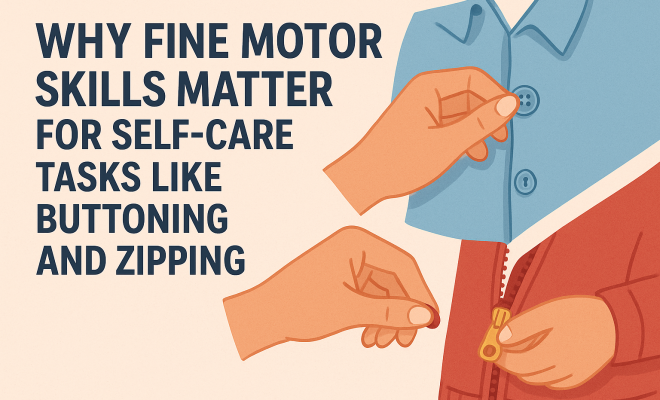
Fine motor skills are crucial for performing everyday tasks, yet their significance often goes unnoticed until challenges arise. Activities like buttoning a shirt, zipping a jacket, or tying shoelaces hinge on these delicate movements. Understanding the importance of fine motor skills in self-care is not just about physical ability; it’s about fostering independence and confidence in individuals, especially children and those with disabilities. In this article, we’ll explore why fine motor skills matter, how they develop, and practical ways to improve them for effective self-care.
What Are Fine Motor Skills?
Fine motor skills refer to the small movements of the hands, fingers, and wrists, which enable individuals to perform intricate tasks. These skills involve coordination and precision, allowing for functions such as grasping, manipulating objects, and making precise movements.
From a biological perspective, fine motor skills emerge from a complex interplay between cognitive development, sensory perception, and physical practice. Infants start developing these skills as they learn to grasp toys, while toddlers refine them through activities like stacking blocks or scribbling with crayons. By the time children reach preschool, they should be capable of performing basic self-care tasks, thanks to their growing fine motor skills.
The Developmental Stages of Fine Motor Skills
Understanding the stages through which fine motor skills progress can help caregivers foster these abilities effectively. Here are the stages:
- Infancy (0-12 months): Infants begin with reflexive grasping. As they mature, they learn to intentionally grasp and manipulate objects.
- Early Childhood (1-3 years): Toddlers start using their fingers to explore their environment. Skills such as pointing and holding objects become more refined.
- Preschool (3-5 years): At this stage, children should be able to perform more complex tasks, such as using scissors, turning pages, and beginning to dress themselves.
- School Age (6-12 years): Fine motor skills continue to improve with activities like writing, drawing, and using utensils during mealtime.
Each of these stages builds on the previous one, emphasizing the critical nature of fine motor skill development during early years. Delays in acquiring these skills can affect a child’s ability to perform daily self-care tasks.
Why Fine Motor Skills Matter for Self-Care Tasks
Self-care tasks such as buttoning shirts, zipping coats, or tying shoes may seem mundane, but they are essential for fostering independence. Here are some key reasons why fine motor skills are vital for self-care:
- Independence: Mastering self-care tasks allows individuals, particularly children, to take control over their personal appearance and hygiene. This independence fosters self-esteem and confidence.
- Self-Expression: The ability to dress oneself enables personal expression, allowing individuals to choose their clothing based on preferences rather than relying on others.
- Social Interaction: Being able to perform self-care tasks can enhance social interactions, as children are more likely to join peers in activities without assistance.
- Preparation for School: Fine motor skills are essential for school readiness. Children who can button, zip, and tie can better manage themselves during school hours.
Each of these points highlights the importance of fine motor skills in not only achieving physical independence but also enhancing emotional and social development.
Challenges in Fine Motor Skill Development
While most children develop fine motor skills at a normal pace, some face challenges that can hinder their ability to perform self-care tasks. Conditions such as:
- Developmental Coordination Disorder (DCD): Children with DCD may struggle with coordination and may appear clumsy, affecting their ability to perform fine motor tasks.
- Autism Spectrum Disorder: Some children on the spectrum may experience difficulties with fine motor skills alongside other challenges.
- Neurological Disorders: Conditions like cerebral palsy can affect muscle control, leading to difficulties in performing self-care tasks.
If a child is facing challenges, early intervention is key. Occupational therapy can be instrumental in developing fine motor skills, allowing children to overcome hurdles and gain independence.
Practical Strategies to Enhance Fine Motor Skills
Parents, educators, and caregivers can adopt various strategies to help enhance fine motor skills. Here are some practical activities: (See: CDC milestones for child development.)
- Art Projects: Activities like painting, drawing, and crafting allow children to practice their grip and coordination. Working with different materials can enhance tactile sensitivity.
- Puzzles and Building Blocks: Manipulating pieces requires precision and improves hand-eye coordination. Choose puzzles that are age-appropriate to maintain engagement.
- Cooking and Baking: Involving children in kitchen tasks such as stirring, pouring, and kneading can be fun and beneficial for fine motor development.
- Everyday Tasks: Encourage children to participate in self-care tasks like dressing, brushing teeth, and washing hands. Provide guidance but allow them to try independently.
Incorporating these activities into daily routines not only aids in developing fine motor skills but also makes learning enjoyable.
The Role of Technology in Fine Motor Skills Development
In today’s digital era, technology can play a dual role in enhancing fine motor skills. While excessive screen time can impede physical development, certain applications and games are designed specifically to improve these skills.
Interactive games that require tapping, dragging, or drawing can help refine hand-eye coordination and dexterity. Apps that promote creativity, such as digital drawing tools, encourage children to express themselves while practicing fine motor skills. However, balance is essential; physical activities should not be neglected in favor of screen time.
Fine Motor Skills Across the Lifespan
While fine motor skills are especially critical in childhood, they remain important throughout life. Adults rely on these skills for various tasks, from typing on a keyboard to performing intricate repairs.
As we age, maintaining fine motor skills becomes even more relevant. Conditions such as arthritis or neurological diseases can impact dexterity, which makes activities like buttoning shirts and zipping pants challenging. Engaging in activities that promote fine motor skills can help mitigate these issues, ensuring individuals retain their independence as they age.
Educational Implications of Fine Motor Skills
Educators play a vital role in promoting fine motor skills, especially in preschool and early elementary settings. Incorporating activities that develop these skills into the curriculum can enhance student readiness for academic challenges.
Teachers can employ various techniques to promote fine motor skills, such as integrating arts and crafts into lessons, using manipulatives for math, and encouraging writing exercises. By fostering an environment that values fine motor skill development, schools can help children build a strong foundation for future success.
The Future of Fine Motor Skills Education
As awareness of the importance of fine motor skills grows, so does the need for resources and training for educators and parents. Programs focusing on fine motor skill development should be integrated into early childhood education to ensure children are equipped with the necessary skills for self-care.
Furthermore, ongoing research into the neurological aspects of fine motor skills can shed light on effective teaching methods and interventions. As we understand more about the brain’s plasticity and how fine motor skills develop, we can better support individuals at all stages of life.
Common Myths About Fine Motor Skills
There are several misconceptions surrounding fine motor skills development. Addressing these myths helps parents and educators understand the importance of nurturing these skills:
- Myth 1: Fine motor skills are only important for young children. While fine motor skills are crucial during early development, they continue to be important throughout life, affecting daily tasks in adulthood.
- Myth 2: Handwriting is the only way to develop fine motor skills. While writing is a significant activity, many other tasks, like using utensils or playing with small toys, also enhance these skills.
- Myth 3: Children will naturally develop these skills without intervention. While some children might develop fine motor skills without specific guidance, many benefit from structured activities and support to enhance their abilities.
Real-Life Examples of Fine Motor Skills in Action
To truly understand the importance of fine motor skills, consider a few real-life scenarios: (See: NIH resources on learning and development.)
- A Child Learning to Write: When a child first learns to write, they engage numerous fine motor skills, from holding a pencil correctly to controlling the pressure while making strokes. This process not only improves their writing but also enhances their overall dexterity.
- An Adult Performing Surgery: Surgeons rely heavily on fine motor skills and precision. Their ability to perform intricate procedures demands exceptional hand-eye coordination and steady hands, developed through years of practice.
- A Chef Decorating a Cake: In the culinary world, fine motor skills play a significant role. A chef typically employs their dexterity to decorate cakes, slice ingredients, and present dishes beautifully, showcasing their artistry and skill.
Statistics on Fine Motor Skills Development
Understanding the statistics surrounding fine motor skills can provide valuable insights into their importance:
- According to studies, approximately 10% of children experience significant challenges with fine motor skills, which can impact their academic performance and social interactions.
- Research indicates that children who engage in fine motor skill activities for at least 30 minutes a day show a notable improvement in their hand-eye coordination and dexterity.
- Approximately 70% of kindergarten teachers report that fine motor skills are essential for a child’s ability to successfully engage in classroom activities.
Expert Perspectives on Enhancing Fine Motor Skills
Experts in child development and occupational therapy emphasize the importance of enhancing fine motor skills from an early age. Dr. Emily Johnson, a pediatric occupational therapist, notes, “Early intervention is key. Children who have a strong foundation in fine motor skills are more likely to succeed academically and socially.”
Furthermore, educational psychologist, Dr. Mark Thompson, highlights, “Incorporating play-based learning can significantly boost fine motor skills. Activities should be fun, engaging, and varied to ensure children remain interested and motivated.”
Frequently Asked Questions About Fine Motor Skills
Here are some common questions parents and educators have about fine motor skills:
1. At what age should my child start developing fine motor skills?
Fine motor skills begin developing in infancy as babies grasp objects. However, significant development occurs between ages 1 and 5, with children refining these skills through various activities.
2. How can I tell if my child is struggling with fine motor skills?
Signs may include difficulty holding a pencil, trouble with buttons or zippers, avoiding tasks that require hand coordination, or appearing clumsy. If concerned, consult with a pediatrician or occupational therapist.
3. Are there specific toys that help improve fine motor skills?
Yes! Toys like building blocks, puzzles, craft kits, and even simple household items like buttons or jars can all help improve fine motor skills. Look for toys that encourage grasping, manipulation, and coordination.
4. Can fine motor skills be improved in adults?
Absolutely! Activities such as knitting, playing musical instruments, or engaging in hobbies like model building can help improve fine motor skills at any age.
5. What role do sensory activities play in developing fine motor skills?
Sensory activities, like playing with playdough or sand, enhance tactile sensitivity and encourage exploration. These activities are crucial for developing fine motor skills as they require precise movements and coordination.
Additional Strategies for Fine Motor Skill Development
Besides the activities mentioned, there are countless creative ways to enhance fine motor skills. Here are more strategies to incorporate into daily life: (See: WHO fact sheet on child development.)
- Gardening: Involving children in gardening tasks like planting seeds, watering plants, and pulling weeds can significantly enhance their hand strength and coordination.
- Beading and Jewelry Making: Stringing beads onto a necklace or bracelet involves precise movements and can be both a fun and creative outlet for children.
- Board Games and Card Games: Playing games that require handling cards or game pieces can improve dexterity while also encouraging social interaction and strategic thinking.
- Origami: This art of paper folding requires careful hand control and can help improve fine motor skills while also fostering creativity.
The Importance of Play in Developing Fine Motor Skills
Play is often touted as the most effective way for children to learn, and this holds true for fine motor skill development. Through play, children engage in activities that necessitate the use of their fine motor skills, often without realizing they’re learning.
For instance, simple activities like playing with clay or using tweezers to move small objects develop not only fine motor skills but also cognitive skills. The process of solving problems during play, such as figuring out how to stack blocks or complete a puzzle, reinforces both fine motor and critical thinking abilities. It’s essential for caregivers to create play opportunities that challenge children while still being enjoyable.
Using Fine Motor Skills for Emotional Expression
Interestingly, fine motor skills also play a crucial role in emotional expression. Engaging in creative activities, such as drawing or crafting, allows children to express their feelings. This is particularly beneficial for children who may struggle to articulate their emotions verbally.
Art therapy is one approach that harnesses fine motor skills as a means of emotional expression. Children can use various materials and techniques to create art that reflects their inner thoughts and feelings. This not only aids in fine motor development but also provides a valuable outlet for emotional release, helping to foster resilience and coping skills.
Long-Term Benefits of Strong Fine Motor Skills
A strong foundation in fine motor skills can positively impact various aspects of life. Studies have shown that children with better-developed fine motor skills tend to perform better academically, particularly in subjects requiring writing and mathematical skills. These skills also translate into adult life, where precision and dexterity are essential for many jobs, including those in healthcare, engineering, and the arts.
Moreover, having good fine motor skills can influence personal wellbeing and self-esteem. Individuals who can perform self-care tasks confidently are more likely to feel competent and independent, which can lead to improved mental health outcomes.
Conclusion
Fine motor skills play a crucial role in self-care tasks, significantly impacting one’s independence and quality of life. From children mastering buttoning shirts to adults maintaining dexterity, these skills are foundational for everyday functioning. By recognizing their importance and implementing practical strategies for development, we can empower individuals to take charge of their self-care and enhance their confidence. Whether through play, education, or targeted interventions, nurturing fine motor skills is an investment in the future, ensuring that everyone can confidently navigate their daily tasks.
“`
Trending Now
- this guide on what they forgot to include in my education degree
- “The Three Core Considerations of DAP: Age, Individual, and Cultural Appropriateness”
- this guide on “why neuroscientists say learning styles theory lacks scientific evidence”
- the complete explanation
Frequently Asked Questions
Why are fine motor skills important for children?
Fine motor skills are essential for children as they enable them to perform everyday tasks like buttoning shirts and zipping jackets. These skills foster independence and confidence, allowing children to engage in self-care activities effectively and enhance their overall development.
What activities improve fine motor skills in toddlers?
Activities such as stacking blocks, using crayons for drawing, and playing with toys that require manipulation can significantly improve fine motor skills in toddlers. These playful tasks encourage hand-eye coordination and dexterity, essential for more complex self-care tasks later on.
How do fine motor skills develop in infants?
Fine motor skills in infants develop through a combination of reflexive grasping and intentional manipulation. As they grow, infants learn to grab and explore objects, which lays the foundation for more complex movements and skills that are crucial for self-care.
What are some examples of fine motor skills?
Examples of fine motor skills include grasping small objects, buttoning shirts, zipping jackets, tying shoelaces, and using scissors. These skills involve precise movements and coordination of the hands and fingers, which are vital for completing daily self-care tasks.
At what age should children learn self-care skills?
Children typically start learning basic self-care skills around preschool age (3-5 years). By this stage, they should be capable of performing tasks like buttoning and zipping with improved fine motor skills, which are developed through play and practice.
Have you experienced this yourself? We’d love to hear your story in the comments.