Gross Motor Skills: Boosting Learning & Academic Success
“`html
Understanding Gross Motor Skills
Gross motor skills refer to the large muscle movements that enable activities such as walking, running, jumping, and climbing. These movements are crucial for physical development and foundational to children’s overall growth. In the early years of life, children engage in activities that develop these skills, forming a basis not only for physical capabilities but also for cognitive and social skills. As children navigate their world, they refine their gross motor skills through play and active exploration.
The Connection Between Gross Motor Skills and Learning
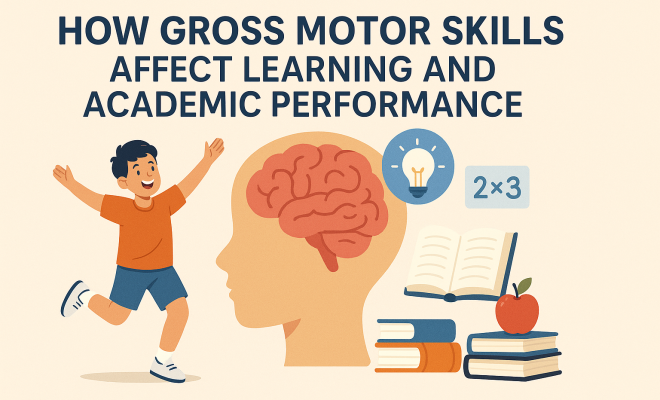
Recent research emphasizes the importance of gross motor skills in relation to learning and academic performance. Many educators and child development experts are now recognizing that physical activities do more than enhance fitness; they play a significant role in cognitive development. Engaging in activities that promote gross motor skills can lead to improved concentration, better memory, and enhanced problem-solving abilities.
Studies show a clear correlation between gross motor skills and academic success. For instance, children with well-developed gross motor skills tend to perform better in tasks requiring focus and attention. This is likely due to the neurological connections that are established through movement, which in turn aid in learning processes. When children participate in physical activities, their brains release neurotransmitters that stimulate brain function.
Key Areas of Impact
There are several areas where gross motor skills impact learning:
- Cognitive Development: Physical activities stimulate brain development, leading to superior cognitive function.
- Social Skills: Activities that involve movement often require teamwork, helping children learn to communicate and collaborate.
- Emotional Regulation: Physical exercise has been shown to reduce anxiety and improve mood, allowing children to focus better in academic settings.
- Spatial Awareness: Developing gross motor skills helps children understand their physical space, which is essential for subjects like math and science.
Gross Motor Skills and Learning in Early Childhood Education
In early childhood education settings, integrating gross motor activities into the curriculum is vital. Schools that prioritize physical play and movement in their daily schedules often see marked improvements in student outcomes. For example, incorporating movement-based learning strategies such as dance, obstacle courses, or active games can lead to enhanced engagement and retention of information.
Programs like movement breaks during lessons can help children refocus and reduce restlessness, ultimately leading to a better learning environment. Teachers who are aware of the connection between gross motor skills and learning can design more effective lessons that facilitate physical activity, resulting in greater overall academic success.
The Role of Play in Developing Gross Motor Skills
Play is a natural method for children to develop gross motor skills. Activities like climbing on playground equipment, running, or engaging in sports all contribute to the improvement of these skills. Through play, children practice coordination, balance, and strength in a fun and engaging manner, which enhances their physical capabilities.
Moreover, play-based learning encourages creativity and problem-solving. For instance, when children attempt to navigate an obstacle course, they must think critically about how to overcome each challenge, which promotes cognitive skills alongside physical development. This dual benefit of play reinforces the idea that gross motor skills and learning are intricately linked.
Strategies to Enhance Gross Motor Skills in Learning Environments
Schools and parents can employ several strategies to enhance gross motor skills among children:
- Incorporate Movement into Lessons: Use active teaching methods that involve movement, such as standing while reciting, using gestures during storytelling, or integrating physical activities related to the subject matter.
- Encourage Outdoor Play: Provide ample opportunities for children to play outside, engaging in activities that promote movement, such as tag, jump rope, or organized sports.
- Create a Movement-Friendly Classroom: Arrange classrooms to include space for movement, such as allowing children to stand at desks or creating areas for active learning.
- Promote Structured Physical Activities: Introduce organized physical activities like dance, gymnastics, or martial arts that focus on developing gross motor skills while also fostering social interaction.
Challenges Facing Gross Motor Development
Despite the known benefits, many children today face challenges that impede their gross motor development. With the rise of technology and screen time, children are often spending less time engaging in physical play. This shift can lead to a decrease in physical activity, resulting in underdeveloped gross motor skills.
Moreover, societal factors such as reduced access to safe play areas and organized sports can further exacerbate these challenges. It’s crucial for parents and educators to recognize these barriers and advocate for more opportunities for children to engage in physical activity. (See: CDC on gross motor skills.)
Current Research and Trends
Recent studies continue to explore the connection between gross motor skills and learning, revealing intriguing findings. For instance, research published in the journal Developmental Psychology suggests that children who participate in more physically active play exhibit better executive function skills, which are essential for academic performance.
Additionally, trends in educational settings are shifting towards incorporating physical activity into the academic curriculum. Programs that focus on “active classrooms” are emerging, where students take part in movement-based learning, reinforcing the idea that physical activity is not just beneficial but essential for learning.
The Long-Term Benefits of Strong Gross Motor Skills
Developing gross motor skills in early childhood can have lasting effects on children’s academic performance throughout their educational journey and beyond. Children who possess strong gross motor skills often carry these benefits into adulthood, leading to improved health outcomes and better job performance.
Moreover, the social skills developed through physical play—cooperation, communication, and empathy—can serve children well as they transition into higher grades and the workforce. This demonstrates that the impact of gross motor skills extends far beyond the playground.
Gross Motor Skills and Learning Across Different Age Groups
While gross motor skills are vital during early childhood, their importance extends to various age groups. For instance, in preschool, children engage in activities that lay the groundwork for future physical and cognitive success. Those who master skills like throwing, catching, and balancing at this age are more likely to excel in later academic pursuits.
As children progress into elementary school, gross motor skills continue to play a crucial role. Activities like sports, dance, or even simple recess games enhance their physical abilities and provide social interaction opportunities, which are essential for emotional and mental health. Studies indicate that children who participate in physical education are more likely to maintain a positive attitude toward school, resulting in better grades.
In middle and high school, the focus may shift slightly, but gross motor skills still influence learning. Students involved in sports or physical activities typically demonstrate improved time management skills and the ability to work as part of a team. They also tend to have better stress management techniques due to the physical outlet that sports provide.
Expert Perspectives on Gross Motor Skills and Learning
Experts in child development emphasize the critical link between gross motor skills and learning. Dr. Angela B. Burch, a renowned child psychologist, suggests that “physical activity is not just about fitness; it’s about brain development and cognitive growth.” She points out that children who engage in regular physical activity show improved executive functions, which are crucial for tasks such as planning and decision-making.
Similarly, Dr. Michael Green, a pediatric physiotherapist, highlights that “the development of gross motor skills is foundational to how children experience the world. If they cannot move freely, their opportunities to learn are restricted.” His research shows a direct connection between mobility and cognitive skills, emphasizing that children who develop strong gross motor skills tend to score higher on standardized tests.
Case Studies: Successful Integration of Gross Motor Skill Development in Education
Several schools have successfully integrated gross motor skill development into their curriculums, leading to improved academic performance. One such example is a public elementary school in California that introduced a program combining physical activities with core subjects like math and science.
In this program, teachers used movement to teach mathematical concepts. For instance, students would use hula hoops to represent numbers, jumping in and out of them to practice addition and subtraction. This creative approach not only made learning fun but also improved students’ overall physical fitness and engagement levels, leading to higher test scores.
Another notable case is a charter school in New York that incorporates dance and movement into its daily routine. The school reports that students involved in the program exhibit better focus, increased participation in class discussions, and improved social skills, demonstrating how effectively gross motor skills influence learning outcomes.
Tips for Parents to Support Gross Motor Skills Development
Parents play a crucial role in supporting their children’s gross motor skills development. Here are some practical tips to encourage physical activity at home: (See: NIH on gross motor development.)
- Limit Screen Time: Encourage children to replace some screen time with active play. Set specific limits on daily screen time and provide alternatives like outdoor games or family exercise sessions.
- Create a Playful Environment: Designate safe areas in your home or yard for physical play. Having space to run, jump, or climb can motivate children to engage in movement.
- Join in the Fun: Participate in physical activities with your children. Whether it’s biking, hiking, or playing a sport, your involvement can encourage them to stay active and enjoy movement.
- Encourage Group Activities: Sign your child up for sports teams, dance classes, or community programs that promote physical activity and social interaction.
FAQ about Gross Motor Skills and Learning
What are gross motor skills?
Gross motor skills are the abilities that enable large muscle movements, such as running, jumping, and climbing. They are crucial for physical development and impact other areas of learning.
How do gross motor skills affect learning?
Gross motor skills contribute to cognitive development, social skills, and emotional regulation, all of which play a significant role in a child’s ability to learn effectively.
At what age should gross motor skills be developed?
Gross motor skills develop from infancy through early childhood, but they continue to be important throughout later childhood and into adolescence.
Can gross motor skills be improved?
Yes, gross motor skills can be improved through various physical activities and exercises. Consistent practice, along with structured physical education, can enhance these skills.
What activities can help improve gross motor skills?
Activities such as running, jumping, climbing, dancing, playing sports, and engaging in outdoor play are effective for improving gross motor skills.
How can schools support gross motor skills development?
Schools can incorporate physical activities into their curriculum, provide structured recess time, and create movement-friendly learning environments that promote active participation.
The Importance of Context in Gross Motor Skill Development
Understanding the context in which gross motor skills develop is crucial. These skills can vary significantly based on environmental factors, cultural practices, and socioeconomic status. For instance, children raised in urban settings might have limited access to parks or open spaces, impacting their opportunities for outdoor play. On the other hand, kids in rural areas may have more opportunities to engage in physical activities in natural settings but might lack structured sports programs.
Furthermore, cultural attitudes towards play and physical activity can also influence children’s development. In some cultures, physical activity is prioritized as an essential part of daily life, while in others, academic achievement may overshadow the importance of play, leading to imbalances in development.
Recognizing these contextual factors can help educators and parents tailor interventions and support systems that are more effective for the children they serve. By addressing these nuances, we can create a more equitable landscape for all children to develop their gross motor skills.
Longitudinal Studies on Gross Motor Skills and Academic Achievement
Longitudinal studies have shed light on the long-term relationship between gross motor skills and academic achievement. For instance, research has tracked children from preschool through high school, measuring their physical abilities alongside academic performance over the years. Findings indicate that children with better gross motor skills in early childhood tend to have higher academic performance levels in later years.
In a study published in the Journal of Educational Psychology, researchers found that children aged 4-5 who engaged in regular physical activity scored better in reading and math assessments by the time they reached third grade. The study suggests that early investment in gross motor skill development not only benefits physical health but also lays the groundwork for future academic success.
Such insights reinforce the notion that prioritizing physical development in early education can be a strategic move for enhancing overall academic performance, encouraging schools to integrate physical education into their core curriculum.
Using Technology to Support Gross Motor Skills Development
While excessive screen time is often criticized, technology can also play a positive role in supporting gross motor skill development. There are various applications and video games designed to promote physical activity, encouraging children to move while engaging in digital play. Motion-sensing games and augmented reality applications, for instance, require players to use their bodies actively, combining the fun of gaming with physical activity.
Additionally, educational apps that incorporate movement-based learning can be used in classrooms to create interactive lessons. These tools can help bridge the gap between technology and physical activity, making learning more dynamic and engaging. However, it’s crucial to balance these digital strategies with traditional physical activities and outdoor play to ensure holistic development.
Building a Community Approach to Gross Motor Skills Development
A community-wide approach to gross motor skills development can create a supportive network for children and families. Local governments, schools, and community organizations can collaborate to enhance access to safe play areas, organize community sports events, and provide resources for families to encourage physical activity.
For example, community centers can offer free or low-cost classes focused on physical activities for children and their families. Initiating “family fitness days” can also encourage parents to engage with their children in fun ways that promote physical health and social interaction.
By fostering a community that values and promotes physical activity, we can create an environment where children feel supported and motivated to enhance their gross motor skills, leading to further educational success.
Conclusion: The Path Forward
Understanding the relationship between gross motor skills and learning is crucial for parents, educators, and policy-makers alike. By prioritizing gross motor development through active play and structured physical activities, we can create a generation of learners who are not only physically fit but also mentally agile. As we move forward, it’s essential to advocate for educational policies that recognize the importance of physical development in fostering academic success.
Encouraging collaboration between schools, families, and communities will be key in addressing the challenges surrounding gross motor skill development. With the right support and resources, we can ensure that all children have the opportunity to thrive in both physical and academic arenas, paving the way for a healthier, more successful future.
“`
Trending Now
Frequently Asked Questions
How do gross motor skills affect learning?
Gross motor skills significantly impact learning by enhancing cognitive functions such as concentration, memory, and problem-solving abilities. Engaging in physical activities helps children develop these skills, which in turn stimulates brain function and aids in academic performance.
What are examples of gross motor skills?
Examples of gross motor skills include walking, running, jumping, climbing, and other large muscle movements. These activities are essential for children's physical development and help them explore their environment while refining their coordination and balance.
Why are gross motor skills important for children?
Gross motor skills are crucial for children's overall growth as they not only support physical development but also enhance cognitive and social skills. Strong gross motor skills contribute to better academic performance and emotional regulation, laying a foundation for lifelong learning.
Can physical activity improve academic performance?
Yes, physical activity can improve academic performance. Research shows that children with well-developed gross motor skills tend to perform better in school due to enhanced focus, memory, and problem-solving skills, all stimulated by physical engagement.
How can parents help develop gross motor skills?
Parents can help develop gross motor skills by encouraging outdoor play, providing opportunities for physical activities like sports or games, and engaging in activities that involve movement. This active exploration is essential for refining coordination and building confidence in physical abilities.
Have you experienced this yourself? We’d love to hear your story in the comments.