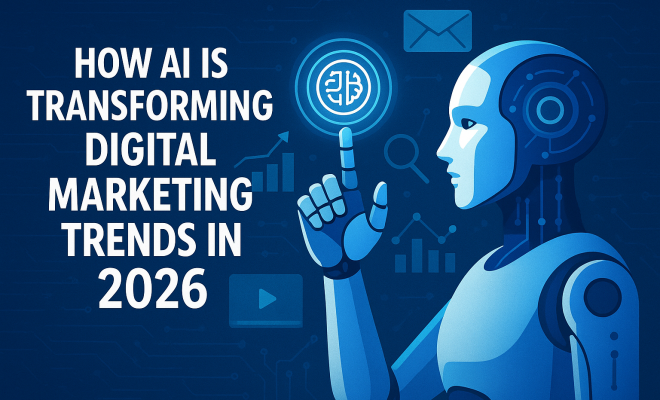
How AI is Transforming Digital Marketing Trends in 2026
“`html
Introduction: The New Face of Digital Marketing
As we step into the second half of 2026, the landscape of digital marketing continues to evolve at a dizzying pace. The recent May core update from Google has brought about significant changes in search behavior, heralding a new era for marketers. This article will explore the pivotal digital marketing trends 2026 that are reshaping strategies and demanding a fresh approach to online engagement.
The Impact of Google’s May Core Update
Google’s core updates traditionally serve as a wake-up call for marketers, and the May update of 2026 is no exception. This update has led to a substantial increase in AI-driven search results, which are increasingly able to answer user queries directly without requiring them to click through to a website. For businesses that rely heavily on organic traffic, this presents a significant challenge. While the essence of search engine optimization (SEO) has always been to drive traffic to your site, this new dynamic, where simple queries yield instant answers, threatens to undermine traditional traffic models.
In the past, marketers would focus on optimizing their content to rank higher in search results, but with AI tools like ChatGPT providing instant answers, the game has shifted. Marketers are now grappling with the need to adapt their strategies quickly to sustain their online visibility.
ChatGPT Referral Growth: A Game-Changer
One of the most notable changes in 2026 is the surge in referrals from AI tools like ChatGPT. Data from the first year of AI Mode suggests that users are increasingly turning to conversational AI for their queries, resulting in a dramatic increase in traffic coming from these platforms. This shift indicates a growing reliance on AI for information gathering, which presents both challenges and opportunities for digital marketers.
As users become more accustomed to receiving immediate responses from AI, businesses must find ways to integrate their content with these platforms. Ensuring that content is not only well-optimized for search engines but also able to be effectively summarized and presented by AI will be key. Marketers need to reconsider how they approach content creation; it’s no longer just about ranking high but also about being concise and informative enough to be captured by AI tools.
The Panic Among Marketers: Need to Know
The introduction of AI-driven search results has triggered a palpable sense of urgency within the marketing community. Many businesses that have relied on organic search for traffic are now facing a crisis of confidence. The fear of missing out (FOMO) on vital strategy shifts is palpable; marketers are scrambling to understand how to adapt their tactics to this emergent reality.
This emotional response stems from the realization that traditional SEO methods may no longer be sufficient. Businesses that have invested heavily in keyword research and content marketing are now questioning the efficacy of their strategies as AI continues to reshape the search landscape.
Counterintuitive Findings: Quality Over Quantity
Despite the upheaval caused by AI, some counterintuitive findings have emerged that may provide a glimmer of hope for marketers. Surprisingly, well-researched content that targets specific SEO keywords has shown a tendency to rank higher even amid the rise of AI-generated summaries. This suggests that quality content still holds significant value, despite the changes in how users interact with search engines.
Marketers should consider focusing on crafting in-depth, valuable content that answers complex questions. While AI may handle simple queries, human-generated content that delves deeper can still attract a dedicated audience. This approach not only establishes authority in a niche but also positions brands as thought leaders, something that AI cannot replicate.
The Shift from Quantity to Quality Traffic
In the evolving digital landscape, there’s a noticeable shift from quantity to quality traffic. Marketers are beginning to realize that attracting users who are genuinely interested in their content is far more beneficial than simply chasing high numbers in traffic analytics.
As AI becomes more integrated into search behaviors, targeting audiences effectively becomes paramount. Understanding what your key audience is searching for and how they frame their questions can aid in creating content that genuinely fulfills their needs. This targeted approach in content creation can result in higher engagement rates and more meaningful interactions, ultimately driving conversions. (See: CDC – Digital Marketing Trends.)
Emerging Tools and Techniques for Digital Marketing
In response to these seismic shifts, several emerging tools and techniques are gaining traction in the digital marketing sphere. From AI-driven analytics platforms to advanced SEO tools that monitor changes in search behavior, marketers are arming themselves with new resources to stay ahead.
For instance, platforms that leverage machine learning can analyze vast datasets to uncover trends in user behavior, allowing marketers to adjust their strategies in real-time. Understanding user intent is more critical than ever, and brands must utilize these tools to glean insights that can inform their content strategies.
- AI-Powered Content Creation Tools: Marketers are using AI to generate content drafts and ideas, allowing for a more efficient workflow.
- Enhanced Customer Personalization: Utilizing AI for hyper-personalization of marketing messages can improve engagement and conversion rates.
- Real-Time Analytics: Implementing tools that provide real-time feedback on content performance can help marketers pivot strategies quickly.
The Importance of Adapting to New Trends
Adapting to digital marketing trends 2026 is not an option; it’s a necessity. As AI continues to evolve, so too must the strategies that marketers employ. Embracing these changes can lead to innovative practices that enhance brand visibility and foster customer loyalty.
This willingness to adapt can distinguish successful brands from those that fall behind. Companies that invest in training their teams to understand and leverage AI-driven tools will be better positioned to navigate the complexities of the future digital marketing landscape.
What Lies Ahead: Predictions for the Future
Looking ahead, it’s clear that the integration of AI into digital marketing will only deepen. As technology continues to develop, we can anticipate further changes in how consumers interact with brands online. Here are a few predictions for the coming years:
- Increased Use of Voice Search: With advancements in natural language processing, more users will turn to voice searches, necessitating optimization for conversational queries.
- Greater Emphasis on Visual Content: As users become more visually oriented, marketers will need to incorporate more infographics, videos, and other visual elements into their strategies.
- AI-Enhanced Customer Service: Expect to see a significant rise in AI chatbots and virtual assistants, providing real-time support and enhancing user experiences.
Key Digital Marketing Trends for 2026
As we navigate the complexities of the digital marketing landscape, several key trends are beginning to shape the strategies that brands utilize. Understanding these trends is crucial for marketers looking to stay relevant and competitive.
1. The Rise of Augmented Reality (AR) and Virtual Reality (VR)
With the technological advancements in AR and VR, brands are discovering new ways to engage consumers. These immersive experiences allow customers to interact with products in a virtual environment, enhancing their buying journey. For instance, retailers like IKEA have utilized AR to show customers how furniture would look in their homes through their mobile apps. This type of engagement not only improves customer experience but also increases the likelihood of purchase.
2. Sustainability and Social Responsibility
Today’s consumers are increasingly concerned about sustainability and the ethical practices of the brands they support. Digital marketing strategies in 2026 will need to focus on transparency, promoting eco-friendly initiatives, and demonstrating corporate social responsibility. Brands that successfully communicate their commitment to these values are likely to build stronger relationships with their audience.
A recent survey indicated that 70% of consumers prefer to buy from brands that are actively engaged in sustainable practices. This statistic highlights the importance of integrating sustainability into marketing strategies to enhance brand loyalty.
3. Increased Focus on Local SEO
As consumers turn to their devices for immediate solutions, local SEO has become a critical component for businesses. Marketers must optimize their online presence to capture local search traffic effectively. This includes optimizing Google My Business listings, encouraging customer reviews, and creating location-specific content that resonates with local audiences.
Statistics show that 76% of people who search for something nearby visit a business within a day. This underscores the importance of local SEO in driving foot traffic and online engagement.
4. Video Marketing Dominance
Video marketing continues to dominate as a preferred content format. Short-form video content, particularly on platforms like TikTok and Instagram Reels, is becoming increasingly popular. Brands that harness the power of video can convey their messages more effectively and engage their audience in a dynamic way. In 2026, marketers will need to prioritize video strategies, focusing not only on quality content but also on storytelling to connect emotionally with consumers. (See: New York Times on AI in Marketing.)
Data shows that video content is 1200% more likely to be shared on social media than text and images combined. This statistic emphasizes the effectiveness of video marketing in promoting brand awareness and engagement.
5. Data Privacy and Ethical Marketing
With the rise of regulatory frameworks like GDPR and CCPA, data privacy has become a pressing concern for marketers. Navigating this landscape requires brands to adopt ethical marketing practices, ensuring transparency in data collection and usage. In 2026, marketers must prioritize compliance and build trust with their audiences by being clear about their data policies.
Research indicates that 86% of consumers are concerned about data privacy, which directly impacts their purchasing decisions. Brands that respect customer privacy and prioritize ethical marketing will be more successful in fostering loyalty and trust.
Frequently Asked Questions about Digital Marketing Trends 2026
What are the most critical digital marketing trends to watch in 2026?
Key trends include the rise of augmented and virtual reality, an emphasis on sustainability, increased focus on local SEO, the dominance of video marketing, and the necessity of data privacy in marketing strategies.
How can businesses adapt to the impact of AI on digital marketing?
Businesses can adapt by optimizing content for AI platforms, utilizing AI-driven analytics for real-time insights, and focusing on creating high-quality, niche content that addresses complex consumer needs.
What role does video content play in digital marketing in 2026?
Video content is expected to dominate, with brands using short-form videos to engage audiences effectively. Storytelling through video will be essential for creating emotional connections with consumers.
Are there tools to help with the transition to these new trends?
Yes, there are numerous emerging tools designed to assist marketers in adapting to these trends. AI-powered analytics platforms, video marketing tools, and local SEO optimization resources can enhance strategy development.
How important is data privacy to consumers today?
Data privacy is extremely important, with a significant majority of consumers expressing concern over how their data is used. Brands that prioritize transparency and ethical data practices are likely to foster greater trust and loyalty.
Adapting Marketing Strategies for a Changing Landscape
To stay relevant in the fast-paced world of digital marketing trends 2026, businesses must diversify their marketing strategies. This includes exploring multi-channel approaches that engage users across various platforms, from social media to email marketing. A cohesive strategy that maintains a consistent brand voice across all touchpoints can help reinforce brand identity and increase consumer trust.
Additionally, integrating customer feedback into marketing efforts is crucial. Brands that listen and respond to their audience can tailor their offerings more effectively, creating a more personalized experience that resonates with consumers. Utilizing surveys, social media interactions, and direct feedback can help marketers refine their strategies in real time, ensuring they remain aligned with consumer preferences. (See: ScienceDirect on AI and SEO.)
The Role of Analytics in Digital Marketing
Analytics is more important than ever in 2026. The ability to track and measure the effectiveness of digital marketing efforts allows brands to make informed decisions. Advanced analytics platforms can provide insights into user behavior, traffic sources, and conversion rates, helping marketers identify which strategies yield the best results.
For instance, A/B testing can be employed to refine marketing messages and understand which variations resonate most with audiences. This data-driven approach not only enhances marketing effectiveness but also maximizes return on investment (ROI).
Building a Resilient Marketing Team
As digital marketing continues to evolve, so too must the teams behind these strategies. Building a resilient marketing team that is adaptable and willing to embrace change will be critical. This includes investing in ongoing training and development to keep team members informed about the latest trends and tools.
Encouraging a culture of innovation, where team members feel empowered to experiment and share ideas, can lead to creative solutions to emerging challenges. Additionally, cross-training team members in different areas of digital marketing can create a more versatile and cohesive unit, enabling them to tackle various projects with confidence.
The Future of Influencer Marketing
Influencer marketing is set to continue its upward trajectory in 2026. However, with the rise of AI-generated content and authentic user-generated content, brands may need to reassess their influencer strategies. Consumers are increasingly discerning and can often differentiate between authentic endorsements and paid promotions.
To maintain credibility, brands should focus on building long-term relationships with influencers who genuinely resonate with their values and target audience. This approach not only enhances brand authenticity but also encourages deeper connections with followers.
Conclusion: Embrace Change to Thrive
The digital marketing landscape in 2026 is marked by rapid changes and unforeseen challenges, primarily driven by advancements in AI. While the panic among marketers is understandable, it also presents a unique opportunity to rethink strategies and embrace innovation. By focusing on quality content, leveraging emerging tools, and adapting to new consumer behaviors, businesses can not only survive but thrive in this dynamic environment. As we move forward, staying attuned to digital marketing trends 2026 will be crucial for long-term success.
“`
Trending Now
- How to Differentiate Instruction Without Relying on Learning Styles
- Why Developmentally Appropriate Practice Matters for Long-Term Success
- our breakdown of bloom’s taxonomy in elementary school: age-appropriate applications
- the complete explanation
- this guide on bloom’s taxonomy question stems for every level
Frequently Asked Questions
How is AI changing digital marketing in 2026?
In 2026, AI is transforming digital marketing by enabling instant answers to user queries through tools like ChatGPT. This shift challenges traditional strategies focused on driving organic traffic, as AI-driven search results often provide information without requiring clicks to websites, forcing marketers to adapt their approaches for online engagement.
What is the impact of Google's May core update on digital marketing?
The May 2026 core update from Google has significantly altered search behavior, increasing the prominence of AI-driven results. This change challenges marketers to rethink their SEO strategies, as users can now receive direct answers from AI without visiting websites, which may undermine traditional traffic models.
What are the key digital marketing trends in 2026?
Key digital marketing trends in 2026 include increased reliance on AI for information retrieval, the need for marketers to adapt to AI-driven search results, and the growing importance of conversational AI tools like ChatGPT in shaping user interactions and driving traffic to businesses.
How can businesses adapt to AI-driven search results?
Businesses can adapt to AI-driven search results by focusing on creating high-quality, engaging content that resonates with users, optimizing for voice search, and leveraging AI tools to enhance customer interactions. Additionally, they should explore new channels for traffic generation, including partnerships with AI platforms.
What role does ChatGPT play in digital marketing strategies?
ChatGPT plays a crucial role in digital marketing strategies by serving as a referral source for traffic. As users increasingly rely on conversational AI for quick information, marketers must integrate these tools into their strategies to capture audience attention and drive engagement effectively.
What did we miss? Let us know in the comments and join the conversation.