Convoy Co-founder Dan Lewis Launches Stealth AI Supply Chain Startup
“`html
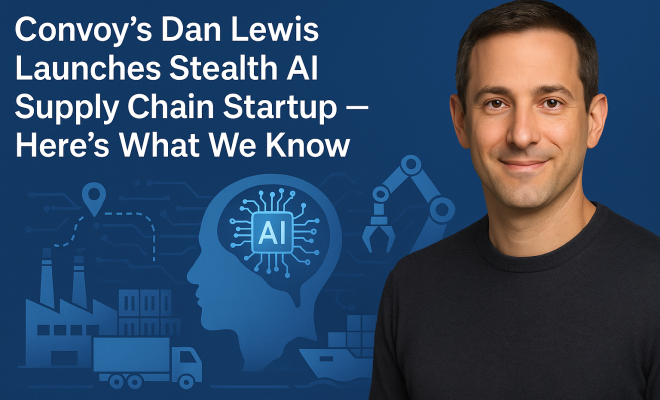
In a move that’s sending ripples through the tech world, Dan Lewis, co-founder and former CEO of Convoy, has exited Microsoft to establish a stealth AI supply chain startup. This announcement not only highlights Lewis’s ambitious approach but also signals a significant shift in how we conceive the infrastructure behind artificial intelligence.
The Vision Behind the Stealth Startup
Lewis’s new venture is shrouded in secrecy but aims to tackle a crucial aspect of the AI landscape: the cost and efficiency of running AI models, particularly inference. As noted on his LinkedIn profile, the startup seeks to build “the supply chain for intelligence,” which encompasses data centers, networking, chips, and software designed to route AI requests in real-time.
This vision is not just about creating another tech company; it’s about addressing a critical bottleneck in the AI ecosystem. With the growing demand for AI across industries, the operational costs associated with these technologies have skyrocketed, leading to an urgent need for innovation in AI supply chains.
The AI Cost Crisis
Experts in the tech industry have highlighted the high costs and infrastructure bottlenecks that stifle the rapid growth of AI. Running AI models, especially for inference, can be prohibitively expensive. According to a 2023 report by McKinsey, companies that leverage AI effectively can improve their cash flow by as much as 20%, yet the entry costs for robust AI infrastructure can deter many potential innovators.
Lewis’s startup aims to mitigate these challenges, making AI more efficient, accessible, and affordable. By streamlining the supply chain associated with AI infrastructure, he hopes to unleash the full potential of artificial intelligence in various sectors, from logistics to healthcare.
Before his stint at Microsoft, Dan Lewis co-founded Convoy, a digital freight network that has changed the logistics landscape. Under his leadership, Convoy experienced rapid growth, raising over $600 million in funding and achieving a valuation of $3.8 billion. This success speaks to Lewis’s ability to identify market gaps and innovate within them.
At Microsoft, he continued to sharpen his expertise in AI and cloud computing, further equipping him for this new venture. His experiences have left him acutely aware of the inefficiencies plaguing AI supply chains, a realization that has likely fueled his decision to pivot once more into the startup ecosystem.
The Role of AI in Modern Supply Chains
AI is rapidly becoming a foundational element of modern supply chains. Companies are using AI for demand forecasting, inventory management, and logistics optimization. However, the deployment of AI solutions often faces hurdles related to cost and computational capacity. Lewis’s AI supply chain startup seeks to address these challenges directly.
By building an infrastructure that optimizes the real-time routing of AI requests, the startup could enhance the performance of AI applications in supply chains, making it easier for companies to implement AI solutions at scale. This could be especially transformative in industries that rely on just-in-time inventory systems or complex distribution networks.
The tech startup landscape is buzzing with interest in AI, particularly in how it intersects with supply chain management. According to a report from CB Insights, venture capital investment in AI-related startups soared to $26.6 billion in 2022, with many investors eager to back projects that promise to revolutionize traditional industries.
As businesses seek to leverage AI for a competitive edge, startups like Lewis’s are positioned to capture significant market share. The drive for efficiency and cost-effectiveness in AI implementations is paramount, making Lewis’s venture particularly timely and relevant.
While Lewis’s ambition is commendable, launching an AI supply chain startup is not without its challenges. The tech landscape is crowded, with established players and emerging startups vying for attention. Key competitors may include companies that offer cloud-based AI services and those developing proprietary AI chips.
Moreover, building a reliable supply chain infrastructure for AI requires substantial investment in technology and talent. Lewis will need to attract top engineers and data scientists who can translate his vision into reality. The complexities of hardware integration, software development, and data management cannot be understated; navigating these will be a defining factor in the startup’s success. (See: New York Times article on AI costs.)
Given Dan Lewis’s track record with Convoy and his experience at Microsoft, it’s likely that his new venture will attract significant investor interest. Venture capitalists are keen on backing founders with proven success, especially in high-growth sectors like AI. The startup’s potential to reduce operational costs and improve efficiency could be a strong selling point for investors.
Moreover, with the increasing focus on AI and its applications across various industries, the timing seems right for a new AI supply chain startup. Investors are always on the lookout for disruptive technologies that can reshape markets, and Lewis’s endeavor could fit the bill.
As we look to the future, the integration of AI into supply chains is expected to deepen. Companies are not just adopting AI technologies; they are rethinking their entire supply chain strategies to incorporate these intelligent systems. The implications are vast, from enhanced operational efficiency to improved decision-making.
Lewis’s startup could play a pivotal role in this transformation. By simplifying and streamlining the supply chain components for AI, he might help businesses overcome the hurdles that have previously limited the widespread adoption of AI technologies. The focus on making AI models more cost-effective and efficient aligns with the broader trends pushing industries toward digital transformation.
In the tech world, speculation often swirls around stealth startups, and Lewis’s venture is no exception. As details emerge, industry insiders are already weighing in on what this could mean for the future of AI supply chains. Will it lead to a new standard for AI infrastructure? Or could it spark a wave of innovation that redefines how companies approach AI?
It’s hard to say for certain, but one thing is clear: the anticipation surrounding Lewis’s new project is palpable. The combination of his experience, the pressing need for innovation in AI supply chains, and the growing interest from investors creates a perfect storm for potential success.
Understanding the AI supply chain is essential for grasping how AI technologies function in real-world applications. An AI supply chain encompasses several elements, including data acquisition, data processing, model training, and inference deployment. Each of these components plays a critical role in the overall efficiency of AI operations.
1. **Data Acquisition**: This is the first step in the AI supply chain. Data needs to be collected from various sources, including IoT devices, online platforms, and more. The quality and quantity of data directly influence the effectiveness of AI models.
2. **Data Processing**: Once data is collected, it must be cleaned and structured for analysis. This step often involves significant computational resources and expertise in data science.
3. **Model Training**: In this phase, machine learning algorithms are trained using the processed data. This requires powerful GPUs and optimized software to ensure efficiency and speed.
4. **Inference Deployment**: Finally, trained models need to be deployed in real-time systems where they can make predictions or decisions. The efficiency of this process directly impacts user experience and operational effectiveness.
Industry experts are optimistic about the potential innovations that Lewis’s startup could bring to the AI supply chain. Dr. Sarah Thompson, an AI researcher at Stanford University, emphasizes the importance of reducing costs in AI deployment. “For many companies, the barrier to entry for AI implementation is simply too high. If Lewis can find a way to streamline this process, it could open doors for countless businesses that have been hesitant to adopt AI technologies,” she stated.
Additionally, Michael Chen, a venture capitalist focused on AI startups, noted, “The AI supply chain is still in its infancy, and there are numerous opportunities for disruption. Lewis’s experience in logistics could provide a unique advantage in creating a more efficient infrastructure for AI.” These insights highlight the potential impact of Lewis’s vision and the growing interest from both industry professionals and investors.
Examining successful case studies can provide valuable insights into the potential of AI supply chains. Companies like Amazon and Tesla have effectively integrated AI into their supply chain operations to achieve remarkable results. (See: Research on AI infrastructure challenges.)
**Amazon**: The retail giant employs AI algorithms for inventory management and demand forecasting. By predicting customer purchasing patterns, Amazon can optimize stock levels, reduce waste, and enhance customer satisfaction.
**Tesla**: In the automotive industry, Tesla utilizes AI for its supply chain logistics. The company leverages machine learning for real-time analytics, improving production schedules and supply chain efficiency. By predicting potential disruptions, Tesla can proactively address issues that may arise.
These examples illustrate the transformative potential of AI within supply chains, underscoring the relevance of Lewis’s startup in addressing the challenges faced by many companies in implementing these technologies.
What is an AI supply chain startup?
An AI supply chain startup focuses on developing technology, infrastructure, and solutions to improve the efficiency, cost-effectiveness, and accessibility of AI technologies within supply chains.
What are the main challenges faced by AI supply chain startups?
Challenges include high operational costs, competition from established players, talent acquisition, and the complexities of integrating hardware with software solutions.
How can AI improve supply chain efficiency?
AI can enhance demand forecasting, optimize inventory management, and streamline logistics processes, ultimately reducing costs and improving delivery times.
What industries can benefit from AI supply chains?
Industries such as logistics, healthcare, retail, manufacturing, and agriculture can all benefit significantly from implementing AI-driven supply chain solutions.
What is the future of AI in supply chains?
The future of AI in supply chains looks promising, with increased adoption expected across various industries as businesses seek to leverage AI for greater operational efficiency and better decision-making.
Success in the AI supply chain landscape can often be measured by specific metrics that showcase efficiency and effectiveness. Understanding these metrics can provide insight into how startups like Lewis’s can make a significant impact.
1. **Cost per Inference**: This metric helps businesses understand the financial implications of running AI models. Reducing the cost per inference is crucial for making AI applications more accessible to a broader audience.
2. **Throughput**: This refers to the number of AI requests processed in a given time frame. Increasing throughput without compromising performance is vital for real-time applications.
3. **Latency**: The time taken to process an AI request is critical, especially in sectors like finance or healthcare where real-time decisions can have significant implications. Lowering latency can improve user experience and operational efficiency.
4. **Uptime**: This measures the reliability of the AI supply chain components. Higher uptime percentages indicate a more robust infrastructure capable of handling demands without failures.
As Lewis embarks on this journey, it’s worth noting some of the technological advancements that could reshape the AI supply chain landscape. These innovations may serve as essential tools for Lewis’s startup and others in the field.
**Edge Computing**: This technology allows data processing to occur closer to the source, reducing the distance data must travel and subsequently decreasing latency. By implementing edge computing, AI applications can respond faster, which is critical for industries like autonomous vehicles and manufacturing.
**5G Technology**: With 5G networks becoming more prevalent, the potential for real-time data transfer and reduced latency opens new doors for AI applications. Startups can leverage 5G to enhance connectivity and efficiency within their supply chains.
**Blockchain**: This technology can bring transparency and security to AI supply chains. By securely recording data transactions, blockchain could ensure the integrity of data used for AI applications, which is essential for industries that require high levels of trust, such as finance and healthcare.
As AI technologies permeate supply chains, addressing data privacy and ethical considerations becomes increasingly important. Companies must navigate complex regulations while ensuring that their AI applications are fair and transparent.
**Data Privacy Regulations**: Laws like GDPR and CCPA impose strict guidelines on how companies collect, store, and utilize data. Startups must build their AI supply chains with compliance in mind, integrating privacy by design into their technology infrastructure.
**Ethical AI Practices**: Ensuring that AI models are free from bias is crucial. Startups must prioritize diversity in their datasets and implement robust auditing processes to identify and mitigate any biases in their algorithms. This not only fosters trust but also enhances the effectiveness of AI applications across diverse populations.
Dan Lewis’s departure from Microsoft to launch his AI supply chain startup signifies more than just a career shift; it represents a potential turning point in the AI landscape. By addressing the high costs and inefficiencies that have plagued AI implementation, his venture could pave the way for a new era of accessibility and innovation in AI technologies.
As the tech community watches closely, it will be fascinating to see how Lewis’s startup unfolds. If successful, it may not only reshape the AI supply chain but could also inspire a generation of entrepreneurs eager to tackle the challenges facing this rapidly evolving industry.
“`
Trending Now
Frequently Asked Questions
Who is Dan Lewis and what is his new startup about?
Dan Lewis is the co-founder and former CEO of Convoy. He has launched a stealth AI supply chain startup focused on improving the efficiency and cost of running AI models, particularly for inference, by addressing infrastructure bottlenecks in the AI ecosystem.
What problem is Dan Lewis's startup trying to solve?
Lewis's startup aims to tackle the high operational costs and inefficiencies in AI supply chains, which hinder the rapid growth of AI technologies. The goal is to streamline the supply chain for AI infrastructure, making it more accessible and affordable.
How does the AI cost crisis affect businesses?
The AI cost crisis impacts businesses by creating high entry costs for robust AI infrastructure, which can deter innovation. Companies leveraging AI effectively can improve cash flow by up to 20%, but the infrastructure bottlenecks can limit this potential.
What is the significance of AI supply chains?
AI supply chains are crucial as they encompass the necessary infrastructure—data centers, networking, chips, and software—required to efficiently run AI models. Improving these supply chains can significantly enhance the performance and affordability of AI technologies across industries.
Why did Dan Lewis leave Microsoft?
Dan Lewis exited Microsoft to pursue his vision of establishing a stealth AI supply chain startup. His departure reflects a commitment to addressing the critical challenges in AI infrastructure, aiming to innovate how AI technologies are deployed and managed.
What did we miss? Let us know in the comments and join the conversation.