Avoidant Attachment & Emotional Intelligence: Break Free
“`html
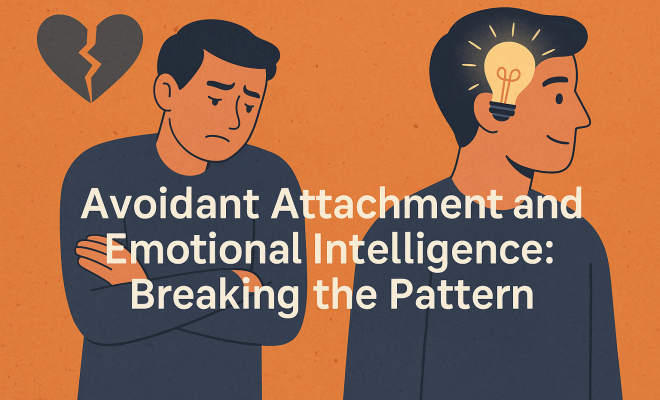
Avoidant attachment and emotional intelligence are two concepts that have gained significant attention in recent years, particularly in the fields of psychology and personal development. Understanding the intricate relationship between these two areas can be transformative for individuals seeking healthier relationships and deeper emotional connections. In this article, we will explore what avoidant attachment is, how it relates to emotional intelligence, and practical strategies for breaking the pattern.
What is Avoidant Attachment?
Avoidant attachment is one of the four primary attachment styles identified by psychologists, alongside secure, anxious, and disorganized attachment. Developed from the work of John Bowlby and Mary Ainsworth in the mid-20th century, attachment theory suggests that the bonds formed in early childhood with caregivers significantly influence our relationships throughout life.
Individuals with an avoidant attachment style typically value independence and self-sufficiency, often at the expense of emotional connection with others. They tend to distance themselves from intimacy and may be uncomfortable with vulnerability. This detachment can stem from early experiences where caregivers were consistently emotionally unavailable, leading the child to develop a strategy of self-reliance as a means of coping.
The Characteristics of Avoidant Attachment
Recognizing the signs of avoidant attachment can help individuals understand their relationship patterns better. Some common characteristics include:
- Difficulties with Intimacy: Avoidantly attached individuals often struggle to form deep emotional connections, fearing closeness or dependency.
- Emotional Suppression: These individuals may avoid expressing their feelings, both to themselves and to others, leading to an overall lack of emotional awareness.
- Self-Sufficiency: They typically pride themselves on their independence and may view reliance on others as a weakness.
- Dismissive Attitude: People with this attachment style may dismiss the emotional needs of others, often resulting in misunderstandings and conflicts in relationships.
Understanding Emotional Intelligence
Emotional intelligence (EI) refers to the ability to recognize, understand, and manage our own emotions, as well as the emotions of others. Developed by psychologists Peter Salovey and John D. Mayer in the early 1990s, EI encompasses several key components:
- Self-Awareness: The ability to recognize one’s own emotional states and their impact on thoughts and behavior.
- Self-Regulation: The capacity to manage emotions effectively, allowing for adaptive responses rather than reactive behavior.
- Motivation: A drive to achieve personal goals and maintain a positive outlook, even in the face of obstacles.
- Empathy: The ability to understand and empathize with the emotions of others, fostering meaningful connections.
- Social Skills: Proficiency in managing relationships and building networks, facilitating effective communication and collaboration.
The Intersection of Avoidant Attachment and Emotional Intelligence
At first glance, avoidant attachment and emotional intelligence may seem at odds with one another. While avoidant individuals tend to suppress their emotions and distance themselves from others, emotional intelligence emphasizes understanding and managing emotions both personally and socially. This dissonance can lead to challenges in relationships and personal growth.
Research indicates that people with avoidant attachment styles may have lower emotional intelligence, particularly in areas like empathy and self-awareness. They often struggle to recognize their emotional states and how those feelings affect their responses to others. This lack of emotional insight can perpetuate a vicious cycle: avoidance leads to isolation, which in turn hinders emotional growth and intelligence.
Breaking the Pattern: Strategies for Growth
While the challenges associated with avoidant attachment can be daunting, there are practical strategies that individuals can utilize to break the cycle and enhance their emotional intelligence. Here are several actionable insights:
1. Cultivating Self-Awareness
The journey toward improved emotional intelligence begins with self-awareness. Individuals can benefit from practices like journaling or mindfulness meditation to help identify and articulate their feelings. Regular self-reflection enables avoidantly attached individuals to reconnect with their emotions and understand their triggers.
2. Challenging Negative Beliefs
Avoidant individuals often harbor negative core beliefs about intimacy and vulnerability, viewing them as threats to their independence. Cognitive-behavioral strategies can help challenge and reframe these beliefs, allowing for a more positive perspective on emotional connection. Therapy, particularly approaches like Acceptance and Commitment Therapy (ACT), can facilitate this cognitive shift. (See: Attachment theory overview.)
3. Practicing Vulnerability
Taking small steps to practice vulnerability can be transformative. Start by sharing feelings with trusted friends or family members. Gradually increase the depth of these conversations, which can help build comfort with intimacy and foster deeper connections.
4. Developing Empathy
Empathy is a crucial component of emotional intelligence and can be cultivated through active listening and compassionate engagement with others. Individuals can practice empathy by putting themselves in others’ shoes and considering how their actions or words may affect those around them.
5. Seeking Professional Help
Working with a therapist can be invaluable for those struggling with avoidant attachment. A mental health professional can provide a safe space to explore attachment patterns, develop emotional intelligence, and learn new relational skills. Therapy can offer tailored strategies and insights that are difficult to achieve alone.
The Current Relevance in Relationships
The interplay between avoidant attachment and emotional intelligence is particularly relevant in today’s fast-paced, digital-driven world. As relationships shift—often occurring online and without the same level of emotional engagement—individuals with avoidant attachment may find themselves relying even more heavily on technology to communicate, further perpetuating their attachment patterns.
Moreover, with rising awareness of mental health and emotional well-being, there’s an increasing emphasis on emotional intelligence in various contexts: workplaces, educational institutions, and personal relationships. Understanding the dynamics of avoidant attachment can empower individuals to cultivate healthier interactions and foster meaningful connections.
Case Studies: Real-Life Examples of Change
To illustrate the potential for growth and change, let’s explore a couple of real-life cases where individuals successfully navigated their avoidant attachment patterns and enhanced their emotional intelligence.
Case Study 1: Jessica, a 30-year-old marketing professional, struggled with intimacy in her romantic relationships. After recognizing her avoidant attachment style, she sought therapy. Through mindfulness practices, she learned to identify her emotions and express them. Over time, Jessica became more comfortable with vulnerability and ultimately found a loving partner with whom she could share her true self.
Case Study 2: Mark, a 25-year-old software engineer, had a dismissive approach to friendships. He often felt isolated and unhappy but didn’t understand why. After participating in an emotional intelligence workshop, Mark learned to actively listen and empathize with others. By practicing vulnerability in conversations, he was able to form deeper friendships that enriched his life.
Transforming Relationships with Emotional Intelligence
Ultimately, the goal of addressing avoidant attachment is to foster healthier relationships. With improved emotional intelligence, individuals can engage more deeply with their partners, friends, and family members. This transformation can lead to greater satisfaction and fulfillment in personal connections, breaking the cycle of avoidance.
Here are some ways emotional intelligence can enhance relationships:
- Improved Communication: With a better understanding of emotions, individuals can express themselves more clearly, leading to fewer misunderstandings.
- Stronger Conflict Resolution: Emotional intelligence equips individuals with the skills to navigate conflicts constructively, rather than avoiding them altogether.
- Enhanced Empathy: As individuals become more attuned to their own emotions, they also develop a heightened sensitivity to the emotional experiences of others, fostering deeper connections.
- Increased Trust: Vulnerability and emotional openness nurture trust in relationships, creating a safe environment for both partners.
Frequently Asked Questions (FAQ)
What is avoidant attachment?
Avoidant attachment is a style characterized by a strong emphasis on independence and self-sufficiency, often leading to difficulties in forming close relationships. Individuals with this attachment style may struggle to share their feelings or rely on others, typically as a result of early experiences with emotionally unavailable caregivers.
How does avoidant attachment affect relationships?
People with avoidant attachment often find it challenging to engage in intimate relationships. Their tendency to suppress emotions can create distance between partners, leading to misunderstandings and unmet emotional needs. This pattern can perpetuate feelings of loneliness and dissatisfaction in relationships. (See: CDC on attachment styles.)
Can emotional intelligence be developed?
Yes, emotional intelligence can be developed over time through practice and reflection. Techniques such as mindfulness, journaling, and therapy can enhance self-awareness and empathy. Engaging in active listening and seeking to understand the emotions of others are also effective ways to improve emotional intelligence.
How can I improve my emotional intelligence if I have an avoidant attachment style?
If you have an avoidant attachment style, start by cultivating self-awareness through mindfulness and journaling. Focus on identifying and expressing your emotions, practicing vulnerability in safe spaces, and challenging negative beliefs about relationships. Seeking therapy can also provide structured support for developing emotional intelligence.
What role does therapy play in addressing avoidant attachment and enhancing emotional intelligence?
Therapy can be instrumental in helping individuals understand their attachment styles and their impact on relationships. A therapist can guide clients in developing emotional intelligence skills, including emotional regulation, empathy, and communication. Through therapeutic techniques, individuals can work toward breaking the cycle of avoidance and developing healthier relational patterns.
The Broader Implications of Avoidant Attachment
Understanding avoidant attachment goes beyond individual relationships; it has implications for workplaces, friendships, and even parenting styles. In a professional setting, employees with avoidant attachment may struggle with teamwork and collaboration, leading to a culture of disengagement. They might rely heavily on individual tasks and avoid interacting with colleagues, which can stifle creativity and innovation.
In friendships, avoidant individuals may find themselves isolated or misunderstood, as their reluctance to engage emotionally can push others away. They may miss out on the richness that deeper connections can provide, such as support during challenging times or shared experiences that enhance their sense of belonging.
For those with avoidant attachment who become parents, recognizing their attachment patterns is crucial. Children often mirror their parents’ behaviors, and an avoidant parent might inadvertently teach their child to suppress their emotions or avoid emotional connection. This cycle can perpetuate avoidant attachment styles across generations, making awareness and intervention even more vital.
Future Directions and Research
As the fields of psychology and personal development continue to evolve, new research will likely illuminate further connections between attachment styles and emotional intelligence. Future studies may explore how various interventions, such as group therapy and emotional intelligence training, can create systemic change for individuals with avoidant attachment styles.
Additionally, understanding the cultural context behind attachment styles can inform tailored approaches to emotional intelligence development. Different cultures may prioritize independence or interdependence, shaping how individuals experience and express attachment. By integrating cultural perspectives into research, we can gain insights that promote inclusivity and understanding in emotional intelligence training.
Real-Life Impact of Avoidant Attachment in Different Contexts
Exploring avoidant attachment in various relationships can provide greater insight into its effects and the potential for change. In romantic relationships, for example, a partner with avoidant attachment may struggle to communicate their needs, leading to frustration and misunderstandings. They might react defensively to emotional discussions, causing their partner to feel rejected. Understanding this dynamic is crucial for both partners to foster empathy and patience.
In family dynamics, avoidant attachment can result in a lack of emotional connection between parents and children. Parents may find it difficult to engage emotionally, leading children to feel neglected or unworthy of affection. This environment can perpetuate a cycle of emotional unavailability that affects future generations. Recognizing these patterns in oneself and seeking to change them can lead to healthier family relationships.
In the workplace, avoidant attachment can manifest as a reluctance to collaborate or share ideas. Employees may prefer to work independently, which can impede team dynamics and hinder innovation. Employers can promote emotional intelligence training to encourage open communication and collaboration, helping to break down barriers created by avoidant attachment styles.
The Science Behind Attachment and Emotion
Research into attachment styles and emotional intelligence reveals fascinating insights into human behavior. Studies have shown that individuals with secure attachment styles typically score higher on emotional intelligence assessments. In contrast, those with avoidant attachment often exhibit lower levels of empathy and emotional awareness. For instance, a 2020 study published in the Journal of Personality and Social Psychology found that individuals with insecure attachment styles are less likely to recognize emotional cues in others, potentially leading to interpersonal difficulties.
Moreover, brain imaging studies have shown that individuals with secure attachments tend to have more active brain regions associated with empathy and emotional processing when encountering emotionally charged situations. This evidence highlights the significant impact that our attachment styles have on our emotional responses and interpersonal interactions.
Pathways to Healing and Growth
For individuals with avoidant attachment styles, the journey toward improving emotional intelligence and relational patterns can start with education. Understanding the origins of their attachment style is key to initiating change. Workshops, books, and online resources can provide valuable information to help individuals navigate their emotional landscapes.
Engagement in community support groups can also be beneficial. Sharing experiences with others facing similar challenges can create a sense of belonging and acceptance. These connections may foster understanding and accountability, motivating individuals to pursue personal growth and improve their emotional intelligence.
Finally, employing self-compassion techniques can assist individuals in accepting their attachment styles without judgment. Recognizing that growth takes time and effort can alleviate the pressure to change overnight, fostering a more compassionate approach to personal development.
Conclusion: The Path Forward
Understanding avoidant attachment and its relationship with emotional intelligence is essential for anyone looking to improve their personal relationships and emotional well-being. While this journey may be challenging, the rewards of deeper connections and greater emotional insight are well worth the effort. As we embrace self-awareness, empathy, and vulnerability, we can break the patterns of avoidance and pave the way for healthier, more fulfilling relationships.
“`
Trending Now
Frequently Asked Questions
What is avoidant attachment?
Avoidant attachment is one of the four primary attachment styles characterized by a strong preference for independence and self-sufficiency. Individuals with this style often struggle with intimacy and emotional connection, stemming from early experiences with emotionally unavailable caregivers.
How does avoidant attachment affect relationships?
Individuals with avoidant attachment may find it difficult to form deep emotional connections, often fearing closeness and dependency. This can lead to challenges in romantic and social relationships, as they may suppress their emotions and distance themselves from intimacy.
What are the signs of avoidant attachment?
Common signs of avoidant attachment include difficulties with intimacy, emotional suppression, and a strong emphasis on self-sufficiency. These individuals may avoid expressing their feelings, leading to a lack of emotional awareness and connection with others.
Can emotional intelligence help with avoidant attachment?
Yes, improving emotional intelligence can help individuals with avoidant attachment recognize and express their emotions more effectively. By developing greater emotional awareness and connection, they can work towards healthier relationships and break the patterns associated with avoidant attachment.
What strategies can help break the pattern of avoidant attachment?
Practical strategies to break the pattern of avoidant attachment include developing emotional awareness, practicing vulnerability, and seeking therapy or support groups. These approaches can help individuals foster deeper emotional connections and improve their overall relationship dynamics.
Have you experienced this yourself? We’d love to hear your story in the comments.