Attachment Theory and Emotional Regulation in Preschoolers
“`html
Understanding Attachment Theory
Attachment theory, formulated by psychologist John Bowlby in the mid-20th century, provides a framework for understanding how early relationships with caregivers shape emotional and social development. It posits that the bonds formed during infancy and early childhood are critical for emotional regulation and overall psychological well-being. The theory categorizes attachments into four main styles: secure, anxious, avoidant, and disorganized, each reflecting a different set of behaviors and expectations in relationships.
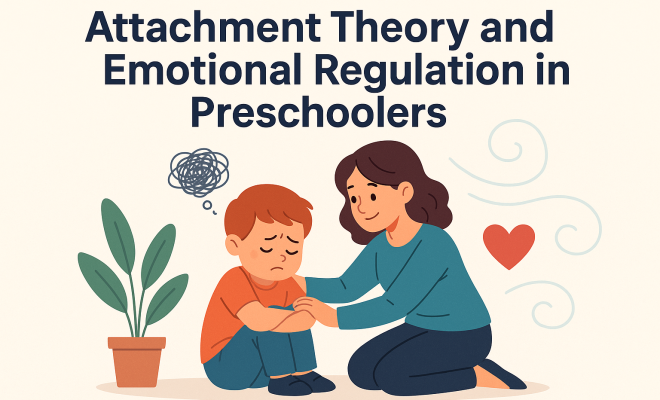
In preschoolers, attachment styles significantly influence how they manage their emotions. Children with secure attachments are generally better at emotional regulation compared to their peers with insecure attachments. Understanding these dynamics not only helps educators and parents support children effectively but also informs intervention strategies aimed at fostering healthier emotional development.
The Role of Emotional Regulation in Early Childhood
Emotional regulation refers to the ability to monitor, evaluate, and modulate emotional reactions in response to external stimuli. In preschoolers, this skill is crucial as they navigate a world filled with novel experiences and social interactions. Effective emotional regulation allows children to cope with challenges, form positive relationships, and succeed in academic settings.
Research shows that children who struggle with emotional regulation may display behaviors such as aggression, withdrawal, or defiance. These behaviors can hinder social development and academic performance. Thus, understanding the link between attachment theory and emotional regulation in preschoolers is essential for caregivers and educators who wish to create supportive learning environments.
Attachment Styles and Their Impact on Emotional Regulation
Different attachment styles lead to varying outcomes in emotional regulation among preschoolers. Here’s a deeper look:
- Secure Attachment: Children with secure attachments feel safe and supported. They are more likely to express their emotions appropriately, seek help when needed, and recover quickly from distress. These children often exhibit higher levels of empathy and social competence.
- Anxious Attachment: Preschoolers with anxious attachments may exhibit heightened emotional responses. They could become excessively clingy or fearful of separation. Their difficulty in managing anxiety can lead to outbursts or withdrawal, as they struggle to communicate their needs.
- Avoidant Attachment: Children with avoidant attachment may suppress their emotions and appear indifferent to caregivers. They often have difficulty expressing their feelings, leading to challenges in forming connections with peers. This can result in isolation and a lack of social interaction.
- Disorganized Attachment: These children often display a mix of behaviors from both anxious and avoidant styles. Their unpredictable responses can stem from inconsistent caregiver behavior, leading to confusion in emotional responses. This inconsistency often results in difficulties with emotional regulation and interpersonal relationships.
The Importance of Early Intervention
Recognizing the signs of insecure attachment styles in preschoolers can prompt early intervention strategies that foster emotional regulation. Interventions may include parent-child workshops, therapeutic sessions, and programs that focus on strengthening caregiver relationships. Such interventions can help reshape attachment patterns and improve emotional outcomes.
For instance, in settings where children display anxious or avoidant attachment styles, caregivers can employ specific strategies to create a more secure environment. This could involve consistent routines, responsive interactions, and emotional coaching, wherein caregivers model appropriate emotional expression and regulation skills.
Strategies for Promoting Emotional Regulation
Here are several practical strategies that educators and parents can implement to promote emotional regulation in preschoolers:
- Model Emotional Expression: Adults should demonstrate healthy emotional expression. By verbalizing their feelings and the strategies they use to manage them, caregivers can teach children about emotions in a relatable way.
- Teach Coping Strategies: Introduce preschoolers to simple coping strategies, such as deep breathing, counting to ten, or using visual aids to express emotions. These tools empower children to self-regulate during challenging moments.
- Encourage Play-Based Learning: Play is vital for emotional and social development. Through play, children practice emotional regulation, conflict resolution, and empathy. Structured activities can help children learn to express feelings appropriately.
- Foster Secure Attachments: Create an environment where children feel safe and valued. Responsive caregiving, consistent routines, and nurturing relationships can help foster secure attachments, thereby enhancing emotional regulation.
Understanding the Impact of Environment
The immediate environment plays a significant role in the emotional development of preschoolers. Areas such as childcare settings, home life, and community influence attachment styles and emotional regulation. For instance, children exposed to stable and nurturing environments are more likely to develop secure attachments.
On the other hand, factors such as high-stress levels, inconsistent parenting styles, or exposure to trauma can undermine emotional security. The emotional climate of a child’s environment can either promote healthy development or contribute to insecure attachments and poor emotional regulation. As such, supporting caregivers within these environments is essential for fostering healthier developmental outcomes. (See: Attachment Theory overview.)
Long-Term Effects of Attachment and Emotional Regulation
The implications of attachment styles and emotional regulation extend well beyond preschool years. Research indicates that children with secure attachments are more likely to experience positive outcomes in adolescence and adulthood, such as higher self-esteem, better relationships, and improved mental health. In contrast, those with insecure attachments may encounter ongoing challenges, including anxiety, depression, and difficulties in relationships.
For instance, adolescents with a history of insecure attachment may struggle with intimacy and trust, impacting their friendships and romantic relationships. The ability to regulate emotions effectively is critical in navigating the complexities of teenage life. Therefore, early intervention and support play an essential role in breaking potential cycles of insecurity.
The Role of Educators in Supporting Attachment and Regulation
Educators are often on the front lines of identifying and addressing emotional regulation issues among preschoolers. They can play a pivotal role in fostering secure attachments within the classroom. By creating a supportive and nurturing learning environment, educators can encourage children to express themselves and explore their emotions.
Professional development programs focused on attachment theory can help educators gain insights into recognizing and responding to different attachment styles. Training in social-emotional learning can equip them with the tools to create emotionally supportive classrooms, incorporating strategies that promote emotional regulation skills among preschoolers.
Current Research and Future Directions
The field of attachment theory and emotional regulation continues to evolve. Current research is delving into the biological underpinnings of attachment and how genetics may influence emotional regulation capabilities. Additionally, researchers are investigating the role of technology and social media in shaping emotional interactions among children.
Future studies may focus on longitudinal approaches, following children from preschool into adulthood to better understand how early attachment styles impact long-term emotional health. There is also a growing interest in integrating mindfulness practices in early childhood education, as these techniques show promise in enhancing emotional regulation and reducing anxiety among preschoolers.
The Impact of Cultural Differences on Attachment Styles
Cultural context plays a substantial role in how attachment styles are formed and expressed. Different cultures have varied beliefs and practices regarding child-rearing, which can influence attachment behaviors. For example, in collectivist cultures, where community and family interdependence are emphasized, children may develop attachment styles that differ from those in individualist cultures, where independence is prioritized.
Research supports the idea that secure attachments can be cultivated in various cultural settings, but the ways in which caregivers express affection and support may differ significantly. For instance, while one culture may encourage physical closeness to foster attachment, another might emphasize verbal communication or shared activities. Recognizing these cultural nuances is vital for educators and caregivers, as it allows them to create a more inclusive and responsive environment that respects diverse attachment styles.
Common Myths About Attachment Theory
Attachment theory can sometimes be misunderstood, leading to common myths that could hinder the support of emotional regulation in preschoolers. Here are a few prevalent myths:
- Myth 1: Attachment styles are fixed for life. While early attachment experiences can lay the foundation for future relationships, individuals can develop new attachment styles based on later experiences and relationships. Interventions during childhood can significantly alter attachment patterns.
- Myth 2: Only mothers influence attachment. Although mothers often play a crucial role in early attachment, fathers, grandparents, and other caregivers also contribute significantly to a child’s attachment style. Involved parenting from all caregivers can provide a secure base for emotional development.
- Myth 3: Attachment theory applies only to infants. Attachment theory is relevant across various stages of life. While early childhood is critical for forming attachment, understanding and addressing attachment styles in preschoolers can enhance their emotional regulation and interpersonal skills.
Practical Examples of How to Foster Secure Attachments
To effectively foster secure attachments and enhance emotional regulation in preschoolers, it’s important to employ practical strategies. Here are a few examples: (See: Emotional regulation in children.)
- Consistent Routines: Establishing daily routines can provide children with a sense of predictability and security. For example, a consistent bedtime routine that includes reading a book and discussing the day’s events can help children feel safe and supported.
- Quality Time: Spend intentional and focused time with children. Activities such as cooking together, playing games, or simply talking can strengthen the bond between caregiver and child, reinforcing secure attachment.
- Active Listening: When a child expresses their feelings, practice active listening. Acknowledging their emotions and responding appropriately can validate their feelings and teach them that their emotions are important.
Frequently Asked Questions About Attachment Theory in Preschoolers
What are the signs of secure attachment in preschoolers?
Preschoolers with secure attachment typically feel comfortable exploring their environment while knowing they have a safe base to return to. They express their emotions openly, are able to seek comfort from caregivers when upset, and generally have positive relationships with peers.
How can I help my preschooler if they exhibit signs of insecure attachment?
To assist a child with insecure attachment, focus on building a strong, consistent relationship. This can include responding promptly to their needs, creating predictable routines, and providing a nurturing environment where they feel valued and safe.
Can attachment styles change over time?
Yes, attachment styles can evolve based on new relationships and experiences. Positive interactions with responsive caregivers or therapeutic interventions can lead to the development of more secure attachment styles.
How does attachment theory influence learning in preschoolers?
Attachment theory significantly impacts learning, as children with secure attachments are better equipped to engage in learning activities, feel confident in exploring new concepts, and exhibit higher levels of cooperation with peers and educators.
What role does parent education play in enhancing attachment security?
Educating parents about attachment theory can help them understand their child’s emotional needs and the importance of fostering a secure attachment. Parents equipped with this knowledge can implement strategies to support emotional regulation and relationship-building.
Exploring Attachment Theory in Diverse Educational Settings
Understanding attachment theory is not just crucial in a singular context; it’s equally important across various educational settings. Different types of preschool programs—be it public, private, Montessori, or Reggio Emilia—can impact how attachment styles are nurtured in children. For instance, programs that emphasize community and collaboration may better cater to children with anxious or avoidant attachment styles by fostering a sense of belonging.
In a Montessori setting, the focus on child-led learning allows children to explore at their own pace, which can be particularly beneficial for those with avoidant attachment, as it gives them space to engage independently while still feeling secure. On the other hand, Reggio Emilia-based preschools emphasize relationships and collaboration, which can help anxious preschoolers feel more connected and understood.
The Role of Technology in Attachment and Emotional Development
In today’s digital age, technology plays an increasingly significant role in children’s lives. The use of screens and digital devices can impact emotional development and attachment in preschoolers. Research suggests that excessive screen time can hinder the development of emotional regulation skills, as it often limits face-to-face interactions and emotional exchanges with caregivers and peers.
On the flip side, technology can also be a tool for enhancing emotional learning. Educational apps and interactive storytelling can facilitate conversations around emotions, helping children articulate their feelings more effectively. It’s essential, however, for parents and educators to strike a balance, ensuring that technology complements rather than replaces real-life interactions that foster secure attachments.
Statistics on Attachment and Emotional Regulation
Understanding the scale of attachment issues can be enlightening. Studies indicate that approximately 60% of children develop secure attachments, while 25% struggle with anxious attachment, and 15% exhibit avoidant or disorganized attachments. These statistics highlight the critical need for early intervention strategies, particularly as children with insecure attachments are 2-3 times more likely to face emotional and behavioral difficulties later in life.
Moreover, research conducted by the American Psychological Association found that children with secure attachments perform better academically, showing a 20% increase in academic success compared to their peers with insecure attachments. These findings underscore the importance of fostering secure attachments in preschoolers to enhance not just emotional well-being but also academic performance.
Expert Perspectives on Attachment Theory in Early Childhood
To further enrich our understanding, insights from experts in child psychology and early childhood education can provide a deeper perspective. Dr. Daniel Siegel, a well-known author and psychiatrist, emphasizes the importance of “mindsight,” the ability to understand and interpret one’s own and others’ emotions. He argues that helping preschoolers develop mindsight is central to fostering secure attachments and emotional regulation.
Similarly, Dr. Sue Johnson, a leading figure in attachment theory research, advocates for the significance of emotional responsiveness in parenting. She suggests that caregivers who practice attunement—being aware of and responsive to a child’s emotional state—can significantly enhance emotional regulation and attachment security.
The Benefits of Group Activities in Enhancing Attachment Security
Group activities can play a vital role in enhancing attachment security among preschoolers. Engaging in team-based games or collaborative projects not only fosters social skills but also helps children learn to navigate their emotions in a shared context. For example, cooperative games that require teamwork can help children learn to express their feelings and empathize with their peers.
Additionally, group storytelling or puppet shows can be effective in addressing emotional themes, allowing children to explore complex feelings in a safe environment. These activities not only promote emotional regulation but also strengthen the bonds between children, further fostering secure attachment dynamics.
Conclusion: The Path Forward
Understanding attachment theory and its relationship to emotional regulation in preschoolers is vital for parents, educators, and child development professionals. By recognizing the importance of early attachment and implementing targeted strategies, we can foster environments that support emotional growth and resilience in our young children. Through collaborative efforts, we can pave the way for a generation of emotionally intelligent individuals who are equipped to face life’s challenges with confidence and grace.
“`
Trending Now
Frequently Asked Questions
What is attachment theory in early childhood?
Attachment theory, developed by John Bowlby, explains how early relationships with caregivers influence a child's emotional and social development. It identifies four attachment styles—secure, anxious, avoidant, and disorganized—that affect how children manage emotions and interact with others.
How does attachment style affect emotional regulation in preschoolers?
Attachment style significantly impacts emotional regulation in preschoolers. Children with secure attachments tend to regulate their emotions more effectively, while those with insecure attachments may struggle, leading to behaviors like aggression or withdrawal.
Why is emotional regulation important for preschoolers?
Emotional regulation is crucial for preschoolers as it helps them cope with challenges, build positive relationships, and achieve success in academic settings. Effective regulation allows children to manage their feelings in social interactions and navigate new experiences.
What are the signs of poor emotional regulation in children?
Children who struggle with emotional regulation may exhibit signs such as aggression, withdrawal, defiance, or difficulty forming relationships. These behaviors can impede their social development and academic performance, making it essential for caregivers to provide support.
How can caregivers support emotional development in preschoolers?
Caregivers can support emotional development by fostering secure attachments, modeling emotional regulation skills, and creating a nurturing environment. Understanding each child's attachment style helps tailor interventions that promote healthier emotional growth and resilience.
What did we miss? Let us know in the comments and join the conversation.