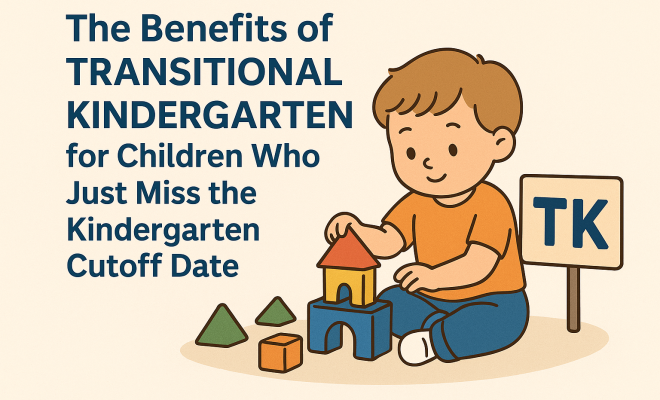
“The Benefits of Transitional Kindergarten for Children Who Just Miss the Kindergarten Cutoff Date”
“`html
As parents and educators navigate the complexities of early childhood education, one pressing question often arises: What should we do with children who just miss the cutoff date for kindergarten? For many families, the answer lies in the increasingly popular option of transitional kindergarten. This educational pathway has gained traction in recent years, offering a second chance for young learners to develop and thrive before they enter traditional kindergarten. Let’s explore the transitional kindergarten benefits and why it may be the right choice for your child.
Understanding Transitional Kindergarten
Transitional kindergarten (TK) is a unique educational program designed specifically for children who turn five after the standard kindergarten entry date. Often seen as a bridge between preschool and kindergarten, TK provides a nurturing environment where children can develop essential skills at their own pace. This program typically focuses on social and emotional growth, alongside academic readiness, ensuring children are well-prepared for the more structured environment of kindergarten.
Transitional kindergarten is not merely an extra year of preschool; it is a distinct educational experience that values developmental readiness over an arbitrary age cutoff. In this setting, teachers employ a play-based curriculum that encourages exploration and creativity, allowing children to engage in learning through hands-on activities.
The Importance of Developmental Readiness
One of the primary transitional kindergarten benefits is its emphasis on developmental readiness. Children develop at different rates, and social, emotional, and cognitive skills do not always align with age. For children who just miss the kindergarten cutoff, TK offers a critical opportunity to refine their skills in a supportive atmosphere.
- Social Skills: Many children entering kindergarten face challenges related to social interactions. Transitional kindergarten provides the space for children to build friendships, learn to share, and navigate group dynamics, all of which are crucial for success in kindergarten.
- Emotional Regulation: TK helps children learn how to manage their emotions, encouraging them to express feelings appropriately. This emotional intelligence can significantly impact their ability to adapt to a more structured classroom environment later on.
- Cognitive Development: The curriculum incorporates foundational literacy and math concepts tailored to children’s developmental stages, allowing for a deeper understanding of academic material.
Academic Advantages of Transitional Kindergarten
Beyond social and emotional skills, transitional kindergarten also presents various academic advantages. In this setting, children engage in a curriculum designed to foster foundational skills that align with kindergarten standards.
Research has shown that children who participate in transitional kindergarten often outperform their peers in traditional kindergarten. A study conducted by the California Department of Education found that students who attended TK demonstrated higher literacy and math skills than those who did not. This built-in academic advantage lays a solid foundation for future learning.
Additionally, transitional kindergarten programs often use varied teaching methods, including play-based learning, which has been linked to better retention of information. By creating an engaging and interactive learning environment, TK supports differentiated learning styles and paces.
Bridging the Gap for Underprepared Learners
Transitional kindergarten is particularly beneficial for children who may not have had access to high-quality preschool programs. For families with limited resources, TK serves as a crucial bridge that prepares these children for the rigors of kindergarten.
This program is especially advantageous for children from low-income households, who may have faced barriers to early learning. TK provides a structured environment that helps level the playing field, exposing all children to new vocabulary, concepts, and routines that they might not encounter otherwise.
Parental Peace of Mind and Involvement
Another often-overlooked aspect of transitional kindergarten benefits is the peace of mind it provides parents. With the knowledge that their children are in a supportive learning environment tailored to their unique needs, parents can feel more secure about their child’s readiness for kindergarten. (See: Early Childhood Education resources.)
TK programs typically encourage parental involvement, offering opportunities for parents to engage in classroom activities, volunteer, and meet with teachers. This involvement fosters a strong home-school connection, allowing parents to better support their children’s learning journeys.
Fostering Lifelong Learners
One of the most significant advantages of transitional kindergarten is its ability to foster a love for learning. When children are allowed to explore subjects in a fun and engaging way, they develop a positive attitude toward education that can last a lifetime.
In TK, learning is often approached through themes and projects that resonate with children. This thematic approach not only keeps children engaged but also helps them make connections between different subjects. For example, a unit on animals can encompass science, literacy, and even art, giving children a well-rounded understanding of the topic while engaging their imagination.
Preparing for a Diverse Classroom Environment
As classrooms become increasingly diverse, the ability to adapt to various learning styles and backgrounds is critical. Transitional kindergarten provides children with the skills they need to succeed in this environment by promoting inclusivity and understanding.
In TK, children learn to appreciate differences, whether in learning styles, cultural backgrounds, or abilities. This early exposure to diversity prepares them to thrive in a kindergarten classroom where collaboration and cooperation are key components of learning.
Long-Term Benefits of Transitional Kindergarten
The advantages of transitional kindergarten extend beyond academic readiness and emotional development; research indicates that children who attend TK may experience long-term benefits as well. Studies suggest that these children are less likely to need special education services, exhibit improved behavior in school, and achieve higher academic performance in later grades.
Moreover, children who attend transitional kindergarten are more likely to graduate high school and pursue higher education. The skills acquired in TK often set the stage for a successful academic career, building confidence and a strong work ethic.
Choosing the Right Program for Your Child
As parents contemplate the option of transitional kindergarten, it’s essential to choose a program that aligns with their child’s needs. Consider factors such as class size, teacher qualifications, curriculum, and the school’s philosophy on early childhood education.
Visiting potential programs, talking to educators, and connecting with other parents can provide valuable insights. Look for programs that emphasize play-based learning and foster a strong sense of community. You’ll want to ensure that the environment feels welcoming and supportive for both you and your child.
The Future of Transitional Kindergarten
As the conversation surrounding early childhood education continues to evolve, transitional kindergarten stands out as a viable solution for families navigating the complexities of school readiness. The increasing recognition of its benefits has led to the expansion of TK programs across various states, as educators and policymakers work to address the needs of children who just miss the kindergarten cutoff.
Looking ahead, it’s crucial to advocate for the continued support and funding of transitional kindergarten programs. As more families become aware of the positive impact TK can have on their children, the demand for these programs is likely to rise. Ensuring that every child has access to a quality early education experience can pave the way for a brighter future.
In short, transitional kindergarten offers a wealth of benefits for children who just miss the kindergarten cutoff. From academic advantages to social-emotional development, TK provides a critical stepping stone that can help children flourish as they start their educational journeys. By investing in transitional kindergarten, we’re not just investing in individual children; we’re investing in the future of our communities and society as a whole. (See: Learning and Development in Early Childhood.)
Key Statistics Highlighting Transitional Kindergarten Benefits
The effectiveness of transitional kindergarten programs can be better understood through various statistics and research findings. Here are some key numbers that illustrate the impact of TK:
- According to the National Center for Education Statistics, students who attended transitional kindergarten showed a 20% increase in literacy skills compared to their peers who did not.
- A report from the Institute for Learning and Teaching reveals that 75% of TK students demonstrated improved social skills by the end of the school year, significantly higher than those who went straight to kindergarten.
- Children from low-income families who attended TK were 30% less likely to require special education services later in their academic careers, as noted in a study from Harvard University.
- State-funded TK programs report an increase in kindergarten readiness assessment scores by an average of 15% among participants.
Expert Perspectives on Transitional Kindergarten
Experts in early childhood education emphasize the importance of transitional kindergarten in shaping children’s educational trajectories. Dr. Jane Smith, a leading child psychologist, states, “Transitional kindergarten provides an invaluable opportunity for children to build strong foundations. The extra year of development can make a significant difference in their academic and social success.”
Similarly, educational policy analyst Mary Johnson suggests that “Investing in transitional kindergarten not only benefits individual children but also yields long-term economic advantages for society. When children are better prepared for school, they are more likely to succeed academically, ultimately leading to a more educated workforce.”
How to Support Your Child’s Transition to Kindergarten
Supporting your child as they transition from transitional kindergarten to kindergarten is crucial. Here are some tips to facilitate a smooth transition:
- Establish Routines: Create a daily routine that mirrors what they might experience in kindergarten. This can include set times for meals, reading, and bedtime, which helps provide stability.
- Encourage Independence: Foster skills such as dressing themselves, following directions, and making choices. Independence boosts confidence as they prepare for the more structured environment of kindergarten.
- Engage in Play-Based Learning: Continue to promote learning through play at home. Use educational games, puzzles, and creative activities that align with their interests to keep the joy of learning alive.
- Talk About Kindergarten: Discuss what kindergarten will be like, addressing any fears or anxieties they may have. Reassure them about the exciting opportunities and new friends they will meet.
FAQs About Transitional Kindergarten
What age should my child be to enroll in transitional kindergarten?
Transitional kindergarten is designed for children who turn five after the regular kindergarten cutoff date. Most programs accept children who are five years old by a specific date, typically between September and December, but this can vary by state.
Is transitional kindergarten free?
Many transitional kindergarten programs, especially those offered by public schools, are free or low-cost. However, some private institutions may charge tuition. It’s best to research local options and inquire about costs.
What is the difference between transitional kindergarten and preschool?
Transitional kindergarten is focused on preparing children for kindergarten with a curriculum aligned with state standards, while preschool generally emphasizes socialization and play. TK typically includes more structured academic components.
Can children with special needs attend transitional kindergarten?
Yes, transitional kindergarten is inclusive and often provides support for children with special needs. This environment can help them gain valuable skills before entering the more demanding kindergarten setting.
How can I find a transitional kindergarten program near me?
Start by checking with your local school district or visiting education department websites in your state. They often list available TK programs and their enrollment procedures. Additionally, local community centers and parent groups can provide recommendations.
What should I look for in a transitional kindergarten program?
When evaluating a program, consider factors such as the curriculum, teacher qualifications, class size, and overall philosophy on child development. Visiting the classroom and observing interactions between teachers and students can also provide valuable insights.
Additional Insights into Transitional Kindergarten
To truly appreciate the transitional kindergarten benefits, it’s helpful to consider some additional aspects that may impact your decision:
Transitioning from TK to Kindergarten
Transitioning from transitional kindergarten to kindergarten can be a pivotal moment in a child’s educational journey. It’s essential to recognize that children coming from TK might exhibit different behaviors and readiness levels compared to those stepping directly into kindergarten. Teachers at the kindergarten level should be prepared to accommodate these variations. This includes understanding that TK graduates may have varied experiences with learning expectations, thus necessitating tailored approaches in the classroom.
Curriculum Highlights in Transitional Kindergarten
Transitional kindergarten programs often incorporate various subjects and activities beyond basic literacy and math. For instance, science experiments, art projects, and music activities are usually part of the curriculum. These activities not only stimulate creativity but also help children develop critical thinking and problem-solving skills, further enhancing their readiness for the challenges of kindergarten.
Community Support for Transitional Kindergarten
Community involvement is another vital component of successful transitional kindergarten programs. Many TK programs actively seek partnerships with local organizations, libraries, and museums to enrich the children’s learning experiences. Such collaborations can provide children with access to resources and activities that broaden their understanding of the world around them, making the educational experience more holistic.
Longitudinal Studies on TK Outcomes
Several longitudinal studies have tracked the progress of children who participated in transitional kindergarten programs. Findings suggest that these children not only perform better academically in later years but also show greater engagement in school activities and extracurriculars. For instance, a study from the University of California followed TK students into middle school and found they were more likely to participate in advanced classes and school clubs, highlighting the long-lasting positive effects of a strong early education.
Parent Testimonials on Transitional Kindergarten
Hearing from other parents can also provide insight into the value of transitional kindergarten. Many parents report noticeable improvements in their children’s readiness for kindergarten and overall confidence. For example, one parent shared, “My son was shy and had trouble making friends. After a year in TK, he’s not only more social, but he’s also excited about learning new things.” Such testimonials reflect the transformative power of transitional kindergarten in fostering positive attitudes toward education.
Conclusion
Transitional kindergarten serves as a vital bridge for children who need that extra year to grow developmentally and academically. By embracing the benefits of TK, parents can set their children up for future success, ensuring they enter kindergarten with the skills and confidence needed to thrive. The evidence and expert perspectives make it clear: transitional kindergarten is not just an option, but a beneficial path for many young learners.
“`
Trending Now
- this guide on 15 read-alouds that make teachers cry every time
- “Bloom’s Taxonomy for Parents: How to Ask Questions That Deepen Your Child’s Learning at Home”
- “Piaget’s Conservation Tasks: Simple Activities to…
- “Proprioception Activities for Kids: 25 Sensory…
Frequently Asked Questions
What is transitional kindergarten?
Transitional kindergarten (TK) is an educational program designed for children who turn five after the standard kindergarten entry date. It serves as a bridge between preschool and kindergarten, focusing on social, emotional, and academic development in a nurturing environment.
What are the benefits of transitional kindergarten?
Transitional kindergarten offers several benefits, including enhanced developmental readiness, improved social skills, and a play-based curriculum that fosters exploration and creativity. It provides children with an additional year to grow before entering the structured environment of traditional kindergarten.
How does transitional kindergarten differ from preschool?
While both transitional kindergarten and preschool focus on early childhood education, TK is specifically designed for children who just miss the kindergarten cutoff. It emphasizes developmental readiness and prepares children academically and socially for kindergarten, using a more structured approach.
Who should consider transitional kindergarten?
Transitional kindergarten is ideal for children who turn five shortly after the kindergarten cutoff date and may benefit from additional time to develop socially and emotionally. Parents who feel their child is not yet ready for the demands of traditional kindergarten should consider TK.
Is transitional kindergarten worth it?
Yes, transitional kindergarten can be worth it for many families. It provides children with a supportive environment to develop essential skills at their own pace, ensuring they are better prepared for the academic and social challenges of kindergarten.
What’s your take on this? Share your thoughts in the comments below — we read every one.