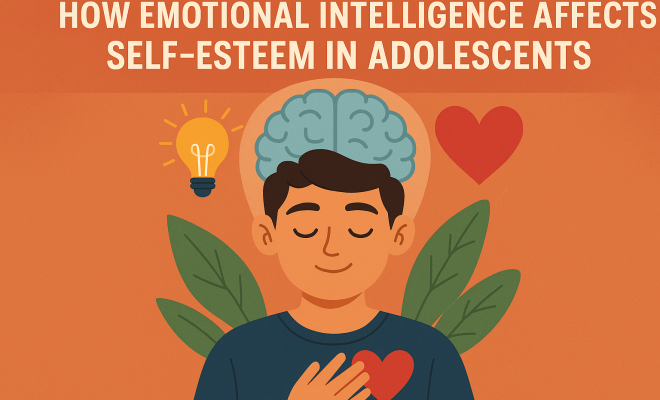
How Emotional Intelligence Affects Self-Esteem in Adolescents
“`html
Understanding Emotional Intelligence
Emotional intelligence (EI) refers to the ability to recognize, understand, and manage one’s own emotions while also being able to empathize with others. It is a crucial component of interpersonal relationships and plays a significant role in adolescents’ development. Developed by psychologists Peter Salovey and John D. Mayer in the early 1990s, the concept has gained considerable traction in educational and psychological fields. Unlike traditional intelligence measures, which often focus on cognitive abilities, EI emphasizes emotional awareness and regulation as vital skills.
In adolescence, a period marked by significant emotional and social changes, the development of emotional intelligence can shape how young people interact with their peers and respond to various life challenges. Understanding the intricacies of emotional intelligence is essential, as it holds the key to fostering self-esteem in adolescents.
The Link Between Emotional Intelligence and Self-Esteem
Self-esteem is defined as an individual’s subjective evaluation of their worth or value. It encompasses beliefs about oneself, such as self-confidence, self-respect, and the ability to cope with challenges. A strong connection exists between emotional intelligence and self-esteem in adolescents. Research indicates that individuals with higher emotional intelligence tend to have better self-esteem. This correlation can be attributed to several factors:
- Emotional Regulation: EI equips adolescents with the skills to manage their emotions effectively. This capacity allows them to face challenging situations without becoming overwhelmed, thereby enhancing their self-confidence.
- Empathy and Relationships: Adolescents with high EI often develop healthier relationships, as they can empathize with others’ feelings. Positive social interactions foster a sense of belonging, which is critical for self-esteem.
- Self-Awareness: Emotional intelligence encourages self-reflection, helping adolescents understand their strengths and weaknesses. This awareness boosts their self-esteem, as they come to accept themselves as they are.
The Role of Emotional Intelligence in Academic Performance
Academic success is another crucial aspect of adolescents’ lives that can influence their self-esteem. Studies show that adolescents with higher emotional intelligence tend to perform better academically. This can be linked to several factors, including:
- Stress Management: EI enables adolescents to cope with stress, leading to improved focus and better academic outcomes. When students can manage their anxiety and frustrations, they are more likely to excel in their studies.
- Effective Collaboration: Students with high EI are better at working in groups, which is essential in school settings. Collaborative projects often yield better results and enhance self-worth.
- Motivation and Goal Setting: Emotional intelligence fosters intrinsic motivation. Adolescents who understand their emotions are more likely to set realistic academic goals and take pride in their achievements.
Practical Strategies to Foster Emotional Intelligence
Enhancing emotional intelligence in adolescents can significantly impact their self-esteem. Here are some practical strategies that parents, educators, and mentors can use:
- Model Emotional Awareness: Adults should demonstrate emotional awareness in their daily interactions. By discussing their feelings openly, they can provide a framework for adolescents to express their emotions.
- Encourage Emotional Expression: Provide safe spaces for adolescents to express their emotions. This could be through journaling, art, or counseling, allowing them to process their feelings positively.
- Teach Empathy: Engage in activities that promote empathy, such as volunteering or community service. These experiences help adolescents understand others’ perspectives, fostering emotional connections.
- Integrate Social-Emotional Learning (SEL): Schools should incorporate SEL into their curricula, focusing on emotional literacy, self-regulation, and relationship skills. Evidence-based programs have shown to increase EI and, subsequently, self-esteem in students.
The Impact of Peer Relationships
Peer relationships are crucial during adolescence, influencing emotional intelligence and self-esteem. Adolescents with high emotional intelligence typically navigate social dynamics more effectively, leading to stronger, healthier friendships. Healthy relationships, in turn, reinforce self-esteem.
Conversely, negative or toxic relationships can undermine both emotional intelligence and self-esteem. Bullying, exclusion, and peer pressure can significantly impact adolescents’ emotional well-being. It’s essential for parents and educators to monitor social interactions and guide adolescents in building supportive networks that uplift rather than diminish self-worth.
Cultural Considerations in Emotional Intelligence Development
Emotional intelligence is not a one-size-fits-all concept; cultural contexts can significantly affect its development. Different cultures have unique norms and expectations regarding emotional expression and regulation. For instance:
- Collectivist Cultures: In cultures that prioritize group harmony, adolescents may be encouraged to suppress individual emotional expressions in favor of group dynamics. This can impact their emotional intelligence and self-esteem development differently than in individualistic cultures, where personal expression is more valued.
- Gender Norms: Societal expectations around gender can influence emotional intelligence. For instance, boys may be socialized to avoid showing vulnerability, which can hinder their emotional development. Understanding these factors is crucial for effectively fostering EI across diverse backgrounds.
Current Relevance: Emotional Intelligence in a Digital Age
In today’s digital age, the landscape of emotional intelligence and self-esteem in adolescents is rapidly evolving. With social media and online interactions becoming increasingly prominent, the dynamics of emotional expression and peer relationships have shifted. Here are a few critical points to consider: (See: Wikipedia on Emotional Intelligence.)
- Online Relationships: Digital communication can promote connections but may lead to misunderstandings and emotional disconnection. Adolescents must be equipped with emotional intelligence to navigate these complexities.
- Cyberbullying: The prevalence of cyberbullying can severely impact self-esteem. Adolescents need skills to manage their emotions in response to online negativity, reinforcing the importance of EI.
- Social Comparison: Social media often feeds into the tendency for adolescents to compare themselves to others, which can hurt self-esteem. Teaching them to cultivate a healthy self-image through emotional awareness is critical.
Expert Perspectives on Emotional Intelligence
Experts in psychology and education emphasize the importance of emotional intelligence in adolescence. Dr. Marc Brackett, a leading figure in emotional intelligence research, stresses that emotional intelligence can be taught and developed. He advocates for educational systems to prioritize emotional literacy and self-awareness as fundamental components of the curriculum.
Moreover, Dr. Daniel Goleman, who popularized the concept of emotional intelligence through his book “Emotional Intelligence: Why It Can Matter More Than IQ,” highlights that emotional intelligence is a critical factor in both academic success and personal relationships. His insights suggest that fostering EI in adolescents can lead to improved self-esteem and overall life satisfaction.
Measuring Emotional Intelligence and Self-Esteem
To effectively foster emotional intelligence and self-esteem in adolescents, it’s essential to measure these constructs accurately. Various tools and assessments exist to evaluate emotional intelligence and self-esteem levels among adolescents:
- The Trait Emotional Intelligence Questionnaire (TEIQue): This self-report measure helps evaluate an individual’s emotional intelligence across various domains, such as emotional perception, emotional management, and emotional utilization.
- The Rosenberg Self-Esteem Scale (RSES): This widely used tool assesses self-esteem levels, providing insights into adolescents’ self-perception.
- Behavioral Observations: Observing adolescents in social settings can offer additional insights into their emotional intelligence. Teachers and parents can assess how well adolescents navigate emotions and relationships.
Exploring the Connection: Emotional Intelligence and Mental Health
The relationship between emotional intelligence and mental health is becoming increasingly relevant, especially in the context of adolescents. Studies have shown that adolescents with higher emotional intelligence are better equipped to manage stress, anxiety, and depression. By understanding their emotions and those of others, they can develop healthier coping strategies and make more informed decisions about their mental well-being.
For instance, a study conducted by the University of California found that adolescents with higher emotional intelligence reported lower levels of anxiety and depressive symptoms. They were more likely to seek help when needed and to maintain a positive outlook on life. This suggests that fostering emotional intelligence can be a proactive approach to enhancing mental health among adolescents.
Social Media’s Dual Role in Emotional Development
While social media can pose risks to emotional intelligence and self-esteem, it can also serve as a powerful tool for development. Many platforms provide opportunities for adolescents to engage in discussions about emotions, mental health, and personal growth. For example, mental health initiatives on platforms like Instagram and TikTok have gained popularity, spreading awareness and providing resources for emotional intelligence development.
Moreover, social media can facilitate connection among peers who share similar experiences, allowing adolescents to express themselves and find validation in their feelings. Educators and parents can guide adolescents on how to use social media wisely—encouraging them to engage in positive communities that foster emotional growth and resilience.
Case Studies: Successful Interventions for EI Development
There are several real-world examples of successful interventions aimed at improving emotional intelligence in adolescents, which in turn has positively affected their self-esteem:
- The RULER Program: Developed by Dr. Marc Brackett and his team at Yale University, RULER (Recognizing, Understanding, Labeling, Expressing, and Regulating emotions) is an evidence-based program designed to promote emotional intelligence in schools. Schools implementing RULER have reported significant improvements in students’ emotional skills and overall well-being.
- The PATHS Program: The Promoting Alternative THinking Strategies (PATHS) program is designed to enhance social-emotional skills in elementary and middle school students. Research indicates that students who participated in PATHS exhibited higher emotional intelligence and self-esteem, along with lower levels of aggression and behavioral problems.
- Mindfulness Programs: Incorporating mindfulness practices in schools has shown promising results in enhancing emotional intelligence. Programs that teach mindfulness techniques can help adolescents develop better emotional regulation skills, leading to improved self-esteem and resilience when facing challenges.
Building a Supportive Environment for Adolescents
Creating a supportive environment for adolescents is vital for developing emotional intelligence and self-esteem. This includes fostering open communication at home, in schools, and in the community. Parents should engage in conversations about emotions, validate their children’s feelings, and model healthy emotional regulation strategies.
Schools can implement policies that promote mental health and emotional well-being, such as anti-bullying initiatives and peer support programs. In addition, community organizations can offer workshops and resources for parents and adolescents to learn about emotional intelligence and its importance. (See: NIH article on EI and self-esteem.)
By building a foundation of support, adolescents can thrive emotionally and socially, enhancing their self-esteem and overall quality of life.
FAQ: Understanding Emotional Intelligence and Self-Esteem in Adolescents
What is emotional intelligence?
Emotional intelligence is the ability to recognize, understand, and manage one’s own emotions while also empathizing with others. It involves skills such as emotional awareness, regulation, and interpersonal relationship management.
How does emotional intelligence impact self-esteem in adolescents?
Higher emotional intelligence can lead to better self-esteem in adolescents by promoting emotional regulation, improving social relationships, and enhancing self-awareness. When adolescents can effectively manage their emotions and empathize with others, they tend to feel more confident and valued.
Can emotional intelligence be taught?
Yes, emotional intelligence can be taught and developed through various programs and strategies. Schools, parents, and mentors can play a pivotal role in fostering emotional intelligence by implementing social-emotional learning (SEL) initiatives and encouraging open discussions about emotions.
What role do peer relationships play in emotional intelligence?
Peer relationships are crucial for developing emotional intelligence, as adolescents learn to navigate social dynamics and build empathy through interactions. Healthy friendships can reinforce self-esteem, while negative relationships can have the opposite effect.
How does social media affect emotional intelligence and self-esteem?
Social media can impact emotional intelligence and self-esteem both positively and negatively. While it can provide opportunities for connection and support, it can also lead to harmful comparisons and cyberbullying. Teaching adolescents to use social media mindfully is essential for their emotional development.
Additional Insights into Emotional Intelligence Development Strategies
Encouraging emotional intelligence in adolescents requires understanding the various strategies that can be employed for effective development. Below, we’ve outlined more insights into how to approach this crucial aspect of adolescent growth:
1. Create Emotional Check-ins
Regular emotional check-ins can be a fantastic tool for developing emotional intelligence. These can be simple questions posed by parents or teachers, such as “What emotion are you feeling today?” or “Can you describe a time when you felt proud?” This practice encourages reflection and helps adolescents articulate their feelings.
2. Implement Role-Playing Activities
Role-playing can be a powerful way to teach emotional skills. By simulating different social situations, adolescents can practice responding to emotions appropriately. This not only boosts their emotional intelligence but also enhances their problem-solving skills when faced with real-life challenges.
3. Promote Resilience Through Challenges
Encouraging adolescents to take on challenges can foster resilience, a key component of emotional intelligence. By navigating difficulties, they learn to manage their emotions, cope with failure, and celebrate successes. This process enhances their self-esteem and prepares them for future obstacles.
4. Utilize Technology for Emotional Skills
Numerous apps and online resources are designed to help adolescents develop emotional intelligence. For instance, programs that encourage mindfulness, such as Headspace or Calm, can help adolescents manage stress and understand their emotions better. Integrating technology into emotional learning can make it more engaging for younger generations.
5. Foster Artistic Expression
Artistic endeavors can serve as a powerful medium for emotional expression. Encourage adolescents to engage in activities like painting, writing, or music. These outlets allow them to explore and express their emotions creatively, helping to solidify their emotional understanding.
Statistics on Emotional Intelligence and Self-Esteem
Understanding the significance of emotional intelligence and its impact on self-esteem can be highlighted through relevant statistics:
- According to a study published in the Journal of Adolescence, adolescents with high emotional intelligence are 50% less likely to experience symptoms of anxiety and depression.
- Research by the Institute for Social and Emotional Learning indicates that schools implementing SEL programs see a 23% increase in students’ self-reported self-esteem.
- A meta-analysis of over 300 studies demonstrated that emotional intelligence correlates with higher academic achievement, with a reported effect size of 0.30, indicating a moderate positive relationship.
Exploring Long-Term Benefits of Emotional Intelligence
Studies suggest that the benefits of emotional intelligence extend beyond adolescence. Individuals who cultivate strong emotional intelligence in their teenage years tend to exhibit better life outcomes in adulthood. For instance:
- Career Success: A study by the Consortium for Research on Emotional Intelligence in Organizations found that 90% of top performers in the workplace are high in emotional intelligence, suggesting a strong correlation between EI and professional success.
- Relationship Quality: Research indicates that adults with high emotional intelligence report better relationship satisfaction. They tend to communicate effectively, resolve conflicts amicably, and empathize with partners, leading to stronger connections.
- Mental Health: Longitudinal studies show that individuals with higher emotional intelligence experience lower rates of mental health issues, including anxiety and depression, across their lifespan.
Conclusion: The Path Forward
In summary, the interplay between emotional intelligence and self-esteem in adolescents is complex but undeniably vital. Emotional intelligence facilitates better emotional regulation, healthier relationships, and improved academic performance, all of which contribute to a robust sense of self-esteem. By fostering emotional intelligence through practical strategies, educators and parents can help adolescents build resilience and confidence that will serve them well throughout their lives. As we continue to navigate the challenges of the digital age, prioritizing emotional intelligence in education and personal development will be crucial in shaping future generations.
“`
Trending Now
Frequently Asked Questions
How does emotional intelligence impact self-esteem in adolescents?
Emotional intelligence (EI) significantly influences self-esteem in adolescents by enabling them to manage their emotions effectively, develop empathy, and foster healthy relationships. Higher EI often leads to better self-confidence and a stronger sense of belonging, which are crucial for positive self-esteem.
What are the components of emotional intelligence?
The components of emotional intelligence include emotional awareness, emotional regulation, empathy, and social skills. These elements help individuals recognize and manage their own emotions while understanding and responding to the emotions of others, which is vital for healthy interpersonal relationships.
Why is emotional intelligence important for adolescents?
Emotional intelligence is essential for adolescents as it helps them navigate the significant emotional and social changes during this developmental stage. High EI enhances their ability to cope with challenges, build meaningful relationships, and maintain positive self-esteem.
How can parents help improve their child's emotional intelligence?
Parents can improve their child's emotional intelligence by encouraging open discussions about feelings, modeling emotional regulation, promoting empathy through social interactions, and providing supportive environments where children feel safe to express their emotions.
What role does self-awareness play in emotional intelligence?
Self-awareness is a critical component of emotional intelligence. It allows adolescents to recognize their emotions and understand how these feelings influence their thoughts and behaviors. This awareness is key to managing emotions effectively and building self-esteem.
Have you experienced this yourself? We’d love to hear your story in the comments.