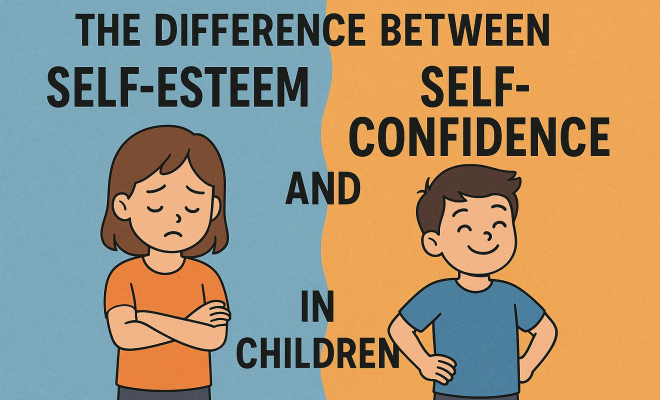
The Difference Between Self-Esteem and Self-Confidence in Children
“`html
Understanding the Difference Between Self-Esteem and Self-Confidence in Children
When discussing the development of children, two terms often arise: self-esteem and self-confidence. While these concepts are frequently used interchangeably, they represent different aspects of a child’s emotional and psychological growth. Understanding the self-esteem vs self-confidence in children dichotomy is crucial for parents, teachers, and caregivers aiming to foster a healthy environment for young people. In this article, we will explore the definitions, significance, and implications of self-esteem and self-confidence, alongside practical advice for nurturing both in children.
Defining Self-Esteem and Self-Confidence
To comprehend the differences between self-esteem and self-confidence, it’s important first to establish clear definitions. Self-esteem pertains to how children value themselves. It reflects their perception of their worth and can significantly influence their emotional well-being. High self-esteem allows children to feel happy and secure in their identity, while low self-esteem may lead to feelings of worthlessness or inadequacy.
On the other hand, self-confidence is the belief in one’s abilities to succeed in specific tasks or challenges. A child with high self-confidence believes they can take on new challenges and achieve their goals, whether in academics, sports, or social situations. However, self-confidence can vary from situation to situation; a child might feel confident in math but insecure during a team sport.
The Interconnectedness of Self-Esteem and Self-Confidence
Self-esteem and self-confidence are interrelated yet distinct. A child with high self-esteem is more likely to develop self-confidence; they feel worthy enough to take risks and face challenges without the fear of failure. Conversely, a child with high self-confidence may not necessarily have high self-esteem. For instance, a child might excel in sports but struggle with feelings of inadequacy regarding their academic capabilities.
In essence, while self-esteem provides the foundation for self-confidence, a child can exhibit confidence in specific areas without possessing a strong overall sense of self-worth. Therefore, addressing both aspects is essential in supporting a child’s holistic development.
Why Self-Esteem Matters
Self-esteem is a critical factor in a child’s emotional health. When children possess a positive self-image, they are more likely to engage in healthy relationships and pursue new experiences. Research shows that children with high self-esteem tend to have better academic performance, as they are more willing to participate in class discussions and take on challenging assignments.
Furthermore, self-esteem plays a significant role during adolescence. As children transition into their teenage years, they face numerous social pressures that can impact their sense of self. Those with healthy self-esteem are better equipped to handle peer pressure, resist negative influences, and make independent choices. In contrast, low self-esteem can lead to anxiety, depression, and a greater risk of engaging in harmful behaviors.
The Role of Self-Confidence in Development
Self-confidence acts as a motivating force in children’s lives, encouraging them to tackle challenges head-on. When children believe in their abilities, they are more likely to try new activities, whether it’s joining a sports team, auditioning for a school play, or engaging in academic competitions. This willingness to step outside their comfort zones can lead to valuable life lessons and personal growth. (See: National Institutes of Health on self-esteem.)
Moreover, self-confidence contributes to resilience. Children who approach setbacks with a belief in their ability to overcome them are more likely to learn from their mistakes and persist in the face of difficulties. In contrast, children lacking self-confidence may give up easily when encountering challenges, fearing failure more than they pursue success.
Practical Strategies for Building Self-Esteem
Fostering self-esteem in children requires intentional effort from parents, educators, and mentors. Here are some practical strategies to nurture self-esteem:
- Encourage Positive Self-Talk: Help children identify and challenge negative thoughts about themselves. Teach them to replace self-criticism with positive affirmations that promote a healthy self-view.
- Provide Unconditional Love: Show children that they are loved and valued regardless of their achievements or failures. This support provides a safe environment where they can explore their identity without fear of judgment.
- Celebrate Achievements: Acknowledge both big and small accomplishments. Recognizing efforts helps children understand that their contributions matter and builds their sense of worth.
- Set Realistic Goals: Help children set achievable goals that can lead to a sense of accomplishment. When children meet these goals, their self-esteem gets reinforced.
- Encourage Independence: Allow children to make choices and take risks appropriate for their age. This autonomy fosters a sense of agency, enhancing self-esteem.
Practical Strategies for Building Self-Confidence
In addition to boosting self-esteem, it’s essential to cultivate self-confidence. Here are several methods to help children develop trust in their abilities:
- Introduce New Challenges: Encourage children to try new activities or hobbies that push their limits. This exposure can help them discover hidden talents and build confidence in their skills.
- Provide Constructive Feedback: Offer feedback that focuses on effort and improvement rather than just outcomes. Highlighting the learning process helps children understand that setbacks are part of growth.
- Model Confidence: Share personal experiences of overcoming challenges, illustrating that confidence can be developed over time. Children learn by example, so displaying self-confidence can positively impact their own.
- Encourage Problem-Solving: Instead of providing immediate solutions to problems, guide children in brainstorming potential solutions. This approach fosters critical thinking and encourages them to trust their judgment.
- Support Social Skills: Help children develop strong interpersonal skills through group activities, which can boost their confidence in social settings. Practicing social interactions can make them feel more at ease in unfamiliar situations.
The Impact of Environment and Culture
The environment in which children grow up plays a significant role in shaping their self-esteem and self-confidence. Supportive family dynamics, positive peer relationships, and a nurturing school environment can contribute to healthier self-perceptions. Conversely, negative influences such as bullying, critical parenting, or high-pressure academic environments can hinder their self-worth and confidence.
Culture also influences how self-esteem and self-confidence are perceived. In some cultures, individual achievements are celebrated, promoting self-confidence, while in others, collective success may take precedence, emphasizing self-esteem through belonging. Understanding these cultural nuances is vital for developing strategies that resonate with children and align with their backgrounds.
Recognizing Signs of Low Self-Esteem and Self-Confidence
It’s essential for adults to recognize signs that a child may be struggling with low self-esteem or self-confidence. Some common indicators include:
- Frequent criticism of themselves, often leading to sadness or withdrawal.
- A tendency to avoid new experiences or challenges due to fear of failure.
- Difficulty accepting compliments or positive feedback.
- Engagement in risky behaviors as a means of seeking validation.
- Comparing themselves unfavorably to peers, leading to feelings of inadequacy.
If you notice these signs in a child, it may be time to have open and supportive conversations. Encourage them to express their feelings and thoughts, and consider seeking professional help if needed. Therapy can provide valuable tools for children to rebuild their self-esteem and self-confidence.
Expert Perspectives on Self-Esteem vs Self-Confidence
Understanding the nuances between self-esteem and self-confidence is not just an academic concern; experts emphasize that parents and educators play a vital role in fostering both attributes. Dr. Lisa Firestone, a clinical psychologist, states that “self-esteem is about feeling worthy, while self-confidence is about feeling capable.” This distinction highlights the necessity of nurturing both aspects to ensure children grow up with a balanced self-view.
Moreover, educational psychologist Dr. Carol Dweck suggests that promoting a growth mindset can significantly enhance both self-esteem and self-confidence. “When children understand that their abilities can develop through effort and learning, they are more likely to take risks and embrace challenges,” she explains. This mindset fosters resilience, leading to higher self-esteem as children navigate various experiences in life.
Comparative Studies on Self-Esteem and Self-Confidence
Research in the field of child psychology has yielded valuable insights into the relationship between self-esteem and self-confidence. A study published in the journal “Child Development” analyzed over 1,000 children and found that those with high self-esteem consistently demonstrated higher levels of self-confidence across various domains, including academic and social settings. This correlation indicates that efforts to enhance self-esteem are likely to have a cascading effect on a child’s self-confidence.
Another noteworthy study published in “The Journal of Educational Psychology” focused on adolescents and discovered that self-esteem was a strong predictor of academic performance, particularly in high-pressure environments. The researchers concluded that when students feel good about themselves, they are more likely to take academic risks and engage more actively in their studies. This underscores the importance of fostering self-esteem during formative years to boost confidence in academic pursuits.
Frequently Asked Questions
What can parents do to improve their child’s self-esteem and self-confidence?
Parents can improve their child’s self-esteem and self-confidence by providing unconditional support, encouraging independence, celebrating achievements, and modeling positive self-talk. Engaging children in discussions about their feelings and experiences can also strengthen their emotional resilience.
Can self-esteem and self-confidence fluctuate over time?
Yes, both self-esteem and self-confidence can fluctuate based on experiences and circumstances. Children may feel more confident in certain situations, such as during sports, but struggle in others, like public speaking. It’s essential to provide ongoing support as they navigate these challenges.
How do peer relationships affect self-esteem and self-confidence?
Peer relationships have a significant impact on both self-esteem and self-confidence. Positive friendships can reinforce a child’s self-worth and provide a sense of belonging, while negative experiences, such as bullying, can diminish both attributes. Encouraging healthy social interactions is vital for emotional development.
At what age do self-esteem and self-confidence begin to develop?
Self-esteem and self-confidence begin to develop in early childhood, as children start to understand their abilities and form self-perceptions through interactions with family and peers. By the age of 5 or 6, children can express their feelings about themselves and their capabilities.
How can schools support students in building self-esteem and self-confidence?
Schools can support students by creating a positive learning environment, incorporating social-emotional learning programs, and promoting teamwork and collaboration. Encouraging participation in extracurricular activities can also help students develop their skills and boost their confidence.
Challenges in Building Self-Esteem and Self-Confidence
Even with the right strategies, there can be challenges in fostering self-esteem and self-confidence in children. One common challenge is the pressure of societal expectations. Children today are bombarded with messages about success, appearance, and achievement through social media and advertising. This can create unrealistic standards that lead to feelings of inadequacy.
Another issue is the impact of academic stress. High-stakes testing and competitive environments can lead to anxiety and self-doubt. When children feel that their worth is contingent on their grades or achievements, it can adversely affect their self-esteem and confidence. Parents and educators need to recognize these pressures and help children understand that their value is not solely based on external achievements.
Long-Term Effects of Self-Esteem and Self-Confidence on Adult Life
The effects of self-esteem and self-confidence during childhood can extend well into adulthood. Adults with high self-esteem and self-confidence tend to have better mental health, engage in healthier relationships, and pursue career opportunities with a belief in their abilities. They are more likely to take risks, push through challenges, and handle criticism constructively.
Conversely, low self-esteem and self-confidence in childhood can manifest in various ways in adulthood, including difficulties in relationships, struggles with career advancement, and persistent feelings of inadequacy. Organizations like the American Psychological Association emphasize the importance of addressing these issues early on to mitigate their long-term effects.
Peer Support and Group Activities
Engaging in group activities can be a powerful way to foster self-esteem and self-confidence. Whether it’s team sports, drama clubs, or group projects in school, these settings provide a platform for children to collaborate, communicate, and build relationships. Positive peer interactions can reinforce a sense of belonging and help children recognize their strengths through the eyes of others.
For example, participating in a sports team not only encourages physical fitness but also teaches teamwork, discipline, and goal setting. Children learn to celebrate collective success and understand that their contributions matter, boosting both their self-esteem and confidence. Parents and educators should actively seek out opportunities for children to engage in such group activities, ensuring a well-rounded development experience.
Creative Expressions as a Tool for Growth
Encouraging children to express themselves creatively can also be a significant factor in enhancing self-esteem and self-confidence. Activities like drawing, writing, music, and dance allow children to explore their emotions and showcase their abilities in a non-competitive environment. These creative outlets enable children to take pride in their work and develop a sense of identity.
For instance, participating in a school art show can help a child feel proud of their creations, fostering a sense of accomplishment and recognition. Similarly, writing stories or poems can provide an avenue for self-reflection, helping children articulate their thoughts and feelings. These experiences are invaluable for building a positive self-image and a confident attitude towards self-expression.
Conclusion: Nurturing Healthy Self-Esteem and Self-Confidence
The journey of understanding self-esteem vs self-confidence in children is both complex and rewarding. As caregivers, it’s crucial to recognize the importance of fostering both qualities to support children’s emotional health and resilience. By implementing practical strategies, creating supportive environments, and understanding the unique needs of each child, we can guide them toward a fulfilling and confident adulthood. As they grow to appreciate their worth and capabilities, they will be better equipped to face life’s challenges with resilience and optimism.
“`
Trending Now
Frequently Asked Questions
What is the difference between self-esteem and self-confidence in children?
Self-esteem refers to how children value themselves and their perceived worth, while self-confidence is the belief in their abilities to succeed in specific tasks. High self-esteem can foster self-confidence, but they are distinct concepts.
Why is self-esteem important for children?
Self-esteem is crucial as it impacts a child's emotional well-being. High self-esteem allows children to feel secure and happy in their identity, while low self-esteem can lead to feelings of worthlessness and inadequacy.
How can parents help improve their child's self-confidence?
Parents can enhance their child's self-confidence by encouraging them to take on new challenges, providing positive reinforcement, and allowing them to learn from failures. Celebrating small achievements can also boost their belief in their abilities.
Can a child have high self-confidence but low self-esteem?
Yes, a child can exhibit high self-confidence in specific areas, like sports, while still struggling with low self-esteem. This indicates a disconnect between their belief in their abilities and their overall self-worth.
What role does self-esteem play in a child's development?
Self-esteem plays a vital role in a child's development as it shapes their emotional health, influences their willingness to take risks, and impacts their social interactions. Healthy self-esteem fosters resilience and a positive self-image.
Agree or disagree? Drop a comment and tell us what you think.