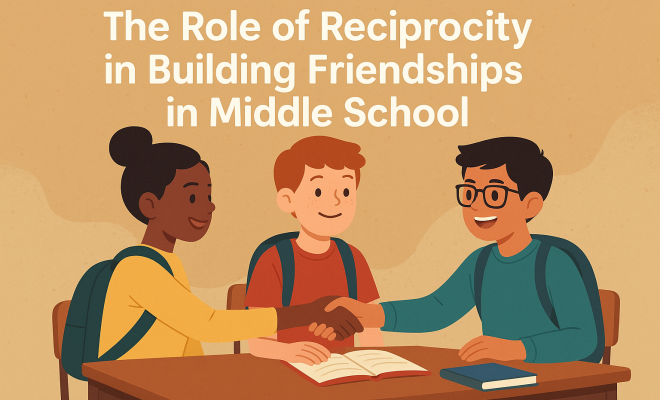
The Role of Reciprocity in Building Friendships in Middle School
“`html
Understanding Reciprocity in Friendships
At its core, reciprocity in friendships refers to the mutual exchange of support, kindness, and trust between individuals. It’s a cornerstone of strong relationships, particularly during the transformative years of middle school. This phase of life is characterized by significant emotional and social growth, making the dynamics of friendships more complex and crucial than ever.
Middle schoolers often stand at a crossroads in their emotional development. They begin to seek deeper connections beyond mere acquaintances. In this context, reciprocity becomes not just a guiding principle but also a necessity for creating lasting bonds. Individuals who can navigate these reciprocal exchanges are often more successful in forming and maintaining friendships.
The Importance of Middle School Friendships
Middle school marks an essential period where children begin to establish their identities outside of their families. Friendships formed during this stage can heavily influence self-esteem, social skills, and emotional health. Research indicates that teenagers often derive a sense of belonging and acceptance from their peers, which can significantly impact their overall well-being.
Moreover, friendships in middle school can lay the groundwork for future relationships. The experiences of giving and receiving support during this period teach valuable lessons about empathy, collaboration, and conflict resolution. Understanding how reciprocity in friendships plays a role in these dynamics can help both students and parents navigate this crucial time more effectively.
Building Blocks of Reciprocity in Friendships
Reciprocity isn’t merely about taking turns in sharing snacks or doing favors; it’s about fostering an environment where both parties feel valued and understood. Here are some building blocks of reciprocity that can enhance friendships in middle school:
- Communication: Open and honest dialogue is vital. Friends should feel comfortable expressing their thoughts and feelings, whether they’re sharing something exciting or discussing an issue.
- Empathy: Understanding and validating each other’s experiences can strengthen bonds. When friends empathize with each other, they create a safe space that encourages vulnerability.
- Support: Friends should be each other’s cheerleaders. Offering emotional or practical support in challenging times reinforces the idea that you’re in it together.
- Trust: Building trust is essential for reciprocity. Friends need to know they can rely on each other to keep confidences and be there when needed.
How Reciprocity Develops
Reciprocity in friendships develops organically through shared experiences and interactions. For middle schoolers, this often occurs in various settings — from classrooms to extracurricular activities. Here are a few scenarios where reciprocity typically flourishes:
Group Projects
Collaborative assignments are a staple of middle school education. These projects require students to rely on one another, fostering an environment where reciprocal relationships can thrive. For instance, if one student helps another understand a difficult concept, the recipient may feel compelled to offer help in return, whether academically or socially.
Sports and Clubs
Participation in team sports or clubs provides built-in opportunities for kids to practice reciprocity. The shared goal of winning a game or completing a project encourages collaboration and support. Achieving these goals often requires students to share their strengths and help one another, solidifying friendships.
Social Events
School dances, parties, and other social gatherings present another opportunity for reciprocity to develop. During these events, students can exchange compliments, share laughs, and create memories together, which enhances their bond. This exchange fosters a give-and-take dynamic essential for building trust and connection.
Challenges to Reciprocity
While the benefits of reciprocity in friendships are clear, there are inherent challenges that can disrupt this balance. Middle schoolers often navigate social pressures, cliques, and changing interests that can complicate their relationships. Here are a few challenges to consider:
Peer Pressure
As students seek acceptance, they may feel pressured to conform to group norms. This pressure can skew the natural flow of reciprocity. For example, a student might feel compelled to support a friend’s negative behavior simply to maintain their approval, which can lead to unhealthy dynamics.
Jealousy and Competition
In a quest to stand out, students might compete for attention or validation, which can undermine the principles of reciprocity. If one friend feels overshadowed or undervalued, they may withdraw from the relationship, leading to an imbalance of give-and-take.
Miscommunication
Failure to communicate effectively can create rifts in friendships. Misunderstandings can lead to perceived slights or a lack of acknowledgment of each other’s contributions. Clear and open channels of communication are vital to restoring balance and ensuring reciprocity is maintained.
Encouraging Reciprocity Among Peers
Parents, educators, and mentors play a critical role in guiding children toward healthier friendship dynamics based on reciprocity. Here are some effective strategies: (See: Reciprocity in friendships and well-being.)
Modeling Healthy Friendships
Children learn a great deal from observing the adults in their lives. By demonstrating healthy, reciprocal relationships, parents can set a positive example. Sharing experiences where you’ve supported friends or sought help when needed can illustrate the importance of give-and-take.
Encouraging Open Communication
Fostering environments where children feel safe expressing their feelings is essential. Engaging in conversations about friendships — discussing what makes a good friend and how to address conflicts — can equip them with the tools they need for maintaining reciprocity.
Promoting Team Activities
Encouraging participation in group activities can help develop reciprocal relationships. Whether through sports, community service, or school clubs, these settings provide ample opportunities for kids to practice supporting one another.
The Connection Between Reciprocity and Emotional Intelligence
Emotional intelligence (EI) plays a significant role in fostering reciprocity in friendships. High EI allows individuals to navigate their own emotions and understand others’ feelings. Here’s how emotional intelligence ties into the concept of reciprocity:
Self-Awareness
Students with high self-awareness can recognize their own needs and how they impact others. This understanding helps them engage in more equitable exchanges in friendships. For instance, if a student realizes they’ve been dominating conversations, they may actively listen more, enhancing reciprocity.
Empathy
As mentioned earlier, empathy is a critical component of reciprocity. Students who can empathize are more inclined to offer support and engage in healthy exchanges. They understand friends’ feelings, allowing them to respond thoughtfully.
Conflict Resolution
Emotional intelligence equips students with conflict resolution skills, which are crucial for maintaining reciprocity. When disagreements arise, emotionally intelligent individuals can approach the situation with an open mind, ready to address issues rather than allowing resentment to fester.
Real-World Examples of Reciprocity in Friendships
Real-life scenarios of reciprocity in friendships can provide valuable insights into its role in middle school relationships. Here are a few relatable examples:
The Homework Exchange
One common instance of reciprocity is the homework exchange among friends. If one student helps another with math homework, the favor may be returned through assistance with an upcoming science project. This mutual support not only bolsters academic success but also strengthens their friendship.
Emotional Support During Tough Times
Consider a student going through a tough family situation. If a friend offers a listening ear or even just a distraction, it can deepen their bond. When the roles reverse, and the supporting friend faces challenges, they’re likely to find comfort in the same relationship, showcasing the cyclical nature of reciprocity.
Celebrating Achievements
Whether it’s attending a science fair, celebrating a birthday, or cheering at a sports game, friends who celebrate each other’s successes exemplify reciprocity. These moments of shared joy create lasting memories and reinforce the commitment to support each other in the future.
Current Relevance of Reciprocity in Friendships
In our increasingly digital world, where social media plays a pivotal role in communication, the concept of reciprocity in friendships remains vital. However, maintaining balance can be tricky. Here’s what you should consider:
The Impact of Social Media
Platforms like Instagram and Snapchat have transformed how friendships are formed and maintained. While social media provides opportunities for connection, it can also distort perceptions of reciprocity. Likes and comments may replace in-person interactions, leading to misunderstandings about friendship dynamics.
Barriers in Communication
Texting and online conversations can lead to misinterpretation and a lack of emotional depth. Students need to remember that true reciprocity flourishes in face-to-face interactions, where body language and tone can enhance understanding.
Fostering Authentic Relationships
As friendships evolve in the age of technology, it’s crucial for students to focus on authentic connections. Encouraging experiences that build mutual support and understanding — like in-person gatherings or collaborative projects — can help strengthen the foundation of their friendships.
Common Misconceptions About Reciprocity in Friendships
While many understand the basic idea of reciprocity, there are misconceptions that can cloud the reality of how it plays out. Here are a few of those misconceptions:
Reciprocity Equals Keeping Score
Some might think that reciprocity means you have to keep track of every favor or gesture. This mentality can lead to resentment if one feels they’re giving more than they receive. Instead, reciprocity should feel natural and not transactional. (See: Friendship and adolescent development.)
Only One-Sided Friendships Are Problematic
It’s easy to think that only one-sided friendships are unhealthy. However, even friendships that appear reciprocal on the surface can still have underlying issues if one party feels unappreciated or taken for granted. Regular check-ins can maintain balance and ensure both friends feel valued.
Reciprocal Relationships Always Feel Equal
While balance is essential, friendships may not always maintain perfect equity at all times. Different life circumstances can affect how each person gives and receives support. Recognizing that there will be ebbs and flows in reciprocity can help friends navigate these changes without feeling guilty or resentful.
Strategies for Enhancing Reciprocity
To build a healthier reciprocity dynamic in friendships, consider the following strategies:
Establishing Expectations
It can be helpful to discuss and establish what you both expect from the friendship. For example, if one friend is going through a tough time, the other can offer support without the expectation of immediate reciprocation. This openness allows for a clearer understanding of each other’s needs.
Regular Check-Ins
Set aside time for regular check-ins where both friends can discuss how they’re feeling about the friendship. This creates a comfortable space for voicing concerns or celebrating milestones, which reinforces the mutual nature of the relationship.
Encouraging Individual Growth
Supporting each other’s personal growth is a key aspect of reciprocity. If one friend is pursuing a new hobby or interest, the other can offer enthusiasm and encouragement. Celebrating these individual journeys can enhance the sense of partnership in the friendship.
FAQ About Reciprocity in Friendships
What is the best way to communicate needs in a friendship?
Open and honest communication is key. Choose a good time to talk and express your feelings clearly. Use “I” statements to convey how certain actions affect you, which helps prevent the other person from feeling attacked.
How can I address an imbalance in reciprocity without causing conflict?
Approach the subject gently. You can frame it as a concern for the friendship rather than placing blame. Highlight specific instances where you felt an imbalance and discuss how you can support each other better moving forward.
Can friendships survive periods of uneven reciprocity?
Yes, friendships can endure uneven reciprocity, particularly if both parties are committed to understanding each other’s circumstances. Life events—like moving, changing schools, or family issues—can impact how friends support each other. The key is to communicate and adapt to those changes together.
How do I know if a friendship is worth maintaining?
Evaluate how you feel in the relationship. Do you feel valued, supported, and understood? If the friendship is primarily draining or feels one-sided, it may be worth reconsidering. Look for signs of mutual respect, shared joy, and the ability to resolve conflicts together.
Exploring Cultural Perspectives on Reciprocity
Reciprocity isn’t just a universal principle; it plays out differently across cultures, which can affect how friendships are formed and maintained. Understanding these cultural variations can provide insight into how reciprocity functions in diverse communities:
Western Cultures
In many Western societies, independence is highly valued. Friendships often emphasize personal growth and self-expression. Reciprocity might take the form of emotional support and shared experiences but can sometimes lead to expectations that each friend should independently maintain their emotional well-being. A culture that prizes self-sufficiency may inadvertently create pressure on individuals to reciprocate without explicit communication about their needs.
Eastern Cultures
In contrast, many Eastern cultures emphasize collectivism and interdependence. Friendships often involve deeper obligations to support one another, sometimes prioritizing the group’s needs over individual desires. Reciprocity in these contexts is often less about balancing favors and more about mutual care and support for collective well-being. This can create rich, nurturing relationships but may also lead to feelings of obligation or guilt if one cannot keep up with the expectations of reciprocity.
Indigenous Perspectives
Indigenous cultures often have their own unique understandings of reciprocity, emphasizing balance with nature and community interconnectedness. Friendships in these contexts may extend beyond individual relationships to include family ties and community responsibilities. This type of reciprocity fosters a sense of belonging and communal support, reinforcing the idea that every individual contributes to the well-being of the entire community.
Impact of Technology on Friendship Reciprocity
As technology continues to shape how friendships develop, it’s crucial to consider its impact on reciprocity:
Digital Communication
Texting, instant messaging, and social media platforms have changed the way friends communicate. While these tools can promote quick exchanges and keep friends connected, they can also lead to misunderstandings. For instance, without the context of tone and body language, messages can be misconstrued, leading to feelings of neglect or imbalance in the friendship.
Online Friendships
The rise of online friendships offers new dimensions to reciprocity. Friendships forged in online communities can thrive on shared interests and support, but they might lack the in-person interactions that strengthen reciprocity. When transitioning from online to offline friendships, individuals may discover that the dynamics of reciprocity require new adjustments and efforts.
Maintaining Balance in a Digital Age
To maintain reciprocity in this fast-paced digital age, friends should prioritize face-to-face interactions when possible. Setting aside time for real-life meetups, video calls, or group activities can reinforce the bonds forged through digital communication. This combination can help ensure that friendships remain balanced and fulfilling.
Future Directions for Friendship and Reciprocity
As society evolves, so will the nature of friendships and the concept of reciprocity. Here are some potential trends to watch:
Increased Emphasis on Mental Health
With mental health becoming a more prominent topic of conversation, friendships that prioritize emotional support and understanding are likely to flourish. This shift could lead to a deeper appreciation for reciprocity, as friends become more attuned to each other’s needs and mental well-being.
Changing Social Norms
As social norms continue to evolve, the expectations surrounding reciprocity may shift. Generational differences could lead to new understandings of what it means to support a friend, emphasizing emotional intelligence and open communication over traditional notions of giving and taking.
Global Connectivity
With globalization and increased cultural exchange, friendships may emerge that blend diverse perspectives on reciprocity. This melding of ideas could create new frameworks for understanding and engaging in reciprocal relationships, teaching individuals to appreciate the richness of different cultural approaches to friendship.
The Lasting Impact of Reciprocity in Friendships
Reciprocity in friendships is more than a simple exchange of kindness; it’s a fundamental element that helps shape the dynamics of relationships in middle school. By understanding its importance, students can learn to build meaningful connections that not only support their growth during adolescence but also set the stage for healthy relationships in adulthood.
Ultimately, cultivating an awareness of reciprocity fosters emotional intelligence, enhances communication skills, and promotes a supportive environment. As young people navigate their friendships, recognizing the role of reciprocity will empower them to form bonds that last a lifetime.
“`
Trending Now
Frequently Asked Questions
What is the importance of reciprocity in friendships?
Reciprocity in friendships involves mutual support and trust, which are essential for building strong relationships. In middle school, these connections greatly influence self-esteem and emotional health, helping individuals navigate social dynamics and establish their identities.
How do friendships in middle school impact emotional development?
Friendships formed in middle school play a crucial role in emotional development by providing a sense of belonging and acceptance. They also teach vital social skills like empathy and conflict resolution, which are important for future relationships.
What are the key elements of building reciprocity in friendships?
Key elements of building reciprocity in friendships include open communication, mutual respect, and understanding. These components create an environment where both friends feel valued, fostering deeper connections and enhancing the quality of their relationship.
Why is middle school a critical time for forming friendships?
Middle school is critical for forming friendships as it marks a period of significant emotional and social growth. During this time, children begin to seek deeper connections, making reciprocal relationships essential for their overall well-being and personal development.
How can parents help their children develop friendships in middle school?
Parents can help their children develop friendships by encouraging open communication about their social experiences, promoting empathy, and facilitating opportunities for their kids to interact with peers. Understanding the role of reciprocity can also guide parents in supporting their children's social growth.
Agree or disagree? Drop a comment and tell us what you think.